


Bathroom remodeling and installation is one of the most impactful home upgrades you can make, improving comfort, functionality, and long-term property value.
A well-planned bathroom remodel goes beyond new tile or fixtures; it requires careful coordination of plumbing, drainage, ventilation, and code-compliant installation to ensure lasting performance and reliability.
Bathrooms are among the most complex rooms in a home.
Water supply lines, drains, moisture control, and fixture placement all work together behind the walls.
This guide walks you through the entire process so you know what to expect, what to plan for, and why professional bathroom remodeling services make a critical difference.
What Bathroom Remodeling and Installation Includes
Bathroom remodeling and installation typically involves both visible upgrades and behind-the-scenes improvements.
While some projects focus on aesthetics, most successful bathroom remodel installation projects address structural and plumbing considerations at the same time.
A full remodel may include fixture replacement, layout changes, plumbing upgrades, ventilation improvements, waterproofing, and finish installation.
Even small changes such as replacing a vanity or shower often require professional bathroom plumbing installation to meet code and prevent future leaks.
Planning a Bathroom Remodel the Right Way
Evaluating Your Existing Bathroom Layout
Before any work begins, the existing layout must be assessed. Plumbing locations for toilets, sinks, tubs, and showers influence both cost and feasibility.
Older homes often have outdated pipe materials, limited venting, or inefficient drainage that should be addressed during a remodel.
Space planning is also essential. Poor layouts can lead to cramped walkways, inadequate storage, or fixture clearance issues that affect daily use.
Defining Goals and Priorities
Clear goals guide better decisions. Some homeowners prioritize accessibility, while others focus on modern design or efficiency.
Establishing priorities early helps balance bathroom renovation cost against long-term value and usability.
Understanding Bathroom Remodeling Costs
What Impacts Bathroom Renovation Cost
Bathroom renovation cost varies widely based on scope and complexity.
Factors include fixture selection, material quality, plumbing modifications, labor requirements, and permits.
Moving plumbing lines or upgrading old pipes increases cost but often prevents expensive future repairs.
Smart Budget Planning
Keeping plumbing in its original location can reduce costs, but cutting corners on plumbing upgrades rarely pays off.
Investing in proper installation and quality components protects your remodel and minimizes ongoing maintenance.
Bathroom Plumbing Upgrades That Matter Most
Water Supply and Drainage Improvements
Reliable bathroom plumbing installation starts with strong water supply lines and properly sized drains.
During remodeling, outdated pipes can be replaced, leaks corrected, and venting improved to support long-term performance.
Drainage issues are common in older bathrooms.
Improper slope or aging materials can cause slow drains or recurring clogs, making plumbing upgrades a critical part of bathroom remodeling services.
Fixture Installation and Efficiency
Modern fixtures are designed for efficiency, but correct installation is essential.
Toilets, faucets, and showers must be properly aligned, sealed, and pressure-balanced.
Poor installation can reduce efficiency and cause hidden water damage over time.
Shower, Tub, and Vanity Installation Explained
Bathroom Shower Installation Options
Bathroom shower installation ranges from traditional tub-and-shower combinations to walk-in showers and conversions.
Each option requires waterproofing, proper drainage, and secure plumbing connections to prevent leaks behind walls.
Bathtub Installation Considerations
Bathtub installation involves structural support, drain alignment, and overflow protection.
Freestanding tubs often require reinforced flooring and precise plumbing placement, while alcove tubs must integrate seamlessly with surrounding walls.
Vanity and Sink Plumbing Setup
Vanity installation is more than cabinetry.
Sink drains, water lines, and trap placement must be configured correctly to avoid leaks and ensure smooth operation.
Double vanities require balanced plumbing for consistent pressure and drainage.
Electrical, Ventilation, and Moisture Control
Bathrooms generate high humidity, making ventilation critical.
Exhaust fans remove moisture, reducing mold risk and protecting finishes. Ventilation systems must be properly sized and vented outside, not into attics or wall cavities.
Lighting, outlets, and ventilation often intersect with plumbing locations, requiring coordinated planning to maintain safety and performance.
Permits, Codes, and Inspections for Bathroom Remodeling
Bathroom remodel permits are often required when plumbing, electrical, or structural changes are involved.
Local codes regulate pipe sizing, fixture spacing, ventilation, and water efficiency.
Skipping permits can result in failed inspections, insurance issues, and resale complications.
Professional bathroom remodeling services ensure all work meets local requirements and passes inspection.
Bathroom Remodel Timeline: What to Expect
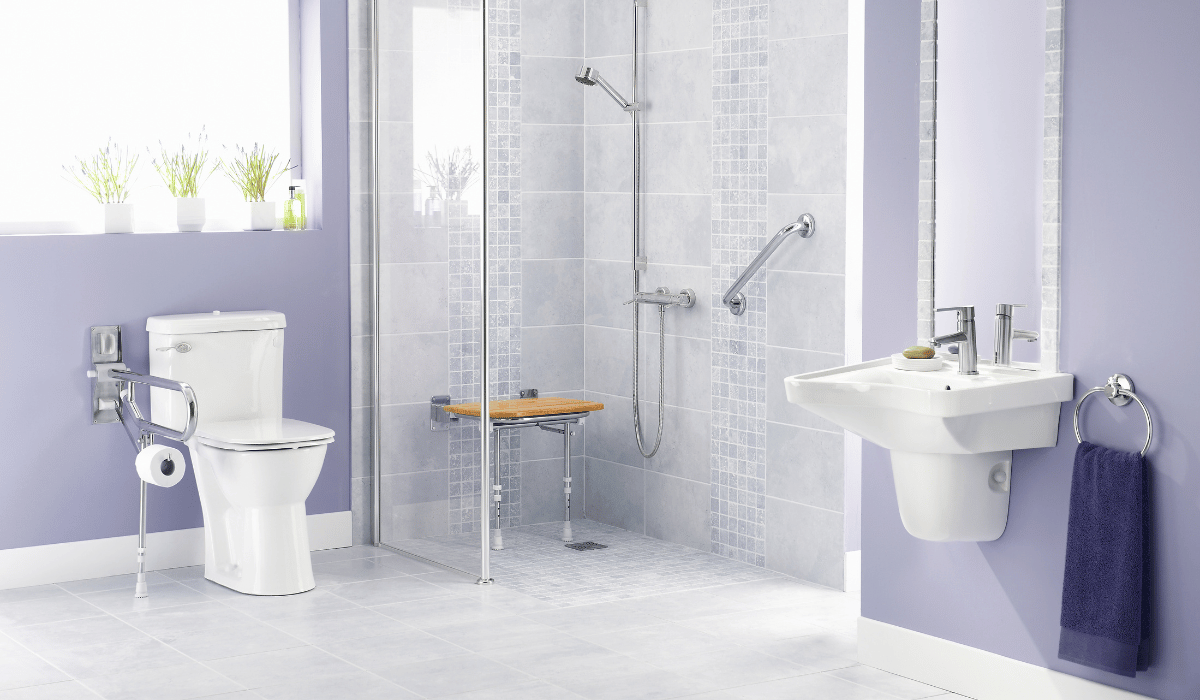
A bathroom remodel follows a structured process where each stage builds on the one before it.
Understanding the bathroom remodel timeline helps homeowners know what will happen next, why certain steps must occur in order, and how professional coordination keeps the project moving smoothly.
While every remodel is different, experienced bathroom remodeling services focus on sequencing and quality rather than rushing individual steps.
Typical Project Phases
A bathroom remodel timeline generally includes planning, demolition, rough-in plumbing, inspections, fixture installation, and final finishing.
Each phase must be completed correctly before the next begins to protect plumbing systems, finishes, and overall performance.
- Planning and Design: This stage focuses on layout decisions, fixture selection, plumbing requirements, and permit preparation. Clear planning reduces change orders and supports a smoother installation process.
- Demolition and Site Preparation: Existing fixtures, surfaces, and materials are carefully removed. This phase allows contractors to evaluate the condition of plumbing, framing, and subfloors before new work begins.
- Rough-In Plumbing and Mechanical Work: Water supply lines, drains, vents, and ventilation systems are installed or upgraded. Accuracy at this stage is essential, as these components support all visible finishes.
- Inspections and Approvals: Required inspections verify that plumbing and mechanical work meets local code requirements. Approval at this stage ensures the remodel can proceed safely and compliantly.
- Fixture Installation and Finishing Work: This phase includes bathroom shower installation, bathtub placement, vanity and sink hookups, toilet installation, flooring, tile, and final plumbing connections.
- Final Adjustments and Quality Checks: Fixtures are tested, seals are finalized, and all systems are checked for proper operation. This step ensures the bathroom performs reliably once the remodel is complete.
- Common Causes of Delays: Delays during bathroom remodeling and installation are typically related to project conditions rather than poor planning.
Common factors include:
- Unexpected plumbing or water damage discovered after demolition
- Permit or inspection coordination, which can vary by jurisdiction
- Material availability, especially for specialty or custom fixtures
- Design or scope changes requested after work has begun
Experienced bathroom remodeling services anticipate these challenges and plan accordingly.
Proper sequencing, clear communication, and skilled installation teams help minimize disruptions while maintaining high-quality, long-lasting results.
DIY Bathroom Updates vs Professional Installation
Homeowners often consider handling parts of a bathroom remodel themselves to reduce upfront costs.
Certain cosmetic updates may be manageable; understanding the limits of DIY work is essential.
Bathrooms rely heavily on plumbing, waterproofing, and code compliance, making professional bathroom installation a critical factor in long-term performance and safety.
When DIY Bathroom Updates May Be Appropriate
Some surface-level improvements can be completed safely by homeowners without affecting plumbing or structural systems.
These updates typically focus on appearance rather than function and do not require permits or inspections.
Common DIY-friendly bathroom updates include:
- Painting walls or ceilings with moisture-resistant paint
- Replacing cabinet hardware or mirrors
- Updating towel bars, shelving, or accessories
- Minor caulking or grout touch-ups
These changes can refresh the look of a bathroom without interfering with water supply lines, drains, or ventilation systems.
Why Plumbing Work Should Never Be DIY
Plumbing is the foundation of any bathroom remodel, and even small mistakes can cause serious damage.
Improper bathroom plumbing installation often leads to hidden leaks, mold growth, water pressure issues, and drainage failures.
In addition, plumbing errors frequently result in code violations that can complicate inspections, insurance claims, or future home sales.
DIY plumbing work may also void manufacturer warranties on fixtures and materials. Without professional installation, homeowners assume full responsibility for repairs if problems arise.
The Value of Professional Bathroom Installation
Professional bathroom installation ensures every component works together correctly.
Licensed installers follow local codes, use proper materials, and verify drainage, venting, and water pressure before completing the project.
This level of precision protects your home from long-term damage and reduces the risk of costly repairs.
Beyond safety, professional installation supports durability and resale value.
Buyers often look for evidence of permitted, professionally completed bathroom remodeling services, making expert installation a smart investment rather than an expense.
Choosing the right balance between DIY updates and professional installation allows homeowners to enjoy a refreshed bathroom at the time of protecting the structural integrity, plumbing performance, and long-term value of their home.
Why Choose the Right Bathroom Remodel Contractor
Bathroom remodeling requires far more than surface-level updates.
Plumbing, drainage, ventilation, and fixture installation must be handled with precision to ensure long-term performance.
As a contractor specializing in plumbing-driven remodels, we approach every bathroom project with a system-first mindset that protects both your home and your investment.
Rather than offering generic advice, we focus on delivering a process that eliminates common remodeling risks and ensures dependable results.
Built on Licensing, Experience, and Accountability
Professional bathroom remodeling begins with proper licensing, insurance, and hands-on experience.
Our team manages plumbing-intensive bathroom remodels daily, which allows us to identify potential issues before they become costly problems.
Clear scopes of work, upfront pricing, and consistent communication are built into every project so homeowners always know what to expect.
Because bathrooms involve multiple systems working together, accountability matters.
Our in-house team handles critical plumbing work directly instead of passing responsibility between subcontractors.
This approach improves quality control and keeps projects moving efficiently.
Why Our Plumbing Expertise Sets the Standard
Bathrooms depend on reliable plumbing more than any other room in the home.
Poor installation can lead to leaks, drainage failures, moisture damage, and code violations that are difficult to correct after the fact.
Our plumbing expertise allows us to design and install systems that function correctly behind the walls while supporting the finished space above.
By controlling plumbing work internally, we reduce delays, maintain consistent workmanship, and deliver cleaner, more dependable installations.
Every pipe, drain, and fixture connection is installed with long-term durability in mind, not short-term convenience.
Bathroom Remodeling and Installation by Holtkamp HVAC & Plumbing
At Holtkamp HVAC & Plumbing, bathroom remodeling and installation is built around performance, reliability, and comfort.
Our process integrates plumbing upgrades, fixture installation, and remodel coordination into a single, streamlined service.
We handle complete bathroom remodels, including shower and tub installation, vanity and toilet replacement, plumbing system upgrades, and code-compliant installations.
Every project is completed with clean workmanship, careful planning, and attention to detail that ensures your bathroom performs as well as it looks.
When you choose Holtkamp, you’re not just hiring a remodeler. You’re working with a contractor who understands the systems that make your bathroom function every day.
Common Bathroom Remodeling Mistakes to Avoid with Experts
Bathroom remodeling problems often stem from overlooked details and short-term decision-making.
Ignoring existing plumbing limitations, for example, can lead to improper drainage, water pressure issues, and costly corrections after installation.
Plumbing systems must be evaluated and upgraded when necessary to support the finished space.
Another common mistake is failing to address ventilation requirements.
Inadequate moisture control increases the risk of mold growth, material deterioration, and indoor air quality concerns.
Ventilation should be planned as an integral part of the remodel, not treated as an afterthought.
Hiring contractors without specialized bathroom and plumbing experience can also compromise project quality.
Bathrooms demand precise coordination between systems, and inexperienced installers may miss critical requirements.
Additionally, overlooking permits and inspections can result in code violations, insurance complications, and resale challenges.
Thoughtful planning, proper permitting, and professional installation help prevent these issues, ensuring a bathroom remodel that performs reliably and maintains its value over time.
Is Bathroom Remodeling Worth It?
Bathroom remodeling offers strong returns through improved daily comfort, energy efficiency, and reduced maintenance.
Proper installation ensures the remodel lasts for decades, making it one of the most valuable home improvement projects available.
Conclusion
Bathroom remodeling and installation is not just about visual upgrades.
It involves plumbing systems, moisture control, safety codes, and long-term reliability.
Working with experienced professionals ensures your bathroom performs as beautifully as it looks, protecting your home and your investment for years to come.
Bathroom Remodeling and Installation Services You Can Choose
If you’re planning a bathroom upgrade, professional installation makes all the difference.
At Holtkamp HVAC & Plumbing, we deliver complete bathroom remodeling services with expert plumbing, clean workmanship, and dependable results.
From design support to final installation, our team ensures your bathroom remodel is built to last.
Frequently Asked Questions
How long does a bathroom remodel typically take?
The duration of a bathroom remodel depends on the project scope, plumbing requirements, and material selection. Projects involving plumbing upgrades or layout changes generally require more coordination than surface-level updates. Proper planning and professional oversight help keep the process efficient and organized.
Do I need permits for bathroom remodeling?
Permits are often required when plumbing, electrical, or structural changes are part of the remodel. Permits ensure the work meets local building codes and protects homeowners from inspection or insurance complications. A professional contractor typically manages this process.
Can plumbing be relocated during a bathroom remodel?
Plumbing can be moved during a bathroom remodel, but it must be carefully planned. Relocating supply lines or drains increases complexity and must comply with code requirements. Professional installation ensures proper venting, drainage, and long-term reliability.
What is the most important upgrade during a bathroom remodel?
Plumbing infrastructure is one of the most critical upgrades. Addressing pipes, drains, and venting early helps prevent leaks and moisture damage. These improvements protect finished materials and extend the lifespan of the remodel.
Is professional bathroom installation necessary?
Professional bathroom installation ensures systems are installed safely and correctly. Licensed professionals follow code standards and test performance before completion. This reduces the risk of leaks, failures, and warranty issues.
Can a bathroom remodel be completed in phases?
Phased remodeling is possible. It often increases overall cost and disruption. Completing plumbing, ventilation, and installation in one project allows systems to work together properly. A full remodel is typically more efficient and durable.
Will bathroom remodeling increase home value?
A professionally completed bathroom remodel generally adds value to a home. Updated plumbing, efficient fixtures, and modern finishes appeal to buyers and inspectors. Quality installation also reduces concerns during resale.
Why is plumbing expertise so important in bathroom remodeling?
Bathrooms rely heavily on plumbing systems hidden behind walls and floors. Experienced plumbing professionals ensure proper drainage, water pressure, and moisture control. This expertise helps prevent hidden problems that can lead to costly repairs later.