



During the colder months, the benefits of using humidifiers in winter become increasingly apparent.
As the temperature drops, the air inside homes tends to get drier, leading to various health and comfort issues.
By introducing a humidifier into your home, you can enhance both comfort and well-being by maintaining the optimal indoor humidity level.
In this blog, we’ll explore how humidifiers for winter can improve your quality of life during the colder months, from alleviating dry skin to improving sleep quality and more.
Why Winter Air is So Dry
Winter air is notoriously dry, and this is due to the natural properties of cold air.
Cold air holds less moisture than warm air, which means that as temperatures drop, indoor humidity levels decrease significantly.
Heating systems, like central heating and space heaters, further exacerbate this issue by circulating warm, dry air throughout your home.
As a result, you end up with low indoor humidity levels in winter, which can cause discomfort and negatively affect your health.
Without sufficient moisture in the air, many people begin to experience dry skin, scratchy throats, and irritated sinuses.
Maintaining winter humidity control becomes essential to avoid these issues and to ensure a comfortable, healthy environment at home.
How Humidifiers Help Improve Comfort in Winter
One of the biggest advantages of using a humidifier is that it can help you feel more comfortable during the winter.
Humidifiers add moisture to the air, helping balance the indoor humidity and preventing the discomfort associated with dry air.
Maintaining Optimal Indoor Humidity Levels
Humidity regulators are excellent at restoring the humidity balance in your home, helping maintain an ideal indoor humidity range of 30% to 50%.
This balance plays a key role in improving comfort by preventing the air from becoming too dry, which can lead to irritation in your skin, throat, and respiratory system.
Making You Feel Warmer
Interestingly, adding moisture to the air can make you feel warmer. When the air is too dry, it can cause your body to lose heat faster, which makes you feel colder.
With humidification systems for homes, the moisture in the air slows down this heat loss, allowing you to feel warmer even with the same room temperature.
Relieving Dry Skin
One of the most noticeable benefits of a humidifier during winter is its ability to alleviate dry skin.
In the winter months, the dry air can cause your skin to crack, flake, and become itchy.
By increasing moisture levels in your home, humidifiers for better skin health help prevent these issues and keep your skin hydrated, soft, and healthy.
Health Benefits of Using Humidifiers in Winter
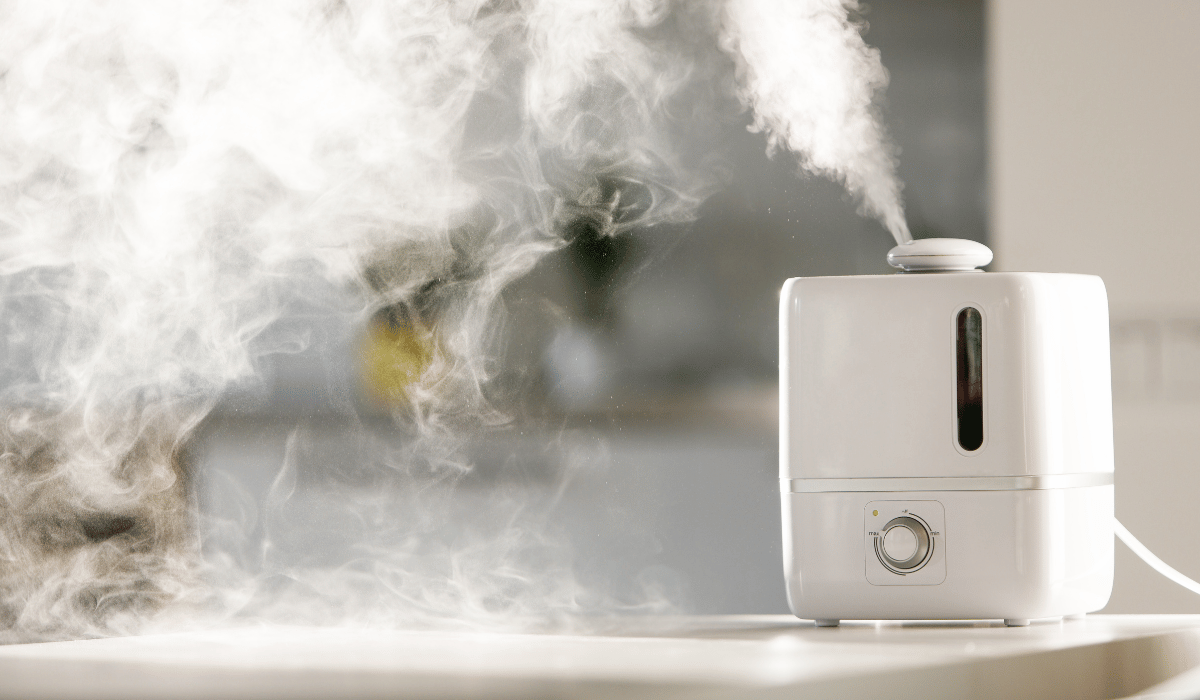
Humidifiers offer more than just comfort; they also provide significant health benefits, especially during winter when dry air can lead to various issues.
Preventing Dry Throat and Respiratory Discomfort
Dry air in winter can cause discomfort in the throat, making it dry and scratchy.
By maintaining proper humidity, a humidifier helps keep your throat and respiratory system moist, preventing irritation.
This is especially helpful for individuals who suffer from allergies, asthma, or respiratory infections during the colder months.
Easing Sinus Congestion
Dry air can contribute to sinus congestion and discomfort.
Humidity control devices add moisture to the air, which helps prevent nasal passages from drying out.
This moisture keeps your sinuses hydrated, reducing congestion and pressure, and helping you breathe easier.
Supporting Better Sleep
A humidifier can also improve your sleep quality.
Dry air often causes snoring, dry mouth, and irritated airways, making it difficult to sleep comfortably.
By using a humidifier, you can maintain the proper moisture levels in your airways, making it easier to sleep through the night.
This is especially beneficial for those who suffer from snoring or sleep apnea, as moist air can alleviate these symptoms.
Humidifiers for Skin Health in Winter
In addition to the respiratory benefits, using a humidifier during winter can work wonders for your skin.
Dry air is one of the main culprits behind flaky, irritated skin during colder months, but a humidifier for skin health can help mitigate these issues.
Preventing Dry, Cracked Skin
When the air is dry, your skin loses moisture rapidly, causing it to become dry, cracked, and irritated.
Using a humidifier adds moisture to the air, which helps your skin retain moisture and stay hydrated.
This prevents dry patches and makes your skin feel soft and smooth.
Improving Eczema and Dermatitis
For people with eczema or dermatitis, winter can be a particularly tough time.
The dry air aggravates these skin conditions, causing flare-ups and discomfort.
By keeping the air moist, a humidifier can help reduce the symptoms of eczema and dermatitis, allowing you to manage your skin better throughout the winter.
Benefits for Hair Health
Just like your skin, your hair can also suffer from the lack of moisture in winter.
Dry air can make hair brittle, leading to split ends and breakage.
Humidifiers help prevent these issues by maintaining a level of moisture in the air that helps keep your hair soft, shiny, and healthy.
How to Select the Ideal Humidifier for Winter Comfort and Health
Choosing the right humidifier for winter is essential for ensuring optimal indoor air quality and comfort.
Depending on the size of the space and specific needs, selecting the appropriate humidifier can make a significant difference in maintaining healthy humidity levels during the colder months.
Below are the key types of humidifiers to consider for professional, long-term solutions:
Types of Humidifiers
There are several types of humidifiers available, each designed to meet specific needs and preferences.
Understanding the different options can help you choose the best humidifier for maintaining a comfortable and healthy indoor environment during the winter months.
Evaporative Humidifiers
Evaporative humidity control systems are the most common and cost-effective option for residential use.
These devices use a wick filter to absorb water, and a fan blows air through the filter to release moisture into the air, ensuring efficient and consistent humidification.
Ultrasonic Humidifiers
Ultrasonic humidifiers work by emitting high-frequency sound waves to produce a fine mist of water, which is then released into the air.
These units are highly regarded for their quiet operation and energy efficiency, making them ideal for bedrooms or living spaces.
Warm-Mist vs. Cool-Mist Humidifiers
Warm-mist humidifiers heat water to produce steam, providing a soothing and warm mist.
In contrast, cool-mist humidity regulators release moisture at room temperature.
Both options offer unique benefits depending on user preference and the specific needs of the space.
Key Factors to Consider When Choosing Humidifiers
When selecting a humidifier, it’s important to evaluate the size of the room, the humidity requirements, and the type of humidifier that best suits your lifestyle.
Additionally, consider maintenance needs, noise levels, and any special features that could enhance your overall experience.
- Room Size: Larger rooms require more powerful humidity control systems to ensure even moisture distribution.
- Maintenance: Some humidifiers require regular cleaning and filter changes to prevent bacteria and mold buildup.
- Additional Features: Some models come with built-in humidity sensors, automatic shut-off features, and air purifiers for added convenience.
Other Tips for Winter Comfort
In addition to using a humidifier for winter, there are a few other strategies that can improve your comfort during the colder months:
- Combine with Moisturizing Products: While a humidifier adds moisture to the air, it’s important to also use moisturizers and lip balms to help prevent dry skin. Drinking plenty of water also helps keep your skin hydrated from the inside.
- Avoid Hot Showers: Although hot showers may feel great in winter, they can strip moisture from your skin. Instead, try using lukewarm water and limit your time in the shower to maintain your skin’s natural moisture balance.
- Adjust Your Thermostat: Keeping your home at a comfortable temperature (around 68-72°F) reduces the need for excessive heating, which can dry out the air even more.
Conclusion
The benefits of using humidifiers in winter are undeniable.
From improving the air quality to supporting your skin, respiratory system, and overall comfort, humidifiers make a significant difference during the colder months.
If you’re experiencing dryness, irritation, or discomfort, investing in a high-quality humidifier could be the solution to creating a more comfortable and healthier indoor environment.
Improve Your Home’s Comfort with the Right Humidifier
Don’t let winter dryness affect your health or comfort.
At Holtkamp HVAC & Plumbing, we offer a wide selection of high-quality humidifiers for winter that can help maintain optimal indoor air quality.
By investing in the right humidifier, you can reduce dry skin, improve sleep quality, and enhance your respiratory health.
Get expert recommendations to find the perfect humidifier tailored to your home’s needs, ensuring a comfortable environment all season long.
Contact us today to learn more and find the ideal solution for your home.
Frequently Asked Questions
How do humidifiers help with dry skin in winter?
Humidity control devices help by adding moisture to the air, which prevents your skin from becoming dry and flaky. When the air is too dry, your skin loses moisture rapidly, leading to cracks and irritation. By keeping the indoor air at optimal humidity levels, a humidifier ensures that your skin remains hydrated and smooth, reducing the appearance of dry patches and preventing the discomfort that comes with them.
Can using a humidifier improve my sleep?
Yes, using a humidifier can significantly improve sleep quality. Dry air often causes nasal congestion, dry throats, and mouth breathing, all of which can disrupt sleep. A humidifier keeps your airways moist, reducing snoring and discomfort, allowing for easier breathing and a more restful night’s sleep. It also helps prevent waking up with a sore throat or dry mouth, making for a much more comfortable sleep experience.
Are there any health benefits to using a humidifier?
Atmospheric conditioners offer several health benefits, particularly during the dry winter months. They help maintain moisture in your respiratory system, which can reduce symptoms like dry throats, nosebleeds, and congestion. Keeping the airways hydrated also helps to ease sinus pressure and cold symptoms.
Can a humidifier prevent static electricity in my home?
Yes, using a humidifier can help reduce the occurrence of static electricity in your home. Dry air, which is common during the winter, is a key contributor to the buildup of static charges. When you increase the moisture levels in the air with a humidifier, it makes it harder for static charges to accumulate, thus preventing the sudden shocks that occur when you touch metal objects or other people.
Is it safe to leave a humidifier on all night?
Yes, it is generally safe to leave a humidifier on all night, especially if it has an automatic shut-off feature when the water level is low. This ensures that the humidifier won’t run dry and damage the unit. However, it is important to regularly clean your humidifier to prevent the buildup of mold, bacteria, and other contaminants, which can spread into the air.
What’s the best humidity level for my home in winter?
The ideal indoor humidity level for winter is between 30% and 50%. This range provides a comfortable environment for most people while also helping to prevent the adverse effects of both too little and too much moisture in the air. When humidity levels are too low, it can cause dry skin, respiratory discomfort, and static electricity.
Do humidifiers help with cold and flu symptoms?
Yes, humidifiers can help ease cold and flu symptoms by keeping the airways hydrated and reducing dryness in the nasal passages and throat. Dry air can worsen symptoms like coughing, nasal congestion, and sore throats. By adding moisture to the air, a humidifier helps alleviate irritation, reduces the likelihood of nosebleeds, and helps mucus flow more easily, making it easier to breathe.