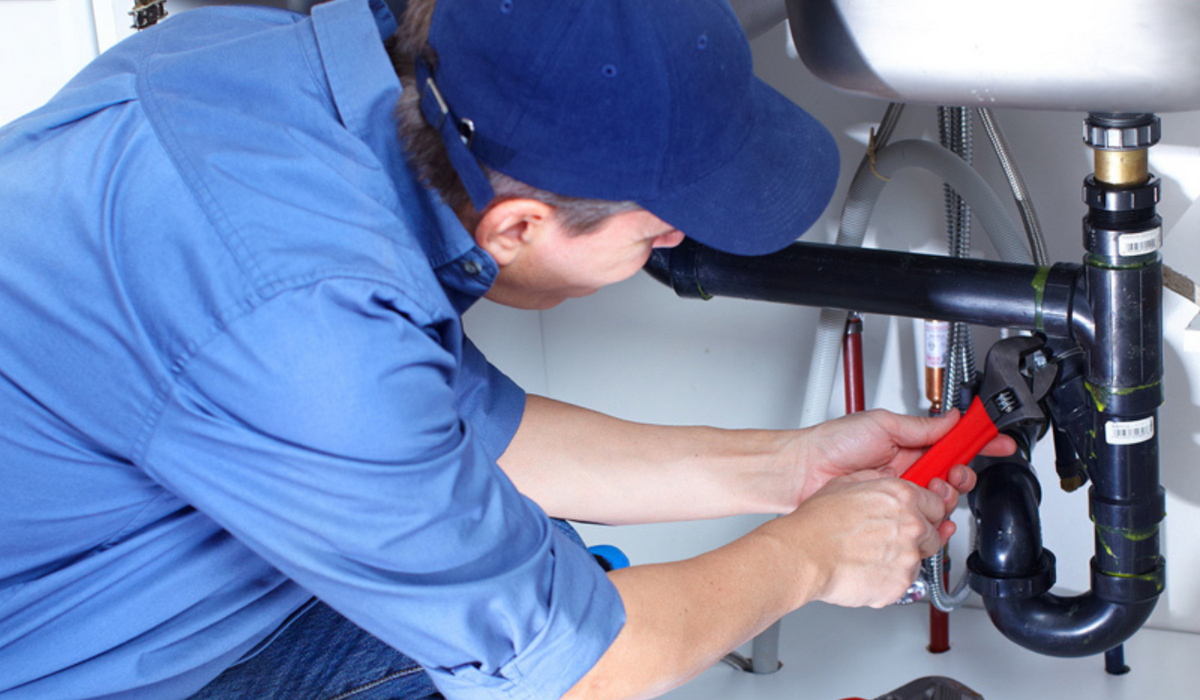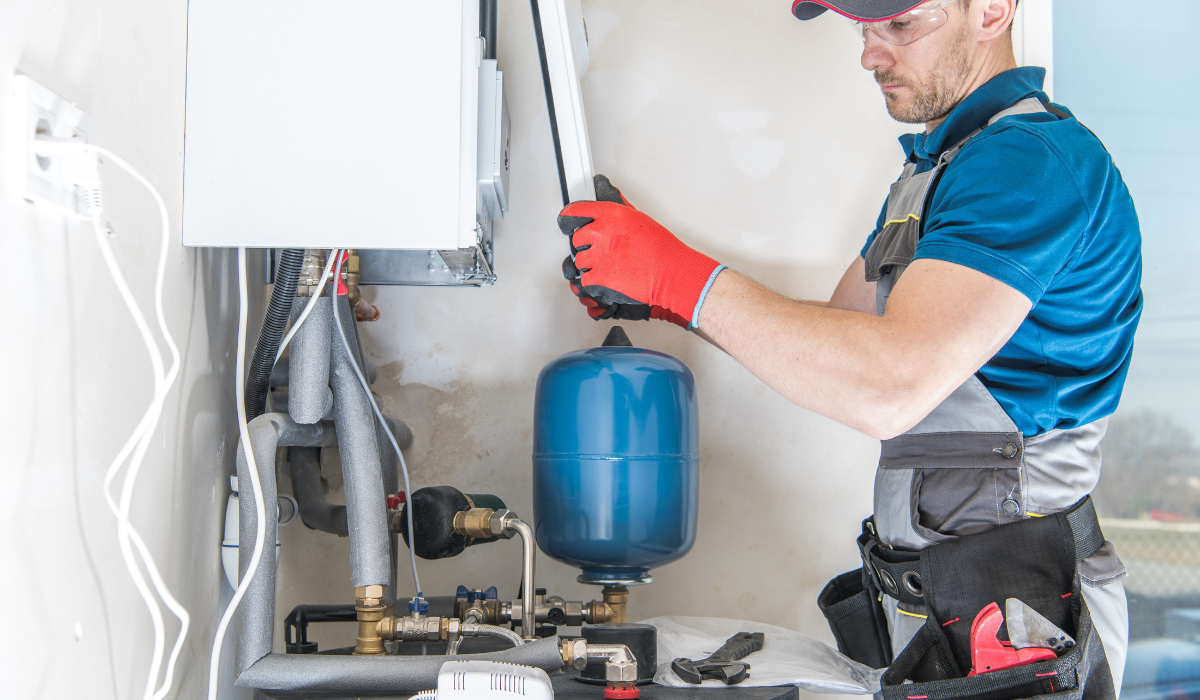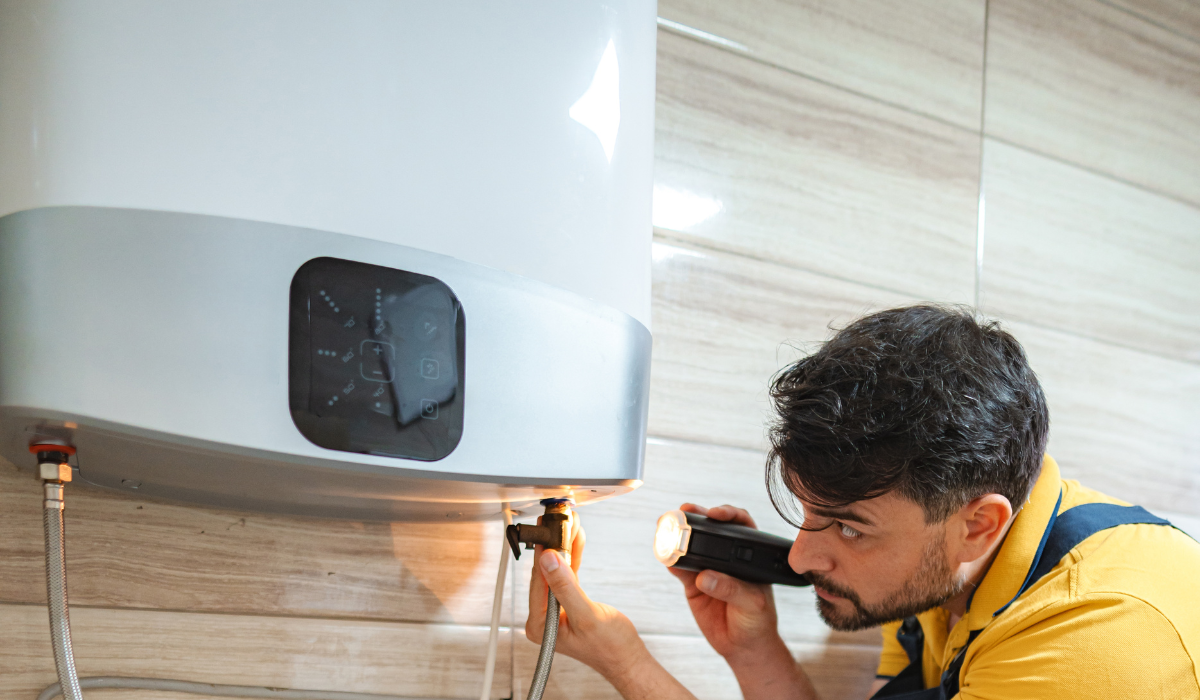



Many homeowners consider DIY water heater installation after watching a few videos online or reading quick guides.
The idea of saving money and finishing the job in a weekend can be tempting.
But replacing a water heater, including disconnecting the old unit and connecting a new appliance, is one of the most complex systems in your home.
It connects plumbing lines, gas or electrical power, ventilation, pressure controls, and safety valves.
A mistake in any one of these areas can put your home, your family, and your finances at risk.
What often begins as a cost-saving project can quickly turn into expensive repairs, safety hazards, or even emergencies.
This guide explains the real dangers of installing a water heater yourself, the most common water heater installation mistakes, and why professional installation is the safer long-term choice for homeowners.
What are the Drawbacks of DIY water heater installation?
You need to know that water heaters operate under constant pressure and high temperatures.
Gas units involve combustion and ventilation, while electric models carry serious shock risks.
In Suwanee, GA, installation must also meet strict local plumbing and building codes.
Unlike many DIY home projects, water heater installation allows little room for error.
Problems often do not appear immediately. Instead, they develop slowly, especially if problems are related to gas leaks, hidden water damage, poor ventilation, or internal stress on the system.
By the time warning signs appear, the damage is already done.
Understanding these risks helps homeowners make informed decisions before attempting a DIY installation.
If you’re thinking of the disadvantages of installing a water heater by yourself, you are in the right place.
In this article, we’ll explore some of the key disadvantages of a self-installed water heater setup, the mistakes or issues that are associated with it, and why you should choose a professional company to address them.
Serious Safety Risks to Your Home and Family
One of the biggest DIY water heater risks is personal and household safety.
Improper installation can lead to gas leaks, electrical hazards, or excessive pressure inside the tank.
Gas water heaters pose an especially high risk. Incorrect gas line connections or faulty shutoff valves can allow gas to escape silently.
Even small leaks increase the risk of fire or explosion.
Poor ventilation can also cause carbon monoxide to build up indoors, creating a serious health hazard.
Electric water heaters carry their own dangers, such as improper wiring, incorrect breaker sizing, or missing grounding, which can lead to shock hazards or electrical fires.
Temperature mismanagement can also result in hot water problems and increase the risk of scalding injuries.
These are dangers of installing a water heater yourself, and in order to attain maximum safety, choosing professional installation is necessary to follow strict safety checks at every step.
Water Heater Fitting Mistakes Can Cause Costly Water Damage
Water damage is one of the most common consequences of non-professional installation.
Small connection errors may not be noticeable at first, but they can cause leaks after some time and damage your floors, walls, and foundations.
Common water heater installation mistakes include loose fittings, improper pipe materials, incorrect soldering, or poorly sealed connections.
Pressure relief valves are another frequent problem. When installed incorrectly, they fail to release pressure properly, enhancing the risk of tank damage or rupture.
What starts as a slow drip can lead to mold growth, structural damage, and costly repairs, and that’s why most homeowners face high costs of professional installation.
Code Violations and Failed Inspections
Most water heater installations require permits and must comply with local plumbing, electrical, and gas codes.
DIY installations frequently miss these requirements.
Improper venting, missing expansion tanks, incorrect drain pans, or improper electrical connections can all result in code violations.
These issues may surface during home inspections, insurance claims, or property sales.
Failed inspections can force homeowners to pay fines for the entire installation.
In some cases, insurance providers may deny claims related to unpermitted or non-compliant work.
By choosing professional installers, you can ensure that every detail meets current safety and code standards.
Reduced Efficiency and Higher Energy Bills
Don’t be happy if a DIY installation appears successful because of performance issues later.
Incorrect sizing, poor insulation, or improper venting can reduce efficiency and increase energy costs.
This problem makes it challenging for households to fulfill their unique demands.
Another con of DIY water heater fitting is an oversized unit or an incorrect setup that consumes more energy, makes the system inefficient, and shortens its lifespan.
Expert water heater installation ensures the system is properly sized, calibrated, and installed to operate at peak efficiency. Overall, it saves homeowners from the biggest safety hazards and unnecessary future spending.
Voided Manufacturer Warranties
Many manufacturers require professional installation for warranty coverage.
DIY installation often voids these warranties, leaving homeowners responsible for all future repair or replacement costs.
If the tank fails prematurely or a component malfunctions, the manufacturer may deny coverage due to improper installation.
This is especially costly with modern high-efficiency or tankless systems, where replacement parts can be expensive.
Professional installation protects your investment by keeping warranty coverage intact and ensuring manufacturer guidelines are followed.
Hidden Gas, Electrical, and Ventilation Hazards
Some of the most dangerous DIY water heater hazards are hidden from view. Improper gas line sizing can starve the burner or create pressure issues.
Electrical overloads may not trip breakers immediately but can damage wiring over time.
Ventilation problems are especially dangerous. Poor venting can cause exhaust gases to flow back into the home rather than safely exiting outdoors.
This backdrafting reduces air quality and increases the risk of carbon monoxide exposure.
Professional installers use specialized tools and testing procedures to detect and prevent these hidden dangers before they become serious problems.
DIY Water Heater Repairs Often Make Problems Worse
After installation, homeowners may attempt DIY water heater repairs when issues arise.
Unfortunately, quick fixes often mask deeper problems rather than solving them.
Temporary patches, incorrect replacement parts, or misdiagnosed issues can stress the system and lead to sudden failures.
Repeated DIY repairs can also ignore warranties and increase the risk of emergency breakdowns.
Professional technicians diagnose root causes and address issues correctly for the first time and prevent repeat failures and unexpected disruptions.
Water Heater Installation Shortcuts Can Make You Dead
Water heater installation is not a place to cut corners.
According to Holtkamp HVAC & Plumbing professionals, improper or DIY water heater installations have been linked to explosions, fires, carbon monoxide poisoning, and even deaths.
What may seem like a small shortcut can turn into a life-threatening mistake.
Here’s why taking risks with hot water installation can put lives in danger:
Gas buildup can explode
Poorly connected gas lines or faulty shutoff valves allow gas to leak silently. One spark is enough to cause a powerful explosion that can destroy parts of a home.
Carbon monoxide can go unnoticed
Incorrect venting traps toxic gases indoors. Carbon monoxide has no smell and no warning signs, making it especially dangerous while people are sleeping.
Pressure failures can turn tanks into missiles
When temperature and pressure relief valves are installed incorrectly or skipped, pressure can build until the tank violently ruptures.
Electrical shortcuts increase fire risk
Improper wiring, grounding errors, or overloaded circuits can overheat and ignite nearby materials.
Make sure shortcuts don’t save money, but a professional installation can surely save lives as well as your hard-earned money.
Final Thoughts
As discussed above, installing a water heater can put your life at risk, and there are other safety hazards and long-term cost drawbacks associated with it.
Choosing installation from an HVAC and professional plumbing services company in Gwinnett County and other service areas can protect your home, your family, and your investment.
When it comes to something as essential as hot water, peace of mind is always worth it.
Why Should You Rely Upon Holtkamp HVAC & Plumbing?
We have spent our whole life in professional heater installation.
With our licence for water heater fitting, repair, and maintenance, we ensure that your job is done with care and precision.
Our services come with proper sizing, secure connections, code compliance, and complete safety checks.
As one of the top HVAC & plumbing services company in Gwinnett County and Suwanee, GA, we understand how each component interacts with the rest of your home’s systems.
From pressure regulation to ventilation and energy efficiency, every detail matters for us.
With our teams, you can eliminates guesswork and reduces the risk of future problems.
We install gas, electric, and tankless water heaters with a focus on long-term reliability, efficiency, and safety.
Every installation is completed to professional standards, giving homeowners confidence that their system is built to last.
Frequently Asked Questions
Is DIY water heater installation legal?
In many areas, heater installation requires permits and approved inspections to meet plumbing, gas, and electrical codes. While some locations technically allow homeowners to perform the work, the installation must still pass inspection. DIY heating installations often fail to meet these standards, which can lead to fines, failed inspections, or issues when selling or insuring your home.
What is the biggest danger of installing a water heater yourself?
The most serious risks include gas leaks, electrical hazards, and excessive pressure inside the tank. These issues can result in fires, carbon monoxide exposure, or even explosions if safety components are installed incorrectly. Many of these dangers are not immediately visible, making them especially risky for homeowners.
Can DIY installation void my warranty?
Yes, many water heater manufacturers require installation by a licensed professional to keep the warranty valid. If a unit fails due to improper installation, the manufacturer may deny coverage for parts or replacement. This can leave homeowners responsible for the full cost of repairs or a new system.
Are DIY water heater repairs safer than installation?
DIY repairs may seem safer, but they still carry significant risks if done incorrectly. Temporary fixes can hide deeper problems, increase stress on the system, and lead to sudden failures. Incorrect repairs can also void warranties and create long-term safety concerns.
How long should a professionally installed water heater last?
With professional installation and routine maintenance, most water heaters last significantly longer than DIY-installed units. Proper setup ensures correct pressure, temperature control, and efficiency, helping the system operate reliably while reducing energy costs and unexpected breakdowns.