


Gas line emergency plumbing services are not something homeowners think about until a serious warning sign appears.
Unlike water leaks or clogged drains, gas line problems create immediate safety threats to your home, your health, and everyone inside it.
Even a small leak can escalate quickly into a dangerous situation involving fire, explosion, or carbon monoxide exposure.
Many gas line emergencies begin with subtle clues.
A faint odor, an unusual sound, or an unexplained increase in gas bills may seem minor at first.
However, these can be early gas leak warning signs that point to a developing issue requiring fast action.
Knowing when to call emergency plumbing services can prevent serious property damage, medical emergencies, and costly repairs.
This guide explains common gas line problems, the risks of ignoring them, and exactly when professional emergency help is needed.
Why Gas Line Problems Are Considered Plumbing Emergencies
Gas line issues are classified as emergencies because they can become life-threatening in minutes.
Water damage is destructive, but it typically takes time to spread.
Gas is different. It can ignite instantly or displace oxygen in enclosed spaces, creating danger almost immediately.
Natural gas is highly flammable and unpredictable once it escapes from damaged lines.
A single spark from an appliance, a light switch, or even static electricity can trigger a fire or explosion.
Even without ignition, exposure can cause headaches, dizziness, nausea, and breathing difficulties.
These gas line safety risks are the reason gas issues are never “wait and see” problems. They require urgent, professional attention.
Common Signs Something Is Wrong With Your Gas Line
Gas line problems often present warning signs before a major incident occurs.
Recognizing these signs of gas line problems early gives you the best chance to protect your home and avoid emergency repairs.
While gas-related issues are especially dangerous, homeowners should also understand the broader signs you need emergency plumbing services, such as slow drains or foul smells, which can indicate serious underlying plumbing problems.
Rotten Egg or Sulfur Smell in the Home
Natural gas is odorless, but suppliers add a sulfur-like scent so leaks can be detected. If you notice even a faint rotten egg odor, it may indicate a gas line leak emergency.
The smell may be strongest near a stove, water heater, furnace, or gas meter, but it can spread throughout the home quickly.
Never assume the smell will go away. Any gas smell in the house should be treated seriously and acted on immediately.
Hissing or Whistling Sounds Near Gas Appliances
Gas escaping under pressure often produces a hissing or whistling noise.
This sound is commonly heard near gas stoves, furnaces, water heaters, or exposed gas lines.
It is one of the most urgent gas pipe damage symptoms because it often means gas is actively escaping from a connection or compromised pipe.
If you hear hissing, do not try to locate the leak yourself. Call an emergency plumber for gas line issues right away.
Dead or Dying Plants Near Gas Lines
Outdoor leaks can kill vegetation by displacing oxygen in the soil.
If grass or plants suddenly die in a line pattern across the yard while surrounding areas remain healthy, an underground leak may be present.
These leaks can be harder to detect but are still dangerous.
Gas can travel and enter the home through foundation cracks, crawlspaces, or utility entry points.
Unexplained Increase in Gas Bills
A sudden spike in gas usage without changes in household routines often points to a hidden leak.
Escaping gas forces appliances or systems to work harder, wasting energy and increasing monthly costs.
While a higher bill may not seem urgent, it’s often one of the early warning signs that something is wrong behind the scenes.
Physical Symptoms in Occupants
Gas exposure can cause headaches, dizziness, fatigue, nausea, or shortness of breath.
These symptoms often worsen indoors and improve once occupants step outside.
If multiple people in the home experience similar symptoms, it may indicate a natural gas plumbing emergency.
In this situation, safety comes first. Evacuate and call for professional help.
What Causes Gas Line Emergencies?
Gas line emergencies usually stem from aging infrastructure or external stress.
Older homes often have gas pipes that corrode or weaken over time, increasing the risk of leaks.
Improper installation or unlicensed past repairs can also create vulnerable joints that fail unexpectedly.
Construction work, landscaping, and foundation movement can damage underground or concealed gas lines.
Extreme weather, freezing temperatures, and soil shifting may also contribute to pipe damage. Even minor disturbances can lead to a major gas line repair emergency.
Gas Line Issues That Require Immediate Emergency Plumbing Services
Some gas line problems should never wait. Strong gas odors indoors always require emergency plumbing services.
Visible damage to gas pipes or fittings is another clear sign of danger.
Gas smells combined with appliance malfunctions, pilot light issues, or sudden shutdowns signal a high-risk situation.
Leaks near furnaces, stoves, or water heaters are especially dangerous because ignition sources are nearby. In these cases, immediate professional help is essential.
When to Evacuate vs When to Call an Emergency Plumber
Knowing how to respond safely can prevent injury. If you smell strong gas, hear loud hissing, or experience symptoms of exposure, evacuate immediately.
Leave the building, avoid using electrical switches or phones inside, and call emergency plumbing services from a safe distance.
If the odor is mild but persistent and no immediate danger is present, you should still contact an emergency plumber for gas line inspection.
Early intervention can prevent escalation and reduce repair costs.
What Happens During an Emergency Gas Line Inspection
Emergency plumbers prioritize safety first.
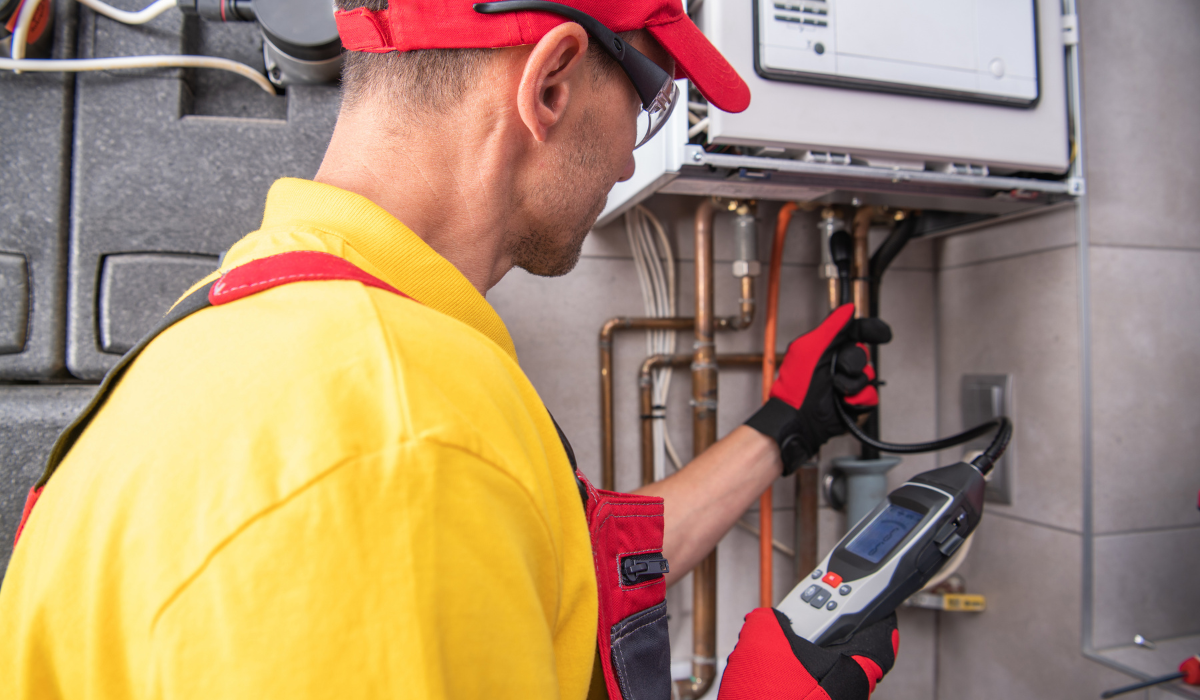
They assess the situation, locate the source of the leak, and determine whether the gas supply needs to be shut off.
Specialized detection tools help pinpoint leaks accurately.
Pressure testing may be used to evaluate the condition of the gas line. Based on the findings, the plumber will recommend repair or replacement.
All work is completed according to safety codes to ensure the system is secure before gas service is restored.
Why You Should Never Attempt DIY Gas Line Repairs
Gas line repairs should never be handled without proper training. Even small mistakes can result in serious hazards.
Improper repairs may violate safety codes and create hidden risks that worsen over time.
Insurance claims can be denied if unlicensed work is discovered after an incident. Most importantly, DIY repairs put lives at risk.
Licensed emergency plumbers have the tools, training, and certifications required to handle gas line emergencies safely.
Long-Term Risks of Ignoring Gas Line Problems
Ignoring gas line issues increases the risk of fire, explosion, and carbon monoxide exposure.
Small leaks often grow larger, making future repairs more expensive and dangerous.
Structural damage may occur if gas leaks affect soil stability or building materials. Appliances can lose efficiency or fail entirely.
Addressing warning signs early helps avoid these long-term consequences.
How Emergency Plumbing Services Protect Your Home and Family
Emergency plumbing services are designed to respond quickly and reduce risk.
Fast containment prevents gas buildup and minimizes property damage.
Professional repairs restore system integrity and ensure compliance with safety standards.
Thorough testing confirms that leaks are fully resolved before service is restored.
Proper documentation also supports insurance claims and future inspections.
Preventing Future Gas Line Emergencies
Regular professional inspections help identify aging pipes and weak connections before failures occur.
Routine appliance maintenance ensures gas fittings remain secure and function properly.
Homeowners should watch for changes in odor, unusual sounds, or unexpected increases in gas usage.
Replacing outdated gas lines proactively is often safer and more cost-effective than waiting for an emergency.
Homeowners can further reduce risk by following proven gas line safety tips for homeowners, including proper appliance use, scheduled inspections, and recognizing early warning signs before emergencies develop.
When to Call Emergency Plumbing Services for Gas Line Problems
You should call emergency plumbing services immediately if you notice gas odors, hear hissing sounds, experience unexplained symptoms, or suspect gas line damage.
Gas line safety depends on quick decision-making.
When in doubt, it is always safer to treat the situation as an emergency and seek professional help.
Final Thoughts
Gas line problems are never minor inconveniences.
They are serious safety concerns that require immediate attention. Acting quickly protects your home, your family, and your investment.
If you notice any wa rning signs of a gas line leak emergency, do not wait.
Instead of this, you can contact us at Holtkamp HVAC & Plumbing for professional emergency plumber services right away to ensure the issue is handled safely and correctly.
With our early action, you can prevent dangerous outcomes and give yourself peace of mind.
Frequently Asked Questions
Is a gas smell always an emergency?
Yes, any gas smell should be treated as an emergency. Even a faint odor can indicate a leak that may worsen quickly. Gas buildup can ignite suddenly or cause health issues, so professional evaluation is always necessary.
Can a gas leak make you sick?
Yes, exposure to leaking gas can cause headaches, dizziness, nausea, fatigue, and breathing problems. Prolonged exposure increases the risk of serious health complications, especially in enclosed spaces with limited ventilation.
Should I shut off my gas before calling a plumber?
Only shut off the gas if it can be done safely without using electrical switches or tools. If you are unsure, evacuate immediately and allow emergency plumbing services to handle the situation safely.
How fast can a gas leak become dangerous?
A gas leak can become dangerous within minutes, particularly indoors. Gas accumulates quickly in enclosed areas, increasing the risk of explosion or oxygen displacement.
Are outdoor gas leaks as dangerous as indoor ones?
Yes, outdoor leaks can migrate indoors through foundations or utility openings. They can also damage soil and nearby structures, making them just as dangerous over time.
Will insurance cover gas line repairs?
Coverage depends on your policy and the cause of the damage. Prompt professional repairs and documentation improve the chances of a successful insurance claim.
Can older homes have hidden gas leaks?
Yes, older homes are more likely to have aging gas lines that corrode or loosen over time. Hidden leaks behind walls or underground are common in older properties.
How often should gas lines be inspected?
Gas lines should be inspected periodically, especially in older homes or after renovations. Regular inspections help catch small issues before they turn into emergencies.