


Heating installations in churches require a specialized approach due to the size, structure, and usage patterns of worship spaces.
Unlike homes or traditional commercial buildings, churches feature large sanctuaries, high ceilings, intermittent occupancy, and architectural designs that make conventional heating methods inefficient and costly.
Choosing the right heating system is essential to maintaining comfort for congregations while controlling long-term energy expenses.
This guide explores practical, energy-efficient church heating systems that work in real-world conditions, helping churches balance comfort, stewardship, and operational efficiency.
Why Church Heating Requires a Specialized Strategy
Church buildings are designed for gathering, reflection, and community not for energy efficiency.
Large open sanctuaries, vaulted ceilings, stained glass windows, and minimal insulation in older buildings all contribute to heat loss and uneven temperature distribution.
Traditional forced-air systems often struggle in these environments, pushing warm air upward instead of where people sit.
Effective heating solutions for churches must focus on how heat is delivered, where it is needed, and when the building is occupied.
Unique Heating Challenges in Church Buildings
Church buildings present distinct heating challenges that are rarely seen in residential or standard commercial spaces.
Architectural design, scale, and age all influence how heat moves within a sanctuary, often making traditional systems inefficient.
One of the most impactful factors affecting church heating performance is the sheer size and vertical openness of worship spaces.
Large Interior Volumes and High Ceilings
Most sanctuaries contain expansive interior spaces with significant vertical height.
Warm air naturally rises, leaving seating areas cool while heat accumulates near the ceiling.
This inefficiency increases energy usage without improving comfort.
Intermittent Occupancy Patterns
Churches are not occupied continuously. Weekend services, mid-week meetings, and seasonal events create fluctuating heating demands.
Systems designed for constant operation often waste energy during unoccupied periods.
Historic and Architectural Limitations
Many churches are historic structures with limited ability to add ductwork or modern insulation.
Heating installations must respect architectural integrity while improving performance.
Why Energy-Efficient Church Heating Matters
Heating decisions play a critical role in how churches manage resources, care for their congregations, and plan for the future.
An energy-efficient approach goes beyond reducing utility bills.
It supports responsible stewardship, improves the worship experience, and reflects long-term values that extend beyond the building itself.
Financial Stewardship
Energy costs represent a significant portion of church operating budgets.
Energy-efficient church heating systems reduce monthly expenses and allow funds to be redirected toward ministry and outreach.
Comfort for Congregations
Cold seating areas, drafts, and inconsistent temperatures negatively affect the worship experience.
A properly designed church HVAC installation ensures comfort without overheating unused spaces.
Long-Term Sustainability
Energy-efficient systems reduce environmental impact and align with sustainability goals many congregations value.
Common Church Heating Systems Explained
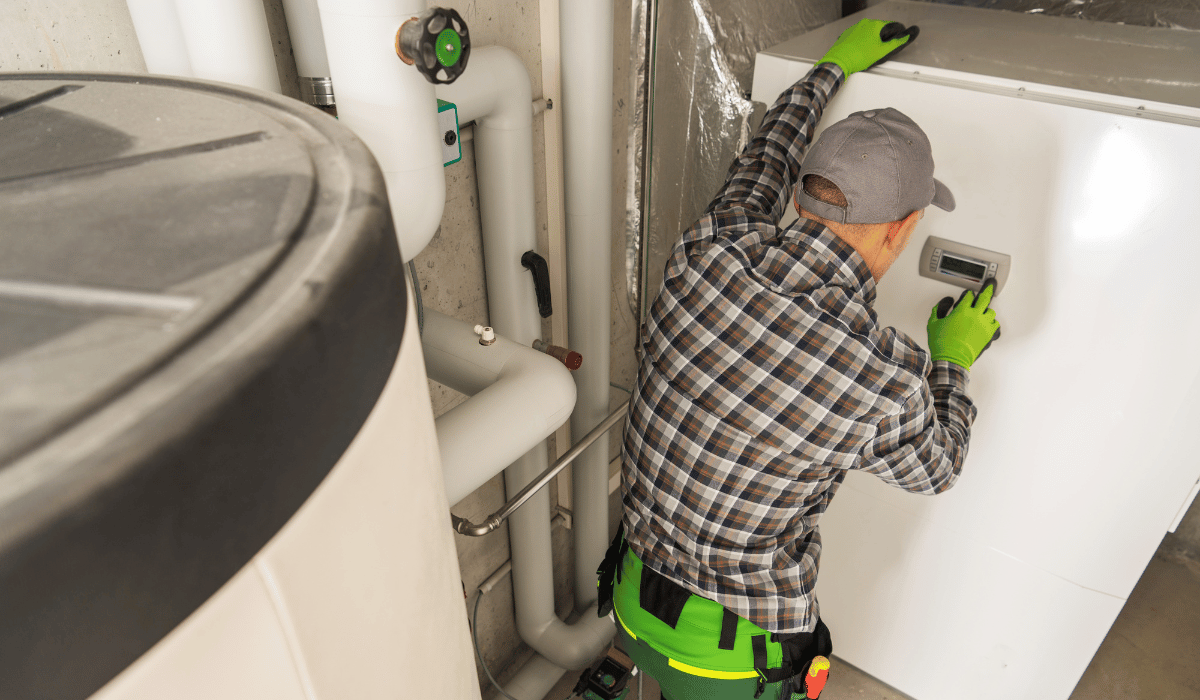
Church heating systems are not one-size-fits-all solutions.
Building size, ceiling height, architectural design, climate conditions, and how often spaces are used all influence how well a system performs.
Understanding how different systems operate and where they fall short helps churches make informed decisions that balance comfort, efficiency, and long-term operating costs.
Forced-Air Heating Systems
Forced-air systems heat air and distribute it through ductwork using fans and vents.
While this approach is widely used in residential and commercial buildings, it often struggles in large worship spaces.
Warm air naturally rises, causing heat to collect near the ceiling while seating areas remain cooler.
This phenomenon, known as heat stratification, leads to uneven temperatures and frequent thermostat adjustments.
In churches with high ceilings and large sanctuaries, forced-air systems also require longer warm-up times before services.
To compensate, systems are often run at higher output or for extended periods, which increases energy consumption and utility costs.
Without supplemental solutions or zoning controls, forced-air heating alone may provide limited comfort while driving higher operating expenses.
Boiler and Hydronic Heating Systems
Boiler and hydronic heating systems use heated water to deliver warmth through radiators, baseboards, or in-floor piping.
These systems are known for producing steady, consistent heat and can be effective in church offices, classrooms, and areas with regular occupancy.
Radiant heat from hydronic systems can improve comfort by warming surfaces rather than relying solely on air movement.
However, boiler systems typically respond slowly to temperature changes.
This slower response makes them less suitable for sanctuaries that are used intermittently, such as for weekend services or special events.
Heating a large space from a cold start can take considerable time and energy, reducing efficiency.
While hydronic systems can play a valuable role within a church heating strategy, they often work best when paired with zoning or supplemental heating solutions designed for large, open worship areas.
Heat Pumps for Churches
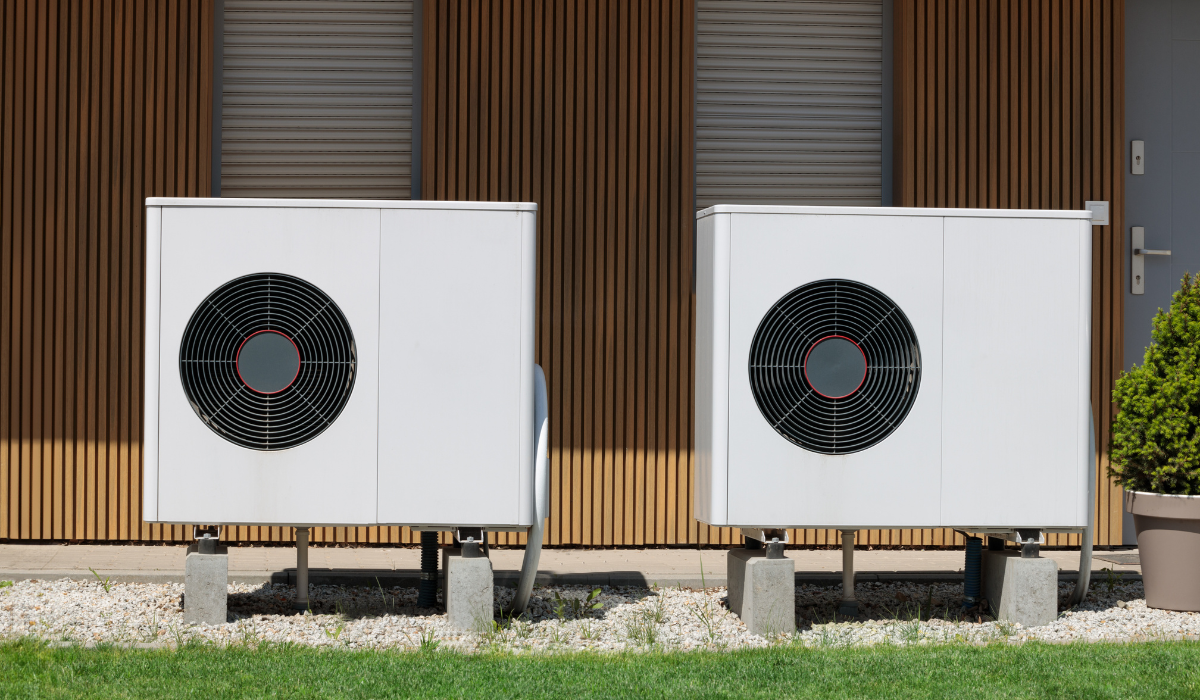
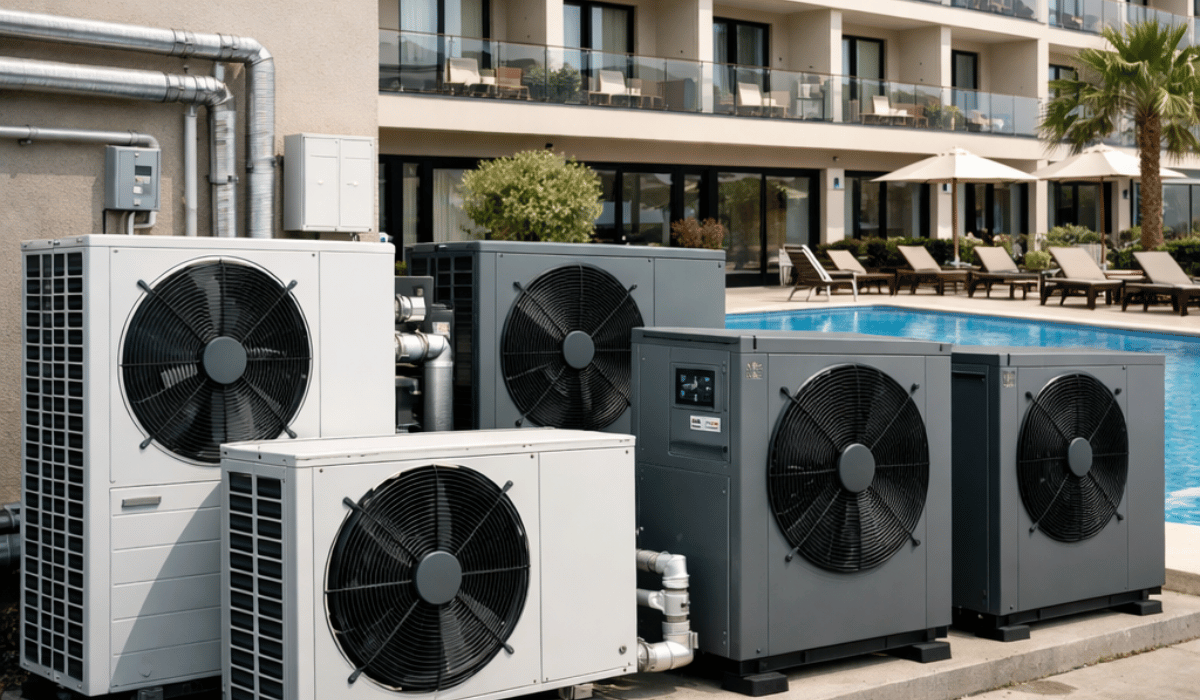
Heat pumps provide an energy-efficient heating option for many areas within a church, particularly in regions with moderate winter temperatures.
Instead of generating heat through combustion, heat pumps transfer existing heat from the outdoor air or ground into the building, allowing them to operate with significantly lower energy consumption compared to traditional systems.
This efficiency makes them well suited for church offices, classrooms, meeting rooms, and administrative spaces that require consistent comfort throughout the week.
However, heat pumps can face performance limitations in large sanctuaries, especially during colder weather.
As outdoor temperatures drop, the system’s ability to extract heat decreases, requiring longer run times or auxiliary heating to maintain comfortable conditions.
High ceilings and large interior volumes further reduce effectiveness, as warm air can rise away from seating areas.
For this reason, heat pumps are often most effective when used as part of a hybrid church heating system, paired with radiant or infrared solutions that provide targeted warmth in large worship spaces.
Infrared Heating for Churches: A Highly Efficient Solution
Infrared heating for churches delivers radiant heat directly to people and surfaces rather than warming the air.
This approach is especially effective in large space heating solutions where traditional systems lose efficiency.
- Benefits of Infrared Church Heating: Infrared systems reduce heat loss caused by high ceilings, provide rapid warm-up times before services, and support cost-effective church heating by operating only when needed.
- Ideal Applications in Churches: Infrared heating works exceptionally well in sanctuaries, fellowship halls, entryways, and overflow seating areas where direct, targeted warmth improves comfort immediately.
Radiant Heating vs. Traditional Heating Systems
- Improved Heat Distribution: Radiant heating for churches delivers even warmth across seating areas, eliminating cold spots and drafts common with forced-air systems.
- Enhanced Church Heating Efficiency: By heating occupants instead of air, radiant systems reduce runtime and energy consumption, directly supporting efforts to reduce church heating costs.
- Flexible Installation Options: Radiant and infrared systems can be ceiling-mounted or wall-mounted, making them suitable for both new construction and retrofit projects.
Zoning and Control Strategies for Church Heating Efficiency
Zoning allows different areas of a church to be heated independently. Sanctuaries, offices, classrooms, and fellowship halls all have unique heating needs.
- Smart Controls and Scheduling: Programmable thermostats and smart controls ensure heating systems operate only during scheduled events, preventing unnecessary energy usage.
- Integrating With Existing Systems: Zoning can often be added to existing church heating installations, improving efficiency without full system replacement.
Retrofitting Older Churches With Modern Heating Solutions
- Evaluating Existing Systems: A professional assessment by Holtkamp HVAC & Plumbing, it becomes possible to identify which system components can be reused and where targeted upgrades will deliver the greatest efficiency gains.
- Preserving Architectural Integrity: Modern heating solutions for churches can be installed discreetly, preserving historic interiors while improving comfort.
- Phased Upgrade Approaches: Churches can implement heating upgrades in stages, spreading costs over time while improving performance incrementally.
Cost Considerations for Church Heating Installations
- Initial Installation Costs: Pricing depends on system type, building size, and installation complexity. Since advanced systems may cost more initially, long-term savings often outweigh upfront expenses.
- Long-Term Operating Savings: Energy-efficient church heating systems reduce utility bills, maintenance needs, and system wear over time.
- Rebates and Incentives: Many churches qualify for energy efficiency incentives and utility rebates that offset installation costs.
Conclusion
Selecting an experienced contractor for heating installations in churches is critical.
Proper system sizing, load calculations, and system design ensure optimal performance and longevity.
Ongoing maintenance and service support protect the church’s investment and ensure consistent comfort.
Heating installations in churches must balance comfort, efficiency, and financial responsibility.
By choosing energy-efficient systems designed for large worship spaces, such as infrared and radiant heating, churches can create comfortable environments while controlling long-term costs.
Thoughtful system design ensures heating solutions support both the congregation and the mission for years to come.
Schedule a Professional Church Heating Consultation
A properly designed heating system makes a measurable difference in comfort and operating costs.
Our team provides expert church heating installation services, system evaluations, and energy-efficient upgrades tailored to worship spaces of all sizes.
Contact us today to discuss heating solutions that truly work for your church.
Frequently Asked Questions
What is the most energy-efficient heating system for churches?
Energy-efficient church heating often combines radiant or infrared systems with zoning controls. These systems heat occupied areas directly, reducing energy loss in large sanctuaries and improving overall efficiency.
Are infrared heating systems suitable for older church buildings?
Infrared heating for churches is ideal for older structures because it requires minimal structural changes. Ceiling-mounted systems provide effective warmth without altering architectural features.
How can churches reduce heating costs without sacrificing comfort?
Zoning, smart scheduling, and radiant heating allow churches to heat only occupied spaces. This approach significantly reduces church heating costs while maintaining consistent comfort.
Can existing church heating systems be upgraded instead of replaced?
Many church heating installations can be upgraded with zoning controls, supplemental radiant systems, or efficiency improvements without full replacement, reducing costs and disruption.
How long does a church heating installation typically take?
Installation timelines depend on system type and building size. Many infrared or radiant heating installations can be completed with minimal downtime.
Are church heating systems different from commercial HVAC systems?
Yes, commercial heating for worship spaces must account for large volumes, intermittent use, and seating comfort, requiring specialized design and equipment selection.
Do churches qualify for energy efficiency rebates?
Many churches qualify for utility rebates and incentive programs when installing energy-efficient heating systems. Eligibility varies by region and system type.
Is radiant heating effective in large sanctuaries?
Radiant heating for churches is highly effective in large sanctuaries because it provides direct warmth to seating areas without heat loss caused by high ceilings.
How often should church heating systems be maintained?
Routine maintenance at least once per year ensures optimal performance, energy efficiency, and system longevity, especially for large church heating systems.