


Signs you need emergency plumbing services often appear long before pipes burst or water floods your home.
Many plumbing emergencies start quietly with slow drains, unusual odors, or strange sounds that are easy to dismiss.
Unfortunately, ignoring these early warnings can allow minor issues to escalate into major damage involving sewage backups, water contamination, or structural problems.
Plumbing systems are designed to move water and waste efficiently. When something disrupts that flow, the system begins sending signals.
Recognizing early plumbing emergency signs can help homeowners take action before serious damage occurs.
Understanding those signals also helps homeowners act quickly, protect their property, and avoid costly repairs that could have been prevented with timely professional help.
What Qualifies as an Emergency Plumbing Situation?
Not every plumbing problem is an emergency, but many homeowners wait too long to decide.
An issue becomes urgent when it threatens health, safety, or property.
Plumbing emergencies typically involve active water leaks, wastewater exposure, or conditions that can rapidly worsen without intervention.
Problems that spread beyond a single fixture, affect drainage throughout the home, or involve sewer odors should never be ignored.
Urgent plumbing problems often develop internally, meaning damage may already be occurring even if visible signs seem minor.
Slow Drains Are a Warning, Not an Inconvenience
A slow drains plumbing issue is often the first indication of a deeper problem.
While a single slow sink may suggest a localized clog, multiple slow drains usually point to a blockage in the main drain or sewer line.
Ongoing drainage issues often indicate a more serious condition that requires professional plumbing services before it escalates into an emergency.
As debris accumulates inside pipes, water movement becomes restricted. Pressure builds, waste settles, and blockages grow over time.
What starts as a minor slowdown can quickly turn into a clogged drain emergency, especially when increased water use overwhelms the system.
Ignoring slow drainage allows buildup to harden, making the blockage more difficult and costly to remove later.
Bad Smells From Drains Are Never Normal
Bad smells from drains are a serious warning sign. Plumbing systems are sealed to prevent sewer gases from entering the home.
When odors escape, it usually means something is wrong.
A sewer smell in the house may indicate a blocked vent pipe, dried-out trap, cracked drain line, or buildup of decomposing waste.
Sewer gases are not just unpleasant, they can pose health risks when inhaled after some time.
Masking odors with cleaners or air fresheners does not address the cause and may allow dangerous conditions to persist unnoticed.
Gurgling Sounds and Bubbling Drains Signal Trouble
Unusual sounds coming from drains often indicate trapped air in the plumbing system.
Gurgling or bubbling occurs when water struggles to pass through a blockage or when venting is compromised.
These noises are common when sewer lines are partially blocked or when vent pipes are clogged. As pressure builds, air seeks an escape path, creating noise and unstable drainage.
Gurgling drains are often a precursor to backups and should be treated as an early plumbing emergency sign.
Water Backing Up Into Sinks, Tubs, or Toilets
Water backing up is one of the clearest signs of urgent plumbing problems.
When wastewater reverses direction, it indicates a serious obstruction that prevents proper flow.
Backups often involve contaminated water, which can damage surfaces and pose health risks.
Common causes include collapsed pipes, tree root intrusion, and severe blockages in the main sewer line.
Once backups begin, continued water use can worsen flooding and spread contamination throughout the home.
Slow Drains Combined With Bad Smells: A High-Risk Scenario
When slow drains and foul odors occur together, the issue is rarely minor. This combination often signals sewer line trouble or advanced buildup inside pipes.
The longer waste remains trapped, the greater the risk of leaks, overflows, and bacterial growth. These conditions qualify as plumbing issues that can’t wait and should be addressed immediately by a professional.
Ignoring these symptoms increases the likelihood of emergency repairs and extensive cleanup.
Standing Water and Repeated Clogs
Standing water around drains or fixtures is a clear sign that water is not flowing properly. This creates slip hazards, increases humidity, and promotes bacterial growth.
Repeated clogs suggest that the underlying problem has not been resolved.
Chemical drain cleaners may offer temporary relief but often damage pipes and push blockages deeper into the system.
When clogs return frequently, professional evaluation is necessary to identify and fix the root cause.
Sudden Changes in Drain Behavior or Water Flow
Plumbing systems typically fail gradually, but sudden changes should never be ignored.
If drains that previously worked well begin slowing without explanation, internal damage may be occurring.
Inconsistent drainage, fluctuating flow, or unexplained slowdowns often indicate shifting debris, pipe deterioration, or developing blockages. Acting early can prevent full system failure.
Plumbing Emergencies Often Happen After Hours
Many homeowners experience plumbing emergencies at night, on weekends, or during holidays.
Increased water use, aging pipes, and unnoticed buildup can trigger failures at inconvenient times.
Emergency plumber near me searches often spike after hours because problems escalate when routine service is unavailable.
Having access to emergency plumbing services ensures issues are addressed before damage spreads.
What an Emergency Plumber Will Do
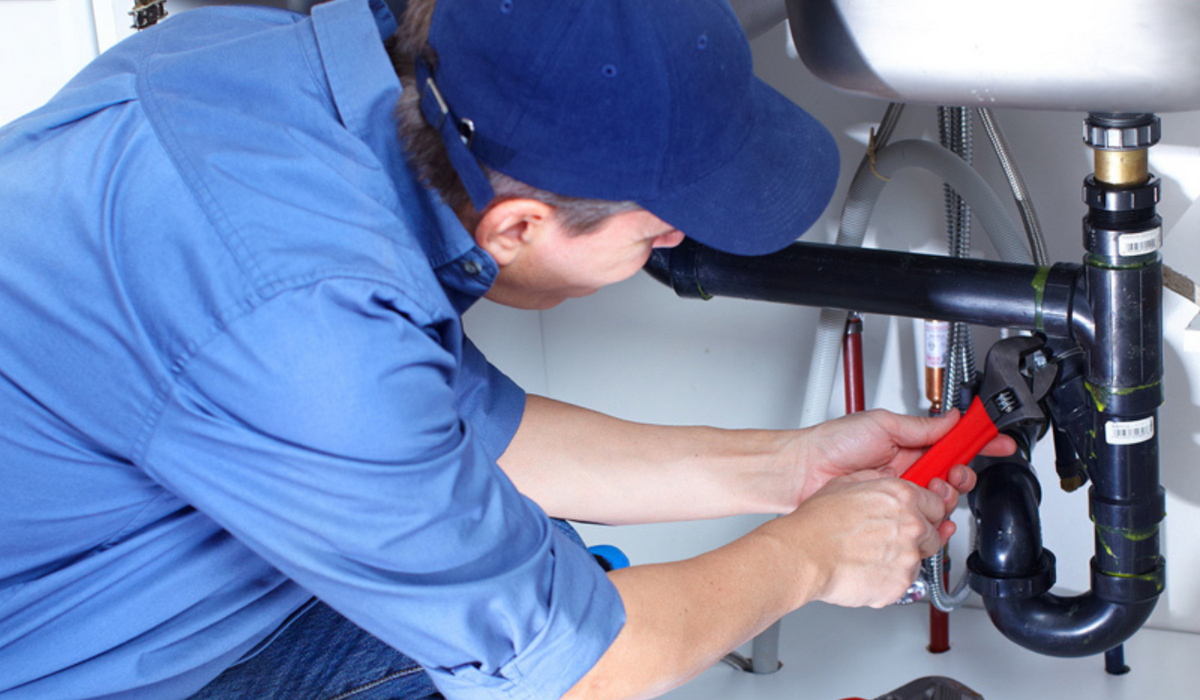
Emergency plumbers focus on stabilizing the situation first. This includes stopping water flow, preventing backups, and minimizing damage.
They use professional tools such as drain cameras, hydro jetting equipment, and high-capacity augers to diagnose and clear blockages efficiently.
Emergency service prioritizes safety, containment, and long-term repair planning.
Professional intervention reduces guesswork and ensures problems are resolved correctly the first time.
The Cost of Waiting vs Acting Quickly
Delaying plumbing repairs often leads to secondary damage. Water intrusion can affect flooring, walls, cabinetry, and foundations.
Mold growth may follow, increasing cleanup costs and health risks.
Insurance claims may also be impacted by delayed response. Acting promptly demonstrates responsible maintenance and helps limit damage severity.
In most cases, early intervention costs significantly less than emergency restoration.
How to Reduce the Risk of Drain and Odor Emergencies
Preventive habits can significantly reduce emergency plumbing risks.
Avoid flushing non-degradable items, grease, or hygiene products down drains.
Routine inspections help identify early signs of buildup or damage.
Addressing slow drainage promptly prevents escalation and protects the entire plumbing system.
Awareness and maintenance are key to avoiding urgent plumbing problems.
Conclusion
Signs you need emergency plumbing services often start with subtle changes like slow drains or unpleasant smells.
These warnings should never be ignored, as they frequently indicate deeper system issues that can worsen rapidly.
If you notice persistent drainage problems, foul odors, or water backups, acting quickly can prevent extensive damage and protect your home.
Calling a licensed emergency plumber at the first sign of trouble is the safest and most cost-effective solution.
Don’t Wait Until a Small Plumbing Issue Becomes a Major Emergency
If you’re noticing slow drains, foul odors, gurgling sounds, or water backing up, these are signs you need emergency plumbing services and the problem won’t resolve on its own.
Plumbing issues like these often worsen quickly, leading to water damage, sewage exposure, and costly repairs if left untreated.
Holtkamp HVAC & Plumbing provides fast, reliable emergency plumbing services to homeowners across Georgia.
Our licensed plumbers respond quickly, diagnose the issue accurately, and fix the problem at its source, so you’re not dealing with repeat failures or hidden damage later.
👉 If your plumbing issue can’t wait, you can contact Holtkamp HVAC & Plumbing today to schedule emergency service and protect your home before the damage spreads.
Frequently Asked Questions
When to call an emergency plumber?
You should call an emergency plumber when slow drains affect multiple fixtures, foul odors persist, water backs up, or standing water appears. These warning signs often indicate plumbing issues that require immediate attention.
What are the most common signs you need emergency plumbing services?
Common signs include slow drains throughout the home, bad smells from drains, gurgling noises, standing water, and water backups. These symptoms often indicate blockages or failures that can escalate quickly.
Are slow drains considered a plumbing emergency?
A single slow drain may not be urgent, but multiple slow drains usually signal a larger problem. When several fixtures are affected, emergency service is often needed to prevent backups.
What causes bad smells from drains?
Bad smells from drains are typically caused by sewer gas leaks, trapped waste, or blocked vent pipes. These odors indicate conditions that require professional attention.
Is a sewer smell in the house dangerous?
Yes, sewer smells can expose occupants to harmful gases and bacteria. Persistent odors should be inspected immediately to protect health and safety.
When should I call an emergency plumber instead of waiting?
You should call when drainage issues affect multiple areas, odors persist, water backs up, or standing water appears. These are signs of plumbing issues that can’t wait.
Can repeated clogs mean something serious?
Repeated clogs often indicate deeper blockages or pipe damage. Professional tools are usually required to resolve the issue permanently.
How fast can plumbing emergencies escalate?
Plumbing problems can worsen within hours. A slow drain can quickly turn into a backup, causing water damage and contamination.
What should I do while waiting for an emergency plumber?
Avoid using affected fixtures, shut off water if possible, and keep the area clear. Do not use chemical cleaners, as they may worsen the problem.
Why are emergency plumbing services worth it?
Emergency services provide fast response, professional diagnosis, and damage prevention. They help protect your home and reduce long-term repair costs.