


Water heater installation vs rental is a decision many homeowners face when upgrading or replacing an aging system.
While renting may appear convenient at first, installation and ownership often deliver greater long-term value.
Understanding the financial impact, maintenance responsibilities, and flexibility of each option helps homeowners choose the solution that truly fits their home and lifestyle.
This guide breaks down the real differences between buying vs renting a water heater, so you can make a confident, informed decision.
Understanding Water Heater Installation and Rental Options
Homeowners typically choose between two primary paths: installing and owning a water heater or entering a rental agreement with a service provider.
Both tank and tankless systems can fall under either category, depending on how the system is acquired.
Water heater rental vs purchase decisions should consider not just monthly payments, but also system lifespan, control over service providers, and long-term costs.
While rental plans focus on convenience, ownership emphasizes value and independence.
What Water Heater Installation Involves
Installing a new water heater is more than simply replacing an old unit.
It is a structured process that includes selecting the right system, ensuring code compliance, and setting up long-term performance.
Understanding what installation involves helps homeowners see why ownership is often a long-term investment rather than a short-term expense.
The True Cost of Installing a Water Heater
Before comparing ownership to rental, it’s important to understand what makes up the total water heater installation cost.
Installation is a one-time investment that covers both equipment and professional setup to ensure safe, reliable operation.
Water heater installation cost typically includes the price of the unit, licensed labor, permits, and code-compliant electrical, gas, or plumbing connections.
Traditional tank systems generally require a lower upfront investment, while tankless systems cost more initially due to advanced equipment and installation complexity.
Although installation costs are higher than rental startup fees, ownership eliminates recurring monthly payments and builds long-term value.
Responsibilities That Come With Owning a Water Heater
Once a water heater is installed, ownership shifts control and responsibility to the homeowner.
This responsibility is predictable and manageable, especially when routine care is performed consistently.
Owning a water heater includes basic maintenance such as periodic flushing, inspections, and occasional repairs.
These steps help extend system lifespan, which typically ranges from 8 to 15 years depending on usage patterns and water quality.
Ownership also allows homeowners to choose their service provider, schedule maintenance proactively, and upgrade the system on their own timeline without contractual restrictions.
How Water Heater Rentals Work
Water heater rentals are structured to reduce upfront costs by shifting the expense of the system into ongoing monthly payments.
This model can appear convenient, rental agreements operate very differently from ownership and often involve long-term financial and contractual commitments.
Knowing how these programs are set up helps homeowners evaluate whether convenience outweighs long-term cost and control.
How Monthly Water Heater Rental Pricing Is Structured
Unlike purchasing a water heater outright, rental programs charge a fixed monthly fee for the use of the system.
This fee continues for as long as the unit remains installed, regardless of the system’s age or remaining value.
Water heater rental cost typically includes the equipment, installation, routine service calls, and system replacement if the unit fails under normal use.
Despite this bundled pricing may seem attractive initially, most rental agreements are tied to long-term contracts that extend well beyond the useful life of the water heater.
Many contracts also include annual price increases and early termination penalties, which significantly raise the long-term cost of water heater rental over time.
What Rental Agreements Often Do Not Make Clear Upfront
Rental contracts are often presented as simple monthly plans, but the fine print can introduce limitations that homeowners only discover later.
These agreements frequently include clauses that restrict cancellation, require buyout payments, or mandate contract transfers if the home is sold.
In many cases, homeowners continue paying rental fees even after the system has exceeded its expected lifespan.
Because payments never stop, renters may pay several times the actual value of the water heater over the course of the agreement.
Installation Process for Rental Water Heaters
Rental systems usually include installation at little or no upfront cost, which is one of their primary selling points.
The provider supplies the unit, installs it, and assumes responsibility for initial setup.
While this reduces immediate expenses, homeowners typically have limited control over equipment selection.
Rental providers often install standardized models rather than offering tailored solutions based on household size, usage demands, or efficiency goals.
This can affect performance and long-term energy costs.
Service, Repairs, and Provider-Controlled Maintenance
One of the biggest appeals of renting a water heater is that service and repairs are handled by the rental company.
Homeowners do not pay out-of-pocket for covered repairs and do not need to arrange their own service appointments.
However, this convenience comes with trade-offs.
Service response times depend entirely on provider availability, and homeowners must work within the company’s scheduling policies.
Repair decisions, replacement timing, and upgrade options are all controlled by the rental provider, limiting homeowner flexibility.
How Rental Agreements Affect Upgrades and Home Improvements
Rental systems can complicate future upgrades or efficiency improvements.
Switching to a tankless system, upgrading capacity, or improving energy efficiency often requires contract termination or expensive buyouts.
Homeowners may also be restricted from modifying or relocating rental equipment, which can impact renovations or system redesigns.
These limitations can slow down home improvement plans and add unexpected costs.
The Impact of Rental Water Heaters on Home Resale
When selling a home, rental water heaters can create additional steps and potential friction.
Many rental contracts require the new homeowner to assume the agreement, which may affect buyer interest or negotiations.
If buyers refuse to take over the rental, the seller may be required to pay a buyout fee before closing.
This added obligation can complicate real estate transactions and reduce overall flexibility during the sale process.
When Water Heater Rentals May Make Sense
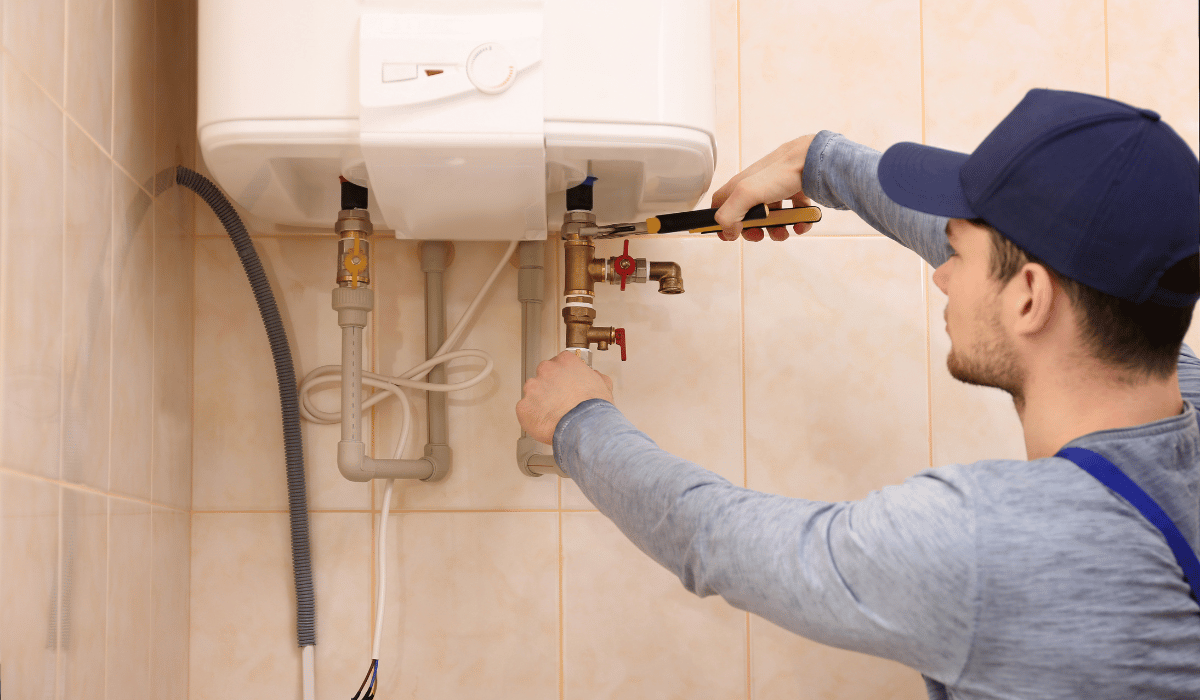
Although rentals often cost more long term, they can be suitable in specific situations.
Homeowners planning to move in the near future, landlords managing multiple properties, or individuals who prioritize minimal maintenance involvement may find rental agreements acceptable.
In these cases, predictable monthly payments and bundled service may outweigh concerns about long-term cost or ownership control.
Water Heater Installation vs Rental: Cost Comparison Over Time
Short-Term Cost Differences
In the first year or two, renting often feels more affordable.
Monthly fees avoid a large upfront expense, making rental appealing for short-term homeowners or budget-sensitive situations.
Long-Term Financial Impact
Over 10–15 years, renting almost always costs significantly more than owning.
Monthly payments continue well beyond the system’s actual value, while owned systems eventually operate without ongoing fees.
When comparing water heater replacement options, ownership consistently provides better long-term savings.
Maintenance, Repairs, and Peace of Mind
Maintenance When You Own a Water Heater
Ownership allows proactive maintenance that prevents major failures and improves efficiency.
Homeowners control service schedules and providers, helping manage water heater maintenance responsibility without unexpected contract restrictions.
Maintenance Under a Rental Agreement
Rental plans cover repairs and replacements, but homeowners rely on provider availability and policies.
Service delays and limited upgrade options can become frustrating, especially as systems age.
Flexibility and Control for Homeowners
Freedom That Comes with Ownership
Owning a water heater provides full control over upgrades, including switching to energy-efficient or tankless systems.
Home resale is simpler without rental contracts that must be transferred or bought out.
Rental Limitations to Consider
Rental agreements often restrict equipment choices and require contract transfers during home sales. Early termination fees can make switching systems costly.
Tank vs Tankless: How the Decision Changes
Tankless systems last longer, deliver higher efficiency, and reduce energy waste.
On the other hand, tankless water heaters for rental options exist; monthly fees are typically higher than tank rentals.
Owning a tankless system often provides the strongest return on investment for homeowners planning to stay long-term.
Choosing the Right Water Heater Option for Your Home
Selecting between renting or installing a water heater is not a one-size-fits-all decision.
The right choice depends on how long you plan to stay in your home, how much hot water your household uses, and how important long-term savings and system control are to you.
Understanding which option aligns with your situation helps ensure comfort today without regret down the road.
When Renting a Water Heater May Make Sense
Water heater rentals can be suitable for homeowners who expect to move within a short timeframe or who prefer predictable monthly expenses over upfront investment.
Landlords managing multiple properties may also choose rentals to simplify maintenance coordination across units.
For individuals who prioritize convenience and minimal involvement in system upkeep, rental agreements provide bundled service and repair coverage.
In these cases, the tradeoff of higher long-term cost may be acceptable in exchange for reduced responsibility and short-term simplicity.
Who Benefits Most from Installing and Owning a Water Heater
Water heater installation is often the better option for homeowners planning to remain in their property for several years or longer.
Ownership allows families with higher hot water demand to choose systems that match usage needs, including energy-efficient or tankless options.
Installing a water heater provides long-term cost control, eliminates ongoing rental fees, and allows homeowners to upgrade, maintain, or replace the system on their own schedule.
Over the system’s lifetime, ownership typically delivers greater financial value and flexibility.
Why Professional Water Heater Installation Is Essential
Regardless of whether a system is rented or owned, professional installation plays a critical role in safety and performance.
Proper installation ensures compliance with local building codes, correct system sizing, and efficient operation from day one.
Professional installation also protects manufacturer warranties and helps prevent issues such as leaks, inefficiency, or premature system failure.
Choosing experienced technicians ensures the water heater performs reliably and safely throughout its lifespan.
Conclusion
Choosing between renting or owning a water heater comes down to priorities.
Rental offers short-term convenience, while installation delivers long-term savings, flexibility, and control.
Evaluating total cost, system lifespan, and homeownership plans ensures the best decision for your household.
Professional Water Heater Installation Services You Can Consider
When upgrading your system, working with experienced professionals at Holtkamp HVAC & Plumbing makes all the difference.
Our team provides expert water heater installation for homes, helping homeowners select the right system, install it correctly, and maximize long-term performance.
Whether you’re replacing an aging unit or upgrading to tankless technology, we deliver dependable solutions built for comfort and efficiency.
Frequently Asked Questions
What is the main difference between water heater installation and rental?
Water heater installation gives homeowners full ownership of the system after purchase, while rental involves ongoing monthly payments. Ownership focuses on long-term value and control, whereas rental emphasizes short-term convenience. The difference becomes more significant over the lifespan of the system.
How do long-term costs compare between renting and owning a water heater?
Owning a water heater typically costs less over time because payments stop once the system is paid for. Rental fees continue month after month and often exceed the unit’s value over 10–15 years. Long-term cost comparisons strongly favor ownership for most homeowners.
What maintenance responsibilities come with owning a water heater?
Homeowners are responsible for routine maintenance such as flushing the tank, inspections, and minor repairs. These tasks help extend system lifespan and improve efficiency. Maintenance costs are usually predictable and far lower than ongoing rental fees.
What does a water heater rental usually include?
Rental agreements often include installation, repairs, and system replacement if the unit fails. While this reduces immediate responsibility, service schedules and equipment options are controlled by the provider. Contract terms may also limit flexibility.
How does renting or owning affect home resale?
Owned water heaters transfer with the home without additional obligations. Rental systems often require contract transfers or buyout fees during resale, which can complicate transactions. Buyers may view rental contracts as an added cost or inconvenience.
Are tankless water heaters better to rent or own?
Tankless systems generally provide better value when owned due to their long lifespan and high efficiency. Rental tankless units usually come with higher monthly fees that reduce long-term savings. Ownership allows homeowners to fully benefit from energy efficiency gains.
How does hard water impact the installation vs rental decision?
Hard water causes mineral buildup that increases maintenance needs and can shorten system lifespan. Owners can address this with water treatment solutions, while renters rely on the provider’s maintenance approach. Water quality should always factor into the decision.
Who is a good candidate for renting a water heater?
Renting may suit homeowners planning to move soon or those who prioritize minimal involvement in maintenance. Short-term housing situations sometimes benefit from predictable monthly costs. Long-term homeowners typically see more value from ownership.
Why is professional water heater installation important?
Professional installation ensures safety, efficiency, and compliance with local codes. Proper installation protects warranties and prevents performance issues caused by incorrect setup. Whether renting or owning, professional installation is essential for reliable operation.