


Water heater leak black mold situations are more than plumbing problems.
They’re health and property emergencies that require fast, informed action.
When a water heater starts leaking, moisture can build up silently behind walls, under flooring, or inside utility closets.
Within days, that trapped moisture can lead to black mold growth, putting your home and family at risk.
Many homeowners don’t realize the connection until they notice dark stains, musty odors, or worsening allergy symptoms.
By then, the damage may already extend beyond the water heater itself.
Knowing who to call first and what steps to take immediately can prevent the problem from escalating into a costly, dangerous situation.
Can a Water Heater Leak Really Cause Black Mold?
A water heater leak can absolutely lead to black mold, even if the leak seems minor.
Small, slow leaks are often more dangerous than obvious bursts because they allow moisture to linger undetected for extended periods.
This creates the perfect environment for mold spores to settle and grow.
Areas around water heaters, such as basements, garages, laundry rooms, and utility closets often have limited airflow and higher humidity.
When water seeps into drywall, insulation, or subflooring, mold growth can begin within 24 to 48 hours.
Over time, what starts as dampness can turn into black mold from a water heater, spreading beyond the original leak area.
Early Signs Your Water Heater Leak Has Caused Mold
Water heater leaking mold issues often develop quietly, but there are warning signs homeowners should never ignore.
A persistent musty or earthy smell near the water heater is one of the earliest indicators.
Discoloration on nearby walls, baseboards, or ceilings, especially dark green or black patches can also signal mold activity.
Other red flags include peeling paint, warped flooring, or soft drywall near the unit.
Some people notice physical symptoms before visible mold appears, such as headaches, coughing, sinus irritation, or increased allergy reactions.
These signs often mean moisture and mold have already spread beyond the surface.
Who to Call First for a Water Heater Leak With Mold
When dealing with who to call for water heater leak mold, the order of service matters more than most people realize.
Calling the wrong professional first can delay proper repairs and increase overall damage.
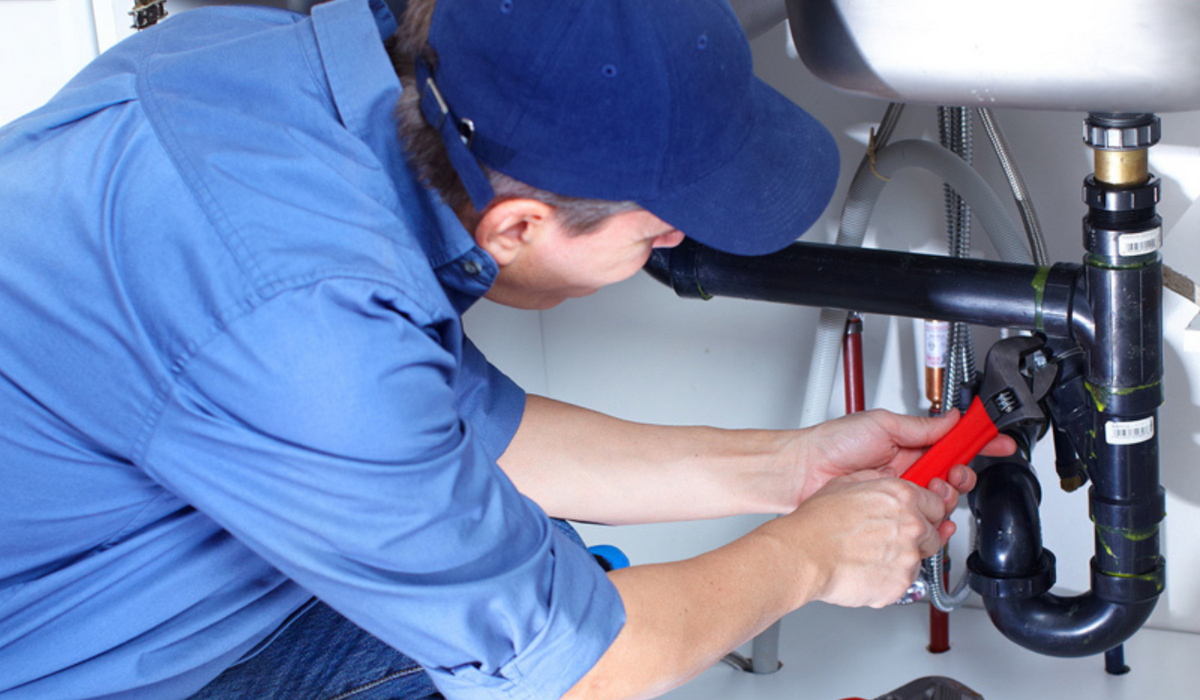
Call an Emergency Plumber Immediately
An emergency water heater leak must be stopped before any mold remediation can begin.
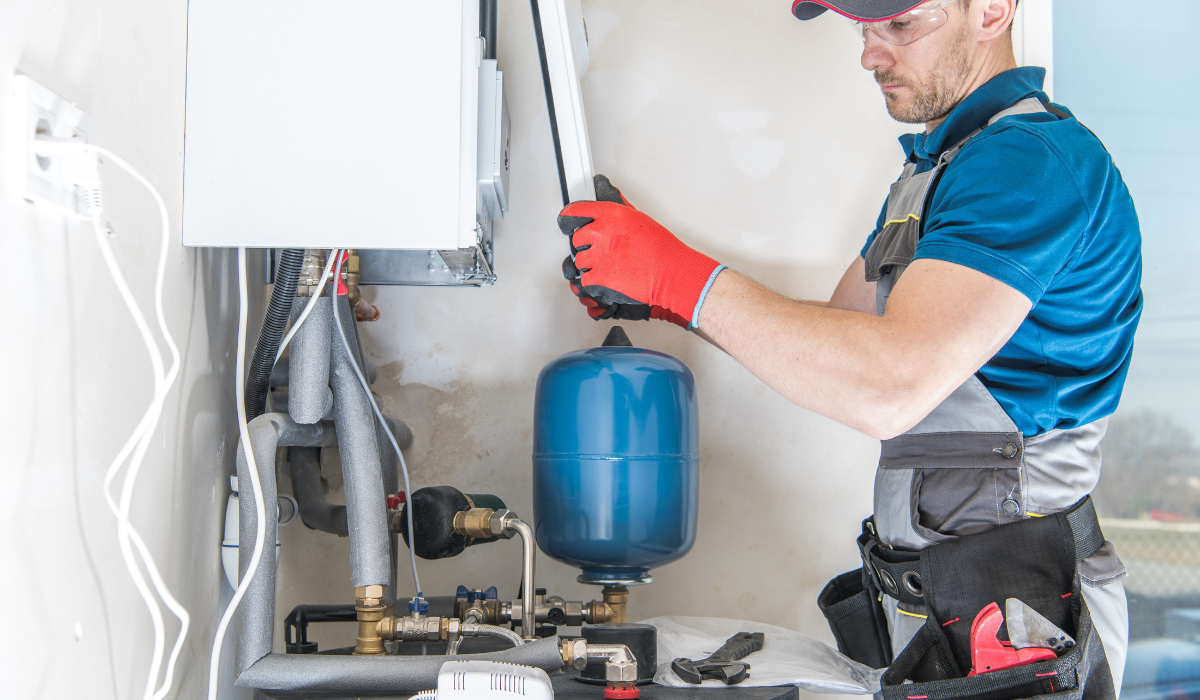
A licensed plumber can shut off the water supply, assess whether the tank needs repair or replacement, and prevent further moisture from feeding mold growth.
Ignoring the leak while focusing only on mold cleanup allows moisture to continue spreading.
Whether it’s a corroded tank, loose valve, or failing connection, addressing the plumbing issue first is critical to stopping the source of the problem.
Contact a Mold Remediation Professional
Once the leak is controlled, a certified mold remediation specialist should evaluate the affected area.
These professionals identify the extent of mold growth, test moisture levels, and determine whether contamination has spread behind walls or under floors.
Proper remediation involves containment, air filtration, and safe removal of contaminated materials.
This process prevents spores from becoming airborne and spreading throughout the home, which often happens during DIY cleanup attempts.
Call Water Damage Restoration if Needed
If the leak caused extensive water damage, a water damage restoration company may be necessary.
These specialists use industrial drying equipment and moisture detection tools to remove hidden water that could cause future mold outbreaks.
What Not to Do When You See Black Mold Near a Water Heater
One of the most common mistakes homeowners make is attempting to clean visible mold themselves.
Scrubbing or spraying household cleaners can disturb spores and push mold deeper into porous materials.
Running fans or dehumidifiers before proper containment can also spread contamination to other areas of the home.
Delaying action because the mold “doesn’t look bad” is another costly error.
Mold growth accelerates quickly when moisture remains present, especially around a leaking water heater.
Is Black Mold From a Water Heater Leak Dangerous?
Black mold water damage is a structural concern, and it can affect indoor air quality and health.
Exposure may cause respiratory irritation, chronic coughing, sinus infections, fatigue, and skin irritation.
Children, elderly individuals, and those with asthma or weakened immune systems are particularly vulnerable.
Because mold spores travel through air currents, contamination can spread into HVAC systems, closets, and living spaces.
The longer mold is allowed to grow, the greater the risk of long-term health effects and extensive property damage.
Does Homeowners Insurance Cover Mold From a Water Heater Leak?
Insurance coverage for water heater leak mold depends on how the damage occurred.
Sudden, accidental leaks, such as a tank failure are often covered, while gradual leaks caused by lack of maintenance may not be.
Many policies place limits on mold-related claims, making quick documentation essential.
Taking photos, saving repair estimates, and acting immediately can significantly improve the chances of claim approval.
Prompt action also shows insurers that you took reasonable steps to prevent further damage.
How Professionals Fix a Water Heater Mold Situation
Professional remediation follows a structured process to ensure safety and effectiveness.
First, the water source is fully shut off and repaired or replaced. Moisture mapping tools are then used to locate hidden damp areas.
Next, containment barriers and air scrubbers prevent spores from spreading during cleanup.
Contaminated materials such as drywall or insulation may be removed, followed by deep cleaning and sanitization.
Finally, industrial drying equipment ensures the area is completely moisture-free before clearance testing confirms the space is safe.
How to Prevent Mold After a Water Heater Leak
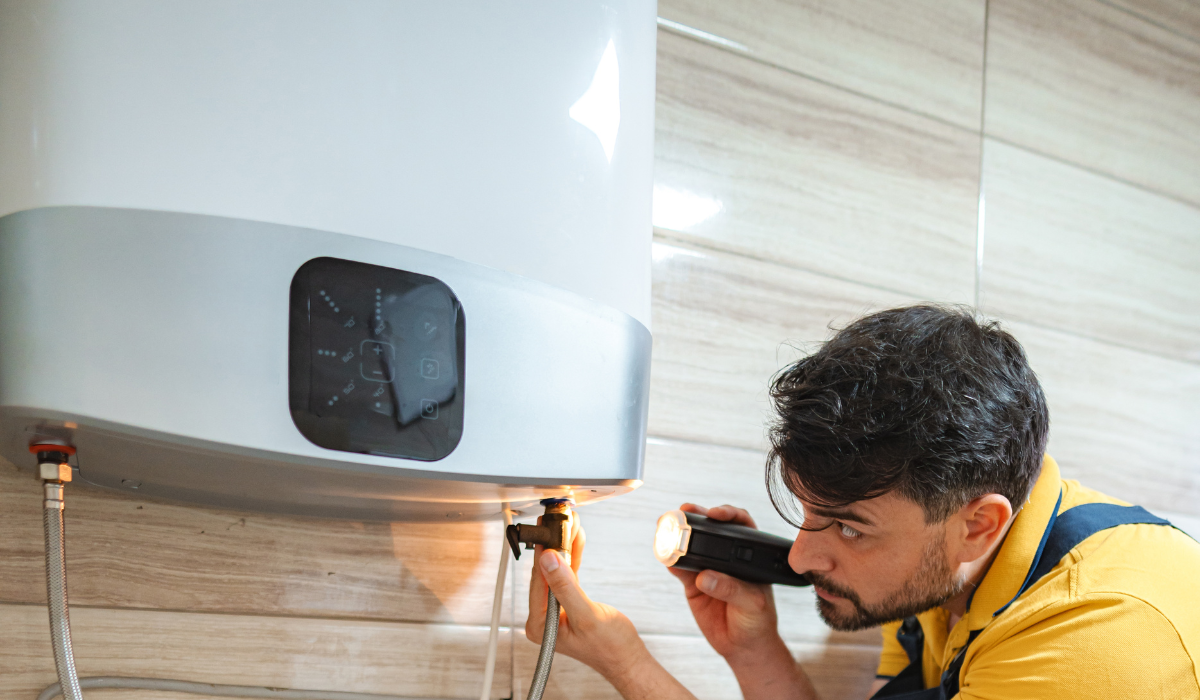
Preventing future mold issues starts with regular water heater inspections and early leak detection.
Installing a drain pan with proper drainage, using leak detection sensors, and maintaining proper ventilation in utility areas can significantly reduce risk.
Keeping humidity levels under control and addressing even minor leaks immediately helps prevent mold after water heater leak incidents. Prevention is far less costly than remediation.
Conclusion
Water heater leak black mold problems escalate quickly, but fast action can limit damage and protect your family.
The most important step is stopping the leak immediately, followed by professional mold remediation to address contamination safely.
If your water heater is leaking and you notice mold, musty odors, or water damage, don’t wait.
The best option is to call a licensed emergency plumber today to stop the source, then schedule professional mold remediation to restore your home before the damage spreads further.
Problems like water heater leaks and sudden heating failures are both considered after-hours emergency repair situations that should be addressed immediately to prevent further damage.
Act Fast to Protect Your Home and Health
If your water heater is leaking and mold may be present, don’t wait for the problem to worsen.
Taking immediate action can prevent further water damage, limit mold growth, and reduce potential health risks.
The first step is to contact an emergency plumbing professional to stop the leak at its source.
Once the water issue is controlled, scheduling professional mold remediation helps ensure your home is thoroughly cleaned and safe to occupy.
You’ll be glad to know that Holtkamp HVAC & Plumbing is a trusted and highly professional service provider in GA you can rely on for water heater leaks and related issues that can lead to black mold.
We have experienced technicians who respond quickly, diagnose the problem accurately, and provide long-term solutions.
We don’t offer temporary fixes. With our prompt service, transparent recommendations, and a focus on protecting your home and health, Holtkamp helps you regain peace of mind when it matters most.
Frequently Asked Questions
Can a small water heater leak cause black mold?
Yes, even a slow drip can create enough moisture for mold growth. When water seeps into drywall or flooring and remains undetected, mold can develop within 24 to 48 hours, especially in low-ventilation areas.
Who should I call first if I see mold near my water heater?
An emergency plumber should be your first call to stop the leak. Once the water source is controlled, a mold remediation professional can safely assess and remove contamination.
Is black mold from a water heater leak harmful?
Black mold exposure can cause respiratory issues, headaches, and allergic reactions. Long-term exposure may worsen asthma symptoms and affect indoor air quality throughout the home.
Can I clean mold near my water heater myself?
DIY cleaning often spreads mold spores and fails to remove hidden growth. Professional remediation is necessary to fully eliminate contamination and prevent recurrence.
How fast does mold grow after a water heater leak?
Mold can begin growing within 24 to 48 hours under damp conditions. The longer moisture remains, the faster mold spreads into surrounding materials.
Will insurance cover mold caused by a leaking water heater?
Coverage depends on whether the leak was sudden or gradual. Prompt reporting, documentation, and immediate repairs improve the chances of insurance approval.
Should I replace my water heater if mold is present?
If the tank is corroded, leaking from the base, or near the end of its lifespan, replacement is often recommended to prevent future leaks and mold issues.
Can mold spread from the water heater area to the rest of the house?
Yes, mold spores can travel through air movement and HVAC systems, contaminating other rooms if not properly contained during cleanup.
What is the meaning of a water heater leaking mold?
When a water heater leaking mold situation occurs, it usually means moisture has been present long enough for mold spores to grow. Even small leaks can saturate drywall, insulation, or flooring behind the unit. This is a sign that both plumbing repair and mold remediation are needed to fully resolve the issue.
How serious is black mold from water heater?
Black mold from a water heater should always be treated as a serious concern. Prolonged moisture near the tank creates ideal conditions for mold to spread into walls and surrounding rooms. Exposure can affect indoor air quality and trigger respiratory symptoms, especially for children or people with allergies.
Who to call for water heater leak mold problems?
If you’re wondering who to call for water heater leak mold, start with an emergency plumber to stop the water source. Once the leak is repaired or isolated, a certified mold remediation specialist should assess and remove any contamination. Calling in the correct order prevents repeat mold growth.
Is an emergency water heater leak always urgent?
An emergency water heater leak is urgent whenever water is actively escaping or mold is visible nearby. Ongoing leaks allow moisture to spread quickly, increasing structural damage and mold risk. Same-day service helps limit repair costs and protects your home from escalating damage.