


Winter indoor air quality becomes a major concern once temperatures drop and homes are sealed tight for warmth, especially after the holidays when indoor activity peaks.
From reduced ventilation and dry air to lingering pollutants from cooking, candles, and gatherings, winter creates the perfect conditions for indoor air quality problems that directly affect comfort, health, and energy efficiency.
Understanding how indoor air quality in winter changes and knowing how to address it can help homeowners breathe easier, sleep better, and stay healthier throughout the cold season.
How Winter Weather Affects Indoor Air Quality
Cold weather naturally changes how air moves through your home.
During winter, windows remain closed, ventilation decreases, and heating systems run continuously, creating conditions that allow pollutants to build up.
Reduced airflow traps winter indoor air pollution such as dust, allergens, and volatile organic compounds.
At the same time, heating systems dry out indoor air, worsening respiratory irritation and allowing airborne particles to circulate longer.
These combined factors significantly impact winter air quality at home, often without homeowners realizing it.
Why Indoor Air Quality Often Drops After the Holidays
The holiday season adds another layer of indoor air quality challenges.
Increased cooking, baking, entertaining, and decorating all contribute to indoor air quality after holidays being noticeably worse than earlier in the season.
Cooking releases fine particles and grease into the air. Candles, fireplaces, and scented décor introduce soot and chemical residues.
Extra guests increase carbon dioxide levels and introduce allergens that linger long after celebrations end.
Once routines return to normal, these pollutants remain trapped indoors unless addressed properly.
Common Sources of Winter Indoor Air Pollution
Understanding the sources of winter indoor air pollution helps homeowners take targeted action.
Dust and fine particulate matter accumulate quickly when airflow is limited.
Winter allergens indoors, including pet dander and dust mites, thrive as people spend more time inside.
Volatile organic compounds from cleaning products, air fresheners, and holiday décor continue to off-gas in sealed homes.
Additionally, heating equipment can circulate contaminants through ductwork if filters or systems are not properly maintained.
Health Effects of Poor Indoor Air Quality in Winter
Poor indoor air quality affects more than comfort.
Dry air winter health issues often include irritated sinuses, dry skin, sore throats, and increased respiratory infections.
People with asthma or allergies may notice worsened symptoms due to continuous exposure to indoor triggers rather than seasonal outdoor allergens.
Fatigue, headaches, and disrupted sleep can also occur when stale air and elevated carbon dioxide levels remain unchecked.
Improving indoor air quality solutions in winter helps protect both short-term comfort and long-term health.
How to Improve Indoor Air Quality in Winter
There are several effective ways to improve indoor air quality in winter without sacrificing warmth or energy efficiency.
Because homes remain tightly sealed during colder months, a layered approach is essential to reduce indoor air pollutants while maintaining comfort.
Upgrade HVAC Filtration
Upgrading HVAC filtration is one of the most impactful steps homeowners can take.
High-efficiency filters capture fine particles such as dust, pet dander, pollen, and other winter indoor air pollutants before they recirculate through the home.
During winter, heating systems run more frequently, which means filters collect contaminants faster and require regular inspection and replacement to remain effective.
Manage Indoor Humidity Levels
Managing humidity plays a critical role in winter indoor air quality. Heating systems often dry out indoor air, leading to respiratory irritation, dry skin, and increased dust circulation.
Proper humidity levels help airborne particles settle rather than remain suspended, while also improving comfort and reducing strain on sinuses and airways.
Balanced humidity supports both health and overall indoor air stability during colder months.
Use Controlled Ventilation Strategies
Winter ventilation tips focus on maintaining fresh air exchange without excessive heat loss.
Controlled ventilation solutions allow stale air and accumulated pollutants to exit the home while preserving indoor temperatures.
This approach prevents the buildup of carbon dioxide, odors, and chemical contaminants without relying on open windows that compromise energy efficiency.
Maintain Heating and HVAC Systems
Regular HVAC maintenance ensures heating systems operate cleanly and efficiently throughout the winter season.
Dust buildup, clogged filters, or neglected components can spread contaminants every time the system cycles on.
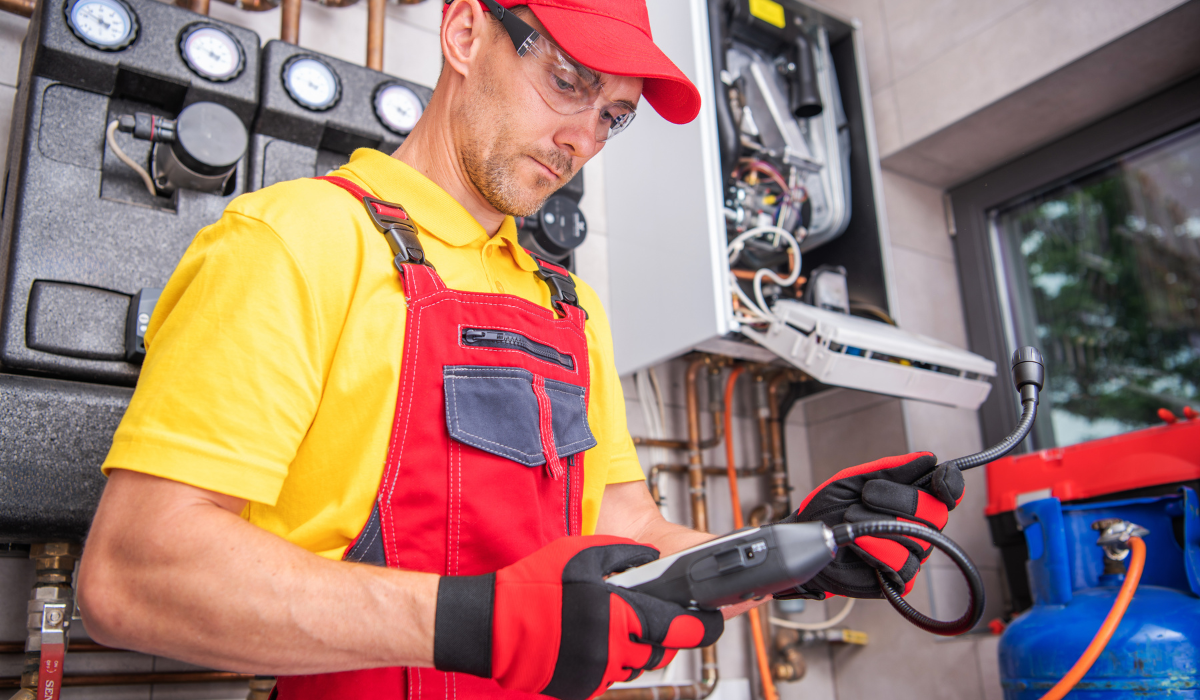
Professional inspections help identify airflow issues, filter inefficiencies, and hidden pollutant sources that affect winter air quality at home.
Reduce Indoor Pollutant Sources
Improving indoor air quality in winter also involves minimizing pollutant sources inside the home.
Limiting the use of scented candles, fireplaces, and harsh cleaning products reduces the release of fine particles and volatile organic compounds.
Proper ventilation during cooking and routine cleaning of soft furnishings further helps control winter indoor air pollution.
Invest in Whole-Home Air Quality Solutions
For consistent, long-term results, whole-home air quality solutions provide comprehensive protection during winter.
These systems work with HVAC systems to filter, balance, and clean air throughout the entire home.
Whole-home approaches are especially effective when outdoor air access is limited, offering dependable indoor air quality solutions winter homeowners can rely on.
The Role of Whole-Home Air Purification
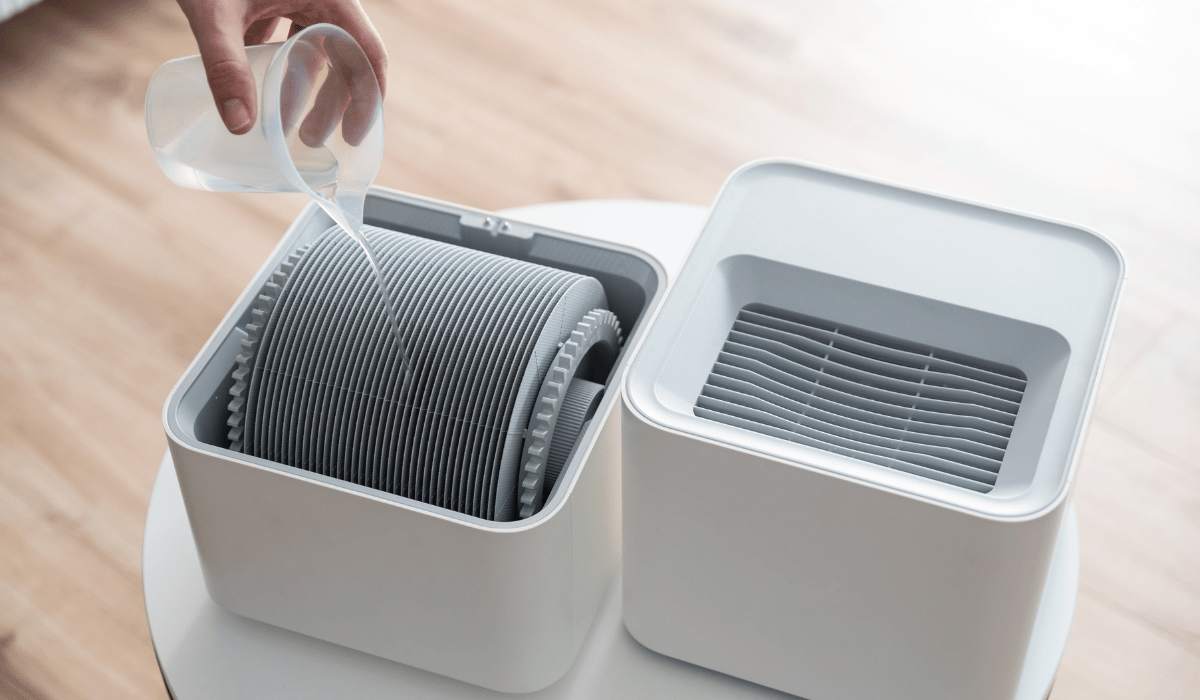
Whole home air purification offers one of the most effective solutions for winter indoor air challenges.
Unlike portable units that treat only single rooms, whole-home systems clean air as it moves through the HVAC system, providing consistent coverage throughout the house.
This approach is especially beneficial during winter when doors and windows stay closed for extended periods.
Whole-home solutions reduce maintenance effort while delivering long-term indoor air quality solutions winter homeowners can rely on.
Why Portable Air Cleaners Fall Short in Winter
Portable air cleaners can help in limited spaces, but they often struggle to address winter air quality at home effectively.
They require frequent filter changes, only cover small areas, and do not address pollutants circulating through ductwork.
During winter, when heating systems move air continuously, whole-home solutions provide better protection against winter indoor air pollution and maintain consistent air quality across all living spaces.
Winter Indoor Air Quality Tips for Families and Allergy Sufferers
Families and individuals sensitive to allergens can take additional steps to protect indoor air quality in winter.
Reducing scented products minimizes chemical exposure.
Vacuuming with high-efficiency filtration helps control winter allergens indoors.
Washing soft furnishings after holiday gatherings removes trapped particles. Monitoring humidity prevents dry air winter health symptoms from worsening.
These habits complement professional indoor air quality solutions and help maintain cleaner air throughout the season.
When Professional Indoor Air Quality Help Is Needed
If symptoms persist despite regular cleaning and filter changes, professional evaluation becomes essential.
Ongoing dust buildup, persistent odors, excessive dryness, or recurring respiratory discomfort often indicate deeper issues within the HVAC system or home envelope.
An indoor air quality expert identifies hidden sources of pollution and recommends solutions tailored to winter conditions.
Preparing Your Home for Healthier Air All Winter Long
Winter indoor air quality requires ongoing attention, not a one-time fix.
Addressing post-holiday buildup, maintaining heating equipment, and investing in long-term air quality improvements help ensure cleaner, healthier air through late winter and beyond.
A proactive approach protects comfort, health, and indoor environments year-round.
Conclusion
Winter indoor air quality can decline quickly when homes stay closed up, heating systems run daily, and pollutants from cooking, cleaning products, and seasonal activities build up indoors.
The most effective approach is a balanced strategy that improves filtration, controls humidity, supports safe ventilation, and keeps HVAC equipment operating cleanly.
By making small upgrades and staying consistent with maintenance, homeowners can reduce winter indoor air pollution.
They can limit winter allergens indoors, and create a healthier living space without losing energy efficiency.
If your home still feels dusty, dry, or stale after taking basic steps, professional indoor air quality solutions can identify hidden problems and deliver long-term improvements that keep your air healthier all winter.
Professional Indoor Air Quality Services by Holtkamp HVAC & Plumbing
Maintaining healthy indoor air during winter requires more than surface-level solutions.
Holtkamp HVAC & Plumbing provides professional indoor air quality services designed to address winter indoor air pollution at its source.
Our team offers whole-home air purification, humidity control, filtration upgrades, and system evaluations tailored to winter conditions.
By integrating air quality solutions directly into your HVAC system, we help improve comfort, protect respiratory health, and ensure consistent air quality throughout your home.
Frequently Asked Questions
Why is indoor air quality worse during winter?
Indoor air quality declines in winter because homes remain sealed to keep heat inside. Reduced ventilation allows dust, allergens, and pollutants to build up while heating systems continuously circulate contaminated air throughout the home.
How does dry winter air affect indoor air quality?
Dry winter air irritates nasal passages, skin, and respiratory systems while allowing airborne particles to stay suspended longer. Low humidity can worsen allergy symptoms and increase discomfort during prolonged indoor exposure.
What are the most common winter indoor air pollutants?
Winter indoor air pollution commonly includes dust, pet dander, VOCs from cleaning products, cooking particles, and residue from candles or fireplaces. These pollutants accumulate faster due to limited airflow.
How can I improve indoor air quality in winter without opening windows?
High-efficiency HVAC filters, whole-home air purification, and controlled ventilation systems improve air quality while maintaining indoor warmth. These solutions remove pollutants without relying on outdoor air exposure.
Are portable air purifiers effective during winter months?
Portable air purifiers can help in small areas but do not treat air throughout the home. Whole-home systems provide consistent filtration across all living spaces, making them more effective for winter conditions.
How often should HVAC filters be changed in winter?
HVAC filters should be checked monthly and replaced every one to three months during winter. Increased heating system use causes filters to collect dust and pollutants more quickly.
Can poor indoor air quality cause fatigue or headaches in winter?
Yes, stale air and elevated carbon dioxide levels can contribute to headaches, fatigue, and poor sleep quality. These symptoms often improve once indoor air circulation and filtration are optimized.
Do winter indoor air quality issues affect children and seniors more?
Children and seniors are more sensitive to airborne pollutants due to developing or weakened respiratory systems. Maintaining clean indoor air during winter helps reduce irritation and illness risk.
When should I schedule a professional indoor air quality assessment?
Professional assessment is recommended if dust buildup persists, odors linger, or respiratory symptoms continue despite regular cleaning. Winter evaluations help identify hidden sources of indoor air pollution.