



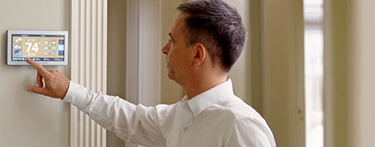
Heat Pump Installation & Maintenance Guide for Georgia Homes
Heat pumps are one of the most efficient, reliable, and cost-effective home comfort solutions available today — especially for Georgia’s climate. Whether you’re exploring a new installation or keeping your current system in top condition, this comprehensive guide helps you understand every major aspect of ownership so you can make confident, informed decisions.
Talk to a Heat Pump Specialist →
Introduction
Choosing the right comfort system for your home is one of the most important decisions a Georgia homeowner can make. Heat pumps offer exceptional year-round comfort by providing both heating and cooling in a single system — but their performance depends entirely on proper installation and routine professional maintenance.
This guide breaks down everything you need to know about heating installation, maintenance, system performance, efficiency, and long-term care. You’ll gain clarity on how professional technicians size, install, maintain, and evaluate heat pumps — without needing to take on any DIY tasks yourself.
Whether you’re considering upgrading your system or simply want to better understand the one you already own, this pillar page is your trusted resource.
What Is A Heat Pump & Why It’s Perfect For Georgia Homes
A heat pump works by transferring heat rather than generating it, making it one of the most efficient home comfort solutions available. In cooling mode, it removes heat from inside your home and releases it outside. In heating mode, it extracts heat from the outdoor air — yes, even cold air contains heat energy — and brings it indoors.
This technology aligns beautifully with Georgia’s climate. Because our winters rarely reach long stretches of freezing temperatures, heat pumps can operate at peak efficiency almost year-round. Homeowners enjoy:
- Steady, even temperatures
- Improved humidity control
- Lower energy bills
- Quiet operation
- Reliable comfort in every season
For these reasons, heat pumps have become the preferred choice for families seeking comfort, efficiency, and long-term value.
Types Of Heat Pump Systems For Georgia Homes
Georgia homeowners have several excellent heat pump options, each suited to different home layouts and comfort needs.
Air-Source Heat Pumps
The most common and ideal for homes with existing ductwork. They offer excellent efficiency, quick installation, and reliable performance.
Ductless Mini-Split Heat Pumps
Perfect for additions, sunrooms, bonus rooms, older homes without ducts, or zones with uneven temperatures.
Dual-Fuel Systems
A combination of a heat pump and a gas furnace. The heat pump provides highly efficient comfort most of the year, with the furnace offering backup heat on the coldest nights.
Geothermal Heat Pumps
The most energy-efficient option long-term, using underground temperatures — ideal for homeowners planning a long-term investment.
If you’re unsure which type is best for your home, a professional evaluation can guide you based on energy goals, home design, and comfort preferences.
Heat Pump Installation: What To Expect
Professional heat pump installation is one of the most important steps in ensuring long-term comfort and efficiency in your home. The quality of the installation directly affects how well your system performs, how much energy it uses, and how long it lasts. That’s why every installation begins with a complete assessment of your home. Your technician will take time to understand your home’s layout, total square footage, insulation level, and any existing ductwork to make sure the system selected aligns with your comfort needs. They also review airflow patterns, sun exposure throughout the day, and the general structure of your home. All of this information plays a role in how your heat pump will operate once installed.
Using these details, your technician performs a precise load calculation to determine the correct system size. This step is essential — a system that is too small may run constantly without ever fully achieving your desired temperature, while a system that is too large may turn on and off too frequently. Both scenarios lead to higher energy bills, reduced comfort, and unnecessary wear on system components. Proper sizing ensures your heat pump meets your home’s heating and cooling needs efficiently and consistently.
Once the sizing is finalized, the installation process begins. The outdoor unit is carefully positioned to allow for optimal airflow and protection from environmental elements. Indoors, the air handler is mounted securely to ensure quiet, stable operation. Refrigerant lines are connected with precision, and proper drainage is set up to prevent moisture buildup or leaking. Wiring is professionally installed and connected to your thermostat, ensuring seamless communication between all components.
After the physical installation, the system undergoes a thorough testing phase. Your technician will check airflow, temperature output, and refrigerant pressures to verify that every part of the system is functioning exactly as it should. They also run the heat pump through its heating, cooling, and defrost cycles. This step confirms that the system can adjust smoothly across different modes and respond effectively to temperature changes in your home.
By the time installation is complete, your heat pump is calibrated for peak performance, ready to deliver energy-efficient comfort in every season. Professional installation not only protects your investment but also ensures your heat pump performs reliably from the very first day.
Talk to a certified heat pump specialist today.
Heat Pump Maintenance: Why It Matters
Heat pumps run throughout the year — switching between cooling in summer and heating in winter. Because of this continuous operation, they need professional maintenance twice a year: once before the cooling season, and again before the heating season.
A maintenance appointment typically includes:
- Cleaning coils
- Checking refrigerant levels
- Testing electrical components
- Inspecting ductwork and airflow
- Verifying thermostat accuracy
- Lubricating moving parts
- Assessing safety controls
- Testing heating, cooling & defrost cycles
Routine maintenance protects efficiency, prevents breakdowns, and keeps your home’s comfort consistent — especially during Georgia’s extreme humidity and summer heat.
Common Heat Pump Problems & Warning Signs
Even with proper maintenance and regular care, a heat pump can begin to show natural signs of wear over time. Because heat pumps operate throughout the year — cooling your home in summer and heating it in winter — components experience continuous use. The key to preventing major breakdowns is recognizing early warning signs and addressing them promptly with professional service.
One of the most noticeable signs of a developing issue is reduced heating or cooling performance. If your home feels warmer or cooler than the temperature you’ve set, or if the system struggles to reach the thermostat setting altogether, it may indicate low refrigerant levels, restricted airflow, or strain on essential components. Longer-than-usual run times often accompany this reduced performance. A heat pump that runs continuously or cycles frequently may be compensating for a deeper mechanical or airflow problem.
Unexpected noises are another common indicator that something isn’t right. Heat pumps normally operate quietly, so sounds like rattling, buzzing, grinding, or hissing should be addressed quickly. These noises can point to loose parts, electrical issues, or refrigerant problems — all of which require professional diagnosis to prevent further damage.
Ice buildup on the coils, whether indoors or outdoors, is another sign homeowners should never ignore. While a light frost can occur under certain conditions, heavy or repeated ice accumulation suggests airflow restrictions or issues with the defrost cycle. Allowing ice to continue building can place strain on the system and lead to significant operational issues if left unaddressed.
A sudden increase in your energy bill is often an early clue that your heat pump is working harder than it should. When components wear down, airflow becomes restricted, or refrigerant levels drop, the system must use more energy to deliver the same level of comfort. Even if your home still feels comfortable, a noticeable rise in energy use is a signal that something inside the system needs attention.
Uneven temperatures from room to room or difficulty switching between heating and cooling modes are also signs of potential trouble. Heat pumps rely on carefully balanced components — including the reversing valve — to swap between modes smoothly. When this mechanism begins to fail, professional service is required to restore proper operation.
Each of these symptoms can reflect issues with refrigerant levels, electrical components, airflow, or internal mechanical parts. The sooner a professional technician is called in, the easier and more affordable the repair typically becomes. Early diagnostics help protect your equipment, extend its lifespan, and prevent the inconvenience of unexpected breakdowns during extreme weather.
Schedule a Heat Pump Diagnostic Today.
When To Repair Vs. When To Replace Your Heat Pump
Most heat pumps last 12–15 years. Deciding whether to repair or replace depends on:
- Age of the system
- Frequency of repairs
- Rising energy costs
- Performance issues
- Cost of the repair relative to replacement
A major failure such as a compressor or reversing valve repair may indicate it’s time to replace your system instead of continuing to invest in an aging unit. Newer heat pumps offer significantly higher efficiency, quiet operation, and improved comfort.
Energy Efficiency & Indoor Air Quality Benefits
One of the greatest strengths of heat pumps is their efficiency — but professional installation and heating maintenance maximize these gains. When paired with clean ductwork, high-quality filters, UV purification systems, and whole-home dehumidifiers, heat pumps contribute to better indoor air quality as well.
Improved IAQ means:
- Less dust
- Fewer allergens
- Better humidity control
- Healthier indoor conditions
Heat Pump Emergencies: When To Call Immediately
While heat pumps are designed to provide reliable, year-round comfort, certain situations require immediate attention from a professional technician. Ignoring urgent warning signs can lead to significant equipment damage, safety hazards, and uncomfortable indoor conditions — especially during Georgia’s extreme heat or unexpected cold snaps. Understanding when to treat a problem as an emergency can protect both your home and your system.
One of the most serious signs is when your heat pump stops heating or cooling entirely. A complete loss of operation during peak summer temperatures or a winter cold front can quickly make your home unsafe or uncomfortable. Sudden shutdowns may indicate compressor failure, electrical issues, or system overloads, all of which should be evaluated immediately.
A burning odor coming from your heat pump is another red flag that requires prompt attention. This type of smell may signal overheating components, electrical wiring problems, or potential fire risk. Heat pumps should never produce burning odors, and a technician should be contacted right away to identify the source and prevent further danger.
If your circuit breaker trips repeatedly when the heat pump runs, this is a sign of electrical stress or fault within the system. Breakers are designed to protect your home by shutting down power during unsafe conditions. Continual tripping should not be reset repeatedly — instead, it warrants immediate inspection from a qualified professional.
Heavy ice buildup on the outdoor unit or indoor coils is also a cause for concern. While a light frost can be normal under certain conditions, large amounts of ice point to deeper issues with airflow, refrigerant levels, or the defrost cycle. When left unaddressed, ice can damage coils, restrict performance, and compromise the entire system.
Loud or unusual noises — such as banging, screeching, grinding, or loud buzzing — are often indicators that a mechanical or electrical component is failing. These noises rarely resolve on their own and can lead to more extensive damage if the unit continues to operate.
In any of these situations, turning off the system and contacting a heat pump professional immediately is the safest course of action. Fast intervention helps protect your equipment, avoid costly repairs, and restore comfort to your home as quickly as possible. Emergencies rarely improve with time — quick action ensures your heat pump returns to safe, reliable operation.
Why Georgia Homeowners Trust Our Team
Homeowners choose us because we bring a combination of expertise, transparency, and long-standing local experience. Our technicians are certified, background-checked, and trained in the latest technologies. We offer clear communication, honest recommendations, and high-quality workmanship backed by strong warranties.
We also provide financing options to make upgrades more manageable.
FAQ’s
How long does a heat pump last?
Most heat pumps last between twelve and fifteen years, though some can last longer with consistent maintenance and gentle use. The lifespan depends on factors such as installation quality, frequency of operation, maintenance history, and overall system design. In Georgia’s mild climate, heat pumps often remain efficient for many years because they do not experience the extreme cold that strains systems in northern regions. Scheduling routine professional checkups plays a large role in maximizing system longevity.
Do heat pumps work effectively during Georgia winters?
Yes. Georgia’s winters are typically mild enough for heat pumps to operate efficiently throughout the season. Modern heat pump technology is designed to extract heat even from cold outdoor air, making it a dependable source of home heating. On unusually frigid nights, some systems may rely on supplemental heat or switch to a dual-fuel configuration if installed, but for most households, a heat pump provides steady and comfortable warmth all winter long.
How often should I schedule heat pump maintenance?
Professionals recommend servicing your heat pump twice a year — once before the cooling season and once before the heating season. These maintenance visits help the system run efficiently, identify potential issues early, and ensure you avoid unexpected breakdowns during peak temperatures. Regular upkeep also protects your warranty and supports the long-term health of the system.
Why is my heat pump running longer than usual?
Longer run times can be caused by several factors, including reduced airflow, refrigerant level issues, dirty coils, or aging components. In some cases, extreme outdoor temperatures can also cause the heat pump to run more frequently. When prolonged run times are accompanied by discomfort, noise, or higher utility bills, it’s best to have a professional perform a diagnostic assessment to identify the underlying cause.
Why is my energy bill suddenly higher?
A sudden rise in energy consumption often signals that your heat pump is working harder than normal to maintain indoor comfort. This can occur when refrigerant levels are off, filters are clogged, coils are dirty, or electrical components begin to wear out. Even small inefficiencies can cause noticeable increases in monthly bills. A technician can pinpoint the issue quickly, restore efficiency, and prevent further strain on the system.
Why won’t my heat pump switch between heating and cooling modes?
Difficulty switching modes is typically caused by a problem with the reversing valve — the component that allows the system to change the direction of refrigerant flow. When this valve becomes stuck or begins to fail, the heat pump may remain locked in one mode. Thermostat issues or electrical faults can also contribute to switching problems. Only a trained technician should evaluate and correct these issues to ensure safe, reliable operation.
Is heat pump installation disruptive to my home?
Most installations are completed in a single day, and professionals work efficiently to minimize disruption. While technicians will need access to both indoor and outdoor areas of your home, they take precautions to protect flooring, keep the workspace clean, and communicate clearly throughout the process. Once installation is complete, the system is fully tested, and you’ll receive guidance on operation and ongoing care.
How do I know if it’s better to repair or replace my heat pump?
If your heat pump is relatively new, has been maintained regularly, and the issue is minor, repair is usually the most practical choice. However, older systems — especially those over twelve years old — may experience frequent repairs, reduced efficiency, or rising energy bills. In these cases, replacing the system often provides better long-term value. A professional evaluation helps compare repair costs, performance, and expected lifespan so you can make the most informed decision for your home.
Ready to Improve Your Home’s Comfort?
Whether you need expert installation, seasonal maintenance, diagnostic help, or a full system replacement, our team is here to support your home every step of the way.
Talk to a Heat Pump Specialist →