


Homeowner’s Guide to HVAC & Plumbing Maintenance
Your home’s heating, cooling, and plumbing systems work behind the scenes every day to keep your household comfortable and functional. Most of the time, they do their job quietly without drawing much attention. However, when one of these systems fails, the inconvenience and repair costs can be significant. Regular HVAC and plumbing maintenance is one of the most effective ways to prevent unexpected breakdowns, control utility costs, and extend the lifespan of your equipment.
This homeowner’s guide explains why maintenance matters, how to care for your systems throughout the year, and when it’s time to call a professional.
Why Regular HVAC & Plumbing Maintenance Matters
Many major system failures begin as small, easily preventable issues. A clogged air filter, a slow-dripping pipe, or a dirty condenser coil may not seem urgent at first, but over time these problems place extra strain on your equipment. That strain leads to higher energy consumption, reduced performance, and eventually costly repairs or premature system replacement.
Routine maintenance helps keep your HVAC and plumbing systems operating efficiently and safely. Well-maintained systems use less energy, provide more consistent comfort, and last longer. Maintenance also improves indoor air quality, reduces the risk of water damage, and allows technicians to identify developing problems before they become emergencies. For homeowners, preventive care is one of the simplest and smartest investments you can make in your home.
Seasonal HVAC Maintenance Guide
Heating and cooling systems face different challenges depending on the season. Preparing your equipment ahead of peak usage periods reduces the likelihood of breakdowns and improves overall performance.
Spring and Summer Air Conditioning Care
As temperatures rise, your air conditioning system works harder to maintain comfortable indoor conditions. Before summer begins, homeowners should make sure their cooling system is clean and functioning properly. Replacing or cleaning air filters regularly helps maintain proper airflow and prevents dust from circulating through the home. The outdoor condenser unit should be kept free of leaves, grass clippings, and debris so it can release heat efficiently.
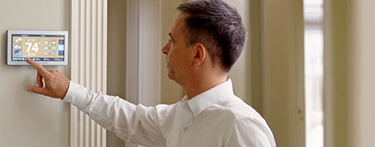
It is also important to check thermostat settings, test cooling modes, and ensure that vents and registers throughout the home are open and unobstructed. If your system is blowing warm air, producing weak airflow, making unusual noises, or causing energy bills to rise unexpectedly, professional service may be needed. Scheduling an air conditioning tune-up in the spring allows technicians to inspect components, clean coils, and correct small issues before they turn into mid-summer emergencies.
Fall and Winter Heating System Care
Before cold weather arrives, your heating system should be inspected to ensure safe and reliable operation throughout the winter. Homeowners should replace furnace filters, test thermostat performance, and confirm that smoke and carbon monoxide detectors are functioning properly. Blocked vents, damaged flues, or malfunctioning burners can reduce efficiency and pose safety risks.
Uneven heating, unusual odors, loud operation, or frequent cycling are common warning signs that a heating system needs attention. Annual professional heating inspections not only improve performance but also help detect carbon monoxide leaks and other hazards that could threaten your family’s safety. A properly maintained heating system delivers more consistent warmth, consumes less energy, and provides peace of mind during the coldest months of the year.
Plumbing Maintenance Guide for Homeowners
Plumbing systems are often overlooked because many pipes are hidden behind walls and under floors. Unfortunately, leaks and corrosion can develop silently and cause extensive water damage before homeowners realize there is a problem. Regular plumbing maintenance helps protect your home from costly repairs, mold growth, and unexpected water loss, while also reducing the need for emergency leak repair services.
On a monthly basis, homeowners should inspect visible pipes, faucets, and fixtures for signs of leaking or corrosion, especially in high-use areas such as bathrooms and kitchen plumbing systems. Checking under sinks, around toilets, and near appliances such as washing machines and dishwashers can reveal small drips before they spread. Monitoring water pressure is also helpful, as sudden changes may indicate developing leaks or blockages in the system that may require professional leak repairs.
At least once a year, additional maintenance steps should be taken. Flushing the water heater removes sediment that reduces efficiency and shortens the unit’s lifespan. Sump pumps should be tested to ensure they operate properly during heavy rain. Outdoor faucets and exposed pipes should be inspected for freeze damage, especially after winter weather. Professional drain and sewer line inspections can also identify hidden problems in kitchen plumbing and main lines before they cause backups or flooding.
Warning Signs You Need Professional Service
Some system issues require immediate professional attention. Loss of heating or cooling during extreme temperatures, unexplained increases in utility bills, low water pressure, or visible water stains on ceilings and walls often indicate serious underlying problems. Gurgling drains, frequent clogs, burning smells, or loud mechanical noises should never be ignored.
When these warning signs appear, delaying service can lead to more extensive damage and higher repair costs. Calling a licensed HVAC or plumbing professional early helps protect your home and restore comfort quickly.
The Importance of Professional Maintenance
While homeowners can perform basic tasks such as changing filters and visually inspecting fixtures, professional maintenance plays a critical role in system performance and safety. Trained technicians use specialized tools and testing equipment to measure airflow, check refrigerant levels, inspect electrical components, and evaluate combustion systems. In plumbing systems, professionals can detect hidden leaks, test water heaters, and inspect main sewer lines.
Professional maintenance not only improves efficiency but also ensures your systems meet safety standards and manufacturer warranty requirements.
Why Choose Holtkamp for HVAC & Plumbing Maintenance
At Holtkamp HVAC & Plumbing, we help homeowners protect their comfort systems through thorough inspections, preventive care, and dependable service. Our licensed technicians focus on identifying small issues before they become major repairs, helping you save money and avoid inconvenient breakdowns.
We provide trusted local service, preventive maintenance plans, fast response for urgent needs, and honest recommendations tailored to your home. With regular professional maintenance, you can enjoy reliable comfort, improved efficiency, and confidence in your home’s systems year-round.
Schedule Your Maintenance Service Today
Protect your home, improve efficiency, and avoid unexpected repairs with professional HVAC and plumbing maintenance from Holtkamp.
📞 Call us today or schedule your service online to keep your home comfortable all year long.
Frequently Asked Questions
How often should HVAC systems be serviced?
Most systems should be professionally inspected and tuned up twice a year — once in spring for cooling and once in fall for heating.
Is HVAC maintenance really necessary?
Yes. Regular maintenance improves efficiency, reduces breakdowns, and can extend system life by several years.
How often should plumbing be inspected?
Basic checks should be done monthly by homeowners, with professional inspections recommended once a year.
Can I perform HVAC and plumbing maintenance myself?
Homeowners can handle simple tasks like filter changes and visual inspections, but professional servicing is essential for safety and performance.
What’s included in a professional tune-up?
A typical tune-up includes system cleaning, performance testing, safety checks, lubrication, and minor adjustments.