


Homeowners rely on their HVAC systems to keep their living spaces comfortable and safe year-round.
When something goes wrong, the first instinct is often to call for emergency HVAC service.
While professional assistance is critical for complex issues, there are several checks you can perform before making that call.
Doing so can help you identify simple problems that you may be able to resolve yourself, save money on unnecessary service calls, and provide your HVAC technician with important information that speeds up repairs.
In this guide, we’ll walk through key areas to check before calling for emergency HVAC service, tips for maintaining your system, and how choosing the right professional HVAC service can ensure your system runs efficiently and reliably.
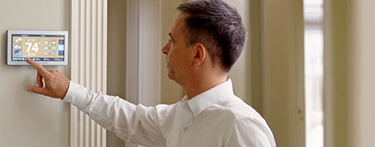
1. Check Your Thermostat Settings
One of the most common reasons homeowners experience HVAC issues is incorrect thermostat settings.
Before contacting emergency service, verify that:
- The thermostat is set to the correct mode (heat, cool, or auto).
- The temperature setting is appropriate for your comfort.
- Batteries in the thermostat are fresh, if it’s not hardwired.
Sometimes, a simple adjustment or battery replacement can restore proper function.
For programmable or smart thermostats, ensure the system isn’t set to an unexpected schedule that keeps your HVAC off.
2. Inspect Your Circuit Breaker and Power Supply
Your HVAC system relies on electricity to function. If the system is unresponsive, it’s worth checking your home’s circuit breaker:
- Ensure the breaker for your HVAC unit hasn’t tripped.
- If it has, reset it and see if the system turns on.
- Check for blown fuses if your system uses a fuse box instead of breakers.
A lack of power could be the sole reason your HVAC system isn’t working.
This is a simple issue that doesn’t require a service call, though persistent tripping breakers should be investigated by a professional.
3. Examine Air Filters and Vents
Dirty air filters are one of the most common causes of HVAC malfunctions. Before calling emergency HVAC service:
- Inspect your air filters. Replace them if they’re clogged with dust or debris.
- Check vents and registers to ensure they’re open and unobstructed.
- Make sure furniture or drapes aren’t blocking airflow.
Clean filters and clear vents improve airflow, reduce strain on your system, and enhance energy efficiency.
Regularly replacing filters is a simple way to extend the life of your HVAC system and maintain comfort.
4. Listen for Unusual Noises
Unusual sounds from your HVAC system can indicate mechanical issues:
- Banging or rattling could signal loose components or debris in the system.
- Hissing may indicate a refrigerant leak or a blocked vent.
- Clicking can mean a relay or electrical component is malfunctioning.
Documenting these sounds can help your professional HVAC service technician diagnose the problem more efficiently, potentially reducing repair time and costs.
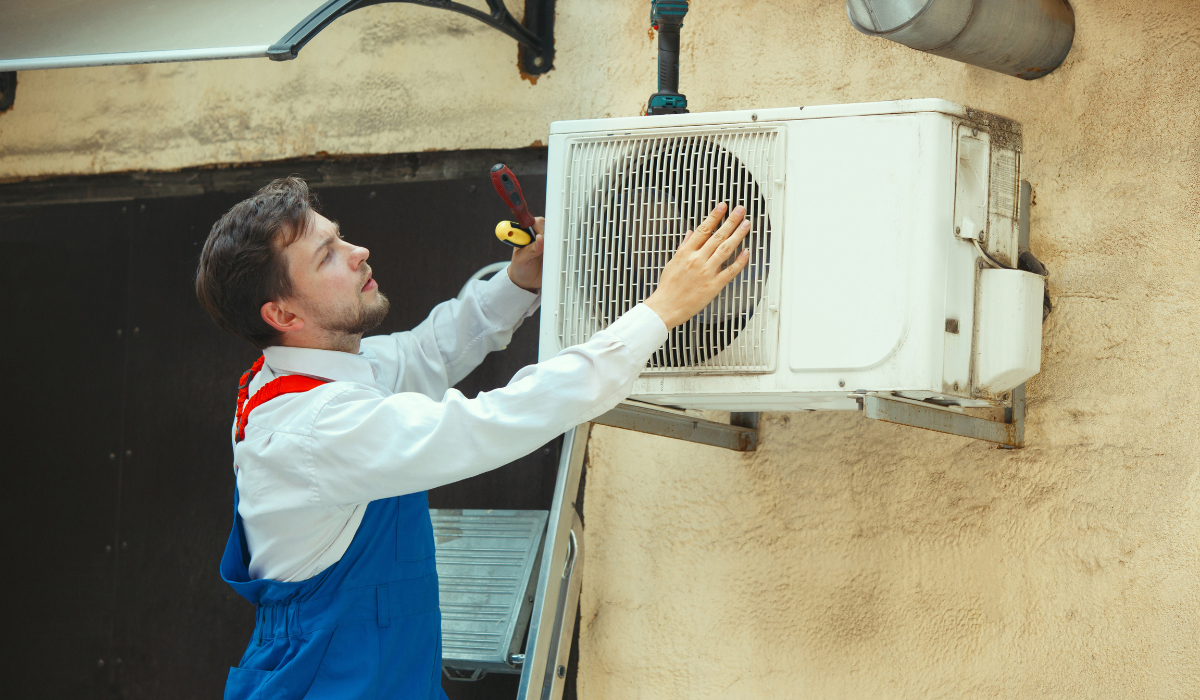
5. Check for Obstructions Around the Outdoor Unit
For systems with outdoor components, such as air conditioners or heat pumps:
- Ensure there’s at least 2–3 feet of clearance around the unit.
- Remove leaves, dirt, or debris from around the condenser.
- Make sure the unit is level and not buried in dirt or snow.
Restricted airflow or debris can cause your system to overheat, freeze, or run inefficiently.
A quick inspection may resolve minor issues or at least give technicians a better idea of the source of the problem.
6. Look for Leaks or Moisture
Leaks or excess moisture can compromise HVAC performance:
- Check for water pooling around the indoor unit or condensate lines.
- Inspect ductwork for visible holes or signs of moisture damage.
- Look for ice buildup on evaporator coils, which may indicate refrigerant issues.
Identifying leaks before calling for emergency HVAC service helps technicians address the underlying cause more quickly and prevents further damage to your home.
7. Observe System Performance and Temperature Consistency
Monitor your home’s temperature and system behavior:
- Are certain rooms hotter or colder than others?
- Does the system cycle on and off frequently?
- Is there a delay in achieving the set temperature?
Documenting these details helps your professional HVAC service team diagnose issues efficiently.
Temperature inconsistencies often signal airflow problems, refrigerant issues, or failing components.
8. Consider the Age of Your System
Older HVAC systems may require more frequent maintenance or replacement.
Before calling emergency service, take note of:
- The age of your HVAC system.
- Any recurring problems or repairs in the past year.
- Whether your system is still energy-efficient compared to newer models.
If your system is approaching or exceeding 15–20 years, replacement might be a more cost-effective solution than repeated emergency repairs.
Modern energy-efficient HVAC systems offer better performance, lower energy bills, and improved comfort.
9. Check for Obvious Maintenance Needs
Before calling emergency HVAC service, ensure that routine maintenance hasn’t been neglected:
- Look for clogged drain lines, dirty coils, or deteriorated insulation.
- Ensure ductwork is properly sealed to prevent energy loss.
- Verify that outdoor units are free from dirt, leaves, or snow.
Regular maintenance by a professional HVAC service team can prevent emergencies, extend equipment life, and maintain energy efficiency.
10. Review Your HVAC Warranty and Service Plan
If you have a warranty or service plan, check its coverage before calling emergency HVAC service:
- Determine if the issue is covered under warranty.
- Review recommended procedures to maintain coverage.
- Understand whether the service plan includes emergency visits.
This ensures that you maximize the value of your warranty or service plan and avoid unnecessary out-of-pocket expenses.
11. Know When to Call Professional HVAC Service
After performing these checks, you may still need professional help.
Situations that warrant an immediate call include:
- No power to the unit after checking breakers.
- Strange noises, smoke, or burning smells.
- Refrigerant leaks or frozen coils.
- Repeated short cycling or system shutdowns.
- Visible signs of damage to components or ductwork.
Calling a trained professional ensures safe and effective repairs, protecting both your home and your HVAC system.
12. Benefits of Professional HVAC Service
Choosing a qualified professional HVAC service offers several advantages:
- Expert Diagnostics: Trained technicians can accurately identify and fix problems.
- Efficient Repairs: Professional service reduces downtime and prevents recurring issues.
- Safety: Handling refrigerants and electrical components can be hazardous without proper training.
- Extended System Life: Regular service maintains performance and prolongs your system’s lifespan.
- Energy Efficiency: Professionals can optimize your system to operate as an energy-efficient HVAC unit, reducing monthly energy costs.
13. Upgrading or Installing a New HVAC System
Sometimes, recurring issues or aging systems indicate it’s time for HVAC installation or replacement.
Benefits of upgrading include:
- Energy Savings: Modern systems use advanced technology to minimize energy use.
- Improved Comfort: New systems provide consistent temperatures and better airflow.
- Reliability: Less frequent breakdowns reduce emergency service calls.
- Environmental Impact: Energy-efficient HVAC systems reduce your carbon footprint.
A professional HVAC service team can recommend the right system for your home, ensuring optimal performance and value.
14. Tips to Avoid Future HVAC Emergencies
Preventing emergencies is always better than reacting to them.
Consider these tips:
- Schedule Annual Maintenance: Professional inspections catch minor issues before they become major problems.
- Replace Filters Regularly: Clean filters improve efficiency and air quality.
- Monitor System Performance: Track unusual behavior, noises, or temperature inconsistencies.
- Ensure Proper Ventilation: Keep vents and ducts clear of obstructions.
- Upgrade Aging Systems: Consider energy-efficient HVAC systems to reduce future breakdowns.
By taking proactive measures, you minimize the likelihood of unexpected failures and ensure a reliable home comfort system.
15. When to Call Holtkamp HVAC & Plumbing
If your HVAC system exhibits serious issues that you can’t resolve through basic checks, don’t wait.
Holtkamp HVAC & Plumbing offers professional HVAC service with over 25 years of experience in residential and commercial systems.
Their team provides:
- Expert diagnostics and repairs.
- HVAC installation and replacement.
- Maintenance for energy-efficient HVAC systems.
- Quick response for emergencies.
By contacting Holtkamp, you ensure your system is handled with integrity, expertise, and care, keeping your home safe, comfortable, and fully functional.
Conclusion
Before calling emergency HVAC service, it’s important to perform some preliminary checks.
Examining your thermostat, power supply, filters, vents, and outdoor units can help you identify simple problems and provide valuable information to your technician.
Understanding the age and maintenance needs of your system, observing unusual sounds, and knowing when professional service is necessary will save time, money, and stress.
Regular professional HVAC service, timely repairs, and considering energy-efficient upgrades ensure your home remains comfortable year-round.
Don’t wait for a small issue to escalate—take action today to protect your investment and maintain a safe, efficient, and reliable HVAC system.
For trusted and professional HVAC service, installation, or maintenance, contact Holtkamp HVAC & Plumbing.
With our commitment to excellence and over 25 years of experience, you can rest assured your home’s comfort is in expert hands.
FAQs
What should I check before calling emergency HVAC service?
Before calling a professional, check your thermostat settings, ensure the HVAC system has power, inspect air filters and vents, listen for unusual noises, and verify there are no leaks or obstructions around your unit. These steps can help identify simple issues and provide valuable information to the technician.
How often should I replace HVAC filters?
It’s recommended to replace standard HVAC filters every 1–3 months, depending on usage and the type of filter. Regular replacement improves airflow, energy efficiency, and indoor air quality.
When is it better to call professional HVAC service instead of DIY repairs?
Call a professional if you notice strange noises, refrigerant leaks, frozen coils, electrical issues, or repeated system shutdowns. Handling these problems without expertise can be dangerous and may void warranties.
Can a dirty thermostat cause HVAC problems?
Yes. Incorrect thermostat settings or dead batteries can prevent your HVAC system from functioning correctly. Always check the thermostat first before calling for emergency service.
How can I tell if my HVAC system needs replacement?
Signs include frequent breakdowns, inconsistent temperatures, high energy bills, or an aging system over 15–20 years old. Upgrading to a modern, energy-efficient HVAC system can save money and improve comfort.
Why is my HVAC system making strange noises?
Banging, rattling, hissing, or clicking noises may indicate loose components, debris in the system, refrigerant leaks, or electrical issues. Documenting the noise helps professional HVAC service technicians diagnose and repair the problem faster.