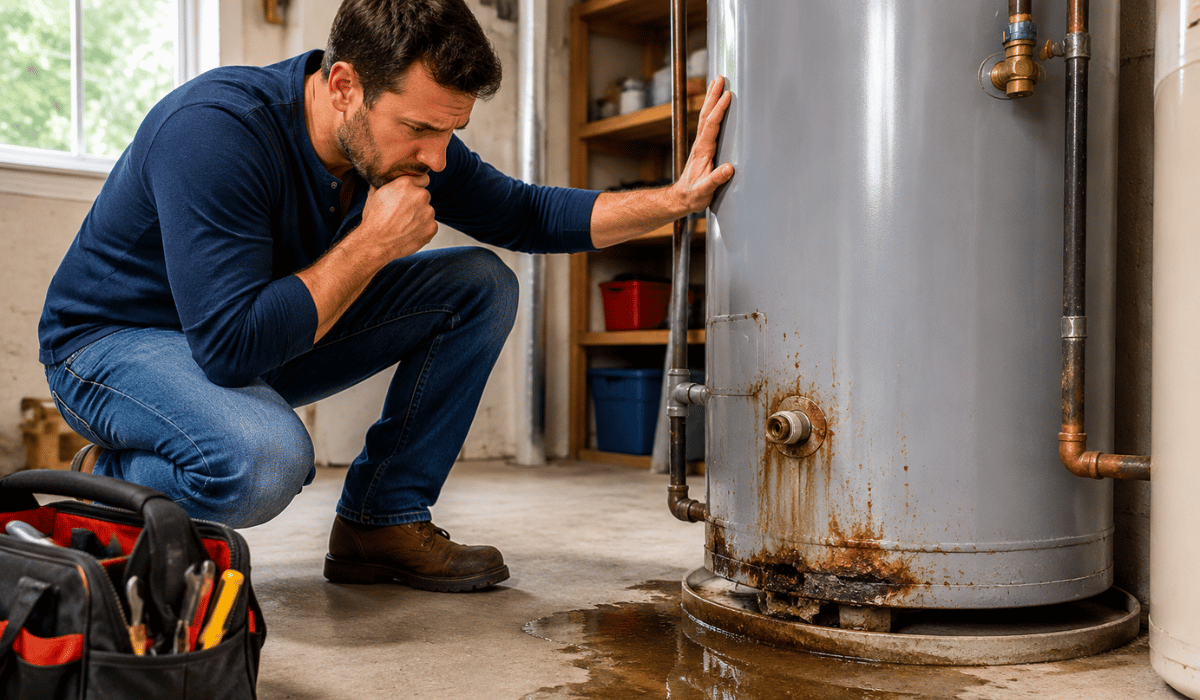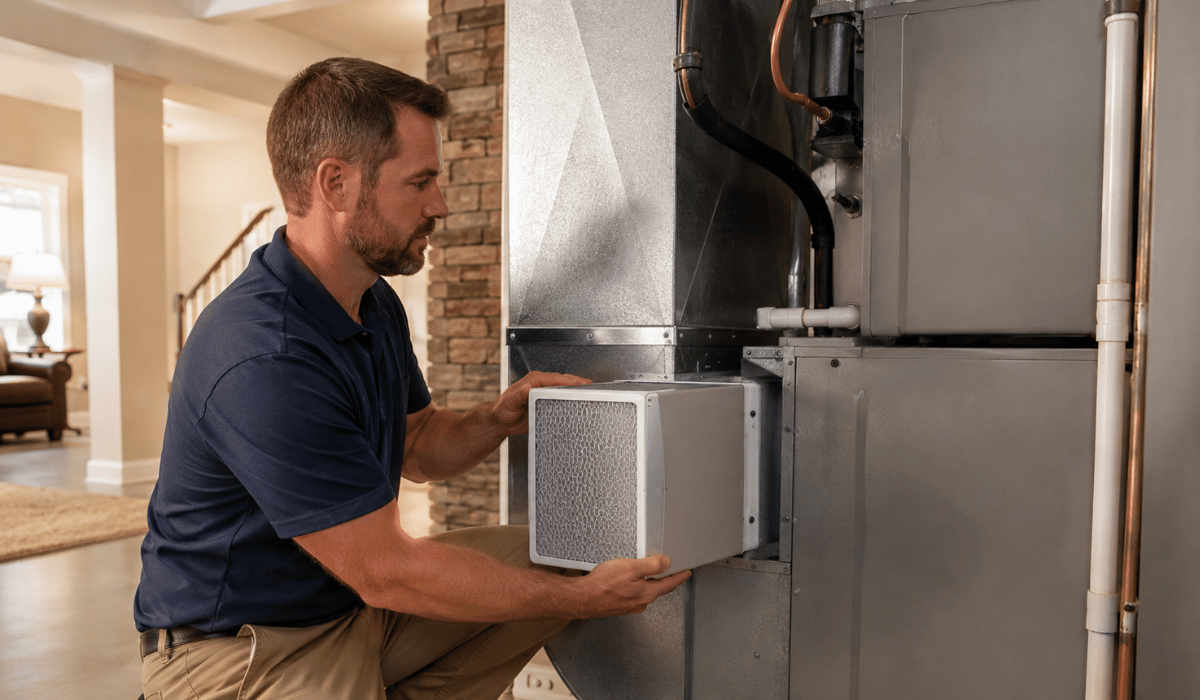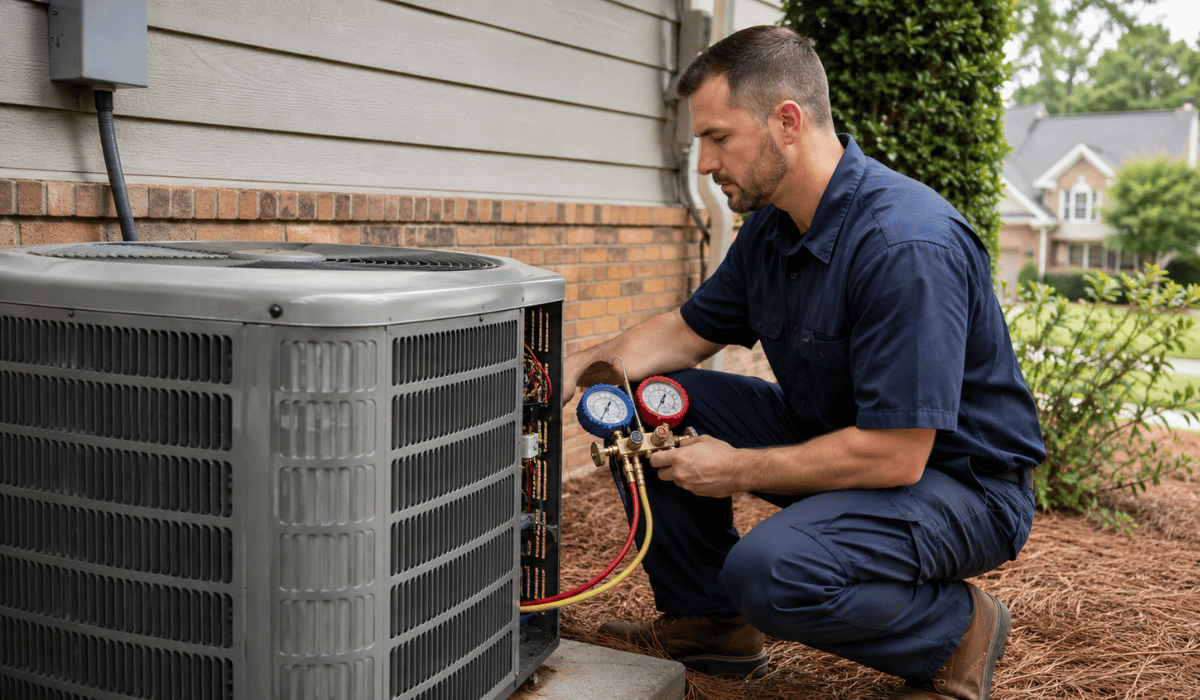



Commercial hvac services near me is a high-intent search for Gwinnett County business owners, office managers, and facilities directors who need more than a quick repair. Commercial HVAC decisions affect operating costs, tenant comfort, employee productivity, customer experience, energy use, and long-term capital planning. When equipment begins to fail, the real question is not only “Who can fix it?” The bigger question is whether the system should be repaired, upgraded, or retrofitted.
For commercial properties, the wrong HVAC decision can become expensive. A short-term repair may seem affordable, but repeated failures can interrupt business operations. A full replacement may solve reliability problems, but it may not always be necessary if targeted upgrades or retrofit work can improve performance. A retrofit may be the smartest middle path when the system structure is still useful but controls, zoning, efficiency, or components need improvement.
Holtkamp HVAC & Plumbing provides commercial HVAC service for businesses across Gwinnett County and surrounding areas. This framework is designed to help decision-makers evaluate equipment age, energy use, repair history, compliance factors, budget timing, contractor qualifications, and long-term return before choosing the next step.
Why Commercial HVAC Decisions Are Different From Residential Repairs
Residential HVAC decisions usually focus on one household’s comfort. Commercial HVAC decisions are broader. A failing system can affect employees, customers, tenants, inventory, equipment rooms, lease obligations, and operating schedules. In offices, poor cooling can reduce productivity. In retail, it can shorten customer visits. In medical, childcare, restaurant, or fitness environments, indoor comfort can affect safety, reputation, and daily operations.
This is why searching for a commercial hvac company is different from searching for a residential repair provider. Commercial properties may use rooftop HVAC units, packaged systems, split systems, zoning controls, economizers, make-up air equipment, or multiple systems serving different spaces. Repairs may also need to be coordinated around business hours, tenant access, or facility requirements.
A strong commercial HVAC decision should consider three paths: repair, upgrade, or retrofit. The right choice depends on system age, condition, efficiency, code requirements, budget, and the financial impact of downtime.
Step 1: Start With Equipment Age and Expected Service Life
Equipment age is the first decision point. Commercial HVAC systems do not all age the same way. A rooftop unit exposed to Georgia heat, storms, pollen, and long summer run times may have a different service life than an indoor air handler in a controlled mechanical room.
ASHRAE is a key standards organization for HVAC and building systems, and its guidance is often used by engineers, contractors, and facilities teams when evaluating equipment performance and building efficiency. ASHRAE Standard 90.1 provides minimum energy-efficiency requirements for most sites and buildings except low-rise residential buildings.
For practical planning, many commercial decision-makers use service-life expectations as a starting point, then adjust based on maintenance history, operating hours, climate exposure, and repair frequency. Older equipment does not always need immediate replacement, but once major components begin failing, the age of the system becomes a serious budgeting factor.
If a system is newer and has an isolated problem, repair may be the right move. If it is older, inefficient, and failing repeatedly, replacement or retrofit planning may be more cost-effective.
Step 2: Use Repair History to Identify a Pattern
One repair does not always mean the equipment is failing. Repeated repairs tell a different story. Facilities teams should review service calls over the last 24 to 36 months and look for patterns.
If the same rooftop unit has needed multiple electrical repairs, refrigerant-related service, blower motor replacement, compressor attention, or repeated drain issues, the repair history may indicate deeper system decline. If multiple zones are producing comfort complaints, the issue may involve controls, airflow, ductwork, or system design rather than a single broken part.
This is where a commercial hvac repair near me search should lead to a diagnostic conversation, not just a repair invoice. A qualified contractor should help determine whether the repair is isolated, recurring, or connected to a larger building comfort issue.
Repair is usually most reasonable when the issue is limited, the equipment is not near end of life, parts are available, and the system still meets the building’s needs. Upgrade or retrofit becomes more attractive when repair history shows the same problems returning.
Step 3: Conduct a Commercial Energy Audit or System Performance Review
A commercial energy audit helps decision-makers understand how HVAC equipment affects utility costs and building performance. The audit may review operating schedules, thermostat settings, system runtime, equipment condition, duct losses, ventilation, zoning, controls, filters, coils, and tenant comfort patterns.
This does not always require a complex engineering study at the first step. Many businesses begin with a practical HVAC performance review. The goal is to answer questions such as: Is the system oversized or undersized? Are controls outdated? Are units running when spaces are unoccupied? Are filters and coils restricting airflow? Are utility bills rising? Are tenants or employees reporting comfort problems?
Commercial energy codes often reference energy-performance standards. The U.S. Department of Energy notes that ASHRAE Standard 90.1 includes performance path options, including the Energy Cost Budget method and Performance Rating Method, which allow compliance flexibility through performance-based approaches.
For business owners, the practical takeaway is simple: HVAC decisions should not only focus on whether the unit turns on. They should also consider how efficiently the system supports the building.
Step 4: Calculate ROI for Repair, Upgrade, or Retrofit
A commercial HVAC decision should include a return-on-investment discussion. Repair may have the lowest immediate cost, but it may not create the best long-term value if the equipment keeps failing or operating inefficiently.
A basic ROI comparison should consider repair cost, expected remaining system life, energy usage, downtime risk, comfort complaints, maintenance cost, utility savings, and the impact of planned versus emergency replacement. For example, a repair may be justified if it extends useful life for several years at a reasonable cost. An upgrade may be better if it improves controls, airflow, or efficiency without replacing the entire system. A retrofit may be useful when the building needs better zoning, automation, ventilation, or energy performance.
Commercial HVAC retrofit work can include controls upgrades, economizer repair or replacement, zoning improvements, ductwork modifications, rooftop unit component updates, ventilation improvements, or staged replacement planning. The right retrofit can help improve performance without requiring full system replacement all at once.
For business owners comparing affordable hvac repair near me, affordability should include long-term cost, not only the first invoice.
Step 5: Consider Code, Compliance, and Efficiency Requirements
Commercial HVAC work may involve permitting, inspections, energy code compliance, equipment efficiency requirements, and ventilation considerations. Georgia energy code materials reference commercial buildings being inspected for compliance with the energy code or ASHRAE 90.1, including inspection and verification reporting when applicable.
Georgia’s mechanical code amendments also state that the Georgia State Minimum Standard Energy Code is used for efficiency and coefficient of performance ratings of mechanical equipment.
For business owners, this means HVAC upgrades and replacements should not be treated as simple equipment swaps without review. The contractor should understand applicable requirements and help coordinate code-aware installation or retrofit work. Depending on the scope, commercial projects may involve efficiency ratings, ventilation, controls, ductwork, equipment access, electrical work, and other requirements.
A reliable commercial hvac company near me should be able to explain these considerations in practical terms and avoid shortcuts that create problems later.
Step 6: Budget for Planned Replacement Instead of Emergency Replacement
Emergency HVAC replacement is usually more disruptive than planned replacement. When a commercial system fails during peak summer, businesses may have fewer scheduling options, less time to compare equipment, and greater pressure to approve work quickly.
Planned replacement allows property owners and facilities teams to budget ahead, compare equipment options, coordinate tenant communication, schedule work around operations, and review financing if needed. It can also reduce downtime because the project is planned before the system fails completely.
Budgeting should include equipment cost, labor, access requirements, crane or lift needs if applicable, electrical or gas work, controls, ductwork, permit requirements, and possible downtime. For larger commercial properties, staged replacement may help spread investment over time while addressing the highest-risk units first.
Holtkamp HVAC & Plumbing can help commercial clients evaluate whether repair, upgrade, retrofit, or planned replacement is the best path based on current system condition.
Step 7: Know When Repair Makes Sense
Repair can make sense when the system is still within a reasonable service-life window, the issue is isolated, parts are available, comfort performance is otherwise acceptable, and repair cost is modest compared with replacement.
Examples may include a failed capacitor, minor electrical issue, clogged drain, thermostat problem, sensor issue, belt or motor concern, or localized airflow problem. In these cases, repairing the unit may restore performance without requiring a larger investment.
However, repair should still include proper diagnostics. A technician should identify what failed, why it failed, and whether related components show signs of stress. A commercial repair should not be a guess. It should be a documented recommendation that helps the business decide with confidence.
Step 8: Know When an Upgrade Makes Sense
An upgrade may be the right choice when the equipment is still useful but performance can be improved. Upgrades can include better controls, programmable or smart thermostats, zoning improvements, improved filtration, coil cleaning, economizer improvements, ventilation adjustments, or replacing selected components.
Upgrades are often useful when comfort complaints are connected to control strategy, airflow, scheduling, or zone imbalance rather than total equipment failure. For example, a building may not need full replacement if the main issue is outdated controls causing systems to run at the wrong times.
Commercial HVAC upgrades can also support better energy management. If your system runs after hours, cools unoccupied spaces, or struggles with inconsistent zones, an upgrade may produce a better operational result than repeated repairs.
Step 9: Know When Retrofit or Replacement Is the Better Path
Retrofit or replacement becomes more likely when systems are old, inefficient, unreliable, or no longer aligned with the building’s use. If a property has changed tenants, added equipment, converted spaces, or changed occupancy patterns, the original HVAC design may no longer fit current needs.
Replacement may be the best option when major components fail, refrigerant issues are expensive, parts are difficult to source, energy costs are high, or tenant complaints are frequent. Retrofit may be appropriate when the building needs modernization but not every piece of equipment must be replaced immediately.
A retrofit approach can help commercial owners modernize strategically. Instead of reacting to breakdowns, the business can prioritize the highest-risk systems, improve controls, and plan capital expenses over time.
How to Evaluate Commercial HVAC Contractors in Gwinnett County

Choosing the best hvac company near me for commercial work means looking beyond residential reviews. Business owners should evaluate commercial experience, technician training, service response, communication, documentation, safety practices, warranty support, and ability to handle both repair and replacement planning.
Ask whether the company services commercial properties, rooftop units, packaged systems, split systems, and commercial heating and cooling equipment. Ask how they document findings and how they communicate with property managers, office managers, or facilities teams.
A strong contractor should also provide clear estimates, explain repair versus replacement options, understand local code considerations, and offer maintenance support after the immediate issue is resolved.
Holtkamp’s Commercial HVAC Service Process
Holtkamp HVAC & Plumbing provides commercial HVAC services for businesses across Gwinnett County and surrounding communities. Their process begins with understanding the property’s comfort issue, business priorities, equipment condition, and urgency.
A technician can inspect the system, review performance concerns, evaluate repair needs, and explain options clearly. Depending on the situation, Holtkamp may recommend repair, maintenance, upgrade, retrofit planning, or replacement evaluation.
Holtkamp’s service approach includes certified technicians, upfront pricing, clean workspaces, proper system recommendations, comfort-focused support, financing options where applicable, and commercial HVAC experience. Their team supports businesses that need practical answers, not vague recommendations.
Conclusion: The Right Commercial HVAC Decision Protects Operations
Commercial HVAC decisions should not be rushed or based only on the lowest repair price. For Gwinnett County businesses, the right decision should balance equipment age, repair history, energy performance, compliance needs, ROI, budget timing, and operational risk.
Repair may be right for isolated issues. Upgrades may be right when performance can be improved without full replacement. Retrofit or replacement may be best when systems are aging, inefficient, or no longer meeting the building’s needs.
A structured framework helps business owners and facilities teams make decisions that protect comfort, operations, and long-term budgets.
Call Holtkamp HVAC & Plumbing for Commercial HVAC Services in Gwinnett County
If you are searching for commercial hvac services near me, commercial heating and cooling near me, or commercial hvac repair near me, contact Holtkamp HVAC & Plumbing for commercial HVAC support in Gwinnett County.
Their team can inspect your system, explain repair and upgrade options, and help you decide whether repair, retrofit, or replacement is the right next step for your building.
FAQs
How do I decide whether to repair, upgrade, or replace commercial HVAC equipment?
Start with equipment age, repair history, energy performance, comfort complaints, and downtime risk. Repair may work for isolated issues, while upgrades can improve controls or airflow. Replacement or retrofit may be better when equipment is older, inefficient, or repeatedly failing.
What is a commercial HVAC retrofit?
A commercial HVAC retrofit updates part of an existing system without replacing everything. Retrofit work may include controls, zoning, economizers, ventilation, ductwork, or selected equipment components. It can be a practical option when the system needs modernization but a full replacement is not required.
When should a business replace a commercial HVAC system?
Replacement may be appropriate when equipment is near the end of service life, repair costs are rising, parts are difficult to source, energy bills are high, or comfort complaints are frequent. Replacement may also make sense when the building’s use has changed. A professional evaluation can help confirm the best path.
What does a commercial energy audit include?
A commercial energy audit may review equipment condition, operating schedules, controls, airflow, ventilation, utility usage, filters, coils, building occupancy, and comfort patterns. The goal is to understand how HVAC systems affect energy use and performance. The findings can guide repair, upgrade, or retrofit decisions.
Are commercial HVAC upgrades subject to energy codes?
Commercial HVAC work may involve energy code requirements, equipment efficiency rules, inspections, and compliance documentation depending on the project scope. Georgia energy code materials reference ASHRAE 90.1 and state energy code requirements for mechanical equipment efficiency. A qualified contractor can help explain what applies.
Why is planned HVAC replacement better than emergency replacement?
Planned replacement gives businesses time to budget, compare equipment, schedule work, coordinate tenants, and reduce downtime. Emergency replacement usually happens under pressure and may limit equipment or scheduling options. Planning ahead can reduce operational disruption.
How do I choose a commercial HVAC company in Gwinnett County?
Look for commercial experience, trained technicians, clear estimates, documentation, warranty support, maintenance options, and the ability to explain repair versus replacement. A good contractor should understand business operations, property access, and commercial equipment needs.
Can Holtkamp service rooftop HVAC units?
Holtkamp HVAC & Plumbing provides commercial HVAC services for businesses in Gwinnett County, including repair, maintenance, and system evaluations. If your property uses rooftop HVAC units, packaged systems, or commercial heating and cooling equipment, their team can inspect the system and recommend next steps.
Who should I call for commercial HVAC services near me in Gwinnett County?
Gwinnett County business owners, office managers, and facilities directors can contact Holtkamp HVAC & Plumbing for commercial HVAC services. Their team provides commercial repair, maintenance, upgrade guidance, retrofit planning, and replacement support for local businesses.