


Gas lines are an essential part of many homes, powering appliances like stoves, water heaters, furnaces, and fireplaces. While natural gas provides convenience and efficiency, it also carries inherent risks if not properly installed, maintained, or repaired. Understanding gas line safety is critical for every homeowner. By staying informed, you can protect your home, family, and property from potential hazards.
At Holtkamp Plumbing, we specialize in gas line installation, gas line repairs, and new gas line installations, ensuring your system operates safely and efficiently. Our team of skilled professionals is committed to providing practical advice and high-quality services that keep your home secure.
Recognize the Signs of a Gas Leak
One of the most important aspects of gas line safety is being able to identify a potential leak. Gas leaks can be dangerous and require immediate attention. Common warning signs include:
- Smell of Rotten Eggs: Natural gas is odorless, but utility companies add a sulfur-like scent to help detect leaks.
- Hissing Sounds: A persistent hissing or whistling near gas appliances or pipelines may indicate a leak.
- Dead Vegetation: Unexplained patches of dead grass or plants near underground gas lines can signal a leak.
- Physical Symptoms: Dizziness, nausea, headaches, or irritation of the eyes and throat while indoors can suggest gas exposure.
If you suspect a gas leak, leave the area immediately, avoid using electrical switches or open flames, and contact a professional for gas line repairs.
Schedule Professional Gas Line Installation
Proper installation is the foundation of gas line safety. Attempting DIY gas line work is extremely risky and can lead to leaks or explosions. Whether you are installing a new stove, water heater, or furnace, always rely on certified professionals for gas line installation.
At Holtkamp Plumbing, we handle new gas line installations with precision, ensuring all connections comply with safety codes. Our technicians use high-quality materials and tested techniques to create a secure and reliable gas system for your home.
Regular Inspection and Maintenance
Even well-installed gas lines require periodic inspection. Routine maintenance can prevent leaks, corrosion, and blockages, extending the life of your system. Homeowners should schedule professional inspections at least once a year or whenever you notice irregularities in gas flow or appliance performance.
A professional inspection includes:
- Checking connections for tightness and corrosion
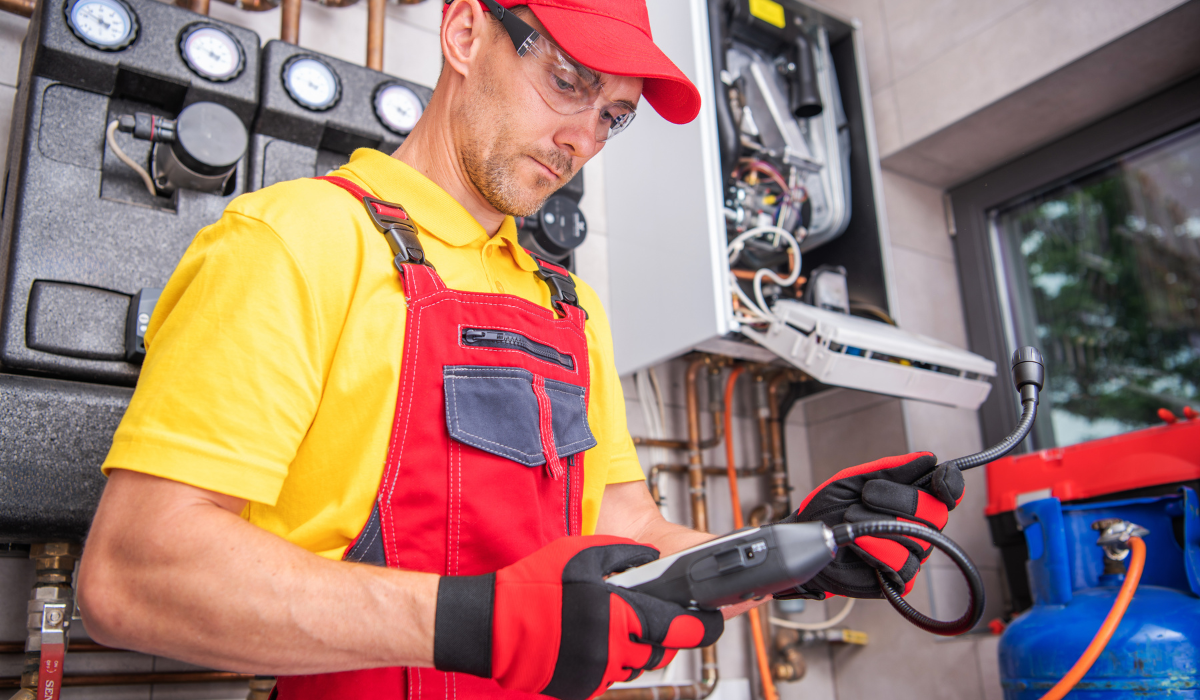
- Testing for gas leaks using specialized equipment
- Evaluating pressure and flow to ensure optimal performance
- Inspecting venting and appliances for safe operation
Timely maintenance can help avoid emergency situations and reduce the need for costly gas line repairs.
Know Emergency Procedures
Understanding what to do during a gas emergency can save lives. If you smell gas or hear hissing, follow these steps:
- Evacuate Immediately: Leave the house without using lights, appliances, or phones inside.
- Avoid Flames or Sparks: Do not smoke, light matches, or flip electrical switches.
- Call Professionals: Contact your local gas company or a licensed plumber for emergency gas line repairs.
- Do Not Re-enter: Stay outside until the area is declared safe by experts.
Having a family emergency plan that includes gas safety protocols ensures everyone knows what to do if a leak occurs.
Keep Appliances and Vents Clear
Blocked vents or improper appliance placement can create gas buildup inside your home. Regularly check that:
- Gas-powered appliances are positioned correctly
- Vent pipes are free from obstructions
- Carbon monoxide detectors are installed near sleeping areas
- Flues and chimneys are unobstructed and properly maintained
Holtkamp Plumbing can assist with inspections and adjustments to ensure your appliances and gas lines are functioning safely and efficiently.
Understand Gas Line Components
Knowing the components of your gas system can help you identify potential issues early. Common parts include:
- Pipes: Deliver natural gas from the main supply to your appliances.
- Valves: Allow you to shut off the gas supply for maintenance or emergencies.
- Regulators: Control pressure to prevent leaks and ensure efficient appliance operation.
- Flexible Connectors: Provide flexibility for appliance connections and reduce stress on pipes.
Familiarity with these parts helps you communicate effectively with professionals when scheduling gas line repairs or new gas line installations.
Install Carbon Monoxide Detectors
Carbon monoxide (CO) is a colorless, odorless gas produced by incomplete combustion of natural gas. Even minor leaks can create dangerous CO levels in your home. Installing CO detectors near sleeping areas and gas appliances provides an additional layer of safety.
Regularly test detectors and replace batteries as needed. Holtkamp Plumbing can advise on the best locations for detectors to maximize protection.
Avoid DIY Gas Line Repairs
DIY fixes on gas lines are extremely hazardous. Improper connections, inadequate sealing, or incorrect materials can result in leaks, fires, or explosions. Always hire licensed professionals for:
- Gas line repairs
- New gas line installations
- Upgrading old or corroded lines
Our team at Holtkamp Plumbing ensures that every repair or installation meets safety codes, providing peace of mind for homeowners.
Landscaping and Excavation Safety
If you plan to dig in your yard for landscaping or construction, it’s crucial to identify and avoid underground gas lines. Contact your local utility company to mark the lines before any excavation. Damaging a gas line can lead to dangerous leaks, property damage, or injury.
For homeowners needing new gas line installations, Holtkamp Plumbing provides expert guidance and safe trenching techniques to prevent accidents.
Upgrade Older Gas Systems
Older homes may have outdated or deteriorating gas lines that increase the risk of leaks. Consider upgrading your system if:
- Pipes are corroded, rusty, or made of outdated materials
- You experience frequent appliance issues
- You are adding new gas appliances
Holtkamp Plumbing specializes in new gas line installations, ensuring your home’s system is modern, efficient, and safe.
Use Proper Tools and Equipment
Gas line work requires specialized tools and equipment. Professionals use leak detection devices, pipe threaders, and pressure gauges to maintain safety and efficiency. Using incorrect tools can damage pipes and create hazards.
By hiring experts for gas line installation or repairs, you benefit from professional-grade tools and industry knowledge, ensuring your home remains safe.
Educate Your Household
Everyone in your home should understand gas safety basics:
- Recognize the smell of gas
- Know emergency procedures
- Avoid tampering with appliances or lines
- Report unusual sounds, odors, or appliance malfunctions
Education reduces the risk of accidents and ensures a quick, coordinated response in case of an emergency.
Schedule Preventive Inspections
Even without visible problems, preventive inspections help detect minor issues before they escalate. Regular check-ups of gas lines, valves, regulators, and connections minimize the likelihood of leaks and costly gas line repairs.
Holtkamp Plumbing offers thorough inspections and maintenance plans, helping homeowners protect their property and loved ones.
Follow Local Codes and Regulations
Gas line installation and repairs are subject to strict safety codes. Adhering to local regulations is crucial to avoid fines, insurance issues, or hazards. Licensed professionals ensure all work meets code requirements, providing both safety and compliance.
Maintain Clear Access to Shut-Off Valves
In an emergency, quickly shutting off the gas can prevent serious incidents. Make sure all gas shut-off valves are accessible, clearly labeled, and free of obstructions. Familiarize yourself with their location and operation.
Conclusion
Gas line safety is a responsibility every homeowner should take seriously. From recognizing warning signs and scheduling professional gas line installation to performing preventive maintenance and upgrading old systems, there are many ways to protect your home and family.
At Holtkamp HVAC & Plumbing, we provide expert gas line repairs, new gas line installations, and ongoing safety guidance to ensure your gas system operates efficiently and securely. Our team is committed to delivering reliable, code-compliant services, giving you confidence in your home’s safety.
Remember, gas safety is not something to compromise. By staying informed, practicing vigilance, and relying on professional services, you can enjoy the convenience of natural gas without the associated risks.
FAQs
How do I know if my home needs gas line repairs?
Signs that your home may need gas line repairs include the smell of rotten eggs, hissing noises near gas lines, unexplained appliance malfunctions, or dead vegetation near underground pipes. If you notice any of these signs, contact a licensed professional immediately.
Can I install a gas line myself?
DIY gas line installation is extremely dangerous and not recommended. Professional gas line installation ensures the system is safe, code-compliant, and leak-free. Always hire certified technicians for any installation work.
How often should I schedule gas line inspections?
To maintain safety, it’s recommended to have a professional inspect your gas lines at least once a year or whenever you notice unusual signs. Regular inspections can prevent costly gas line repairs and potential.
What should I do if I smell gas in my home?
If you detect a gas odor, evacuate the area immediately. Avoid using electrical switches, open flames, or phones inside the home. Contact a licensed professional for emergency gas line repairs and notify your gas provider.
Are older gas lines safe to keep using?
Older gas lines can corrode or become damaged over time, increasing the risk of leaks. Upgrading to new gas line installations is recommended to ensure safety, efficiency, and compliance with current codes.
How can I prevent gas leaks in my home?
Preventive measures include regular inspections, professional gas line installation, keeping appliances and vents clear, and ensuring shut-off valves are accessible. Using qualified professionals for repairs also significantly reduces the risk of leaks.