



Heat pumps have become an increasingly popular option for residential heating and cooling due to their efficient operating design.
Unlike traditional equipment that generates heat through combustion or resistance, heat pumps move heat between spaces, making them highly efficient and adaptable.
This unique operating method allows one system to provide both heating and cooling while reducing energy demand.
Understanding what a heat pump is, how heat pumps work, and when installation makes sense helps homeowners evaluate whether this technology aligns with comfort goals, efficiency expectations, and long-term operating plans.
This guide breaks down heat pump operation, performance, benefits, and installation considerations in detail.
What Is a Heat Pump?
A heat pump is a heating and cooling system that transfers heat rather than producing it.
This approach allows it to maintain indoor comfort with less energy than many traditional systems.
How Heat Pumps Differ From Traditional Systems
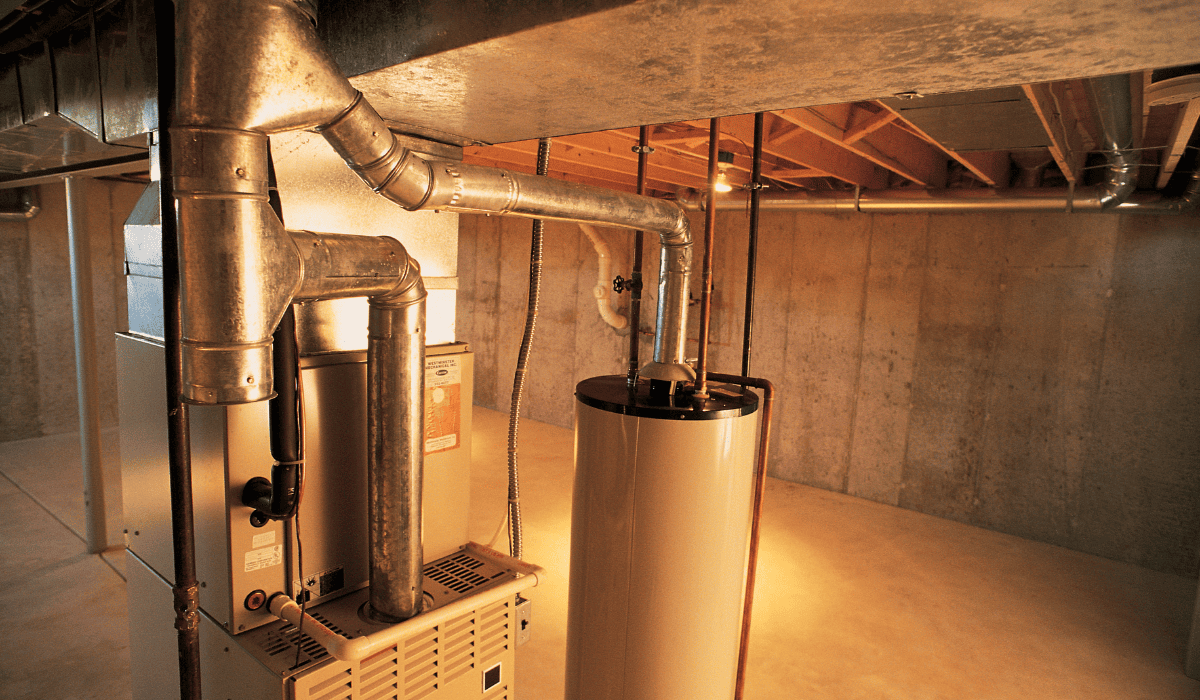
Unlike furnaces that burn fuel or electric systems that generate heat, heat pumps move heat from one place to another.
During colder months, heat is extracted from outdoor air and transferred indoors. During warmer months, the process reverses to remove heat from the home.
Types of Residential Heat Pump Systems
Residential heat pump systems most commonly include air source heat pump designs.
These systems operate efficiently in a wide range of climates and integrate with ducted or ductless air distribution setups depending on home layout.
How Heat Pumps Work
Understanding how heat pumps work begins with recognizing their reliance on heat transfer instead of heat creation.
Heat Transfer Instead of Heat Generation
Heat pump heating and cooling relies on refrigerant that absorbs and releases heat as it circulates through the system.
Even cold outdoor air contains heat energy that can be captured and transferred indoors.
Heating Mode Operation
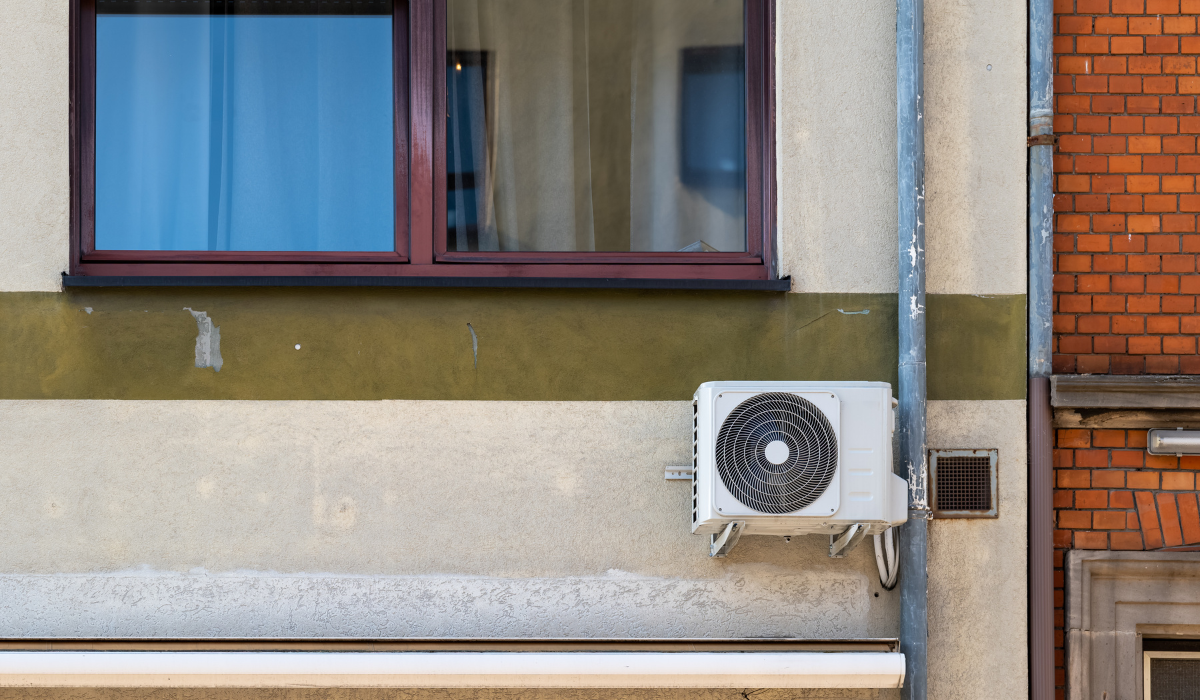
In heating mode, the heat pump extracts heat from outdoor air, compresses it to raise its temperature, and transfers that heat into the home.
This process allows efficient heating without combustion.
Cooling Mode Operation
In cooling mode, the system reverses operation, removing heat from indoor air and releasing it outdoors.
This makes heat pumps a complete heating and cooling solution within one system.
Key Components of a Heat Pump System
Heat pump performance depends on coordinated operation between several components.
Compressor, Refrigerant, and Coils
The compressor pressurizes refrigerant, allowing heat absorption and release.
Coils facilitate heat exchange, enabling the system to transfer thermal energy efficiently.
Air Handler and Distribution System
The air handler circulates conditioned air throughout the home.
Proper airflow design ensures consistent temperature delivery during both heating and cooling cycles.
Heat Pump Efficiency and Energy Use
Heat pump efficiency is one of the primary reasons homeowners consider this technology.
Understanding Heat Pump Efficiency Ratings
Heat pump efficiency is measured using standardized performance metrics that reflect how effectively the system transfers heat compared to energy consumed.
Heat Pump Energy Savings Over Time
Though heat pumps move heat instead of generating it, they typically use less energy. Heat pump energy savings accumulate over time through reduced electricity or fuel consumption.
Heat Pump Benefits for Residential Homes
Heat pump benefits extend beyond energy efficiency and include operational flexibility and comfort consistency.
Heating and Cooling in One System
Heat pumps eliminate the need for separate heating and cooling equipment. This simplifies system design and reduces overall equipment footprint.
Comfort Consistency and Temperature Control
Heat pumps operate with steady output, helping maintain stable indoor temperatures. Gradual temperature adjustment reduces swings often associated with traditional systems.
Reduced Energy Consumption
By transferring heat efficiently, heat pumps lower energy demand during both heating and cooling seasons.
Heat Pump vs Furnace: Key Differences
Comparing a heat pump vs furnace highlights how fundamentally different operating methods shape performance, efficiency, and long-term suitability for residential heating.
While both systems are designed to maintain indoor comfort, the way they produce or move heat directly influences energy use, operating costs, and performance across varying climates.
Operating Method Comparison
Furnaces generate heat by burning fuel such as natural gas or by using electrical resistance to produce warmth.
This process creates heat on demand and distributes it through the home. Heat pumps, by contrast, rely on heat transfer rather than heat generation.
They extract existing heat from outdoor air and move it indoors, reversing the process for cooling. This difference affects how each system responds to temperature changes and energy demand.
Energy Use and Efficiency Differences
Energy consumption varies significantly between the two systems.
Heat pumps generally use less energy because transferring heat requires less power than creating it.
This allows heat pumps to achieve higher efficiency levels during moderate temperatures.
Furnaces require continuous fuel or electrical input to maintain heat output, which can result in higher energy usage during extended heating cycles.
Climate Performance Considerations
Climate plays an important role in determining system suitability.
Heat pumps perform efficiently in many regions, particularly where winter temperatures remain moderate.
In colder climates, modern heat pump technology continues to improve performance, though supplemental heating may be required during extreme conditions.
Furnaces often deliver consistent heat output in very cold environments without relying on additional systems, making them a common choice in regions with prolonged freezing temperatures.
Comfort Delivery and System Behavior
Heat pumps tend to provide steady, even heating by running for longer cycles at lower output levels. This can result in more consistent indoor temperatures.
Furnaces typically deliver heat in shorter, more intense cycles, which can create noticeable temperature fluctuations between heating periods depending on system configuration.
Long-Term Considerations
Choosing between a heat pump and a furnace often involves evaluating energy goals, climate conditions, and system lifespan expectations.
Heat pumps offer the advantage of combined heating and cooling in one system, while furnaces are dedicated heating solutions commonly paired with separate cooling equipment.
Heat Pump Performance in Cold Weather
Modern technology has expanded heat pump performance in cold weather.
Advances in Cold-Climate Heat Pumps
Newer heat pump designs operate efficiently at lower outdoor temperatures than older models. Improved compressors and refrigerant technology enhance cold-weather performance.
Supplemental Heating Considerations
During extreme cold, supplemental heating may assist heat pumps. This ensures consistent comfort without overloading the system.
When to Install a Heat Pump
Determining when to install a heat pump depends on system condition, home characteristics, and long-term goals.
System Age and Replacement Timing
Homes replacing aging HVAC systems often consider heat pump installation as part of system upgrades.
Home Efficiency and Insulation Factors
Insulation quality and air sealing influence heat pump performance. Well-insulated homes typically see stronger efficiency gains.
Energy Goals and Long-Term Planning
Homeowners focused on reducing energy use and operating costs often evaluate heat pumps as a long-term solution.
Heat Pump Operating Costs and Lifespan
Understanding operating costs and longevity helps evaluate long-term value.
Installation and Operating Cost Overview
Heat pump installation costs vary based on system type and home configuration. Operating costs are often lower due to improved efficiency.
Expected Heat Pump Lifespan
Heat pump lifespan typically ranges from 12 to 15 years when professionally installed and properly maintained.
Heat Pump Installation Considerations
Proper installation ensures reliable performance.
Ducted vs Ductless Systems
Heat pumps can be installed with existing ductwork or configured as ductless systems. Each option supports different home layouts.
Professional Installation Importance
Professional installation ensures correct system sizing, refrigerant charge, and airflow configuration, all of which affect performance and efficiency.
Conclusion
Heat pumps provide an efficient, flexible approach to residential heating and cooling. By transferring heat rather than generating it, these systems deliver comfort with reduced energy demand. Understanding how heat pumps work, their benefits, and appropriate installation timing helps homeowners make informed decisions that support long-term comfort and efficiency.
Upgrade to Year-Round Comfort With a Professionally Installed Heat Pump
Heat pump performance depends on accurate system design, proper sizing, and seamless integration with your home.
When installed correctly, these systems deliver reliable heating and cooling while improving overall energy efficiency.
Holtkamp HVAC & Plumbing provides expert heat pump installation services focused on long-term performance, safety, and comfort. Our team evaluates your home’s layout and energy needs to ensure the system operates as intended from day one.
Schedule a heat pump installation consultation with us to explore a smarter comfort solution for your home.
Frequently Asked Questions
What is a heat pump and what does it do?
A heat pump is a heating and cooling system that transfers heat rather than generating it. During colder months, it moves heat indoors, and during warmer months, it removes heat from the home. This dual function allows one system to manage year-round comfort.
How do heat pumps provide both heating and cooling?
Heat pumps use a reversing valve that changes the direction of heat transfer. In heating mode, heat is drawn from outdoor air and delivered indoors. In cooling mode, the process reverses to remove indoor heat and release it outside.
What are the main benefits of installing a heat pump?
Heat pump benefits include improved energy efficiency, consistent temperature control, and the ability to heat and cool with one system. Their heat-transfer operation reduces energy demand compared to traditional systems. This supports long-term comfort and efficiency goals.
How efficient are heat pumps compared to traditional systems?
Heat pump efficiency is typically higher because the system moves heat instead of creating it. This process requires less energy than fuel-based heating. Over time, efficient operation can lead to lower overall energy use.
How well do heat pumps perform in cold weather?
Modern heat pump technology allows effective operation in colder temperatures than earlier systems. Improved compressors and refrigerants help maintain performance as outdoor temperatures drop. Supplemental heating may support operation during extreme cold conditions.
When does installing a heat pump make the most sense?
Heat pump installation often aligns with replacing an aging heating or cooling system. Homes with good insulation and energy-efficiency goals tend to benefit most. Installation timing is also influenced by long-term comfort and operating cost considerations.
What factors affect heat pump operating costs?
Heat pump operating costs depend on system efficiency, local electricity rates, and home insulation quality. Proper system sizing and installation accuracy also influence long-term energy use. Efficient operation helps stabilize monthly costs.
How long do residential heat pump systems typically last?
Heat pump lifespan generally ranges from 12 to 15 years. Professional installation and regular maintenance help support long-term reliability. Performance consistency often depends on proper system care over time.
Why is professional heat pump installation important?
Professional installation ensures correct system sizing, airflow balance, and refrigerant configuration. These factors directly impact efficiency, comfort, and system longevity. Accurate installation helps the heat pump perform as designed.