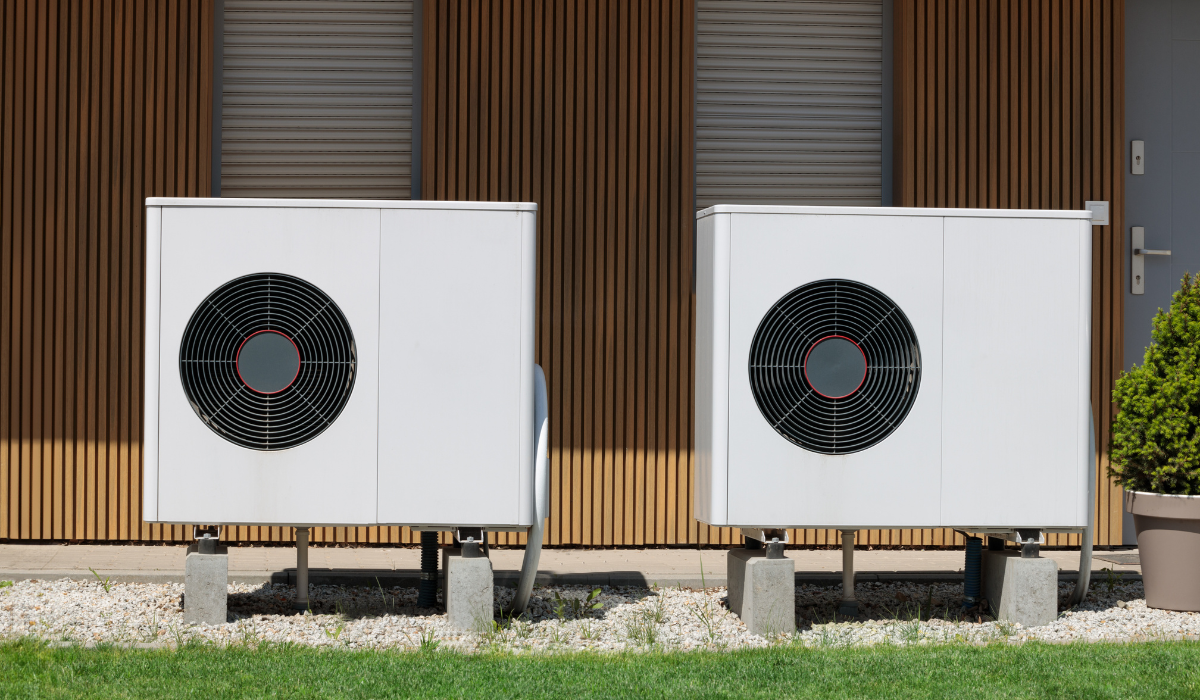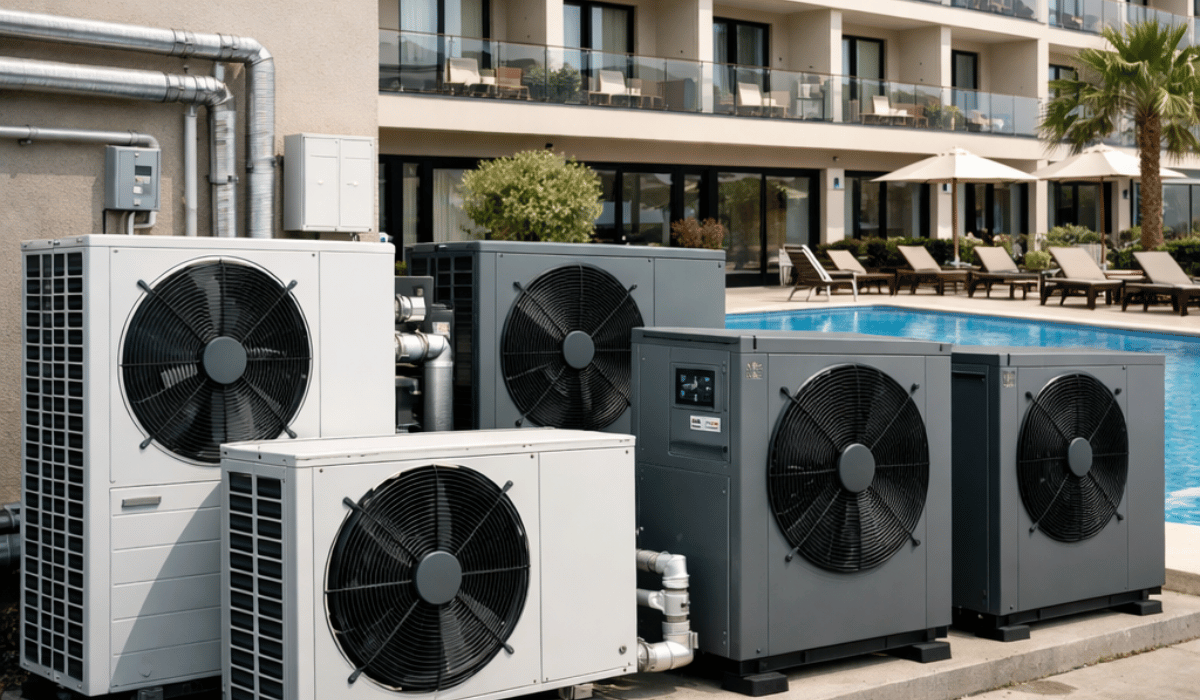




Heat pumps for hotels are rapidly becoming the preferred solution for hospitality businesses aiming to reduce operational costs while maintaining high standards of guest comfort.
Hotels operate 24/7, with constant demand for hot water, space heating, and climate control across guest rooms, kitchens, laundries, spas, and pools.
Traditional geysers and resistance-based heating systems struggle to meet these demands efficiently, leading to rising energy bills and higher environmental impact.
Heat pump technology offers a smarter, more sustainable alternative designed for long-term performance and predictable utility spend.
Why Energy Costs Are a Major Challenge for Hotels
Energy consumption represents one of the largest operating expenses in the hospitality industry.
Hot water production alone accounts for a significant share of electricity usage, especially in properties with high occupancy and premium amenities.
Older systems consume excessive power during peak hours, placing strain on electrical infrastructure and increasing monthly utility costs.
That’s why many operators are now prioritizing low running cost heating hotels strategies that reduce demand without sacrificing service quality.
Common contributors to high energy spend include:
- Continuous hot water demand throughout the day
- Inefficient legacy geyser systems
- Simultaneous peak usage during mornings and evenings
- Rising electricity tariffs and sustainability compliance costs
How Heat Pumps Work in Hotel Applications
Hotel heat pump systems operate by transferring heat from the surrounding air rather than generating heat directly.
This process allows them to deliver multiple units of usable heat for every unit of electricity consumed, making them far more efficient than traditional systems.
Because they rely on ambient heat, commercial heat pumps for hotels significantly reduce overall power consumption while maintaining consistent output.
Key operational characteristics:
- Uses renewable ambient heat
- Requires lower electrical input
- Delivers stable hot water and heating output
- Performs efficiently across diverse climates
Heat Pumps vs Traditional Geysers in Hotels
The real decision for many properties comes down to heat pump vs geyser hotels comparisons.
Traditional heating systems rely on energy-intensive combustion or resistance heating, while heat pumps transfer heat more efficiently using electricity.
This efficiency advantage is a key reason many commercial and hospitality properties are moving away from legacy systems.
For a deeper look at how heat pumps compare to older heating technologies, see Holtkamp HVAC & Plumbing’s breakdown of the benefits of using a heat pump over a furnace.
As a result, heat pumps are increasingly recognized as eco-friendly hotel heating solutions that deliver long-term operational savings.
Performance comparison highlights:
- Substantially lower energy consumption per liter of hot water
- Reduced peak electrical load on hotel infrastructure
- Longer operational lifespan
- Lower maintenance and replacement frequency
For many hotels, the shift to heat pump water heating for hotels is less about “new tech” and more about operational control, cost predictability, and long-term scalability.
Key Benefits of Heat Pumps for Hotels
Heat pumps deliver measurable operational advantages for hotels by reducing energy consumption, stabilizing utility costs, and improving system reliability across high-demand environments.
Lower Running Costs
Hotels that adopt heat pumps typically achieve energy savings between 50% and 70%.
Reduced electricity consumption translates directly into lower monthly utility bills and improved operating margins.
Over time, this is one of the most effective paths to low running cost heating hotels without cutting guest services.
Reliable Guest Comfort
Heat pumps provide consistent hot water and stable indoor temperatures, even during high-demand periods.
This reliability supports positive guest experiences and minimizes service disruptions during peak check-in and morning usage windows.
Sustainability and Environmental Performance
By consuming less energy, heat pumps reduce carbon emissions and environmental impact.
This supports broader eco-friendly hotel heating solutions initiatives and strengthens compliance readiness.
For properties investing in sustainable hotel HVAC, heat pumps help improve both energy performance and environmental positioning.
Scalable for Any Hotel Size
From boutique hotels to large resorts, heat pump systems can be designed to scale efficiently.
Centralized configurations allow hotels to expand capacity without compromising performance or creating excessive peak demand loads.
Hotel Applications for Heat Pump Systems
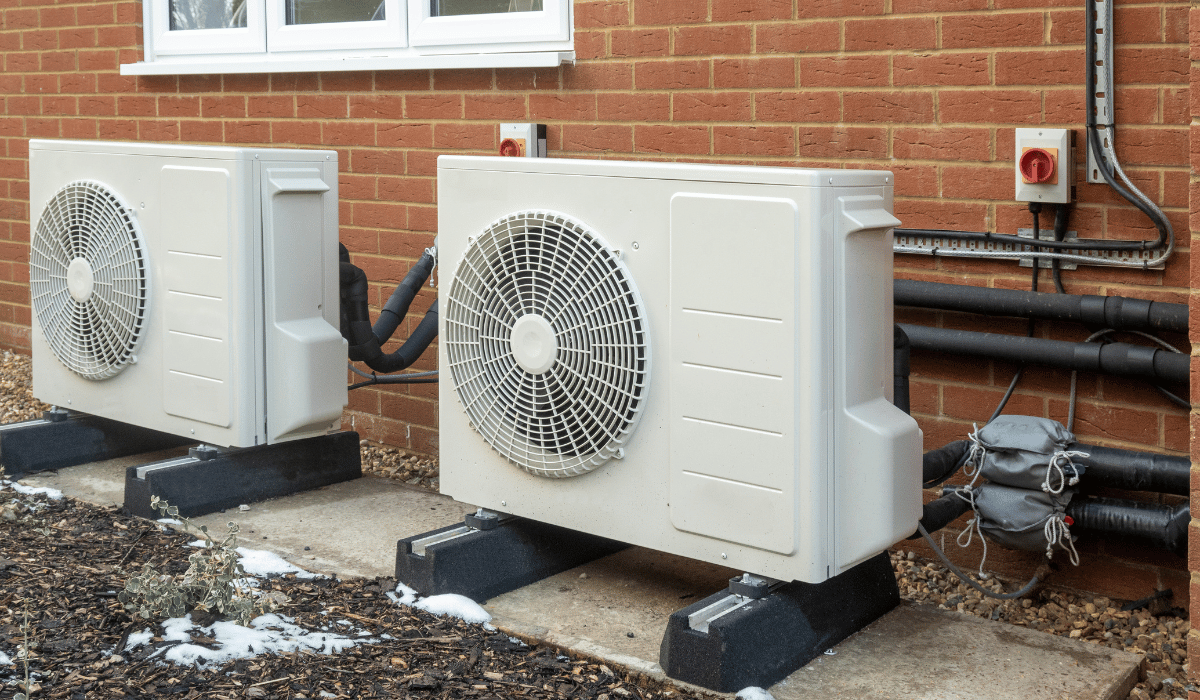
Energy-efficient systems extend beyond basic hot water needs.
Heat pumps can support multiple hotel operations, improving efficiency across the entire property and strengthening overall mechanical planning.
Typical applications include:
- Guest room hot water supply
- Centralized water heating for kitchens and laundry
- Spa and swimming pool heating
- Space heating and integrated HVAC systems
Many properties also adopt hotel hot water heat pumps specifically to stabilize supply during peak usage while reducing dependence on high-consumption geyser setups.
Important Factors When Installing Heat Pumps in Hotels
Achieving optimal performance depends on proper planning and system design.
Hotels must evaluate daily consumption patterns, peak demand periods, and future expansion needs before installation.
A well-designed system is critical to maximizing efficiency and protecting ROI.
Key considerations include:
- Average and peak hot water usage
- Local climate conditions
- Available mechanical and outdoor space
- Integration with existing systems
- Storage tank sizing and redundancy planning
Professional assessment ensures the system is correctly sized and optimized for hotel operations, especially for properties transitioning to commercial heat pumps for hotels across multiple buildings or service zones.
Long-Term ROI and Operational Reliability
Although heat pumps require higher upfront investment than traditional geysers, the long-term financial benefits are substantial.
Lower energy bills, reduced maintenance, and longer service life result in faster payback periods and improved lifecycle value.
Hotels benefit from:
- Predictable operating costs
- Reduced system downtime
- Improved asset efficiency and property value
Preparing Hotels for Future Energy Standards
Sustainability expectations are no longer optional in the hospitality industry. Guests increasingly prefer environmentally responsible hotels, and regulatory frameworks continue to tighten.
Heat pumps position hotels as forward-thinking properties equipped to meet future energy and efficiency standards, especially when aligned with broader sustainable hotel HVAC planning.
Why Choose Professional Heat Pump Installation and Support
Choosing the right system is only part of achieving long-term efficiency.
Proper installation and ongoing support are just as critical.
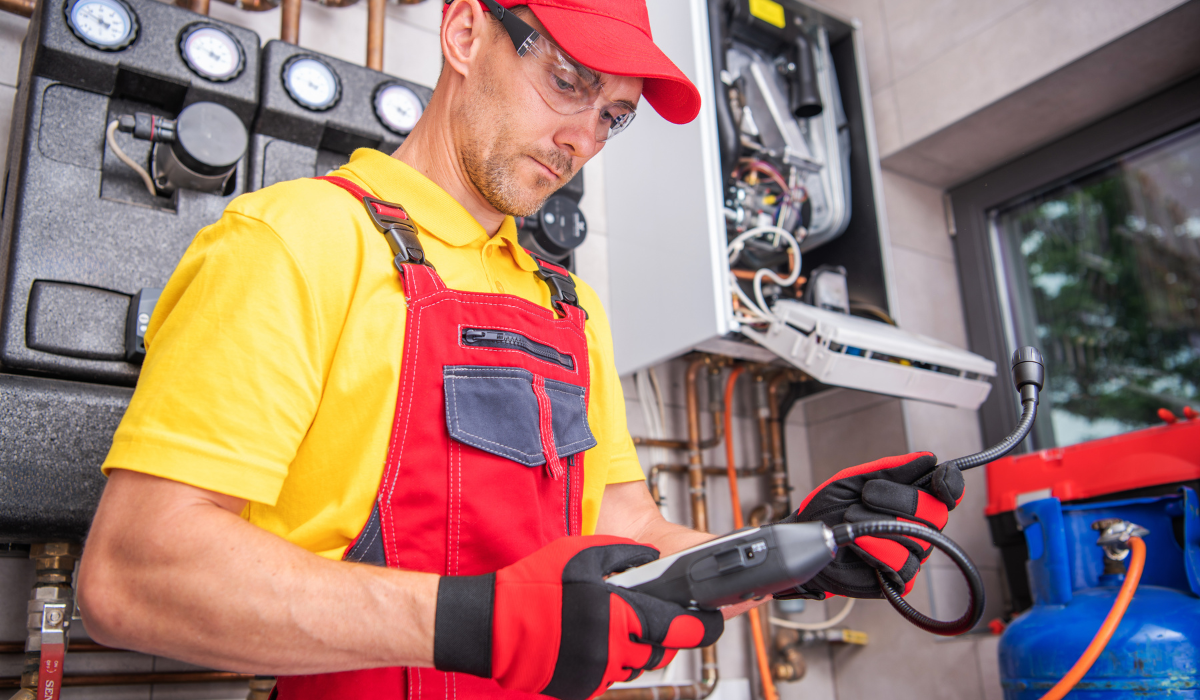
Professional heat pump services ensure correct sizing, optimal placement, and seamless integration with existing HVAC infrastructure.
Experienced technicians also address airflow, electrical requirements, and control settings to maximize performance and reliability.
Hotels and commercial properties that work with trusted providers like Holtkamp HVAC & Plumbing benefit from systems designed for real-world operating demands, not just theoretical efficiency.
Expert installation helps prevent performance losses, premature wear, and unnecessary energy consumption, ensuring heat pumps deliver consistent comfort and measurable savings over time.
Conclusion
Heat pumps for hotels offer a powerful solution to rising energy costs and efficiency challenges.
By replacing traditional geysers with modern heat pump systems, hotels can achieve significant cost savings, dependable performance, and measurable environmental benefits.
This technology is not just an upgrade; it is a strategic investment in long-term operational resilience, comfort reliability, and sustainable operations.
Turn Energy Savings Into a Competitive Advantage
Ready to cut energy costs without compromising guest comfort?
Partner with a specialist to design hotel heat pump systems tailored to your property’s hot water and HVAC demands.
With the right system design, you can improve performance consistency, reduce peak load, and move toward energy-efficient hotel heating that pays back year after year.
Frequently Asked Questions
Are heat pumps suitable for hotels with high occupancy?
Yes, commercial heat pumps are designed to handle large and continuous hot water demand. When properly sized, they can support high occupancy levels without performance drops. Storage integration ensures availability during peak usage periods.
How much can hotels reduce energy costs with heat pumps?
Most hotels experience energy savings between 50% and 70% compared to traditional geysers. Actual savings depend on system design, climate, and daily consumption patterns. Over time, these reductions significantly improve operating margins.
Do heat pumps work well in colder climates?
Modern heat pump systems are engineered to perform efficiently in a wide range of temperatures. Advanced models maintain reliable output even in cooler climates, making them suitable for diverse geographic locations.
What is the expected lifespan of a hotel heat pump system?
With proper maintenance, hotel heat pump systems often last 15 years or more. Their durable components and lower operating stress contribute to longer service life compared to conventional heating systems.
Can heat pumps integrate with existing hotel infrastructure?
Yes, heat pumps can be integrated with existing hot water tanks, HVAC systems, and building management systems. This allows hotels to upgrade efficiency without extensive structural modifications.
Are heat pumps noisy for guest areas?
Commercial heat pumps are engineered for quiet, low-vibration operation suitable for hospitality environments. When installed with proper placement, acoustic isolation, and airflow design, noise levels remain well below guest disturbance thresholds. Most systems operate unobtrusively in background service areas. Proper installation ensures guest comfort is fully preserved.
How much maintenance do hotel heat pumps require?
Hotel heat pumps generally require less maintenance than traditional geysers due to fewer high-stress components. Routine inspections, coil cleaning, and filter checks help maintain consistent performance and efficiency. Preventive servicing reduces the risk of unexpected downtime. Over time, this lowers maintenance costs and operational interruptions.
How long does it take for hotels to recover the investment cost?
Most hotels achieve return on investment within two to five years, depending on hot water usage and local energy rates. Properties with high occupancy, laundry, and spa demand often experience faster payback. Energy savings accumulate quickly due to reduced electricity consumption. Long-term operational savings continue well beyond the payback period.
Do heat pumps help hotels meet sustainability goals?
Yes, heat pumps significantly reduce energy use and associated carbon emissions compared to traditional heating systems. They support eco-friendly hotel heating strategies and help properties align with sustainability initiatives. Heat pumps also contribute toward green building certifications and regulatory compliance. This strengthens both environmental performance and brand reputation.