


Heating maintenance plays a direct role in how consistently a home stays comfortable, how safely a system operates, and how predictable heating costs remain over time.
Heating systems are built to perform under repeated demand, but constant cycling, temperature changes, and mechanical stress gradually affect internal components.
Without routine attention, even high-quality systems can lose efficiency, experience uneven performance, or develop safety-related issues.
Rather than reacting to breakdowns, heating maintenance focuses on preserving system condition before performance declines.
This approach supports stable indoor comfort, helps prevent operational risks, and reduces long-term expenses associated with emergency repairs or premature replacement.
This guide explains the importance of heating maintenance, how it supports comfort and safety, and why it contributes to meaningful long-term savings.
What Heating Maintenance Covers
Heating maintenance involves a structured evaluation of system operation, component condition, and performance accuracy.
The goal is to keep the system operating within intended parameters rather than correcting failures after they occur.
Heating System Inspections and Performance Review
Heating system inspections examine airflow delivery, temperature response, ignition sequence, electrical connections, and overall operational consistency.
These checks identify performance drift that may not yet be noticeable at the thermostat but can affect long-term reliability.
Mechanical and Electrical Component Assessment
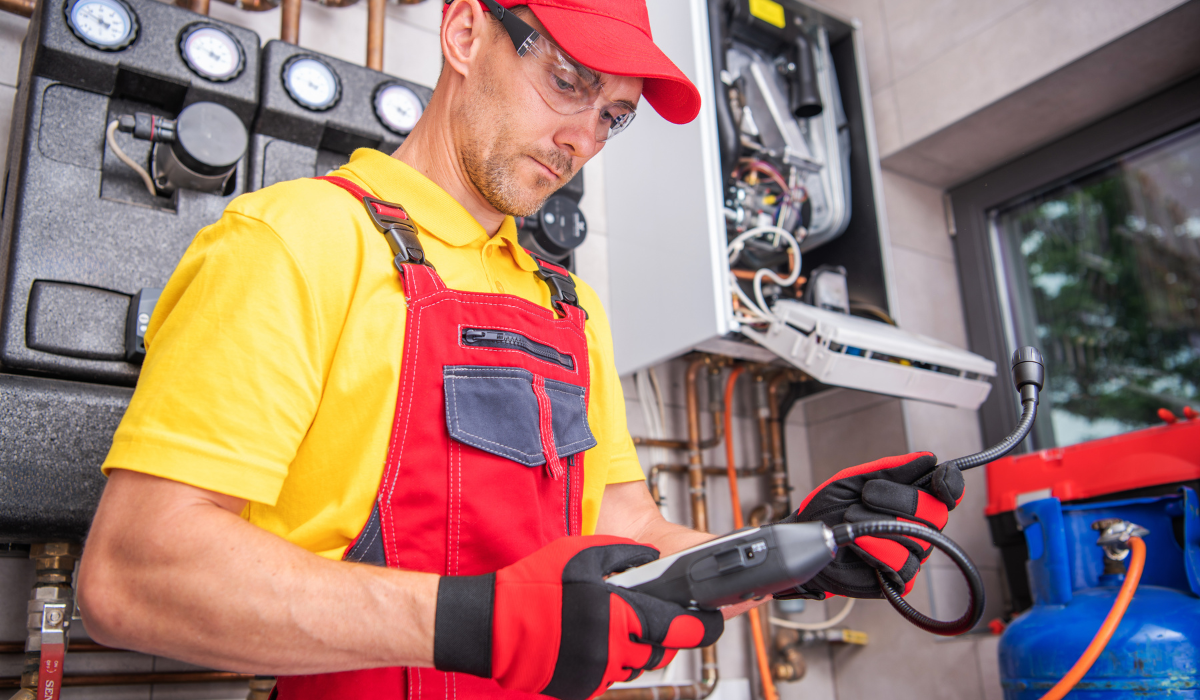
Heating system maintenance includes reviewing motors, burners, sensors, safety switches, and control boards.
Verifying that components respond correctly helps maintain balanced operation and reduces internal strain.
Why Heating Maintenance Is Essential for Comfort
Heating maintenance directly affects how evenly and reliably heat is delivered throughout a home.
As heating systems operate over time, airflow pathways, mechanical components, and control settings gradually shift from their original balance.
These changes may not cause immediate failure, but they often result in uneven temperatures, longer runtimes, and reduced comfort consistency.
Routine heating maintenance helps preserve proper system balance by ensuring airflow, heat output, and temperature response remain aligned with system design.
When these elements operate together correctly, heating systems maintain stable indoor temperatures across different rooms and floors.
This consistency becomes especially important during extended heating cycles, when minor inefficiencies can otherwise amplify comfort issues.
Without heating maintenance, systems often compensate for declining performance by running longer or cycling more frequently.
This behavior increases wear while still failing to deliver consistent comfort.
Maintenance helps prevent this gradual decline, supporting predictable and steady heating performance throughout the season.
Why Heating Maintenance Matters for System Safety
Heating maintenance plays a critical role in preserving system safety by ensuring that protective components function as intended.
Heating systems rely on multiple safety mechanisms, such as pressure controls, temperature limits, ignition safeguards, and venting systems to operate safely under continuous demand.
Over time, these components can drift out of calibration or experience wear that reduces their effectiveness.
Professional heating maintenance reviews combustion behavior, venting pathways, and control responses to confirm that systems operate within safe parameters.
This oversight helps reduce the risk of unsafe operating conditions that may develop gradually and remain unnoticed during normal system use.
Electrical and control systems are also central to heating system safety.
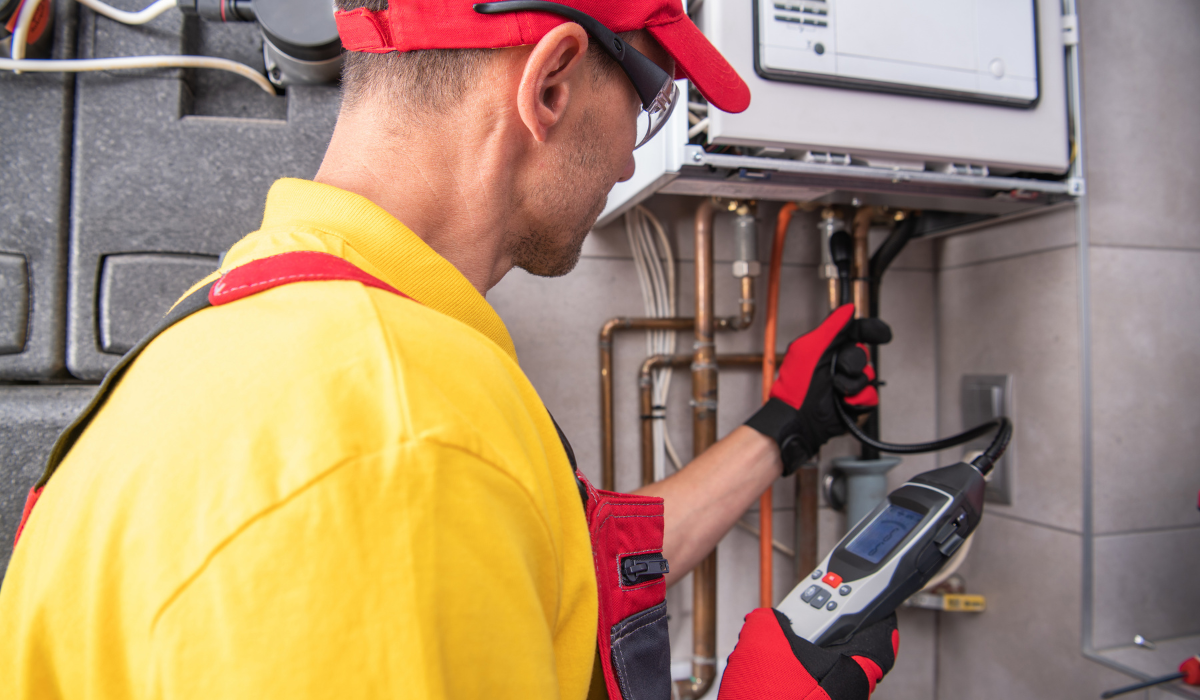
Sensors and control boards regulate startup, shutdown, and temperature limits.
Heating maintenance ensures these systems communicate correctly and respond appropriately during operation.
When safety controls remain accurate and responsive, heating systems can operate reliably without exposing occupants or property to unnecessary risk.
Heating Maintenance and Energy Efficiency
Heating efficiency maintenance influences how much energy a system uses to maintain comfort.
Even small inefficiencies can lead to increased energy consumption over time.
Maintaining efficiency is one of the most valuable outcomes of routine heating maintenance.
For a broader look at how HVAC maintenance supports efficient heating system performance, explore our guide on HVAC maintenance for efficient heating systems.
Reducing Energy Waste
Heating maintenance helps systems reach target temperatures with fewer extended run cycles.
Clean components, proper airflow, and accurate sequencing allow heating systems to operate more efficiently without unnecessary energy use.
Stabilizing Energy Consumption
Well-maintained systems deliver more predictable energy performance.
Heating efficiency maintenance helps prevent the gradual increase in energy usage that often accompanies declining system condition.
Long-Term Cost Savings From Heating Maintenance
Heating maintenance benefits extend beyond immediate performance and comfort.
Reduced Emergency Repairs
Routine heating maintenance identifies developing issues early, reducing the likelihood of sudden breakdowns.
Emergency service often involves higher costs and more extensive repairs compared to planned maintenance.
Slower Component Wear
Heating maintenance service reduces internal stress on motors, burners, and electrical components.
Slower wear supports longer component life and reduces replacement frequency.
Heating Maintenance vs Repair Costs
Heating maintenance vs repair comparisons often highlight cost efficiency.
Maintenance represents a predictable investment, while reactive repairs can escalate quickly when systems operate under prolonged stress.
How Heating Maintenance Extends System Lifespan
Heating systems that operate within design specifications experience fewer failures and longer service life.
Preserving Component Integrity
Heating system maintenance helps preserve balanced airflow, stable ignition, and accurate electrical response.
These conditions reduce internal strain and protect critical components.
Delaying System Replacement
Systems that receive consistent professional heating maintenance often reach or exceed expected lifespan ranges, delaying the need for full system replacement.
Seasonal Heating Maintenance and Performance Readiness
Seasonal heating maintenance aligns system condition with periods of highest demand.
Preparing for Extended Heating Cycles
Seasonal heating maintenance ensures systems enter peak heating periods operating efficiently and safely.
Proper preparation supports reliable performance during sustained operation.
Cold-Weather Reliability
Maintained systems handle longer runtimes more effectively, reducing the likelihood of performance decline during prolonged cold conditions.
Residential Heating Maintenance and Home-Specific Factors
Residential heating maintenance accounts for how home characteristics affect system performance.
Home Layout and Usage Patterns
Residential heating maintenance considers airflow distribution, insulation quality, and daily usage patterns.
Tailored service supports balanced heating across living spaces.
System Type Considerations
Furnaces, boilers, and heat pumps require system-specific heating system maintenance approaches.
Professional service ensures appropriate evaluation based on equipment type.
Heating Maintenance vs Repair: Understanding the Difference
Although related, heating maintenance and repair serve different roles.
Preventive vs Corrective Service
Heating maintenance focuses on prevention and performance preservation, while heating repairs address failures after they occur.
Preventive service helps reduce the frequency and severity of repairs.
Why Maintenance Reduces Repair Needs
Routine heating maintenance identifies early wear and performance drift before issues escalate into system failures requiring extensive repair.
The Importance of Professional Heating Maintenance
Professional heating maintenance ensures service accuracy and long-term reliability.
Technical Expertise and Compliance
Professional heating maintenance follows manufacturer guidelines and safety standards, ensuring systems operate as designed.
Performance Tracking Over Time
Documented service history supports long-term system management and helps identify performance trends as systems age.
Conclusion
Heating maintenance supports comfort consistency, system safety, and long-term financial stability.
Systems that receive routine service operate more efficiently, experience fewer disruptions, and maintain predictable performance throughout their lifespan.
By prioritizing heating system maintenance, homeowners protect both comfort and long-term system value.
For a broader overview of why routine service matters, explore our in-depth guide on the importance of heating maintenance.
Protect Comfort, Safety, and Savings With Holtkamp HVAC & Plumbing
Heating systems perform best when maintained consistently rather than addressed only after problems arise.
Routine heating maintenance helps preserve comfort, supports safe operation, and reduces long-term operating costs.
Holtkamp HVAC & Plumbing provides professional heating maintenance services designed to protect system performance and reliability throughout the heating season.
Schedule heating maintenance with Holtkamp HVAC & Plumbing and protect comfort, safety, and long-term savings.
Frequently Asked Questions
What does heating maintenance typically include?
Heating maintenance includes system inspections, performance testing, and evaluation of mechanical and electrical components. These checks help ensure the system operates within design specifications. Routine service supports efficiency, reliability, and safe operation over time.
Why is heating maintenance important for indoor comfort?
Heating maintenance helps maintain balanced airflow and accurate temperature control throughout the home. Proper calibration allows systems to distribute heat evenly. This reduces temperature fluctuations and improves overall comfort consistency.
How does heating maintenance support system safety?
Heating maintenance reviews combustion behavior, venting pathways, and control system response. These evaluations help confirm that safety mechanisms function correctly. Ongoing oversight reduces the risk of unsafe operating conditions.
How can heating maintenance help reduce energy usage?
Heating maintenance supports efficient operation by reducing unnecessary runtime and energy waste. Systems that operate within proper parameters require less energy to maintain comfort. This leads to more stable and predictable energy consumption.
What is the difference between heating maintenance and heating repair?
Heating maintenance focuses on preserving performance and preventing system decline, while heating repair addresses issues after failure occurs. Preventive service helps reduce the frequency and severity of repairs. Both serve distinct roles in system care.
How does heating maintenance affect system lifespan?
Routine heating system maintenance reduces internal strain and component wear. Systems that receive consistent service often operate reliably for longer periods. Long-term performance stability improves as a result.
Why is professional heating maintenance important for newer systems?
Professional heating maintenance ensures newer systems remain properly calibrated and operate safely as components settle over time. Early service supports long-term efficiency and reliability. Proper maintenance protects system performance from the start.
How does heating maintenance contribute to long-term savings?
Heating maintenance cost savings result from improved efficiency, fewer emergency repairs, and delayed system replacement. Predictable service costs help manage long-term operating expenses more effectively.
When is heating maintenance typically scheduled?
Seasonal heating maintenance is commonly performed once per year before peak heating demand. This timing supports reliable system operation throughout the heating season.