


Heating repair services play a critical role in restoring system performance when comfort, efficiency, or safety begins to decline.
Heating systems rarely stop working without warning. In most homes, mechanical wear, airflow disruption, or control failures gradually affect operation long before complete shutdown occurs.
These changes often show up as inconsistent heating, higher energy use, or unusual system behavior.
When heating system issues are left unresolved, minor faults can progress into larger mechanical failures that impact reliability and safety.
This guide explains the most common heating problems, the warning signs that signal repair is needed, and how professional heating repair services resolve system disruptions across furnaces, boilers, and heat pumps.
Why Heating Systems Require Repair Over Time
Heating systems operate under repeated thermal stress, electrical demand, and airflow pressure.
As components age, tolerances change, connections loosen, and performance gradually shifts away from design specifications.
Component Wear and Operational Stress
Motors, burners, heat exchangers, pumps, and control boards experience continual use during heating seasons.
Over time, friction, heat exposure, and electrical load reduce efficiency and reliability, creating conditions where heating repair becomes necessary.
How Small Problems Escalate
Minor issues such as airflow restriction or sensor malfunction often cause systems to run longer and cycle more frequently.
This added strain accelerates wear on critical components, increasing the likelihood of breakdown without timely heating repair services.
Common Heating Problems That Disrupt System Performance
Heating systems often continue operating even as internal problems begin to affect performance.
These issues can reduce heating output, strain system components, and create inconsistent comfort throughout the home.
Identifying these problems early helps explain why professional heating repair services are needed to restore reliable operation.
Loss of Heating Output
A heater may continue running while failing to deliver adequate warmth.
Reduced heat output often results from ignition issues, burner malfunction, airflow obstruction, or pump failure in hydronic systems.
Furnaces commonly show early warning signs through reduced output or unusual noises, which typically indicate internal stress requiring professional repair.
Frequent Cycling or Short Run Times
Systems that turn on and off repeatedly often experience thermostat communication issues, airflow imbalance, or safety control interruptions.
Short cycling increases wear and prevents consistent temperature regulation.
Uneven Heating Across the Home
Hot and cold areas typically signal distribution problems rather than thermostat error.
Duct restrictions, circulation imbalance, or failing system components commonly contribute to uneven heating.
Unusual Operating Noises
Rattling, buzzing, knocking, or whistling sounds often indicate loose components, motor strain, or pressure irregularities.
These noises frequently worsen as heating system issues progress.
Odors During System Operation
Persistent odors may originate from dust buildup, electrical component stress, or combustion irregularities.
Odors often accompany performance decline and signal the need for heating repair services.
Heating System Warning Signs That Should Not Be Ignored
Heating systems often show noticeable performance changes before a complete breakdown occurs.
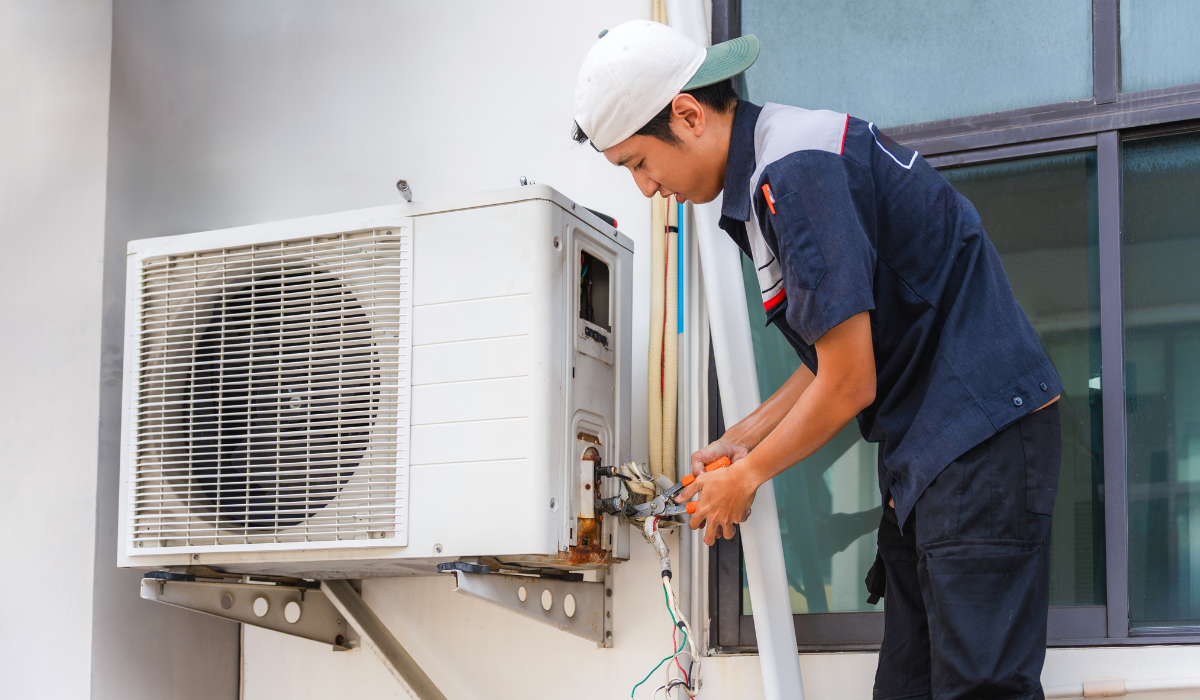
These warning signs reflect internal strain, reduced efficiency, or developing mechanical issues that can impact comfort, reliability, and overall system operation.
Rising Energy Use Without Increased Demand
When heating systems lose efficiency, they require longer runtimes to maintain temperature.
Rising utility bills without usage changes often indicate mechanical inefficiency or airflow restriction.
Inconsistent Indoor Temperatures
Rooms that fluctuate between warm and cool suggest control, airflow, or capacity issues.
These conditions frequently signal deeper heating system warning signs rather than thermostat calibration issues.
Extended System Run Times
Systems that run continuously without achieving set temperature often suffer from declining heating capacity, blocked airflow, or component failure.
These conditions represent common signs you need heating repair and often appear before full system failure.
Furnace, Boiler, and Heat Pump Repair Services
Different heating systems rely on distinct operating methods and components, which means performance issues affect each system in unique ways.
Effective heating repair services account for these differences to restore safe operation, balanced heat delivery, and consistent system performance.
Furnace Repair Services
Furnaces rely on ignition systems, burners, heat exchangers, and blowers working in sequence.
Furnace repair services address issues such as ignition failure, airflow restriction, blower motor strain, and control board malfunction that prevent safe and efficient heating.
Boiler Repair Services
Boiler repair services focus on pressure balance, circulation flow, and heat transfer.
Faulty pumps, valve failure, pressure irregularities, or heat exchanger wear can prevent consistent heat delivery across radiators or radiant systems.
Heat Pump Repair
Heat pump repair addresses refrigerant flow, reversing valve operation, defrost cycle performance, and compressor efficiency.
These systems require precise control coordination to deliver effective heating during colder conditions.
Safety Concerns Linked to Heating System Malfunctions
Heating system malfunctions can impact more than comfort and efficiency.
When critical components fail, safety systems may no longer operate as intended, increasing risk to both occupants and property.
Addressing these issues through professional heating repair services helps restore safe and controlled system operation.
Combustion and Venting Issues
Improper combustion or venting disrupts heat transfer and can introduce safety risks.
Heating repair services ensure combustion systems operate within safe parameters and exhaust gases are properly managed.
Electrical and Control Failures
Electrical faults, sensor misalignment, or control board issues can interrupt safe system operation.
These failures often prevent systems from regulating temperature or initiating proper safety shutoffs.
Emergency Heating Repair Situations
Certain heating system failures create immediate performance and safety concerns that cannot be delayed.
When systems shut down unexpectedly or operate under unsafe conditions, emergency heating repair becomes necessary to restore function and prevent further damage.
Conditions That Require Immediate Attention
Complete loss of heat, repeated safety shutdowns, or visible system damage often require emergency heating repair.
These situations can escalate quickly, especially during colder weather.
Risks of Delaying Emergency Service
Postponing emergency heating repair may increase damage to major components and raise safety concerns.
Continued operation under fault conditions often leads to more extensive repair requirements.
Heating Repair Services vs System Replacement
Heating systems do not always require full replacement when performance issues arise.
The decision between heating repair services and system replacement depends on overall system condition, reliability trends, and the extent of component degradation rather than a single malfunction.
Evaluating Repair Viability
Heating repair services remain effective when core system components retain structural integrity.
Systems with isolated component failure often benefit from repair rather than replacement.
When Repair Becomes Less Practical
Frequent breakdowns, declining efficiency, and escalating repair frequency often indicate reduced system reliability.
In these cases, repair may no longer restore dependable operation.
What Professional Heating Repair Services Address
Professional heating repair services focus on identifying and correcting the underlying causes of performance decline rather than temporary system symptoms.
This approach ensures heating systems operate safely, efficiently, and as designed.
System Diagnostics and Performance Testing
Professional heating repair includes detailed evaluation of airflow, ignition, electrical response, and system sequencing.
Diagnostics identify the root cause of performance issues rather than surface symptoms.
Component Repair and Calibration
Heating repair services restore proper system balance by correcting airflow restrictions, electrical faults, sensor alignment, and mechanical wear.
Calibration ensures systems operate within manufacturer specifications.
Benefits of Timely Heating Repair Services
Addressing heating system issues as they develop helps prevent escalating performance problems and extended system strain.
Timely heating repair services support stable operation and reduce the likelihood of disruptive breakdowns.
Restored Comfort and Reliability
Professional heating repair services restore consistent indoor temperatures and dependable operation.
Reduced System Stress
Correcting mechanical and airflow issues reduces strain on major components, supporting longer service life.
Improved Energy Efficiency
Well-functioning systems operate with shorter runtimes and reduced energy demand.
Residential Heating Repair and Local Service Availability
Residential heating systems operate under varying conditions based on home size, layout, and construction.
These factors influence how heating issues develop and why timely access to professional heating repair services plays an important role in maintaining comfort and safety.
Common Residential Heating Challenges
Homes experience varied heating demands based on layout, insulation, and system design.
Residential heating repair addresses these conditions by restoring balanced heat delivery.
Access to Heating Repair Near Me
Local service availability ensures timely response when systems fail.
Homeowners searching for heating repair near me often require prompt service to restore comfort and safety.
Conclusion
Heating repair services resolve the mechanical, electrical, and airflow issues that reduce comfort and system reliability.
Addressing heating repair warning signs early prevents escalating failures, protects safety, and restores dependable operation.
Professional heating repair ensures systems function as designed, supporting consistent comfort throughout the heating season.
Bring Your Heating System Back to Reliable Performance
Heating system issues often begin as small performance changes that gradually affect comfort and efficiency.
Uneven temperatures, extended runtimes, and irregular operation usually indicate underlying mechanical or airflow problems that require professional repair.
Holtkamp HVAC & Plumbing provides expert heating repair services that restore system performance at the source.
Our technicians evaluate system operation thoroughly and complete repairs that support safe, dependable heating throughout the season.
Request professional heating repair from Holtkamp HVAC & Plumbing and restore consistent comfort to your home..
Frequently Asked Questions
What are the most common heating problems that require repair?
Common heating problems include insufficient heat, frequent cycling, uneven temperatures, unusual noises, and system odors. These issues often result from component wear, airflow restriction, or control malfunction. Addressing them early prevents further system damage.
How do I know if I need heating repair services?
Heating system warning signs include rising energy bills, inconsistent indoor temperatures, extended runtimes, and unusual system behavior. These symptoms typically indicate declining performance rather than normal operation.
Are heating repair services different for furnaces and boilers?
Yes, furnace repair services focus on airflow, combustion, and blower operation, while boiler repair services address water circulation, pressure balance, and heat distribution. Each system requires specialized diagnostics and repair methods.
When does a heating issue require emergency repair?
Emergency heating repair is often necessary when there is complete heat loss, repeated safety shutdowns, or visible system damage. These situations can impact comfort and safety quickly. Prompt service helps prevent further system deterioration.
Can heating repair services improve system efficiency?
Heating repair services can restore proper operation by correcting airflow issues, sensor misalignment, and mechanical wear. When systems operate as designed, they require shorter runtimes. This often leads to improved efficiency and performance consistency.
How long can heating systems operate with unresolved issues?
Heating systems may continue running with unresolved issues, but performance typically declines over time. Continued operation under fault conditions increases strain on major components. This can lead to larger repairs or premature system failure.
What causes uneven heating throughout a home?
Uneven heating is commonly caused by airflow imbalance, duct restrictions, or circulation problems. These issues prevent heat from distributing evenly across rooms. Heating repair services correct these imbalances to restore consistent comfort.
Why is professional heating repair recommended over temporary fixes?
Professional heating repair addresses the underlying cause of system issues rather than surface symptoms. Temporary fixes may restore short-term operation but often fail to resolve mechanical or electrical faults. Proper repair supports safety, reliability, and long-term system performance.