


New heating installation reshapes how a home delivers warmth, manages energy use, and maintains comfort over time.
Whether replacing an outdated system or installing heating equipment for the first time, the installation process directly influences performance, reliability, and operating costs for years to come.
Unlike repairs that address isolated issues, a full installation establishes the foundation for how efficiently heat is generated, distributed, and controlled throughout the home.
This guide explains what a new heating installation involves, how installation costs are determined, what occurs during the heating installation process, and the long-term benefits that come with modern heating systems.
What New Heating Installation Involves
New heating installation refers to the complete setup of a heating system, including equipment placement, system connections, and operational configuration.
Installation applies both to first-time systems and to full system replacements where older equipment is removed.
Installation vs Replacement Scope
While heating system installation and replacement share many steps, installation often includes additional infrastructure considerations.
Changes to ductwork, venting, electrical supply, or piping may be required depending on system type and home layout.
Types of Heating Systems Installed
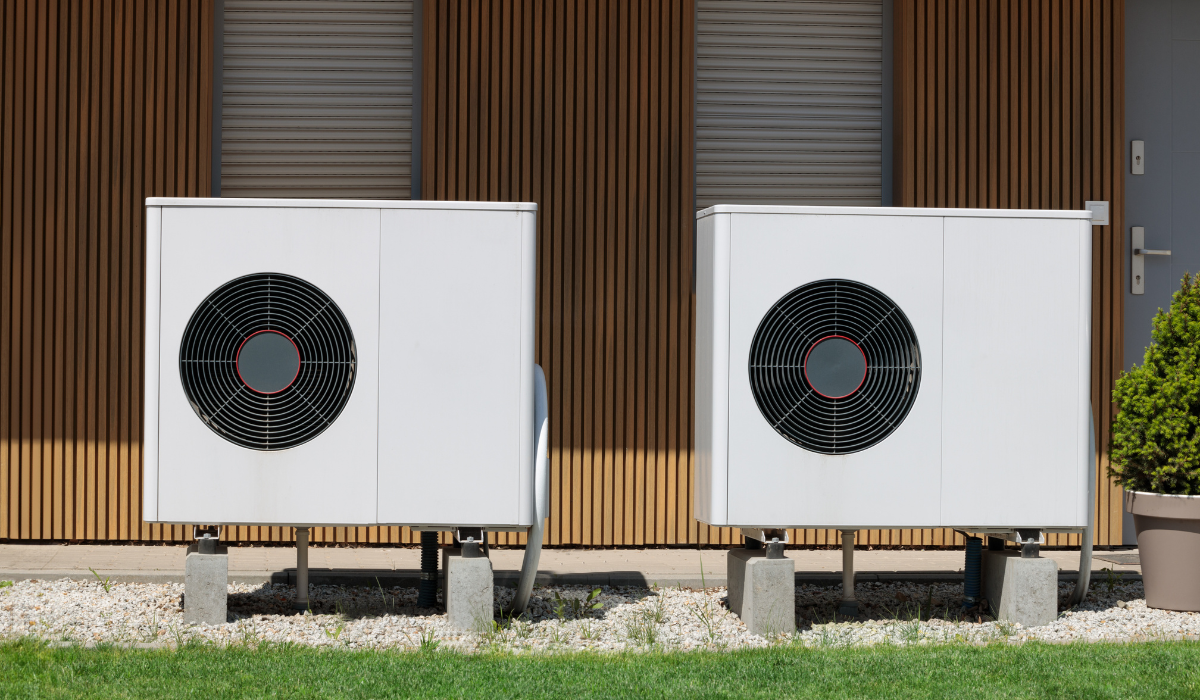
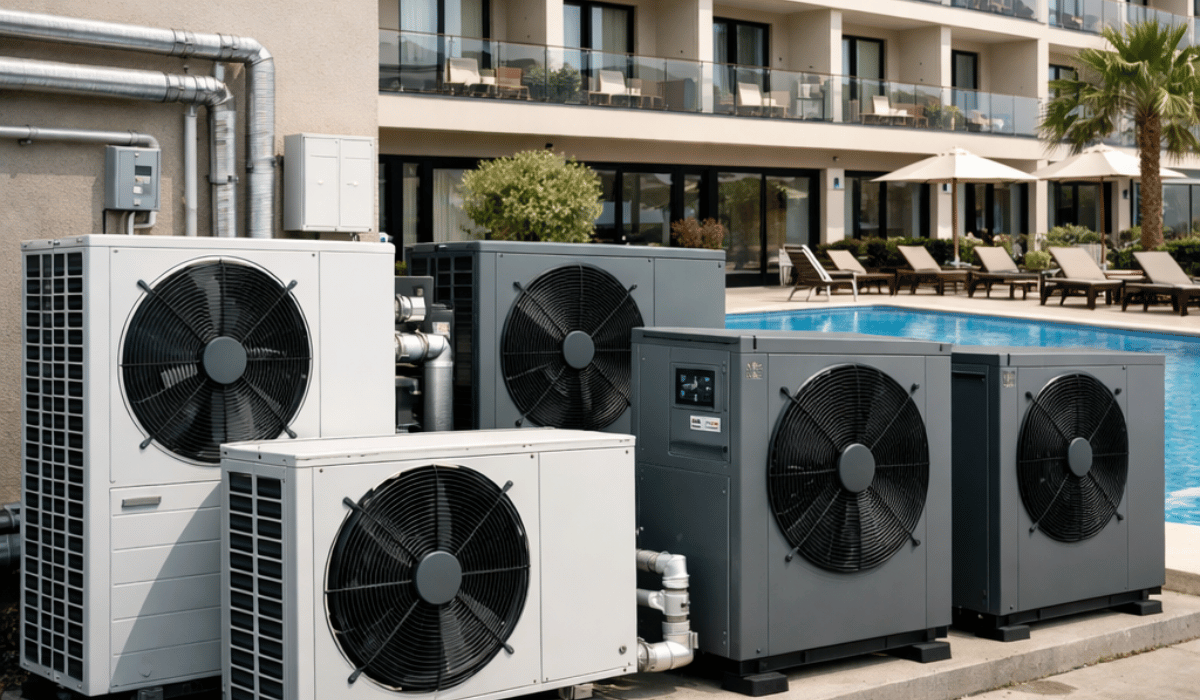
Residential heating installation commonly includes furnace installation, boiler installation, or heat pump installation.
Each system type relies on different energy sources and distribution methods, which affects installation requirements and system performance.
New Heating Installation Cost Factors
New heating installation cost varies based on multiple system-specific and home-specific variables rather than a single flat price.
System Type and Fuel Source
Furnaces, boilers, and heat pumps differ in equipment design and installation requirements. Fuel source, such as gas, electric, or hybrid also influences overall installation cost.
System Capacity and Home Size
Heating system sizing directly affects cost. Larger homes or homes with higher heat demand require systems with greater output capacity, which increases equipment and installation scope.
Installation Complexity and Infrastructure
Existing ductwork condition, venting configuration, electrical upgrades, and piping requirements all influence professional heating installation cost.
Homes with older infrastructure may require additional preparation.
Efficiency Ratings and Technology
Energy efficient heating installation typically involves advanced components that improve performance and reduce energy loss.
Higher efficiency systems often cost more upfront but provide operating cost stability over time.
The Heating Installation Process Explained
The heating installation process follows a structured sequence to ensure safe operation and long-term reliability.
Pre-Installation Evaluation
Before installation begins, technicians evaluate heating demand, airflow conditions, insulation levels, and system compatibility.
This step ensures the selected system aligns with home requirements.
Equipment Preparation and Removal
When replacing an existing system, old equipment is safely disconnected and removed.
Installation areas are prepared to accommodate new system components.
System Installation and Integration
Heating equipment is positioned and connected to ducts, piping, electrical systems, and control interfaces.
Each connection is configured to support proper airflow, pressure balance, and temperature regulation.
Safety Checks and System Startup
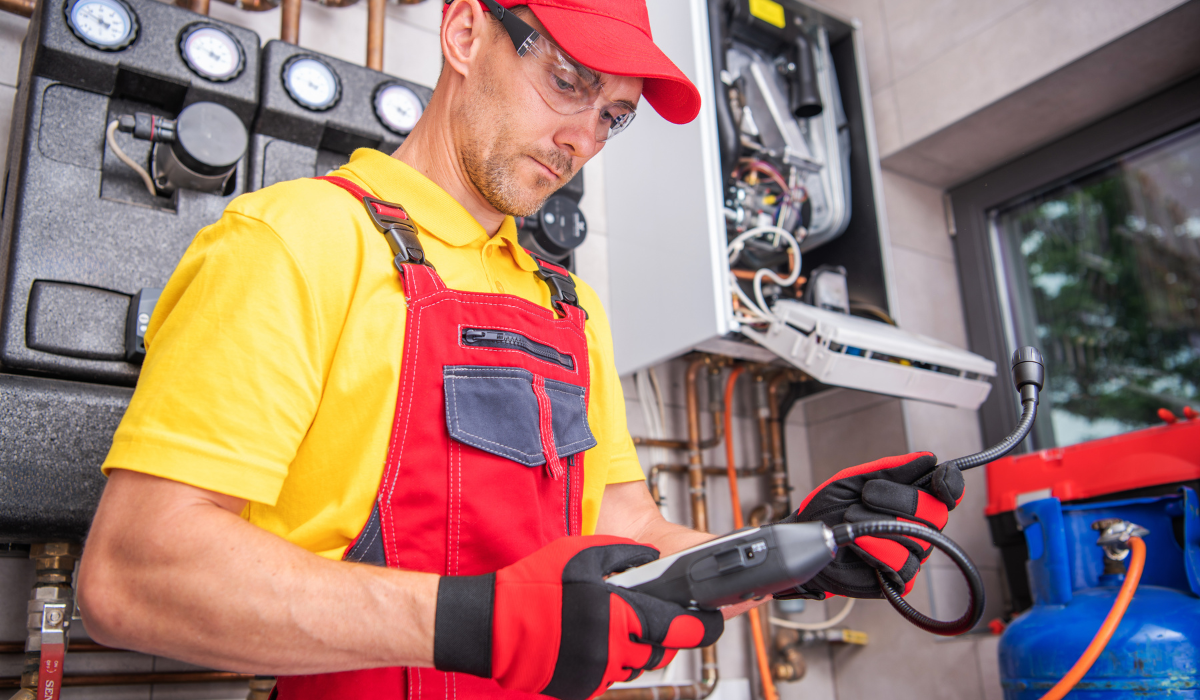
Final startup includes verification of system sequencing, airflow performance, combustion safety (where applicable), and thermostat communication.
This phase confirms proper system operation before regular use.
Heating System Sizing and Performance Accuracy
Heating system sizing plays a critical role in long-term system performance.
Why Proper Sizing Matters
Undersized systems struggle to maintain comfort during peak demand, while oversized systems cycle excessively. Both conditions increase wear and reduce efficiency.
Load Calculations and System Matching
Heating system sizing calculations account for square footage, insulation quality, window placement, and climate conditions.
Proper matching supports consistent heating output and reduced operational strain.
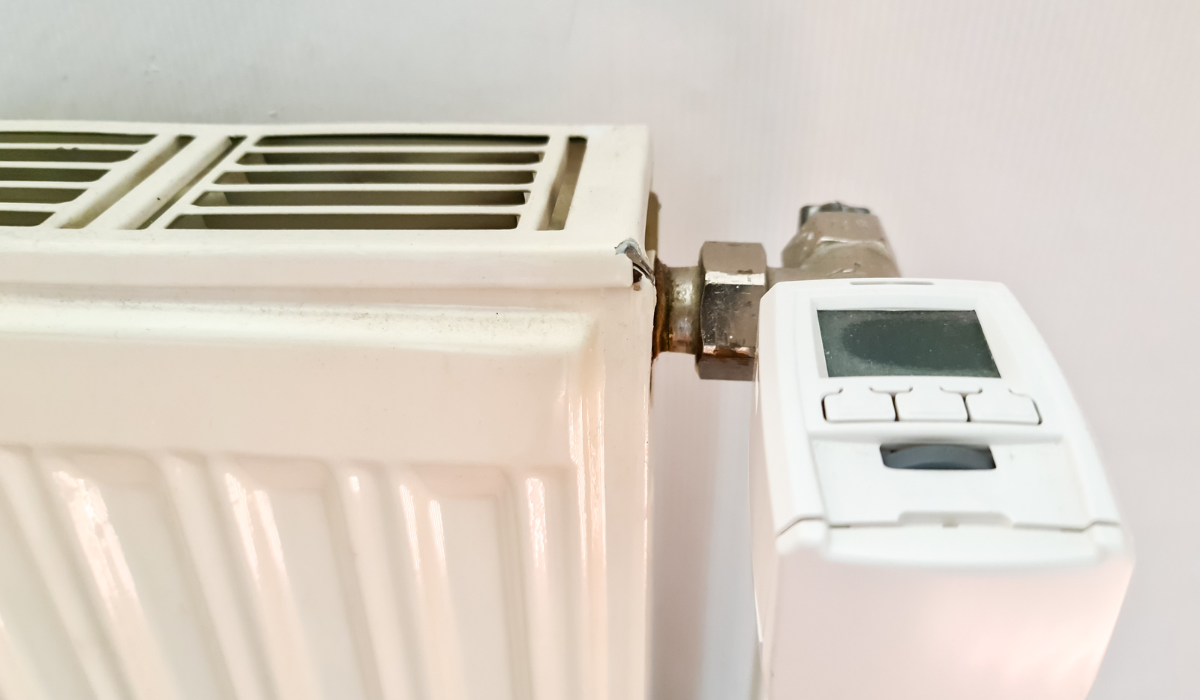
Energy-Efficient Heating Installation and Operating Impact
Energy efficient heating installation provides measurable performance improvements over aging systems.
Efficiency Improvements in Modern Systems
Modern heating systems feature improved heat exchangers, variable-speed components, and enhanced insulation.
These improvements allow systems to deliver heat more efficiently with less energy waste.
Long-Term Energy Use Stability
Higher efficiency systems reduce energy consumption variability, helping stabilize utility costs and improve overall system reliability.
Heating Installation Services and Professional Execution
Heating installation services involve more than equipment placement. Professional execution ensures systems operate within design specifications.
Role of Professional Heating Installation
Professional heating installation ensures proper airflow balance, electrical safety, fuel delivery regulation, and compliance with local codes.
Installation Quality and Reliability
Installation accuracy directly affects system lifespan. Improper installation can lead to uneven heating, premature wear, and recurring service issues.
Heating System Replacement vs Installation
Heating system replacement vs installation reflects two different approaches to improving home heating performance.
While replacement focuses on upgrading existing equipment within the current system framework, installation often involves broader system changes that address structural, compatibility, and long-term performance requirements.
The right path depends on system condition, infrastructure limitations, and how effectively the home can support modern heating technology.
When Installation Becomes the Better Option
Homes with outdated heating systems, aging distribution networks, or limited efficiency potential often benefit more from full installation than incremental replacement.
In these cases, replacing equipment alone may not resolve airflow limitations, venting constraints, or control compatibility issues.
A new heating installation allows system design to align with current performance standards rather than adapting modern equipment to outdated configurations.
Structural and Performance Considerations
Older systems may lack the capacity to support modern efficiency upgrades due to undersized ductwork, incompatible venting, or insufficient electrical infrastructure.
These limitations can restrict system performance even when new equipment is installed.
Full installation addresses these constraints by updating supporting components, allowing modern systems to operate at intended efficiency levels and deliver consistent long-term performance.
Long-Term Benefits of New Heating Installation
A new heating installation delivers advantages that extend well beyond immediate comfort.
Modern systems are designed to operate more efficiently, distribute heat more evenly, and maintain reliable performance as demands change over time.
These long-term benefits contribute to improved comfort, reduced system strain, and greater cost stability.
Improved Comfort and Consistency
New heating systems deliver balanced heat distribution by operating with more accurate airflow control, improved heat exchange, and modern system calibration.
This results in stable indoor temperatures across living spaces rather than fluctuating hot and cold areas.
Consistent operation also reduces temperature swings that are common with aging or improperly sized systems.
Reduced Repair Frequency
Modern systems are built with updated components, improved materials, and refined operating controls that reduce mechanical stress.
As a result, new installations typically experience fewer breakdowns compared to older systems nearing the end of their service life.
Reduced repair frequency supports uninterrupted comfort and minimizes unexpected service disruptions.
Predictable Operating Costs
Heating installation benefits include improved efficiency and more consistent energy use over time.
New systems convert fuel or electricity into usable heat more effectively, leading to steadier monthly energy consumption.
This predictability helps homeowners plan operating expenses with greater confidence while avoiding the rising costs often associated with declining system efficiency.
What to Expect After New Heating Installation
The period immediately following a new heating installation is when system performance settles into normal operation.
During this phase, components begin working together under real household conditions, allowing the system to reach stable, consistent output.
Initial Performance Period
After a new heating installation, the system typically stabilizes quickly as components operate within calibrated settings.
Airflow, temperature control, and system sequencing begin functioning as designed, delivering more consistent heat than older equipment.
Minor variations in runtime or sound during early operation are common as the system adjusts to regular demand and load conditions.
This initial period also confirms proper integration between the heating equipment, thermostat controls, and distribution system.
Once stabilized, the system should maintain steady temperatures with shorter, more efficient heating cycles.
Maintenance and System Longevity
Routine service plays an important role in protecting long-term system performance after installation.
While new systems are designed for reliability, regular inspection and calibration help preserve efficiency and reduce mechanical strain as the system ages.
Maintenance supports clean airflow, proper component operation, and consistent heating output over time.
A well-maintained system is more likely to deliver predictable comfort, experience fewer operational disruptions, and maintain efficiency throughout its expected lifespan.
Conclusion
New heating installation establishes the foundation for long-term comfort, efficiency, and system reliability.
By addressing system sizing, installation quality, and energy performance, installation provides benefits that extend far beyond immediate temperature control.
Homes equipped with properly installed heating systems experience fewer disruptions, improved comfort consistency, and greater confidence in system operation.
Upgrade Home Comfort With Professional Heating Installation
A declining or outdated heating system limits comfort and efficiency.
Replacing it with a properly installed modern system improves performance, reliability, and long-term operating stability.
Holtkamp HVAC & Plumbing provides professional heating installation services designed around system accuracy, safety, and lasting performance.
Our team installs heating systems that align with home requirements and deliver dependable comfort season after season.
Schedule your new heating installation with Holtkamp HVAC & Plumbing and invest in long-term comfort and reliability.
Frequently Asked Questions
What does new heating installation involve?
New heating installation includes placing the system, connecting it to ducts or piping, integrating controls, and configuring operation. The process establishes how heat is generated and distributed throughout the home. Proper installation supports long-term performance and reliability.
How is new heating installation cost determined?
New heating installation cost depends on system type, fuel source, efficiency rating, and home size. Installation complexity, ductwork condition, and electrical or venting requirements also affect pricing. Each home requires a customized evaluation.
How long does the heating installation process take?
The heating installation process typically takes one to two days for most homes. Timeline depends on system type, infrastructure requirements, and whether existing equipment is removed. More complex installations may require additional time.
Why is heating system sizing important during installation?
Heating system sizing ensures the system can meet demand without excessive cycling or strain. Proper sizing supports consistent comfort, efficient operation, and reduced wear on components. Incorrect sizing often leads to performance issues over time.
What are the long-term benefits of new heating installation?
Long-term benefits of heating installation include improved comfort consistency, fewer breakdowns, and stable energy use. Modern systems operate more efficiently and reliably than aging equipment. These benefits extend throughout the system’s lifespan.
Can a new heating installation improve energy efficiency?
Yes, energy efficient heating installation reduces energy waste through improved system design and modern components. Higher efficiency systems deliver the same comfort with less energy use. This leads to more predictable operating costs.
Is there a difference between heating installation and replacement?
Heating installation may apply to first-time system setup or full system changeouts. Replacement typically refers to removing and upgrading existing equipment without altering system design. Both require professional installation for proper performance.
Does professional heating installation affect system reliability?
Professional heating installation ensures systems are installed according to specifications and safety standards. Proper setup reduces performance issues and premature wear. Installation quality directly impacts system reliability and lifespan.