


Plumbing leaks rarely start as big, dramatic bursts. Most begin as small drips, loose fittings, worn-out seals, or unnoticed corrosion. By the time a homeowner realizes what’s happening, water may have already seeped behind walls, under floors, and into cabinets — leading to expensive damage and unnecessary stress.
As a trusted local provider, Holtkamp HVAC & Plumbing has been serving Gwinnett County, GA, since 1996, and we’ve seen firsthand how many leaks could have been prevented with simple, proactive steps. In a climate like ours — muggy, humid, and tough on plumbing systems — paying attention to routine maintenance is essential. The right Plumbing Tips, paired with professional support, can save customers money and extend the life of their systems.
This guide breaks down the smartest ways to prevent leaks before they happen. Whether you’re dealing with older pipes, modern fixtures, a growing family, or heavy appliance usage, these practical strategies keep your water systems healthy and reliable.
Know Where Your Main Shutoff Valve Is Located
Every homeowner should know how to quickly shut off water flow in an emergency. If a pipe bursts or a large leak appears, shutting off the main valve can prevent hundreds or even thousands of dollars in damage.
Where to find it:
- Inside the garage
- Near the water heater
- In a basement or utility area
- Outside near the water meter
We always point this out to customers during routine service calls because it’s often overlooked. Quick action can turn a major disaster into a minor inconvenience.
Inspect High-Risk Areas Regularly
Some parts of a home are more prone to leaks. Catching early signs matters.
Check these key areas at least once a month:
- Under bathroom and kitchen sinks
- Behind toilets
- Around the base of tubs and showers
- Around your water heater
- Near major appliances: washer, dishwasher, refrigerator
Look for:
- Moisture or puddling
- Mold or mildew smell
- Warping wood or bubbling paint
- Rust on valves
- Drips or corrosion on pipes
These warning signs often point to issues that need early attention, including leak repairs before something escalates.
Protect Your Drains With Proper Maintenance
Many leaks start from clogged or slow drains that cause pressure buildup in the plumbing system. That’s why routine drain maintenance matters.
Smart steps to follow:
- Avoid dumping grease down the sink.
- Use drain screens to catch hair and debris.
- Flush bathroom sinks with hot water weekly.
- Avoid over-the-counter chemical cleaners — they eat through pipes.
Professional drain cleaning services are a smart investment if you experience recurring clogs. They not only clear blockages safely but also help prevent pipe damage that often leads to leaks.
Upgrade Old Hoses and Supply Lines
Rubber hoses behind your washing machine, dishwasher, or refrigerator become brittle over time. In humid Georgia weather, that process speeds up.
Replace rubber hoses with braided stainless steel options for:
- Washing machines
- Ice makers
- Dishwashers
- Toilets
This simple upgrade is one of the easiest ways to prevent flooding and unexpected leaks. Our technicians often recommend it during routine appliance plumbing services because it dramatically reduces failure risk.
Maintain Healthy Water Pressure
High water pressure may feel great in the shower, but it’s tough on plumbing systems. Excess pressure stresses pipe joints, fixtures, and valves — leading to leaks over time.
Signs your home has high water pressure:
- Banging pipes
- Leaks around fittings
- Running toilets
- Premature fixture wear
A licensed plumber can test your pressure and install or adjust a pressure-reducing valve (PRV). This small device protects your plumbing and extends the life of all your fixtures.
Watch for Early Signs of Gas Line Issues
Not all plumbing systems carry water. Some homes also rely on natural gas for stoves, water heaters, and heating systems.
Because gas systems are sensitive, any leak — even a small one — can become dangerous quickly.
If you notice:
- A sulfur smell
- Hissing sounds
- Dead patches of grass outside
- Sudden appliance failures
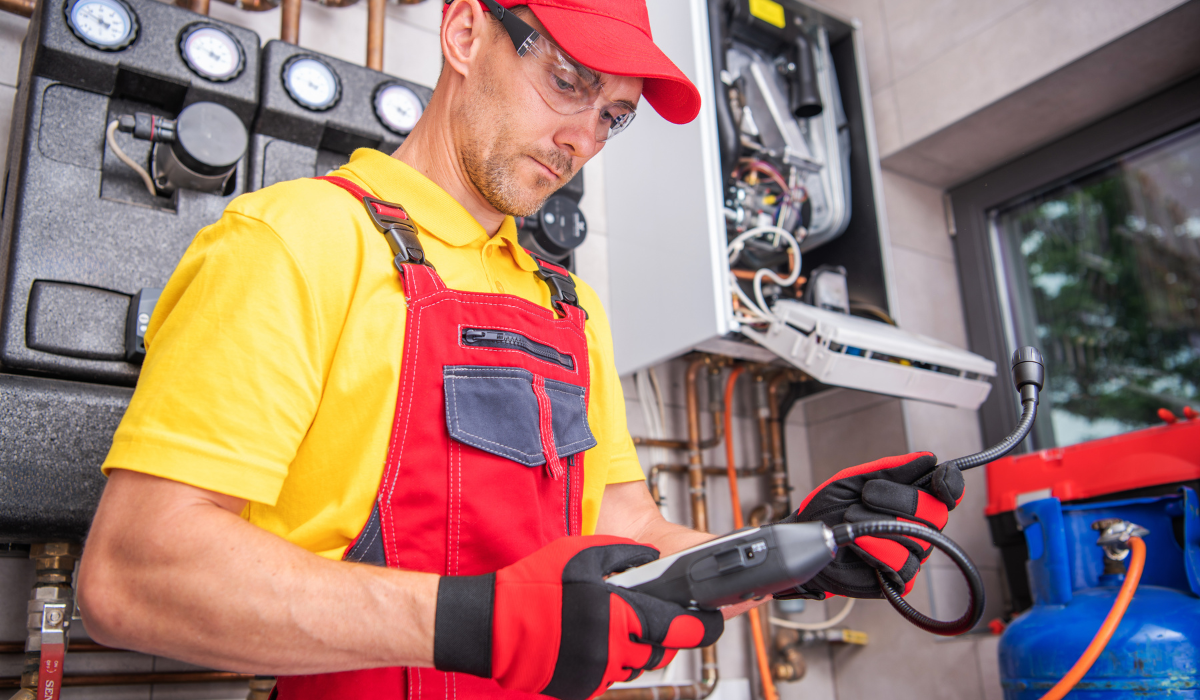
Leave the home and call a professional immediately. Gas systems should never be inspected or repaired without a licensed technician. We perform gas line inspections as part of preventive maintenance to help catch issues early.
Keep Your Water Heater Healthy
A failing water heater is one of the most common sources of indoor leaks. Small puddles, rust, and valve drips are early warning signs.
To prevent leaks:
- Flush the tank once a year
- Check the T&P valve
- Inspect for rust or moisture around the base
- Have it professionally serviced every 12 months
Georgia’s humidity causes accelerated tank corrosion, which is why regular maintenance is so important.
Seal Bathroom Fixtures and Tile Grout
Bathroom moisture often sneaks behind walls through worn-out caulking or cracked grout. Over time, water damage spreads silently.
To prevent problems:
- Re-caulk tubs and showers annually
- Repair cracked grout quickly
- Ensure proper ventilation after showers
- Wipe down tile regularly
This step protects both your plumbing fixtures and your walls from long-term rot or leaks.
Be Careful With What You Flush or Dispose
Toilets and garbage disposals are tough, but they’re not indestructible. Misuse can cause slow leaks or system failures.
Do NOT flush:
- Wipes
- Cotton products
- Dental floss
- Feminine products
- Paper towels
Do NOT put into disposals:
- Bones
- Grease
- Eggshells
- Coffee grounds
- Pasta or rice
These materials stick to pipes, block drains, and contribute to stress that eventually leads to leaks.
Schedule Preventive Plumbing Maintenance
Most homeowners don’t notice plumbing problems until water is visible — and by then, the damage is already done.
A preventive maintenance plan is the most effective way to avoid leaks because a trained technician can:
- Inspect all pipes and connections
- Test water pressure
- Check for early corrosion
- Evaluate appliances
- Clean drains professionally
- Examine your gas line and fixtures
- Recommend targeted, cost-effective improvements
Since Holtkamp HVAC & Plumbing has been serving local homes for nearly three decades, we use these visits to help customers stay ahead of surprises and extend the lifespan of their systems.
Don’t Ignore Small Problems — Fix Them Early
A drip under the sink or a small puddle around the water heater may not look serious. But leaks rarely stay small.
Common minor issues that grow into major ones:
- Loose fittings
- Worn gaskets
- Failing valves
- Corroded pipe sections
- Small drain blockages
Early leak repairs take minutes and cost far less than emergency damage restoration.
Keep Outdoor Plumbing in Check
Exterior faucets, irrigation systems, and hose bibs are exposed to weather changes, pressure shifts, and heavy use.
Inspection tips:
- Check for drips after shutting off the hose
- Look for corrosion around outdoor faucets
- Inspect irrigation lines for wet patches
- Make sure outdoor pipes are insulated seasonally
Even a small outdoor leak can drastically increase your water bill and waste thousands of gallons.
Final Thoughts
Preventing leaks is all about being proactive. A few simple habits — regular inspections, healthy water pressure, mindful disposal habits, and timely upgrades — can dramatically reduce the risk of costly plumbing issues.
At Holtkamp HVAC & Plumbing, our goal is to give customers the confidence and knowledge they need to protect their homes. With our humid Georgia climate putting extra stress on plumbing systems, taking preventive steps keeps your home safe, efficient, and comfortable.
Whether you need drain cleaning services, reliable leak repairs, expert gas line inspections, or dependable appliance plumbing services, having a trusted local team makes all the difference.
If you want help staying ahead of leaks or scheduling preventive service, you’re already on the right track — knowledge is the first step toward a safer, healthier plumbing system.
FAQs
What are the most common causes of plumbing leaks?
Most leaks start from worn-out seals, loose fittings, clogged drains, high water pressure, aging pipes, or neglected appliances. In humid climates like Gwinnett County, corrosion happens faster, making maintenance even more important.
How can I prevent leaks under my kitchen and bathroom sinks?
Check under-sink plumbing monthly. Look for moisture, rust, loose P-traps, or worn gaskets. Keep the area clean, avoid storing heavy items that push against pipes, and schedule professional inspections if you see recurring drips.
Does regular drain cleaning help prevent leaks?
Yes. Slow drains and clogs add pressure to pipes, which can cause them to crack or burst. Routine drain cleaning services keep your plumbing clear and reduce long-term damage.
How can I tell if my water pressure is too high?
Signs include banging pipes, dripping faucets, frequent leaks, or toilets that constantly run. A plumber can test your pressure and install a pressure-reducing valve if needed. Balanced pressure helps prevent pipe damage.
How often should I replace appliance hoses?
Replace rubber hoses on washing machines, dishwashers, and refrigerator water lines every 3–5 years, or upgrade to braided stainless steel lines. These simple updates prevent many major water damage claims. Professional appliance plumbing services can handle this for you.
Do small drips or slow leaks really matter?
Absolutely. Small leaks often indicate deteriorating parts. What starts as a minor drip can turn into expensive repairs or mold damage. Early leak repairs save you money and protect your home.
What should I do if I smell gas near my appliances?
Leave the area immediately and call a licensed professional. Never inspect a gas line yourself. Gas leaks are dangerous and require trained technicians with proper safety tools.