


Pool heater installation near me in Georgia is one of the most effective ways to transform how often and how comfortably you use your swimming pool.
Although Georgia enjoys long warm seasons, fluctuating temperatures, cool evenings, and shoulder months often leave pool water uncomfortably cold.
A professionally installed pool heater solves this issue by delivering consistent water temperatures, helping you extend your swimming season in Georgia, and maximizing the value of your pool investment.
This guide explains how pool heating works, explores swimming pool heating options, outlines installation considerations and costs, shares energy-saving tips, and answers common questions so you can make a confident and informed decision.
Why Pool Heating Makes Sense for Georgia Homes
Many Georgia homeowners assume their climate eliminates the need for pool heating.
In reality, cooler nights and unpredictable spring and fall temperatures limit pool usage far more than expected.
Without heating, water temperatures can drop quickly, especially after rain or cloudy days.
Installing a pool heater allows you to:
- Swim comfortably earlier in spring and later into fall
- Maintain steady temperatures for children and guests
- Enjoy evening swims without discomfort
- Get more value from your backyard investment
For families, entertainers, and fitness swimmers alike, pool heating turns a seasonal feature into a dependable, year-round amenity.
Types of Swimming Pool Heaters Available in Georgia
Choosing the right system depends on pool size, usage habits, and energy preferences.
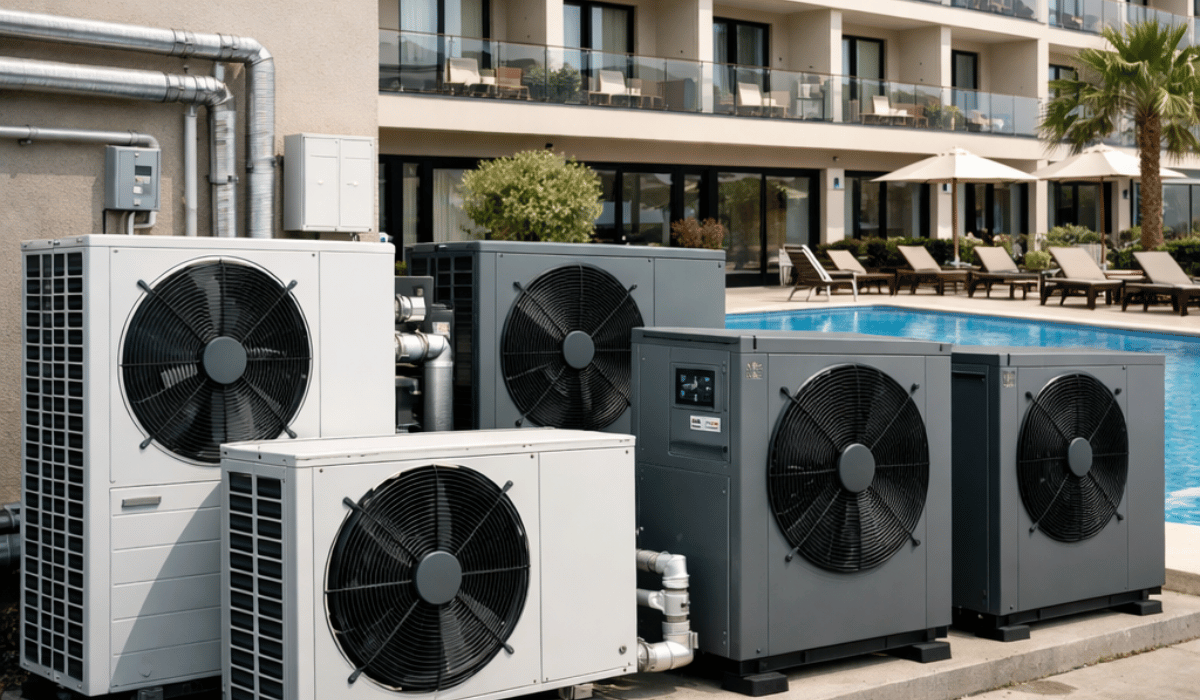
Georgia homeowners typically choose from four main pool heating systems in Georgia.
Gas Pool Heaters
Gas pool heater installation is popular for homeowners who want fast, on-demand heating.
These systems raise water temperature quickly and perform well regardless of outdoor conditions.
They work well for pools used intermittently or when you want rapid heating before events.
Gas heaters can cost more to operate than other options, but the speed and reliability make them a practical choice for many households.
Electric Pool Heaters
An electric pool heater uses resistance elements to warm water.
These systems are often best for smaller pools or spas and for limited seasonal use.
Although electric heaters may have simpler installation requirements, operating costs can increase for larger pools or frequent heating schedules.
Heat Pump Pool Heaters
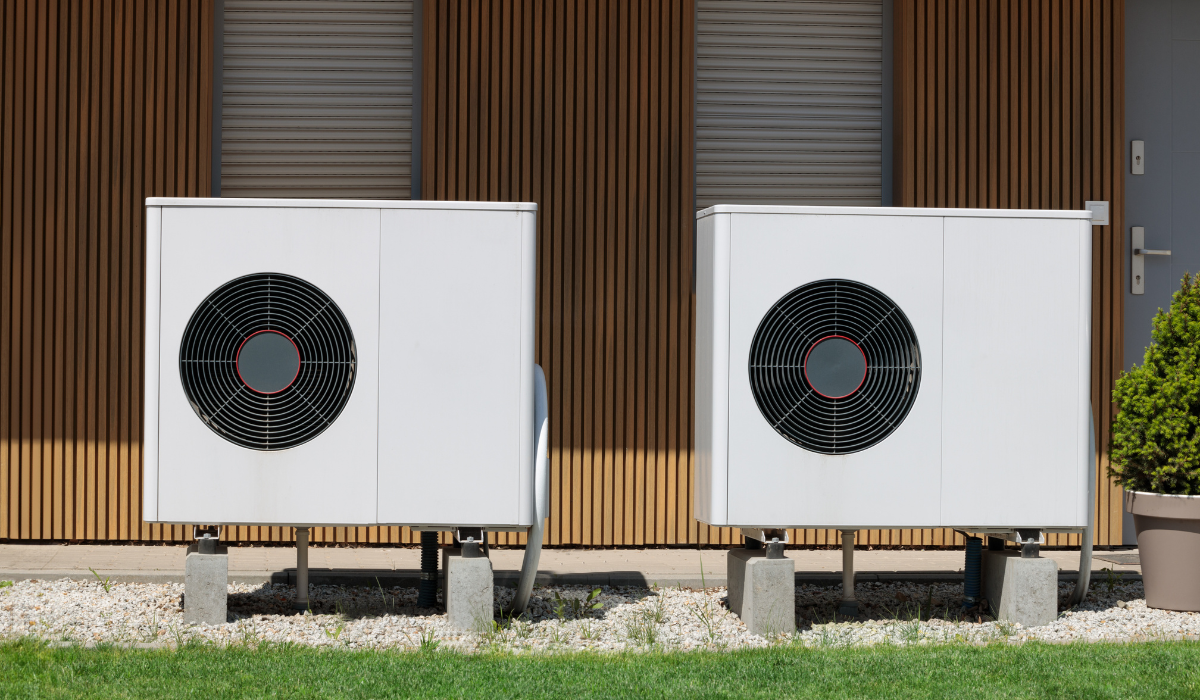
A heat pump pool heater is one of the most efficient solutions for Georgia’s climate.
Instead of generating heat directly, it pulls warmth from the air and transfers it into pool water.
Heat pumps are ideal for maintaining steady temperatures for longer periods, making them a strong match for homeowners who swim regularly.
Solar Pool Heating Systems
Solar systems use roof or ground-mounted panels to capture heat from the sun. Operating costs are low, which appeals to homeowners focused on long-term savings.
However, performance depends on sunlight availability and system placement. In many cases, solar heating works best paired with another heater for consistent results.
How to Choose the Right Pool Heater for Your Home
Selecting the right system requires more than comparing equipment prices.
Several factors influence performance and satisfaction with residential pool heater installation.
Pool size and volume directly affect heater capacity requirements.
Larger pools need more heating power to reach and maintain target temperatures.
Usage frequency matters too. Occasional swimmers often prefer gas systems, while frequent swimmers typically benefit from heat pumps.
Other important considerations include:
- Desired water temperature range
- Energy source availability (gas or electric)
- Long-term operating costs
- Equipment placement and clearance requirements
- Noise considerations and overall backyard layout
A professional evaluation ensures the heater is sized properly, installed safely, and configured for efficiency.
Understanding the Swimming Pool Heater Installation Process
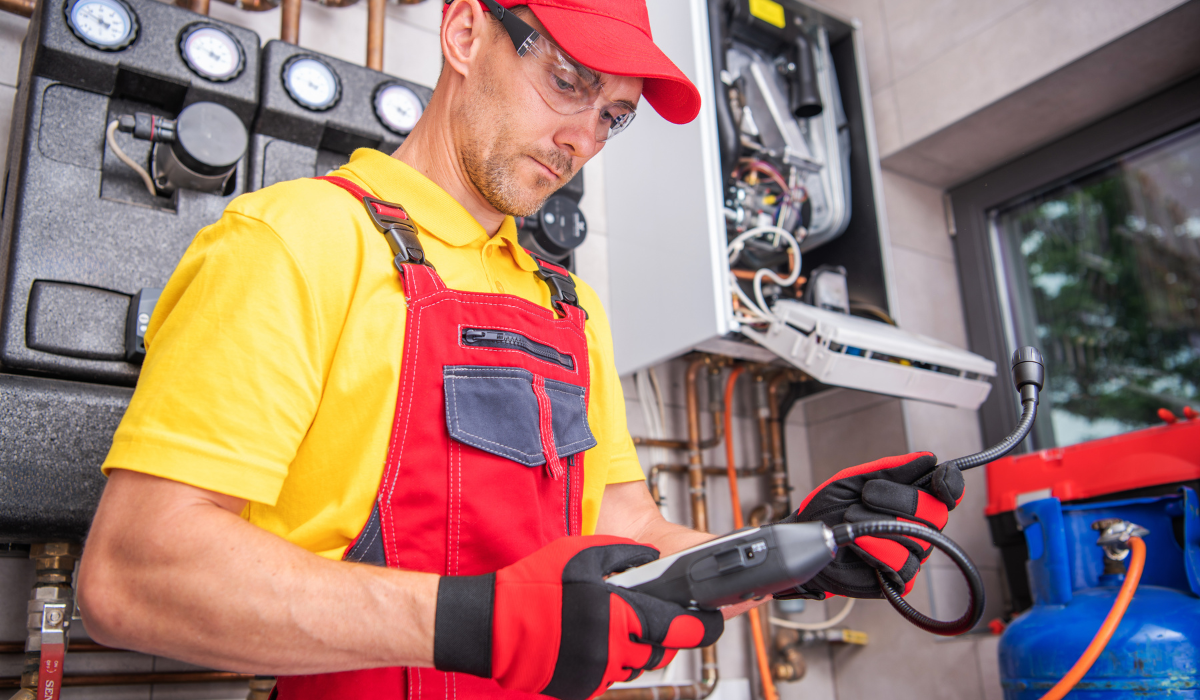
Professional swimming pool heater installation involves coordinated steps that protect safety, performance, and equipment life.
The process typically begins with a site inspection to assess plumbing connections, electrical capacity, gas availability, and equipment placement.
After selecting the appropriate heater, installers integrate it into the pool’s circulation system.
Installation commonly includes:
- Plumbing modifications and heater integration
- Electrical or gas line connections
- Ventilation setup for gas units
- System calibration and operational testing
Once installed, the heater is tested to confirm stable temperature control, safe operation, and proper system efficiency.
Why Professional Installation Is Essential
Installing a pool heater is not a DIY-friendly project.
Incorrect installation can lead to poor performance, increased energy costs, safety risks, or equipment failure.
Professional pool heater installers near me help ensure:
- Compliance with Georgia codes and safety standards
- Proper ventilation and exhaust handling
- Correct electrical and gas connections
- Manufacturer warranty protection
- Optimal performance and efficiency
Expert installation also reduces the risk of premature breakdowns and expensive repairs.
How Pool Heaters Extend the Swimming Season
Without heating, many Georgia pools are usable for only part of the year.
A properly installed heater can add months of comfortable swimming and improve how consistently the pool is used.
Homeowners often enjoy:
- Spring swimming weeks earlier than normal
- Comfortable fall swimming without sudden temperature drops
- Evening swims even when air temperatures cool down
- More consistent warmth during cloudy or rainy stretches
With stable water temperatures, you can extend your swimming season in Georgia and enjoy your pool more often.
Pool Heater Cost in Georgia: What Impacts Pricing?
Pool heater cost in Georgia depends on several factors, including heater type, pool size, and installation complexity.
Gas heaters often involve higher upfront costs due to gas line requirements.
Heat pumps can cost more initially but often save money over time through reduced energy use.
Electrical upgrades, permits, and site conditions may also influence the final estimate.
Understanding both installation pricing and operating expenses helps homeowners choose the right system based on comfort goals and long-term value.
When to Consider Pool Heater Replacement in Georgia
Even reliable systems eventually wear out. Pool heater replacement in Georgia may be the best option if your current unit struggles to maintain temperature, needs frequent repairs, or causes rising utility costs.
Common signs include:
- Water no longer heats consistently
- Repairs are becoming more frequent
- Efficiency is declining over time
- The unit is outdated compared to newer energy-efficient models
Replacing a failing heater before a complete breakdown reduces downtime and prevents surprise expenses.
Conclusion
Pool heater installation near me in Georgia helps homeowners enjoy their pools longer, more comfortably, and with greater flexibility.
With the right heating system and professional installation, you get consistent water temperatures, improved energy efficiency, and better long-term value from your pool.
Whether you swim for fitness, relaxation, or entertaining, pool heating removes seasonal limits and turns your backyard into a more usable space throughout the year.
Ready to Upgrade Your Pool Experience?
If you want dependable comfort and more pool days each year, professional pool heater installation is the right next step.
Schedule a consultation with experienced installers to evaluate your pool, recommend the best heater type, and ensure everything is sized and installed correctly.
At Holtkamp HVAC & Plumbing, our team helps homeowners choose efficient pool heating solutions, handle safe installation, and optimize performance for Georgia’s climate, so you can enjoy warmer water with less hassle.
Frequently Asked Questions
How much does it cost to put a heater in a swimming pool?
The cost depends on heater type, pool size, and installation requirements. Gas heaters usually have higher upfront costs, while heat pumps may cost more initially but reduce long-term energy expenses. Electrical or gas upgrades can also affect pricing. A professional inspection provides the most accurate estimate.
How much does it cost to add heating to your pool?
Adding heating to an existing pool varies based on infrastructure, equipment selection, and any needed upgrades. Homeowners should budget for both installation and ongoing operating costs. Energy-efficient systems often deliver better value over time, even if the upfront investment is higher.
Can you add a heater to a swimming pool?
Yes. Most residential pools can have a heater added even if one wasn’t included during construction. Installers evaluate plumbing configuration, electrical capacity, and equipment placement to ensure safe and reliable integration. The goal is smooth operation without restricting circulation performance.
What’s the cheapest way to heat a swimming pool?
Solar heating typically has the lowest operating cost, but it relies on consistent sunlight and proper placement. Heat pump systems are also highly cost-effective for Georgia homeowners due to their efficiency. The “cheapest” option depends on usage frequency and your preferred swimming temperature.
How long does pool heater installation take?
Most installations are completed within one to two days. Projects can take longer if gas line work, electrical upgrades, or permit requirements add extra steps. A site assessment helps set realistic expectations and avoids delays once installation begins.
Are pool heaters energy efficient in Georgia?
Yes, especially heat pump and solar systems. Georgia’s climate supports strong heat pump performance for much of the year. Using a pool cover and optimizing run times also helps reduce heat loss and improve efficiency.
Do pool heaters work during cooler months?
Pool heaters can still maintain comfortable water temperatures during cooler months, especially when paired with a cover. Heat pumps perform best in moderate temperatures, while gas heaters deliver consistent heating even when outdoor temperatures drop. Heater selection matters if you want winter-season performance.
How long do pool heaters last?
Most pool heaters last between 8 and 15 years, depending on heater type, water chemistry, and maintenance. Heat pumps often last longer due to steady operation and lower internal stress. Routine servicing helps extend lifespan and prevent avoidable failures.
Is professional maintenance necessary after installation?
Yes, regular maintenance improves safety, efficiency, and long-term performance. Annual inspections, cleaning, and system checks help prevent breakdowns and ensure the heater operates as intended. Maintenance also supports warranty compliance and reduces costly repairs.