


When it comes to maintaining comfort in your home or business, the HVAC system plays a pivotal role.
Whether it’s battling the sweltering summer heat or keeping warm during a chilly winter night, your heating, ventilation, and air conditioning system is central to creating a pleasant indoor environment.
For residents of Gwinnett County, GA, where the muggy climate can put extra stress on HVAC systems, ensuring proper installation is essential.
A professional HVAC installation guarantees not only comfort but also energy efficiency and longevity for your system.
In this article, we’ll walk you through what to expect during a professional HVAC installation and why it’s important to rely on licensed HVAC contractors.
Understanding the HVAC Installation Process
The HVAC installation process is more than just placing a unit in your home and connecting it to the ductwork.
It is a structured procedure that requires planning, expertise, and precision.
Professional HVAC contractors follow a systematic approach to ensure your new HVAC system functions efficiently and reliably for years to come.
Here’s a step-by-step breakdown of the process:
Initial Assessment and Consultation
The first step in any professional HVAC installation is a thorough assessment of your home or commercial space.
During this consultation, HVAC contractors evaluate your current system, if applicable, and consider factors such as:
- Square footage of the area to be heated or cooled
- Number of rooms and floor levels
- Insulation quality and energy efficiency of the building
- Ventilation needs
- Existing ductwork condition
This assessment allows the contractors to recommend the best type and size of HVAC system for your space.
Proper sizing is crucial; an undersized unit will struggle to maintain comfort, while an oversized system can cycle too frequently, leading to higher energy bills and unnecessary wear.
Choosing the Right HVAC System
After assessing your space, HVAC contractors will guide you in selecting a new HVAC system that suits your needs.
There are various types of systems, including:
- Central Air Conditioning and Heating Systems: Ideal for consistent, whole-home climate control.
- Heat Pumps: Efficient for moderate climates, offering both heating and cooling.
- Ductless Mini-Split Systems: Perfect for homes without existing ductwork or for zone-specific cooling and heating.
- Furnaces: Focused on providing reliable heating during colder months.
Choosing the right system is a collaborative process between the homeowner and the HVAC contractor, ensuring the selected system meets comfort, efficiency, and budgetary requirements.
Preparing the Installation Site
Once a new HVAC system is selected, the contractors prepare the installation site.
This includes:
- Removing the old HVAC system, if applicable
- Inspecting and repairing or replacing ductwork as needed
- Ensuring proper electrical connections and gas lines are ready
- Checking for proper ventilation and airflow paths
Proper site preparation ensures the installation goes smoothly and minimizes the risk of damage or future malfunctions.
Installing the Indoor and Outdoor Units
The installation itself involves placing and securing both indoor and outdoor components of the HVAC system.
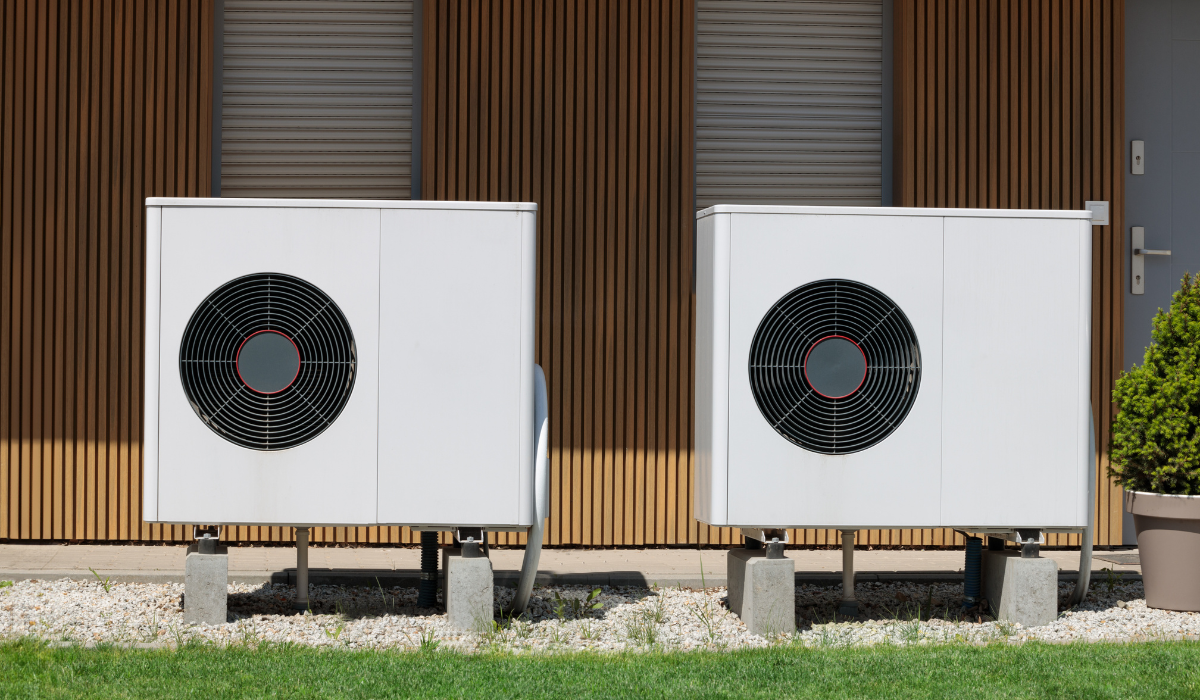
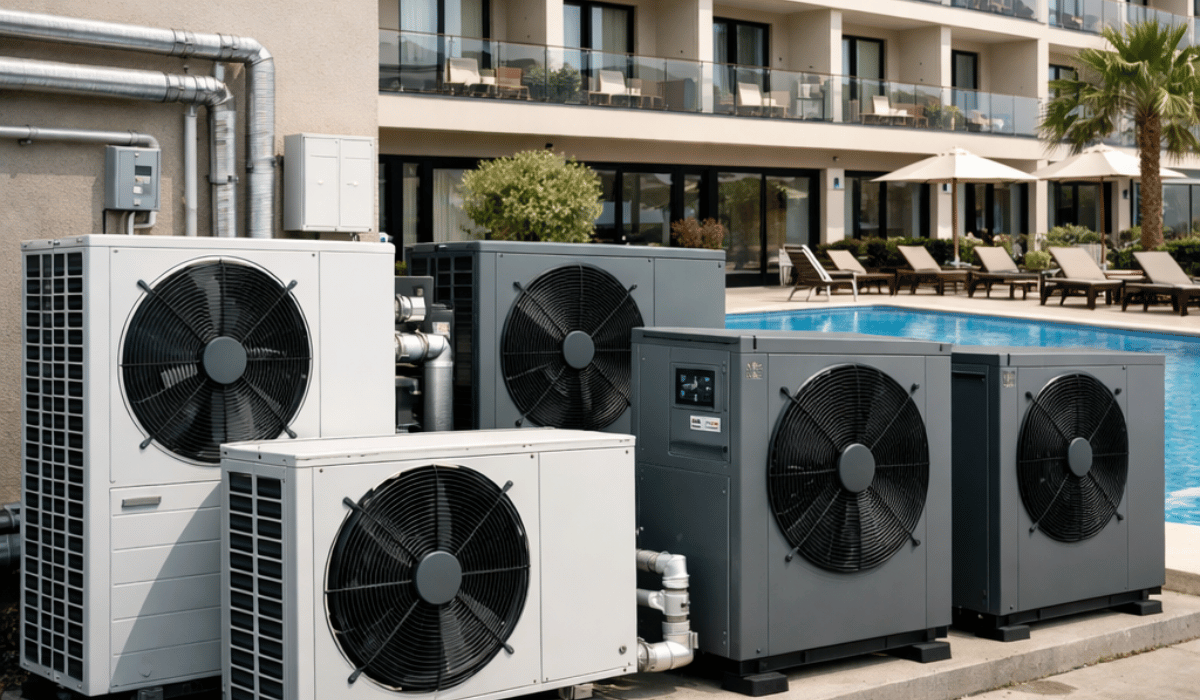
The indoor unit is typically installed in a central location to facilitate even airflow, while the outdoor unit is positioned in a location that allows for adequate ventilation and easy maintenance access.
During this stage, HVAC contractors meticulously connect:
- Refrigerant lines for cooling
- Electrical wiring for system operation
- Thermostats and control systems
- Ductwork or venting systems
Professional installation is critical here; improper connections or placement can lead to inefficient operation, system breakdowns, or even safety hazards.
System Testing and Calibration
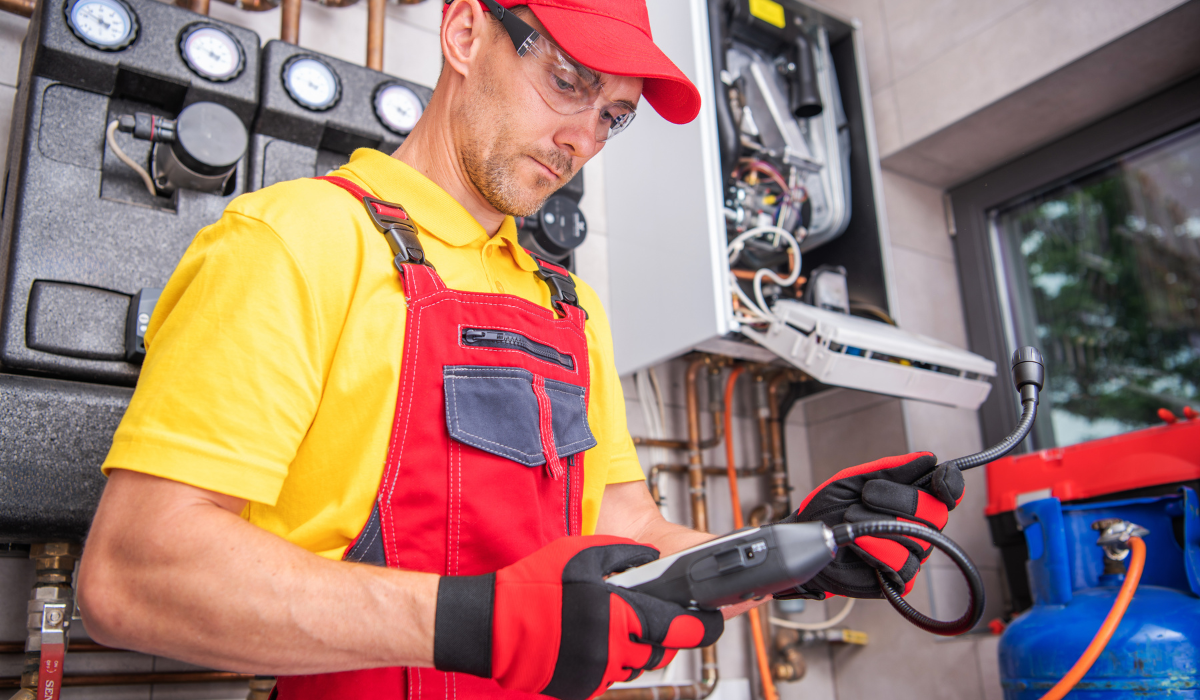
Once the new HVAC system is installed, contractors perform thorough testing to ensure everything operates correctly.
This includes:
- Checking refrigerant levels and pressures
- Testing airflow through ducts
- Verifying thermostat and control responsiveness
- Confirming proper heating and cooling output
Calibration ensures that your new HVAC system provides consistent comfort while maximizing energy efficiency.
This step also allows contractors to identify and correct any minor issues before leaving your property.
Explaining System Operation and Maintenance
A professional HVAC installation doesn’t end when the system is running.
HVAC contractors will take the time to explain how your new system works, including:
- How to adjust settings for optimal comfort and efficiency
- Regular maintenance tasks, such as filter replacement and cleaning
- Signs of potential issues that may require professional attention
Proper education ensures homeowners can maintain the new HVAC system effectively, extending its lifespan and performance.
Benefits of Professional HVAC Installation
Choosing professional HVAC contractors for your installation comes with several advantages:
Enhanced Energy Efficiency
A correctly installed system operates at peak efficiency, reducing energy consumption and lowering utility bills.
HVAC contractors ensure that ducts, wiring, and refrigerant lines are properly connected and sealed, eliminating inefficiencies that often occur with DIY or untrained installations.
Improved Comfort
Proper installation guarantees that your home receives consistent heating and cooling.
Professional HVAC contractors account for airflow patterns, room sizes, and system zoning to provide balanced temperature control throughout the space.
Longer System Lifespan
A new HVAC system is a significant investment.
Professional installation reduces the likelihood of premature breakdowns or frequent repairs, allowing your system to function optimally for years.
Safety Assurance
Improper HVAC installation can pose safety risks, including electrical hazards, gas leaks, or refrigerant exposure.
Licensed HVAC contractors follow strict safety protocols to protect both the system and your home.
Warranty Protection
Many HVAC manufacturers require professional installation to honor warranties.
Choosing certified contractors ensures that your new system remains eligible for manufacturer coverage, giving you peace of mind.
Signs You’re Working with Experienced HVAC Contractors
Not all HVAC contractors offer the same level of expertise.
Here are some indicators that you’re working with professionals:
- They are licensed and insured, adhering to local codes and regulations.
- They provide a detailed written estimate and project timeline.
- They perform thorough site assessments before recommending a system.
- They answer your questions and explain the HVAC installation process clearly.
- They provide guidance on maintenance and troubleshooting.
At Holtkamp HVAC & Plumbing, our team of certified HVAC contractors has been serving Gwinnett County since 1996.
We understand the importance of precision and reliability in every installation, especially in a region where extreme humidity can impact system performance.
Preparing Your Home for HVAC Installation
While HVAC contractors handle most of the heavy lifting, there are steps homeowners can take to make the process smoother:
- Clear the installation area of furniture and obstacles.
- Ensure pets are safely confined during the work.
- Gather any documentation related to your previous HVAC system.
- Prepare questions about system operation, efficiency, and maintenance.
Being proactive can help the installation team work efficiently and reduce potential delays.
Post-Installation Tips
After your new HVAC system is installed, maintaining its efficiency is key. Here are some tips:
- Schedule regular maintenance: Even the best system requires periodic inspections and tune-ups.
- Replace filters routinely: Dirty filters reduce airflow and system efficiency.
- Monitor energy usage: Track bills to identify any anomalies that may indicate a problem.
- Maintain outdoor units: Keep the area around the condenser clear of debris and foliage.
Following these steps ensures that your HVAC system continues to operate at peak performance for years to come.
Conclusion
A professional HVAC installation is a structured, comprehensive process that extends beyond simply placing a unit in your home.
From initial assessment to final testing and education, licensed HVAC contractors ensure your new HVAC system delivers optimal comfort, efficiency, and safety.
For residents of Gwinnett County, GA, trusting an experienced team like Holtkamp HVAC & Plumbing is essential.
With over two decades of service and a commitment to excellence, our HVAC contractors provide reliable installations that keep your home comfortable year-round, even in the most challenging weather conditions.
Investing in a professional HVAC installation today means peace of mind, energy savings, and a system built to last.
Don’t compromise on your comfort—choose expert HVAC contractors who understand the nuances of efficient heating and cooling.
FAQs
What is included in a professional HVAC installation process?
A professional HVAC installation process includes a full assessment of your home, system selection, removal of old equipment (if necessary), installation of indoor and outdoor units, connection of ductwork and electrical components, refrigerant charging, system testing, calibration, and homeowner education on system operation and maintenance.
How long does it take to install a new HVAC system?
The duration of a new HVAC system installation depends on the complexity of the project, the size of your home, and the type of system being installed. Most installations take anywhere from one to three days. Your HVAC contractors can provide a detailed timeline after assessing your property.
Do I need to prepare my home before HVAC installation?
Yes. Homeowners should clear furniture and obstacles from the installation area, secure pets, and have any documents related to their old system ready. Preparing the site helps HVAC contractors work efficiently and reduces the risk of delays.
How can I tell if my home needs a new HVAC system?
Signs you may need a new HVAC system include frequent breakdowns, rising energy bills, uneven heating or cooling, unusual noises, and outdated equipment that is no longer energy efficient. A licensed HVAC contractor can evaluate your system and recommend the best solution.
What types of HVAC systems can be professionally installed?
Professional HVAC contractors can install a variety of systems, including central air conditioners, heat pumps, ductless mini-split systems, furnaces, and hybrid systems. The right choice depends on your home’s size, layout, and your heating and cooling needs.