


Your furnace rarely fails without warning. And an experienced commercial HVAC technician knows better what is cooking inside a furnace.
Most heating systems give clear signals when something is wrong, but those signs are easy to ignore when the heat still turns on or the problem feels minor.
During colder months, your furnace works harder than almost any other system in your home.
When small issues are left unchecked, they often turn into expensive repairs, uncomfortable breakdowns, or emergency calls at the worst possible time.
Knowing when to call an HVAC technician can save you money, protect your home, and keep your family safe.
This guide walks you through 10 clear furnace signs that should never be ignored and explains why professional attention matters before problems escalate.
10 Furnace Signs That You Need an HVAC Technician
Furnace Is Blowing Cold or Lukewarm Air
If your furnace is running but the air coming from the vents feels cool, something is not working correctly.
This is often related to ignition problems, fuel supply issues, or airflow restrictions.
A furnace should deliver consistent, warm air shortly after starting.
When it does not, internal components may be failing or struggling to maintain proper operation.
Strange Noises Coming From the Furnace
Furnaces are not silent, but sudden or unusual noises are a warning sign.
Banging, rattling, grinding, or squealing sounds often point to mechanical wear or loose components.
These noises usually worsen over time. Addressing them early through furnace repair helps prevent damage to motors, belts, or internal assemblies.
Rising Energy Bills Without Increased Usage
If your heating habits have not changed but your energy bills continue to climb, your furnace may be losing efficiency.
Worn components force the system to work harder to maintain temperature.
After time passes, that extra strain leads to higher operating costs and faster system wear.
An HVAC technician can identify where efficiency is being lost and correct it before energy waste increases further.
Furnace Turns On and Off Frequently
Short cycling happens when a furnace starts, stops, and restarts repeatedly without completing a full heating cycle. This behavior puts stress on the system and reduces comfort.
Short cycling may be caused by thermostat problems, airflow restrictions, overheating, or sensor issues.
Professional diagnosis is essential because repeated cycling can shorten the lifespan of the entire system.
Unusual or Burning Smells
Some odors require immediate attention.
Electrical smells, burning plastic, or persistent musty odors can indicate wiring issues, overheating components, or airflow problems.
If you smell gas or a strong chemical odor, stop using the furnace and seek emergency HVAC repair near me right away.
Odors are often one of the clearest safety indicators that professional help is needed.
Uneven Heating Throughout the Home
If certain rooms feel colder than others despite the furnace running, the problem may not be insulation alone.
Uneven heating can be caused by airflow imbalances, duct issues, failing blowers, or aging furnace components.
An HVAC technician evaluates the system as a whole rather than treating symptoms in isolation.
Pilot Light or Ignition Problems
Older furnaces use pilot lights, while newer systems rely on electronic ignition. In both cases, ignition issues can prevent proper heating.
A healthy pilot flame should burn steadily and blue.
Flickering, yellow flames, or repeated ignition failures indicate problems that should be handled by a trained professional for safety reasons.
Furnace Is Over 15 to 20 Years Old
Age alone does not mean your furnace must be replaced, but older systems are more prone to breakdowns and inefficiency.
As furnaces age, replacement parts become harder to source, and performance declines.
An HVAC technician can help you determine whether repairs are still cost-effective or if replacement planning makes more sense.
Poor Indoor Air Quality or Excess Dust
Your furnace plays a major role in circulating air throughout your home.
If you notice increased dust, dry air, or worsening allergy symptoms, it’s time to fix the heating system, which may not be filtering or moving air properly.
Dirty components, worn filters, or airflow problems often contribute to indoor air quality issues that routine heating system maintenance can address.
Furnace Will Not Turn On at All
A furnace that refuses to start is often the final stage of an unresolved problem.
Electrical failures, safety shutdowns, or control board issues are common causes.
At this point, resetting breakers or adjusting thermostats usually does not solve the issue.
Professional evaluation is needed to restore safe operation.
Why Should You Never Ignore Furnace Problems and Repairs?
What happens if you delay furnace repair?
A furnace is not a standalone appliance.
It connects gas or electricity, airflow systems, safety sensors, and ventilation components into one tightly balanced system.
When one part starts to fail, it affects everything else.
Overheating can warp internal parts. What starts as a small repair often becomes a larger expense when ignored.
Ignoring furnace issues can lead to serious consequences, including:
- Reduced heating efficiency
- Higher energy bills
- Uneven comfort throughout your home
- Safety risks, such as carbon monoxide exposure
- Sudden system failure during peak winter conditions
Delaying furnace repairs also increases the risk of:
- Complete system failure
- Higher repair costs
- Unsafe operating conditions
- Emergency breakdowns during cold weather
Heating system problems rarely stay isolated. For example, a failing motor can place additional strain on electrical components, resulting in more extensive damage.
Routine heating system maintenance is designed to identify these issues early and help in noticing minor faults faster.
Overall, furnace maintenance acts as a saviour and protects you from costly repairs or unexpected breakdowns.
What Makes an HVAC Technician the Best for Furnace Problems
HVAC systems involve gas, electricity, combustion, and airflow. Professional technicians are trained to handle these elements safely and correctly.
These experts do far more than your expectation.
Choosing a qualified HVAC technician ensures:
- Accurate diagnosis
- Safe repairs
- Code-compliant service
- Long-term reliability
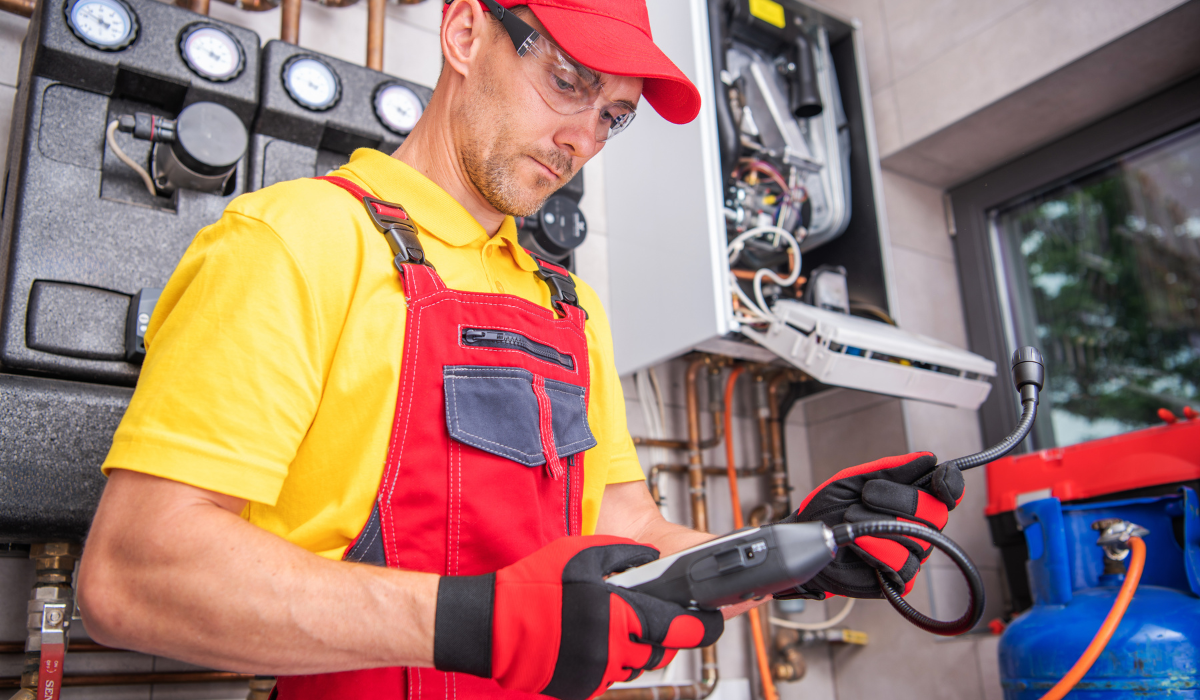
At the time of the winter HVAC inspection, the professional company thoroughly looks at each component and confirms whether everything is working or not.
During a typical service visit, a technician may:
- Test ignition and burner operation
- Measure airflow and temperature rise
- Inspect electrical connections and safety switches
- Check for gas leaks or ventilation issues
- Evaluate wear on critical components
- Identify efficiency loss and performance gaps
This level of diagnosis is not possible through trial-and-error or DIY fixes.
What looks like a simple thermostat issue can actually be a failing ignitor, motor, or control board.
Professional service protects both your investment and your household.
How Heating System Maintenance Prevents Breakdowns
Regular heating system maintenance helps identify wear before it becomes a failure.
During a winter HVAC inspection, technicians clean components, test safety systems, and confirm proper operation.
Maintenance helps:
- Extend furnace lifespan
- Improve energy efficiency
- Reduce emergency repair needs
- Maintain consistent indoor comfort
Annual inspections are especially important before winter because the demand for checking this system increases.
That’s why it’s recommended to arrange emergency HVAC repair services near me before such situations arise.
How Do I Know If My Furnace Needs an Inspection?
Your furnace may need an inspection if you notice unusual sounds, odors, or changes in how it operates.
Inconsistent heating, frequent cycling, or higher energy bills can also be warning signs.
Before Your Inspection Appointment:
- Take note of any unusual noises, smells, or furnace behavior
- Check your thermostat settings to ensure they are correct
- Clear access to the furnace area so the technician can inspect it safely
During the visit, ask your HVAC troubleshooter about your system’s overall condition, recommended maintenance, and long-term planning.
This information will help you make informed decisions and prevent unexpected breakdowns.
Therefore, always call an HVAC technician immediately if you experience any of the following:
- Need for same-day service to address a critical situation
- Gas smells or burning odors
- The furnace shutting down unexpectedly
- No heat during freezing temperatures
- Loud mechanical noises that worsen quickly
Emergency HVAC repair services are offered at HoltKamp HVAC & Plumbing specifically for these situations because waiting can put both your home and your safety at risk.
How Do I Know If My Furnace Needs an Inspection?
Your furnace may need an inspection if you notice unusual sounds, odors, or changes in how it operates.
Inconsistent heating, frequent cycling, or higher energy bills can also be warning signs.
Before Your Inspection Appointment:
- Take note of any unusual noises, smells, or furnace behavior when it turns on
- Check your thermostat settings to ensure they are correct
- Clear access to the furnace area so the technician can inspect it safely
During the visit, ask your technician about your system’s overall condition, recommended HVAC maintenance, and long-term planning.
This information will help you make informed decisions and prevent unexpected breakdowns.
Conclusion
Your furnace gives warning signs long before it stops working completely.
Paying attention to those signals and acting early can prevent discomfort, safety risks, and costly emergencies.
An experienced HVAC technician helps keep your heating system reliable, efficient, and safe through proper diagnosis, maintenance, and repair.
Addressing furnace issues early is not just about comfort. It is about protecting your home and peace of mind.
Frequently Asked Questions
Should I replace a 20-year-old furnace?
A 20-year-old furnace may still run, but efficiency and reliability often decline. An HVAC specialist can help determine if repairs remain cost-effective or if replacement is the better long-term choice.
What fails first on a furnace?
Components like ignitors, sensors, and motors often show wear first. These parts experience high heat and frequent use, making early failure common.
Can a furnace last for 30 years?
Some furnaces last 30 years with excellent maintenance, but most systems begin losing efficiency and reliability well before that point.
What is the most common furnace failure?
Ignition issues and airflow problems are among the most common failures seen during service calls.
What is the most common part to fail on a furnace?
Ignitors and flame sensors frequently fail due to heat exposure and normal wear.
What are the stages of a furnace?
A furnace operates by receiving a heat request, igniting fuel, warming air through the heat exchanger, distributing air through ducts, and safely venting exhaust gases.