



Water heater replacement in Georgia is often driven by gradual system decline rather than sudden failure.
Georgia homes place consistent, year-round demand on water heating equipment, and local water conditions accelerate internal wear.
Over time, tanks corrode, heating components lose efficiency, and performance becomes unpredictable. These changes affect daily comfort and increase the risk of leaks or complete system failure.
Many homeowners begin noticing issues long before a water heater stops working entirely.
Declining recovery speed, inconsistent temperatures, unusual sounds, or visible corrosion often indicate that a system has reached the later stages of its service life.
This guide explains how long water heaters last in Georgia, what causes systems to fail earlier than expected, the most common water heater replacement signs, and what typically happens next when replacement becomes necessary.
How Long Do Water Heaters Last in Georgia?
Water heater lifespan in Georgia is influenced by more than manufacturer ratings or installation date.
Local water quality, usage patterns, and operating conditions all affect how long a system can deliver reliable performance before replacement becomes necessary.
Average Water Heater Lifespan
The average water heater lifespan in Georgia typically ranges from 8 to 12 years for standard tank-style systems.
While manufacturer estimates may suggest longer operation, real-world conditions often shorten service life.
Continuous exposure to mineral-heavy water, daily usage, and internal temperature cycling all contribute to gradual deterioration.
Homeowners frequently ask how long do water heaters last in Georgia because systems in this region often age faster than national averages.
The combination of sediment accumulation and consistent use creates internal stress that shortens usable lifespan even when no external damage is visible.
Gas Water Heater Lifespan vs Electric Water Heater Lifespan in Georgia
Gas water heater lifespan in Georgia is influenced by burner wear, exhaust venting performance, and sediment buildup at the base of the tank.
As sediment thickens, heat transfer becomes less efficient, forcing burners to run longer and increasing strain on internal components.
Electric water heater lifespan in Georgia is typically affected by mineral scaling on heating elements.
Over time, elements become insulated by sediment, causing slower heating cycles and increased electrical demand.
Element failure is one of the most common reasons electric systems stop delivering consistent hot water.
Neither fuel type consistently outlasts the other. Instead, water quality, system age, and daily demand determine how quickly performance declines.
Tank Water Heater Lifespan vs Tankless Water Heater Lifespan
A tank water heater lifespan is limited by constant water storage inside a steel tank.
Internal linings and sacrificial components degrade over time, eventually allowing corrosion to reach the tank walls.
Once structural corrosion begins, replacement is the only long-term solution.
A tankless water heater lifespan in Georgia often extends 15–20 years because these systems heat water on demand rather than storing it.
However, mineral accumulation still affects heat exchangers, especially in areas with hard water. Without proper system protection, performance decline remains inevitable.
Why Water Heaters Wear Out Faster in Georgia Homes
Water heaters in Georgia often reach the end of their service life sooner than expected due to regional conditions that place added stress on internal components.
Local water quality, consistent demand, and plumbing system characteristics all contribute to accelerated wear and reduced long-term reliability.
Hard Water Effects
Hard water effects on water heaters play a major role in system failure across Georgia.
Minerals separate from heated water and settle inside the tank, forming sediment layers that trap heat and increase internal temperatures.
This trapped heat accelerates corrosion, damages heating components, and reduces efficiency.
Sediment also decreases usable tank volume.
As buildup increases, households experience shorter hot water cycles even though the tank size has not changed. Over time, this process significantly shortens system lifespan.
Year-Round Hot Water Demand
Georgia households rely on hot water consistently throughout the year.
Unlike colder regions with seasonal demand, systems in Georgia experience steady cycling.
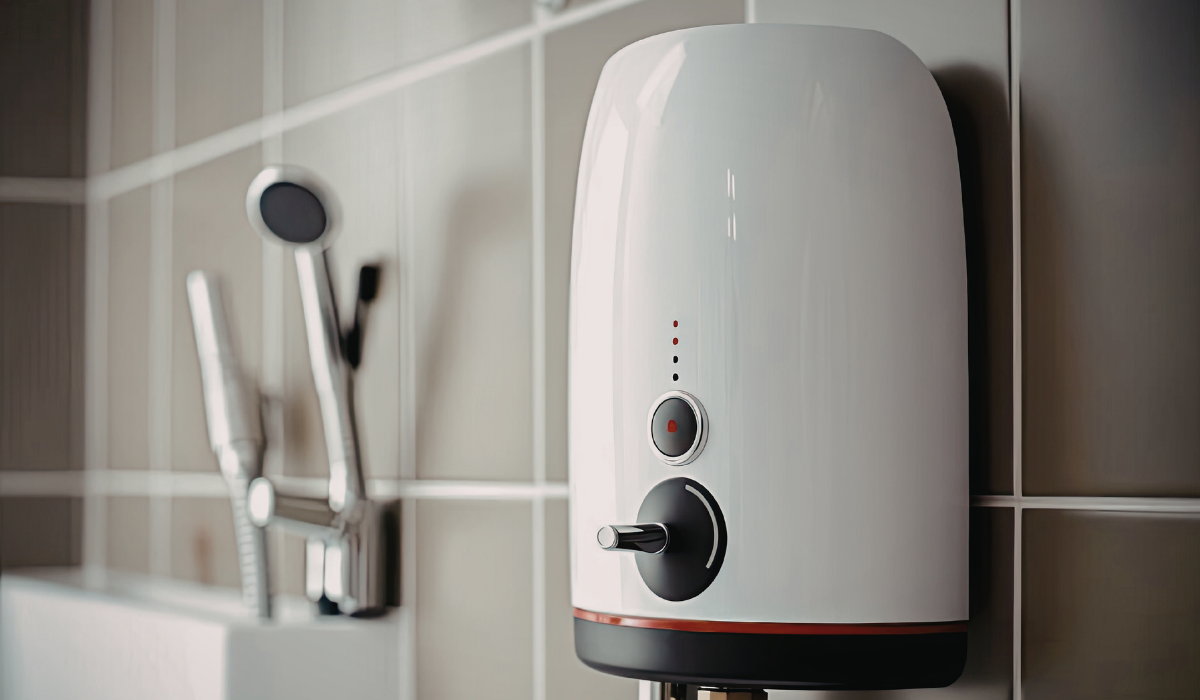
This constant operation increases wear on burners, heating elements, thermostats, and safety components, reducing long-term reliability.
Plumbing Infrastructure and Circulation Conditions
Older plumbing systems may introduce additional sediment into water heaters through corrosion or outdated piping materials.
Pressure fluctuations and circulation patterns can further stress internal components, accelerating deterioration beyond expected lifespan ranges.
Signs You Need a Water Heater Replacement
Water heater problems rarely start with a complete breakdown.
In many Georgia homes, performance decline shows up through repeated comfort issues, visible corrosion, or efficiency loss that signals the unit is nearing end-of-life.
Inconsistent or Insufficient Hot Water
Fluctuating temperatures, delayed recovery, or hot water that runs out quickly are common water heater replacement signs.
These issues often indicate sediment buildup or failing heating components that can no longer maintain consistent output.
Rust-Colored or Cloudy Water
Discolored hot water frequently points to tank corrosion. As protective linings break down, rust particles mix with water.
This condition signals advanced internal deterioration and limited remaining service life.
Unusual Noises From the Tank
Popping, rumbling, or cracking sounds typically result from sediment overheating inside the tank.
These noises often become more frequent as buildup hardens, indicating increased internal stress and reduced efficiency.
Moisture or Leaks Around the Unit
Visible moisture, corrosion at the base, or pooling water represent serious water heater failure warning signs.
Even small leaks often worsen rapidly, making replacement necessary to prevent structural damage.
Rising Energy Bills
As efficiency declines, systems require more energy to produce the same amount of hot water.
Increased gas or electric usage often accompanies late-stage system deterioration.
When to Replace a Water Heater Instead of Repairing It
Repair can restore performance in some situations, but aging water heaters eventually reach a point where continued service no longer provides dependable operation.
At that stage, replacement offers greater stability, safety, and long-term value.
Age and Repair Frequency
Once a system reaches the later portion of its expected lifespan, repairs often provide short-term relief rather than long-term reliability.
In these cases, replacement becomes the more stable option.
Safety and Property Risk
Aging tanks carry an increased risk of sudden rupture.
Deciding when to replace a water heater often involves weighing the potential cost of water damage against continued operation of a failing system.
Water Heater Maintenance and Its Role in Longevity
Water heater maintenance affects how consistently a system operates over its service life, but it does not prevent eventual replacement.
Exposure to heat, pressure, and mineral-heavy water gradually impacts internal components regardless of service history.
Performance Decline Over Time
Water heater maintenance in Georgia can slow deterioration but cannot reverse internal corrosion or structural fatigue.
As sediment accumulates, heat transfer efficiency drops and internal temperatures rise.
This added strain accelerates wear on tank linings and heating components.
Maintenance Limitations in Aging Systems
Once a water heater reaches the later stages of its lifespan, maintenance often has limited impact on long-term reliability.
Structural wear, thinning tank walls, and internal corrosion continue to progress even when routine service has been performed.
Maintenance vs System Replacement
Maintenance supports operational stability in earlier years, but it cannot restore integrity to compromised tanks or worn components.
Systems that show repeated performance issues or safety concerns typically progress toward replacement rather than continued service.
What Happens When a Water Heater Fails Suddenly?
A sudden water heater failure can escalate quickly because the system operates under constant pressure and heat.
When internal components give way, the effects often extend beyond loss of hot water and can create immediate risks to the home and plumbing system.
Immediate System Shutdown
Sudden failure may involve leaks, complete loss of hot water, or internal pressure irregularities.
In many cases, structural failure inside the tank allows water to escape rapidly, increasing the risk of flooding.
Water supply and power sources must be shut off promptly to limit damage and prevent continued stress on compromised components.
Loss of Pressure and Temperature Control
When a water heater fails internally, the system may no longer regulate temperature or pressure properly.
Safety controls can become ineffective once internal damage occurs, leading to erratic water temperatures or complete shutdown.
These conditions often indicate irreversible internal failure rather than a repairable issue.
Disruption to Household Function
Loss of hot water impacts daily activities such as bathing, cleaning, laundry, and cooking.
This disruption often becomes immediate and widespread, particularly in households with higher daily water demand.
As a result, homeowners frequently begin searching for next steps after water heater failure, including emergency replacement scheduling.
Risk of Water Damage and Secondary Issues
Leaking tanks can release large volumes of water in a short period of time, especially when failure occurs at the tank base.
Standing water increases the risk of structural damage, flooring deterioration, and moisture-related issues that extend beyond the plumbing system itself.
Increased Urgency for Replacement
Once sudden failure occurs, replacement typically becomes the only viable solution.
Internal tank damage, compromised safety mechanisms, and loss of structural integrity make continued operation unsafe.
These situations often require immediate water heater replacement to restore household function and prevent further property impact.
What Is Evaluated During Replacement Planning
Replacement planning focuses on system performance requirements, household demand, and long-term reliability once a water heater approaches the end of its service life.
In Georgia homes, this evaluation centers on capacity, operating conditions, and how modern systems address limitations found in aging equipment.
Capacity and Demand Alignment
Replacement evaluations examine daily hot water usage to ensure the new system supports household demand without excessive cycling.
Systems that are undersized may struggle during peak use, while oversized systems can experience unnecessary operating stress that impacts long-term performance.
Performance Improvements With Modern Systems
Modern water heaters offer improved insulation, faster recovery rates, and more consistent temperature output.
These advancements reduce operational strain compared to older systems and help maintain stable performance throughout the system’s lifespan.
What to Expect During Professional Water Heater Replacement
Professional water heater replacement involves more than simply swapping equipment.
The process addresses system safety, code compliance, and long-term performance to ensure the new unit operates reliably within Georgia homes and plumbing systems.
Removal and Disposal
Old systems are first disconnected from water, power, and venting components, then fully drained to prevent uncontrolled leakage.
Removal is handled carefully to avoid damage to surrounding plumbing, flooring, or walls.
Proper disposal ensures aging tanks and components are removed without contamination or safety risks during transition.
Georgia Water Heater Installation Requirements
Georgia water heater installation must meet local code requirements related to venting, expansion protection, pressure relief, and safety controls.
These standards help regulate temperature and pressure within the system, prevent backflow or over-pressurization, and ensure safe exhaust of combustion gases where applicable.
Proper installation protects performance, reduces failure risk, and supports long-term system longevity.
Water Heater Replacement Cost in Georgia
Water heater replacement cost in Georgia is influenced by multiple system and installation factors rather than a single flat price.
Differences in equipment type, home configuration, and performance requirements all affect overall investment and long-term value.
Pricing Factors
Water heater replacement cost in Georgia varies based on system type, fuel source, capacity, efficiency rating, and installation complexity.
Tankless systems generally involve higher upfront costs due to equipment and installation requirements.
Long-Term Value Considerations
New systems reduce breakdown risk, improve efficiency, and deliver dependable performance, helping offset replacement costs over time.
Conclusion
Water heater replacement in Georgia is rarely unexpected when system lifespan, usage patterns, and water quality are considered together.
Gradual performance decline, sediment accumulation, and internal wear eventually make replacement unavoidable.
Recognizing system aging early allows homeowners to plan replacement before emergency failure, minimizing disruption and protecting property from water damage.
Restore Reliable Hot Water Before Failure Disrupts Your Home
A declining water heater doesn’t always fail without warning.
Performance changes, recovery delays, and efficiency loss often signal limited remaining service life.
Addressing replacement at the right time helps avoid emergency outages, water damage, and extended disruption to daily routines.
Holtkamp HVAC & Plumbing provides professional water heater replacement across Georgia, handling removal, installation, and code compliance with a focus on long-term reliability.
Our team replaces aging systems with properly sized equipment designed to deliver consistent hot water when your home needs it most.
Schedule your water heater replacement with our talented staff and restore dependable hot water with confidence.
Frequently Asked Questions
How long do water heaters typically last in Georgia?
Most tank-style water heaters last between 8 and 12 years in Georgia homes. Mineral-heavy water and year-round usage often shorten lifespan compared to national averages. Tankless systems may last longer but still experience wear from local conditions.
What are the most common signs you need a water heater replacement?
Common signs include inconsistent hot water, rust-colored water, unusual noises, visible leaks, and rising energy bills. These indicators often point to internal corrosion or component failure. Once multiple signs appear, remaining service life is usually limited.
Does hard water affect water heater lifespan in Georgia?
Hard water effects on water heaters are significant in Georgia. Mineral buildup creates sediment that traps heat, reduces efficiency, and accelerates internal corrosion. Over time, this process shortens lifespan and increases the risk of failure.
Is gas or electric water heater lifespan longer in Georgia homes?
Gas and electric water heaters experience different wear patterns rather than one consistently lasting longer. Gas systems often face burner and venting wear, while electric systems commonly experience heating element scaling. Water quality and usage patterns affect both.
When should a water heater be replaced instead of repaired?
Replacement is typically appropriate when a system nears the end of its expected lifespan or requires frequent repairs. Aging tanks often provide limited long-term reliability. In these cases, replacement offers greater stability and reduced risk.
What happens if a water heater fails suddenly?
Sudden failure can result in water leaks, complete loss of hot water, and potential property damage. Internal tank failure often makes repair unsafe or impractical. These situations usually require immediate replacement to restore household function.
What factors influence water heater replacement cost in Georgia?
Replacement cost depends on system type, fuel source, capacity, efficiency rating, and installation requirements. Tankless systems generally involve higher upfront investment due to equipment and installation complexity. Home configuration also affects pricing.
Are tankless water heaters a good replacement option in Georgia?
Tankless systems offer longer lifespan and continuous hot water delivery. However, Georgia water quality and installation requirements play a major role in long-term performance. Proper evaluation ensures compatibility and reliable operation.
Does professional installation matter for water heater replacement?
Professional installation ensures proper venting, pressure control, and code compliance. Correct installation protects system performance and reduces failure risk. It also supports long-term reliability and manufacturer warranty coverage.