


Installing a new heating system is one of the most important decisions a homeowner can make. Your heating system affects your comfort, energy bills, indoor air quality, and even the value of your home. Whether your old system has stopped working or you’re planning an upgrade for better efficiency, understanding the process before you begin can save you money, stress, and future problems.
Many homeowners rush into heating installation without fully knowing their options. Others rely only on price, which can lead to poor performance and higher long-term costs. A heating system is not something you replace often, so making the right choice matters.
This guide will walk you through everything every homeowner should know before installing a new heating system, in clear and simple terms. By the end, you’ll feel confident, informed, and ready to make the best decision for your home.
Why Heating Installation Is a Big Decision
A heating system is more than just a machine that warms your home. It works every day during cold seasons and consumes a large portion of your home’s energy.
A properly installed heating system:
- Keeps your home comfortable in all rooms
- Reduces monthly energy bills
- Improves indoor air quality
- Runs safely and quietly
- Lasts longer with fewer repairs
A poorly installed system can do the opposite. That’s why preparation is just as important as the system itself.
Signs It’s Time to Install a New Heating System
Before jumping into installation, homeowners should be sure replacement is truly needed. Here are common signs that indicate it’s time for a new heating system:
1. Rising Energy Bills
If your heating bills keep increasing even though your usage hasn’t changed, your system may be losing efficiency.
2. Uneven Heating
Cold rooms, hot spots, or weak airflow often signal that your current system is no longer performing properly.
3. Frequent Repairs
If you’re calling a technician every season, replacement is usually more cost-effective than ongoing repairs.
4. Old System Age
Most heating systems last:
- Furnaces: 15–20 years
- Heat pumps: 10–15 years
- Boilers: 15–25 years
If your system is near or past this range, replacement is a smart move.
5. Strange Noises or Smells
Rattling, banging, or burning smells can signal serious internal issues that make replacement safer than repair.
Understanding Different Types of Heating Systems
Before installing a new heating system, homeowners should understand their options. The best system depends on your climate, home size, energy source, and budget.
Furnace Systems
Furnaces are one of the most common heating systems.
Pros:
- Strong heating power
- Works well in cold climates
- Compatible with existing ductwork
Cons:
- Requires gas or electricity
- Less efficient if outdated
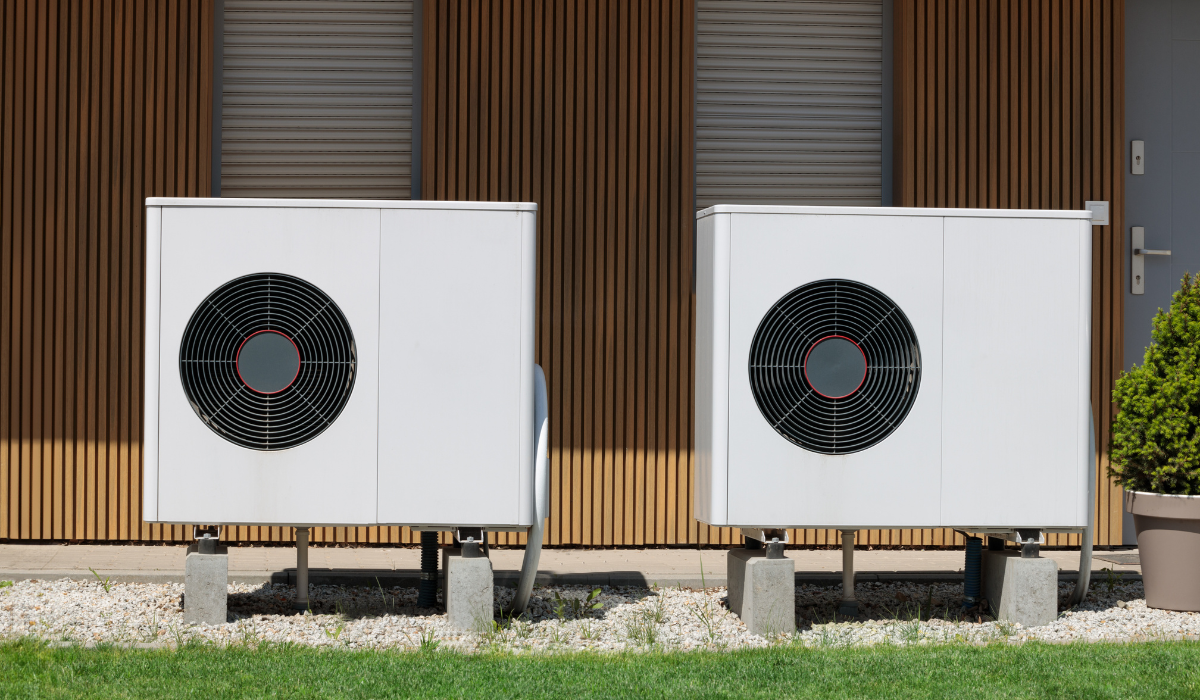
Heat Pumps
Heat pumps move heat rather than generate it.
Pros:
- Energy efficient
- Provides both heating and cooling
- Lower operating costs
Cons:
- Less effective in extremely cold climates (without backup heat)
Boiler Systems
Boilers heat water and distribute warmth through radiators or radiant flooring.
Pros:
- Even, comfortable heat
- Quiet operation
- Good air quality (no blown air)
Cons:
- Higher installation cost
- Slower heating response
Radiant Heating
Radiant systems heat floors, walls, or ceilings.
Pros:
- Excellent comfort
- No air movement or noise
- Energy efficient
Cons:
- Higher upfront cost
- Installation can be invasive
Choosing the Right Heating System for Your Home
Not every heating system fits every home. Before installation, homeowners should consider these key factors:
Home Size and Layout
A system that’s too small won’t heat your home properly. One that’s too large wastes energy and increases wear.
Professional load calculations ensure the system is properly sized.
Climate Conditions
Colder climates may need high-efficiency furnaces or hybrid systems, while moderate climates benefit from heat pumps.
Energy Source Availability
Your home’s access to natural gas, electricity, or oil will affect your options.
Existing Infrastructure
Ductwork, electrical capacity, and venting all play a role in system selection and installation cost.
Why Proper System Sizing Matters
One of the biggest mistakes homeowners make is choosing the wrong system size.
Oversized Systems:
- Cycle on and off too frequently
- Waste energy
- Create uneven temperatures
- Wear out faster
Undersized Systems:
- Struggle to heat the home
- Run constantly
- Increase energy bills
- Reduce comfort
A professional heating installation includes a detailed heat load calculation to ensure the system fits your home perfectly.
Energy Efficiency Ratings Explained Simply
Energy efficiency directly affects your monthly bills.
AFUE (Annual Fuel Utilization Efficiency)
Used for furnaces and boilers. Higher percentage = better efficiency.
Example:
- 80% AFUE: 80% of fuel becomes heat
- 95% AFUE: Much lower energy waste
HSPF (Heating Seasonal Performance Factor)
Used for heat pumps.
Higher number means better performance.
Choosing a high-efficiency system may cost more upfront but saves money long term.
Heating Installation Costs: What Homeowners Should Expect
Heating installation costs vary based on many factors.
What Affects the Price?
- Type of heating system
- Home size
- Installation complexity
- Ductwork upgrades
- Energy efficiency level
Typical Cost Range
While prices vary by location, homeowners should plan for:
- Equipment cost
- Labor
- Permits
- System upgrades
Always request a detailed quote so there are no surprises.
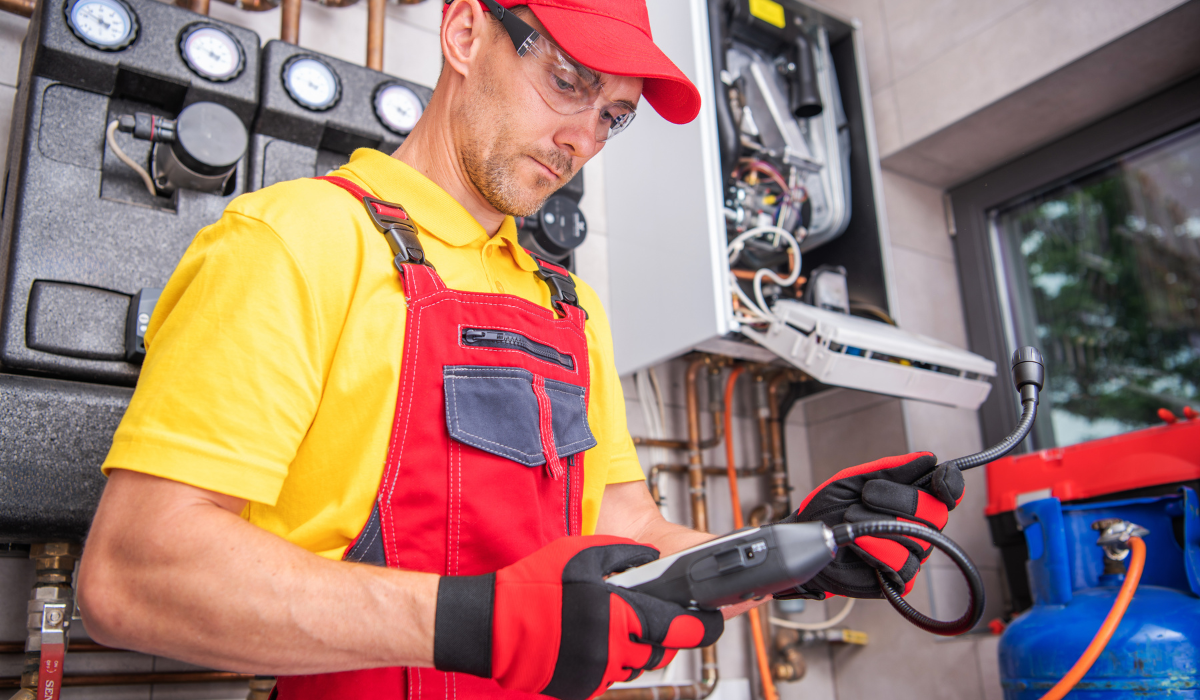
Importance of Professional Heating Installation
Even the best heating system will fail if installed incorrectly.
Benefits of Professional Installation:
- Proper system sizing
- Safe gas and electrical connections
- Correct airflow and ventilation
- Warranty protection
- Code compliance
DIY or unlicensed installation often leads to safety risks, poor performance, and voided warranties.
Permits, Codes, and Safety Requirements
Most heating installations require permits to ensure safety and compliance.
Professionals handle:
Local building codes
Safety inspections
Manufacturer requirements
Skipping permits can lead to fines and issues when selling your home.
Ductwork: The Hidden Part of Heating Installation
Your heating system relies heavily on ductwork.
Problems with Old Ducts:
- Leaks
- Poor airflow
- Energy loss
- Dust and allergens
Before installing a new system, ducts should be inspected and sealed if needed. New systems perform best with efficient airflow.
Indoor Air Quality Considerations
Heating systems affect more than temperature.
Modern heating installation can include:
- High-quality air filters
- Humidifiers or dehumidifiers
- UV air purification
These upgrades improve comfort and help families breathe cleaner air.
Smart Thermostats and Heating Controls
A new heating system is the perfect time to upgrade controls.
Benefits of Smart Thermostats:
- Lower energy bills
- Better temperature control
- Remote access
- Custom schedules
Smart controls help homeowners get the most out of their new heating installation.
Planning Installation Timing
The best time to install a new heating system is before an emergency.
Ideal Installation Times:
- Spring or fall
- Before peak winter demand
Planning ahead allows more system options, better pricing, and less stress.
What to Ask Before Hiring a Heating Installer
Before signing a contract, homeowners should ask:
- Are you licensed and insured?
- Do you perform load calculations?
- What warranties are included?
- Will you handle permits and inspections?
- Do you offer maintenance plans?
A reputable installer will answer clearly and confidently.
Maintenance After Installation
Heating installation doesn’t end after setup.
Regular Maintenance Includes:
- Filter changes
- System inspections
- Cleaning and tuning
Annual maintenance extends system life, improves efficiency, and prevents breakdowns.
How a New Heating System Adds Home Value
Modern heating systems attract buyers and improve resale value.
Benefits include:
- Energy efficiency appeal
- Lower operating costs
- Updated home systems
- Improved comfort
A professionally installed heating system is a long-term investment.
Common Heating Installation Mistakes to Avoid
Homeowners should avoid:
- Choosing price over quality
- Skipping professional installation
- Ignoring ductwork condition
- Oversizing or undersizing systems
- Delaying maintenance
Avoiding these mistakes ensures comfort and long-term savings.
Final Thoughts: Be Informed Before You Install
Installing a new heating system is not just about replacing equipment. It’s about choosing comfort, safety, efficiency, and long-term value for your home.
When homeowners take time to understand their options, work with qualified professionals, and plan properly, heating installation becomes a smooth and rewarding experience.
A well-installed heating system keeps your family warm, your energy bills under control, and your home comfortable for years to come.
Frequently Asked Questions
How long does it take to install a new heating system?
Most standard heating installations take one full day, especially when replacing an existing system. More complex installations, such as adding new ductwork or switching system types, may take two to three days. Your installer should provide a clear timeline before work begins. Proper planning helps avoid delays and ensures safe installation.
What is the best time of year to install a heating system?
The best time for heating installation is usually spring or fall. During these seasons, HVAC companies are less busy, which may lead to better pricing and faster scheduling. Installing before winter also prevents emergency breakdowns when temperatures drop. Planning early gives you more system options.
Do I need to replace ductwork when installing a new heating system?
Not always, but ductwork should be inspected before installation. Old or leaking ducts can reduce efficiency and cause uneven heating. In some cases, minor sealing or repairs are enough. Replacing damaged ductwork ensures your new system performs at its best and saves energy.
How can I make my new heating system more energy-efficient?
You can improve efficiency by choosing a high-efficiency system, sealing ducts, and upgrading to a smart thermostat. Regular maintenance and timely filter changes also help the system run smoothly. Proper installation and correct sizing are the biggest factors in long-term energy savings.
Will a new heating system increase my home’s value?
Yes, a new heating system can increase home value and buyer appeal. Modern, energy-efficient systems are attractive to buyers because they reduce future costs. Professional installation and documented maintenance further add value. It’s considered a smart long-term investment for homeowners.