


Uneven heating in your home is one of the most common comfort complaints homeowners experience during colder months.
One room feels perfectly warm, another stays cold, and adjusting the thermostat only seems to shift the problem elsewhere.
Beyond discomfort, uneven temperatures often signal underlying HVAC issues that can increase energy costs and shorten system lifespan if left unresolved.
This guide explains what causes uneven heating, why it happens more often in certain homes, and how professional HVAC solutions restore consistent comfort throughout your living space.
What Uneven Heating Looks Like Inside a Home
Uneven heating rarely appears as a single issue. Instead, it shows up in subtle but frustrating ways that worsen over time.
Common Signs of Uneven Heating
Homeowners often notice hot and cold spots in the home, rooms that never reach the thermostat setting, or temperature swings between floors.
Two-story homes frequently experience warmer upper levels while lower floors remain chilly, even when the heating system runs constantly.
Why the Problem Shouldn’t Be Ignored
Uneven temperatures force HVAC systems to work harder to compensate.
This increases energy consumption, accelerates wear on components, and leads to higher utility bills without improving overall comfort.
Primary Causes of Uneven Heating in Homes
Uneven heating causes are rarely isolated. Most homes experience a combination of airflow, design, and insulation factors that affect temperature balance.
HVAC Airflow Problems
Restricted or unbalanced airflow is one of the most common uneven heating HVAC issues.
Blocked vents, closed dampers, or improperly sized duct runs prevent heated air from reaching all rooms evenly.
Ductwork Issues and Heat Loss
Leaky or poorly designed ductwork allows warm air to escape before reaching living areas.
Ductwork issues heating performance by reducing airflow pressure and creating uneven temperatures throughout the house.
In many homes, duct leakage and poor insulation work together, increasing heat loss in home spaces and creating uneven temperatures from room to room.
Two-Story Home Uneven Heating
Two-story home uneven heating is driven by natural heat rise. Warm air moves upward, causing upstairs rooms to overheat while downstairs spaces struggle to stay warm.
Without zoning or airflow control, this imbalance persists.
Thermostat Placement Issues
Thermostat placement issues can cause false temperature readings.
When thermostats are installed near heat sources, drafty areas, or interior hallways, the HVAC system receives inaccurate signals and distributes heat inefficiently.
Insulation and Structural Heat Loss
Poor attic insulation, air leaks around doors and windows, and insufficient wall insulation increase heat loss in home conditions, making it harder for the system to maintain consistent temperatures.
HVAC systems often compensate by running longer, increasing wear without solving the core issue.
How HVAC Systems Contribute to Uneven Heating
Even well-maintained systems can struggle if they aren’t properly designed or balanced for the home.
Furnace Performance Problems
An undersized or aging furnace may produce enough heat but fail to distribute it evenly.
Furnace performance problems often result in short cycling or inconsistent output, worsening uneven temperatures in the house.
HVAC System Balancing Issues
HVAC system balancing ensures equal airflow across all supply and return vents.
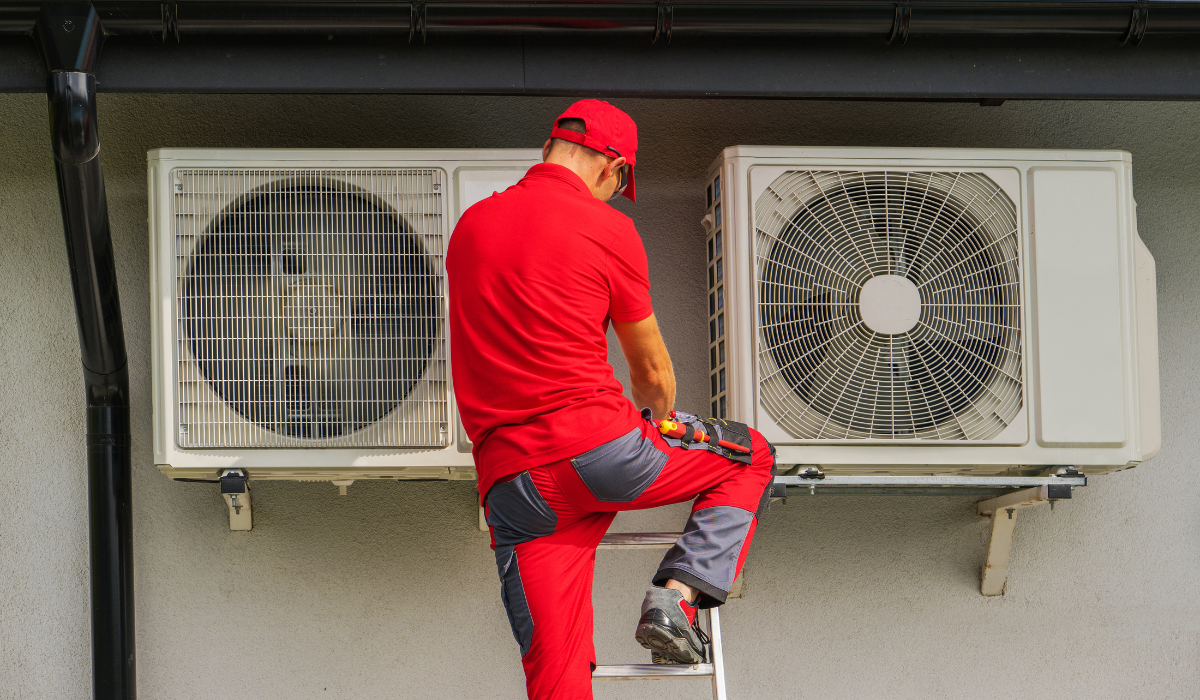
Without proper balancing, certain rooms receive too much heat while others receive too little.
Aging HVAC Equipment
As systems age, components lose efficiency. Blowers weaken, dampers stick, and controls fall out of calibration, all contributing to uneven heating.
HVAC Solutions That Fix Uneven Heating Problems
Solving uneven heating requires addressing airflow, controls, and system design not just adjusting the thermostat.
Airflow Balancing and Vent Optimization
Professional HVAC airflow balancing redistributes air to eliminate hot and cold spots.
Technicians adjust dampers, registers, and blower settings to ensure even heat delivery.
HVAC Zoning Solutions
HVAC zoning solutions divide the home into independently controlled areas.
Each zone operates based on its own thermostat, making zoning one of the most effective uneven heating solutions, especially for larger and multi-level homes.
Ductwork Sealing and Modifications
Sealing duct leaks restores lost airflow and improves heating consistency.
In some cases, duct modifications are needed to correct sizing or layout problems that limit airflow.
Thermostat and Control Upgrades
Smart thermostats and room sensors provide more accurate temperature data.
When paired with zoning, these controls help the system respond precisely to each area’s heating needs.
Addressing Uneven Heating in Two-Story Homes
Two-story homes require targeted heating solutions because of how air naturally moves through vertical spaces.
Temperature imbalances between floors are common in multi-level layouts, and without specialized HVAC strategies, these issues often persist regardless of thermostat adjustments.
Addressing uneven heating in two-story homes starts with understanding how heat distribution behaves across levels and implementing solutions designed to restore balance.
Why Two-Story Homes Struggle With Heating Balance
Heat naturally rises, causing warm air to collect on upper floors while lower levels remain cooler.
This vertical temperature stratification is amplified by open stairwells, vaulted ceilings, and limited return air pathways.
In many homes, a single thermostat cannot accurately represent conditions on both floors, leading the HVAC system to cycle inefficiently and worsen temperature differences rather than correct them.
Best HVAC Fixes for Multi-Level Homes
Effective solutions focus on controlling airflow and responding to each level’s unique heating needs.
HVAC zoning systems allow separate temperature control for different floors, ensuring heat is delivered where it is needed most.
Variable-speed blowers adjust airflow gradually, improving circulation and reducing sudden temperature swings.
Strategic return air placement helps pull warm air back into the system, preventing heat buildup upstairs and supporting consistent comfort throughout the home year-round.
When Insulation and HVAC Must Work Together
HVAC systems do not operate in isolation. Their performance is directly influenced by how well a home retains heated air.
Even the most advanced heating equipment will struggle to maintain consistent temperatures if insulation is inadequate or air leaks are present.
When insulation and HVAC systems work together, heating becomes more efficient, balanced, and reliable throughout the home.
Improving Insulation for Heating Consistency
Insulation plays a critical role in slowing heat transfer and stabilizing indoor temperatures.
Upgrading attic insulation reduces heat loss through the roof, which is one of the most common sources of energy waste during winter.
Properly insulated walls, floors, and crawlspaces help prevent cold air intrusion and minimize temperature swings between rooms.
When insulation levels are improved, the HVAC system can maintain comfort with shorter run times and fewer temperature fluctuations.
Sealing Air Leaks
Air leaks undermine heating efficiency by allowing warm air to escape and cold air to enter the home.
Gaps around doors, windows, attic penetrations, and utility openings create pressure imbalances that disrupt airflow and contribute to uneven heating.
Sealing these leaks through weather-stripping, caulking, and attic air sealing reduces heat loss and helps the HVAC system distribute warmth more evenly.
As a result, the system operates under less strain, improving efficiency, comfort, and long-term performance.
Long-Term Benefits of Fixing Uneven Heating
Addressing uneven heating delivers benefits that extend far beyond day-to-day comfort.
When temperature imbalances are corrected, the entire HVAC system operates more efficiently, the home becomes easier to live in, and long-term ownership costs are reduced.
Consistent heating improves both performance and reliability, creating a more stable indoor environment throughout the winter season.
Improved Comfort Throughout the Home
Fixing uneven heating restores consistent temperatures across all rooms, eliminating the hot and cold spots that make certain areas uncomfortable or unusable.
Bedrooms, living spaces, hallways, and upper floors maintain more balanced warmth, allowing the thermostat to be set at a reasonable level without constant adjustments.
This consistency improves overall livability and ensures every part of the home feels comfortable during colder months.
Lower Energy Costs
When heating is evenly distributed, the HVAC system no longer needs to run longer or cycle more frequently to compensate for cold areas.
Balanced airflow and proper heat delivery reduce wasted energy, improving overall efficiency.
Homeowners often see lower monthly utility bills as the system maintains comfort with less effort, especially during peak heating season.
Extended HVAC System Lifespan
Uneven heating places unnecessary strain on HVAC components by forcing the system to overwork in an attempt to correct temperature imbalances.
Over time, this added stress accelerates wear on blowers, heat exchangers, and controls.
Correcting airflow issues, improving system balance, and addressing insulation concerns help reduce mechanical stress, lower the risk of unexpected breakdowns, and extend the overall lifespan of the heating equipment.
Conclusion
Uneven heating in your home is a sign that airflow, system design, or controls need attention.
Addressing the underlying causes rather than relying on thermostat adjustments restores comfort, improves efficiency, and protects your HVAC investment.
With the right combination of airflow balancing, zoning, ductwork improvements, and insulation support, consistent heating is achievable in any home.
Restore Comfort With Professional HVAC Solutions
If your home struggles with uneven temperatures, you can schedule a professional consultation to identify the exact cause and recommend solutions that work.
Holtkamp HVAC & Plumbing provides expert HVAC assessments, zoning installations, and airflow solutions designed to restore comfort and efficiency throughout your home.
Frequently Asked Questions
What causes uneven heating in a home?
Uneven heating is typically caused by airflow imbalances, ductwork issues, insulation gaps, or thermostat placement problems. These factors prevent warm air from reaching all areas evenly, resulting in hot and cold spots throughout the house.
Why is my upstairs warmer than my downstairs during winter?
Warm air naturally rises, which makes upper floors warmer in two-story homes. Without proper airflow control or HVAC zoning, the heating system struggles to distribute heat evenly between levels.
Can HVAC zoning help fix uneven heating?
HVAC zoning allows different areas of the home to be heated independently based on demand. This targeted control is one of the most effective solutions for correcting uneven temperatures, especially in larger or multi-level homes.
How do ductwork problems contribute to uneven heating?
Leaky, undersized, or poorly designed ductwork can cause heated air to escape before reaching certain rooms. This reduces airflow efficiency and leads to noticeable temperature differences throughout the home.
Does thermostat placement affect heating balance?
Yes, thermostat placement plays a major role in heating performance. If the thermostat is located near drafts, heat sources, or isolated areas, it can send inaccurate signals that cause uneven heating.
Can poor insulation make uneven heating worse?
Inadequate insulation allows heat to escape quickly, forcing the HVAC system to work harder to maintain temperature. This often results in some rooms feeling colder than others despite continuous system operation.
Is uneven heating a sign my HVAC system is failing?
Uneven heating does not always mean system failure, but it can indicate airflow issues, improper system sizing, or aging components. A professional evaluation helps determine whether repairs or adjustments are needed.
Are there any quick fixes homeowners can try first?
Basic steps like replacing air filters, ensuring vents are open, and removing obstructions can improve airflow slightly. However, persistent uneven heating usually requires professional HVAC diagnosis and correction.
Will fixing uneven heating reduce my energy bills?
Yes, correcting airflow and system balance reduces unnecessary runtime and energy waste. Homes with even heating typically see improved efficiency, lower utility costs, and less strain on HVAC equipment.