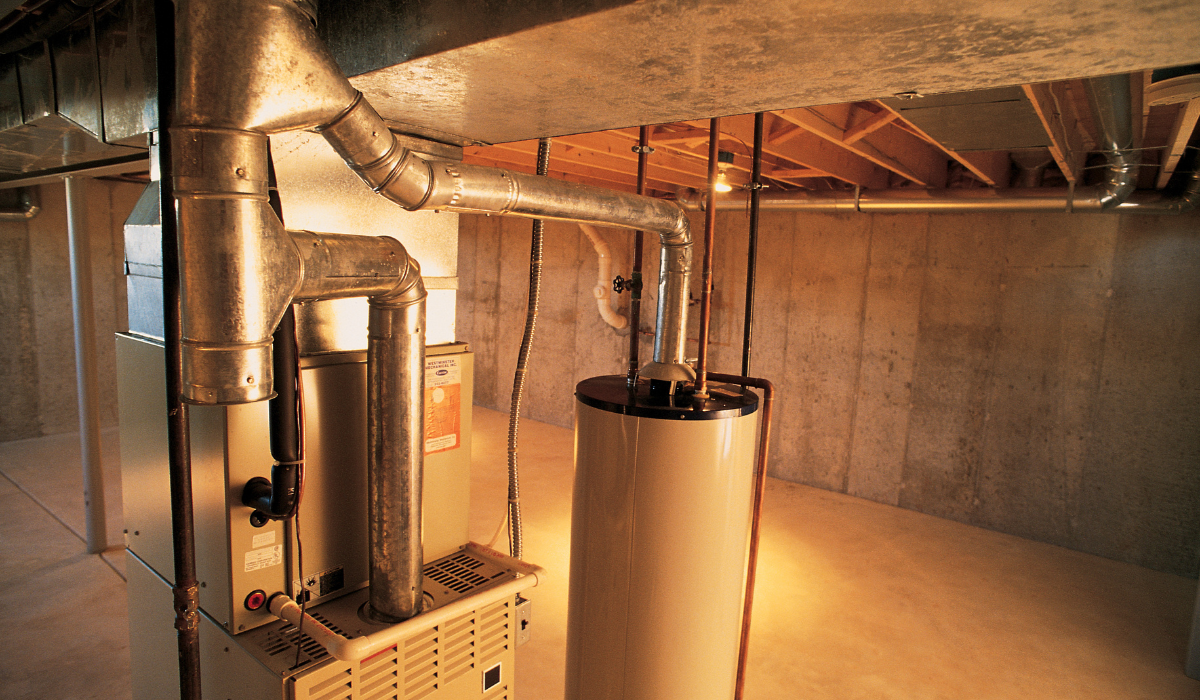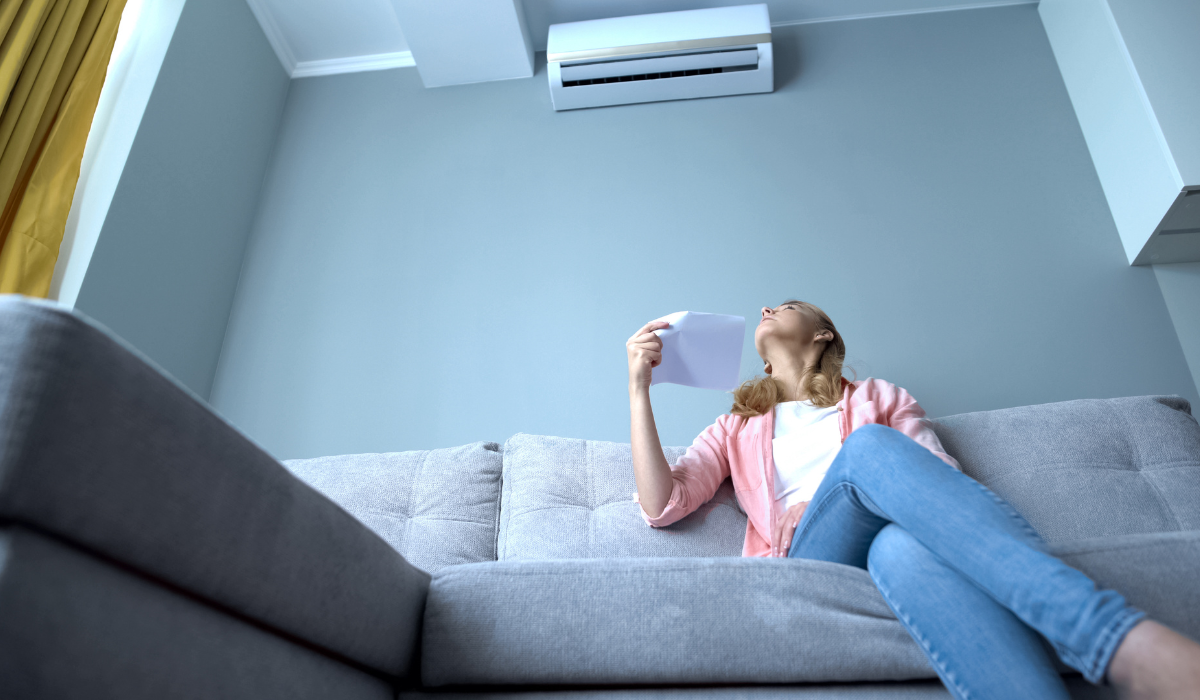



Heating and cooling systems are designed to keep your home comfortable year-round, but even the most reliable HVAC systems can develop issues over time.
While some minor problems can be resolved with basic maintenance, many common HVAC problems require professional expertise to diagnose and repair correctly.
Ignoring early warning signs or attempting DIY fixes can lead to higher repair costs, safety risks, and shortened system lifespan.
This guide explains the most common HVAC problems homeowners face, why they happen, and when it’s essential to call an expert for help.
Why Some HVAC Problems Should Never Be DIY
Many HVAC issues that require professional repair involve electrical components, refrigerant handling, or system controls that homeowners should never attempt to fix on their own.
HVAC systems are complex, combining electrical systems, refrigerants, motors, sensors, and airflow components.
Attempting repairs without proper training can lead to incorrect diagnoses, damaged equipment, or personal injury.
Professional HVAC technicians use specialized tools and industry expertise to identify root causes rather than temporary symptoms.
In many cases, expert repairs prevent minor issues from escalating into major system failures, saving time, money, and stress.
HVAC System Not Cooling or Heating Properly
One of the most common HVAC problems is inconsistent or insufficient heating and cooling.
You may notice certain rooms staying uncomfortable while others feel normal, or the system running without reaching the desired temperature.
This issue can stem from refrigerant imbalances, failing compressors, malfunctioning heat exchangers, or internal airflow restrictions.
These components require precise diagnostics and adjustments that only trained professionals can perform safely.
Delaying expert service can cause further damage and significantly reduce system efficiency.
Weak or Inconsistent Airflow
Weak airflow from vents often indicates a deeper problem within the HVAC system.
While a dirty air filter is sometimes the cause, persistent airflow issues usually involve duct blockages, damaged ductwork, or blower motor failure.
Restricted airflow forces the system to work harder, increasing energy usage and accelerating wear on internal components.
An HVAC expert can inspect duct systems, test airflow levels, and restore balanced air distribution throughout the home.
Strange Noises Coming from the HVAC System
Unusual sounds such as grinding, banging, squealing, or rattling are never normal for HVAC systems.
These noises often signal loose components, motor issues, worn bearings, or mechanical failure.
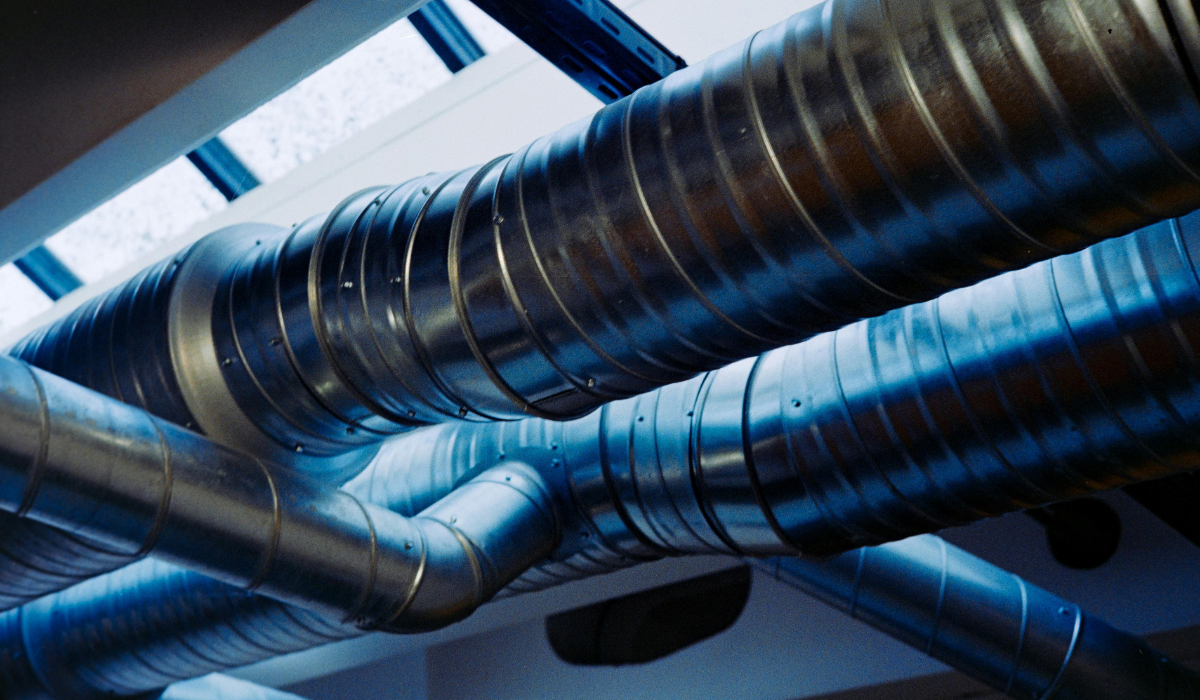
Ignoring strange noises can lead to sudden breakdowns or irreversible damage. Professional inspection helps identify the source early and prevents costly emergency repairs later.
Rising Energy Bills Without Increased Usage
If your energy bills are climbing despite no changes in usage habits, your HVAC system may be operating inefficiently.
Faulty components, airflow restrictions, or aging parts force the system to run longer and harder than necessary.
An HVAC professional can identify inefficiencies, correct underlying problems, and help restore optimal performance.
Addressing these issues early can significantly reduce long-term operating costs.
Frequent Cycling or System Running Constantly
Short cycling is when the HVAC system turns on and off repeatedly, or continuous operation are both signs of underlying problems.
These issues may involve thermostat malfunctions, sensor failures, control board issues, or improperly sized equipment.
Frequent cycling places excessive strain on the system, increasing the risk of premature failure.
Expert calibration and diagnostics ensure the system operates efficiently and maintains consistent indoor comfort.
Bad Odors or Burning Smells from Vents
Unpleasant odors coming from vents should never be ignored.
Musty smells may indicate mold growth within the system, while burning odors can signal electrical issues or overheating components.
Some odors present immediate safety concerns and require urgent professional attention.
HVAC experts can safely inspect internal components, identify the source, and resolve the issue before it affects indoor air quality or system safety.
HVAC System Won’t Turn On at All
When an HVAC system fails to turn on completely, the issue may involve electrical faults, failed capacitors, safety shutoffs, or damaged internal components.
Resetting breakers or adjusting thermostats rarely resolves these problems permanently.
Professional technicians are trained to troubleshoot power supply issues, inspect safety controls, and restore proper operation without risking further damage.
How Ignoring Common HVAC Problems Leads to Costly Repairs
Small HVAC issues rarely stay small. A minor airflow restriction can strain motors, while a faulty sensor may cause overheating or system shutdown.
After that, unresolved problems often lead to complete component failure.
Early professional repairs prevent cascading damage, reduce repair costs, and help maintain system reliability during peak seasons.
These are HVAC problems homeowners should not ignore, as delays can result in expensive system failures.
The Safety Risks of Delaying Expert HVAC Repairs
Certain HVAC problems pose serious safety risks if ignored.
Electrical malfunctions can cause overheating, refrigerant leaks can impact indoor air quality, and gas-related issues may create fire or carbon monoxide hazards.
Professional HVAC technicians are trained to identify and resolve these risks safely, ensuring your home remains comfortable and secure.
How HVAC Experts Diagnose Problems Homeowners Can’t See
HVAC professionals rely on diagnostic tools such as pressure gauges, electrical testing equipment, airflow meters, and thermal sensors.
These tools allow technicians to detect issues that are invisible during basic inspections.
Accurate diagnosis ensures the correct repair is performed the first time, reducing repeat service calls and unnecessary expenses.
When HVAC Problems Turn Into Emergency Situations
Certain symptoms indicate an HVAC emergency, including burning smells, loud mechanical noises, complete system failure during extreme temperatures, or a sudden loss of airflow.
These situations require immediate professional attention to prevent property damage and safety risks.
Calling an expert promptly helps minimize downtime and protect your system from severe damage.
Understanding when to call an HVAC expert can help prevent system damage, safety risks, and unexpected breakdowns.
Recognizing early warning signs allows homeowners to avoid emergency situations by seeking timely, professional intervention, especially when they notice the signs you need an HVAC technician.
Why Professional HVAC Repairs Extend System Lifespan
Professional HVAC repairs do more than restore comfort. They protect your entire system long-term.
When repairs are handled correctly from the start, unnecessary strain is removed from critical components like compressors, motors, and control boards.
This allows your system to operate more efficiently, reducing wear and helping it perform reliably year after year.
At Holtkamp HVAC & Plumbing, our certified technicians focus on identifying and fixing the root cause of HVAC problems, not just the symptoms.
Addressing issues early prevents small malfunctions from escalating into costly breakdowns, extends system lifespan, and helps maintain consistent indoor comfort.
Homeowners also benefit from improved energy efficiency, fewer emergency repairs, and lower long-term operating costs.
How Choosing the Right HVAC Expert Makes the Difference
The quality of HVAC repairs depends heavily on who performs them.
That’s why it’s important to choose licensed, experienced professionals who provide clear communication and stand behind their work.
Holtkamp HVAC & Plumbing delivers expert repairs with transparent pricing, detailed explanations, and a commitment to doing the job right the first time.
Our team is available for routine service, urgent repairs, and emergency situations, ensuring your comfort is never left to chance.
With extensive experience across residential and commercial HVAC systems, we provide homeowners with peace of mind, dependable performance, and confidence that their system is in expert hands.
Conclusion
Common HVAC problems often signal deeper system issues that require professional expertise to resolve safely and effectively.
Ignoring warning signs or relying on temporary fixes can lead to higher costs, safety risks, and reduced system lifespan.
By recognizing these issues early and calling a qualified HVAC expert, homeowners protect their comfort, investment, and long-term system performance.
Noticing HVAC problems at home?
Don’t wait until minor issues turn into major repairs. Schedule a professional HVAC inspection today and get expert solutions that restore comfort, efficiency, and reliability.
Frequently Asked Questions
What are the most common HVAC problems homeowners experience?
Homeowners often deal with issues like poor airflow, uneven heating or cooling, unusual system noises, frequent cycling, rising energy bills, or systems that stop working entirely. These problems usually indicate internal component or airflow issues that require professional attention.
When should I call a professional HVAC technician instead of trying DIY fixes?
You should call a professional if the issue involves electrical components, refrigerant, gas systems, or repeated performance problems. DIY attempts can worsen the issue, void warranties, and create safety risks without solving the root cause.
Can ignoring small HVAC issues really lead to bigger repairs?
Yes, even minor HVAC problems can strain critical components if left unresolved. Over time, this added stress can cause major failures, higher repair costs, and reduced system lifespan. Early professional repairs help prevent these outcomes.
Why is my HVAC system running but not heating or cooling properly?
This issue is often caused by refrigerant imbalances, failing compressors, airflow restrictions, or faulty sensors. A professional technician can accurately diagnose the cause and restore proper system performance safely.
Are strange noises from my HVAC system a serious concern?
Unusual sounds like grinding, banging, or squealing usually indicate mechanical issues or loose components. These noises should not be ignored, as continued operation can cause further damage and lead to sudden breakdowns.
Can HVAC problems affect my energy bills?
Yes, inefficient components or airflow issues force your system to work harder than necessary. This increased workload raises energy usage and leads to higher monthly utility costs until the underlying problem is fixed.
How do professional HVAC repairs improve system lifespan?
Professional repairs reduce unnecessary strain on major components and ensure the system operates as designed. By addressing problems early and accurately, expert service helps extend system lifespan and maintain long-term efficiency.
What should I look for when choosing an HVAC repair company?
Look for licensed and certified technicians, transparent pricing, emergency service availability, and a company with proven experience. Choosing the right provider ensures quality repairs, safety, and peace of mind. You’ll be glad to know we offer all these qualities to meet your unique HVAC needs.
How often should my HVAC system be professionally inspected?
Most HVAC systems should be inspected at least once a year. Regular professional inspections help identify early issues, improve efficiency, and reduce the likelihood of unexpected breakdowns.