


Commercial HVAC systems play an important role in keeping businesses comfortable, productive, and operational.
Whether you manage an office, retail space, warehouse, restaurant, medical facility, school, or other commercial property, your heating and cooling system needs regular maintenance to perform properly.
Without a maintenance plan, commercial HVAC equipment may become less efficient, more expensive to operate, and more likely to break down unexpectedly.
A structured maintenance framework can help business owners reduce costs, improve system performance, and avoid major disruptions.
For Georgia businesses, long summers, humidity, changing weather conditions, and year-round HVAC demand make preventive maintenance especially important.
Why Commercial HVAC Maintenance Matters
Commercial HVAC systems often operate much longer than residential systems. Many businesses rely on heating and cooling throughout the day to keep employees, customers, tenants, and visitors comfortable.
Without routine maintenance, HVAC systems may experience:
- Higher energy bills
- Reduced airflow
- Uneven temperatures
- More frequent breakdowns
- Poor indoor air quality
- Shortened equipment lifespan
- Emergency repair costs
Even a short HVAC outage can affect employee productivity, customer comfort, inventory, and daily operations.
Building a Preventive Maintenance Plan
A preventive maintenance plan helps businesses stay ahead of HVAC problems before they become major repairs.
Most commercial HVAC maintenance plans include:
- Scheduled inspections
- Filter replacements
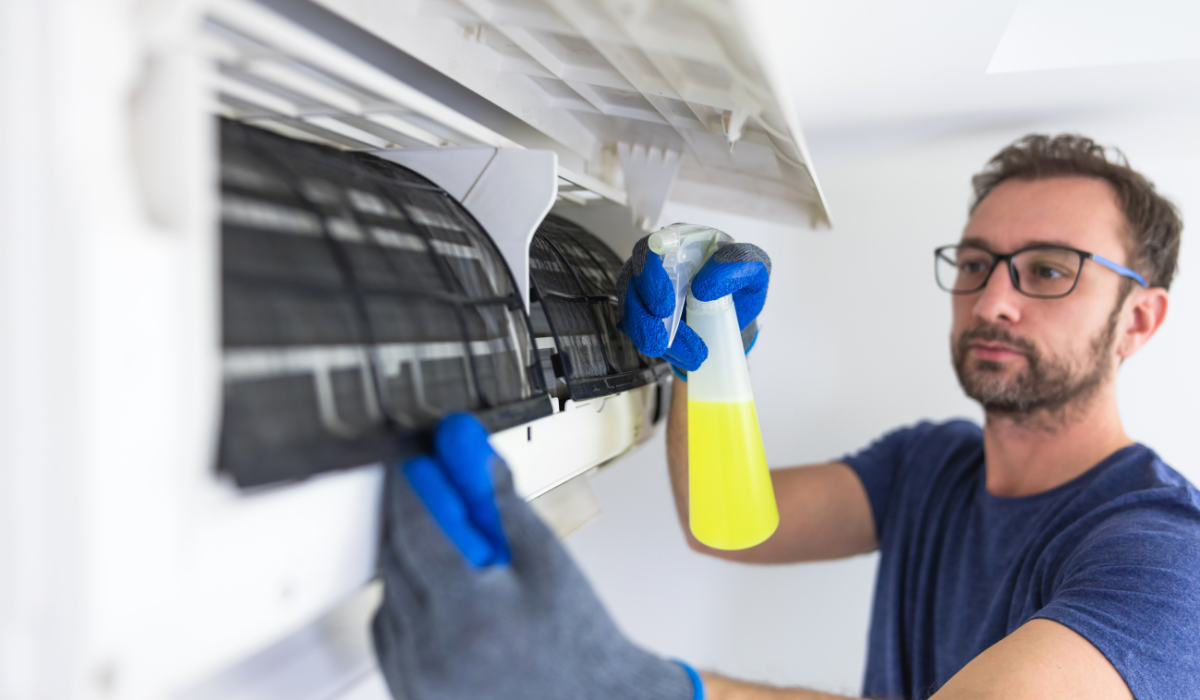
- Coil cleaning
- Refrigerant checks
- Electrical inspections
- Thermostat testing
- Drain line cleaning
- Belt and motor inspections
- Airflow testing
- System performance checks
Regular service visits can help identify worn parts, dirty components, airflow restrictions, and other issues early.
Businesses that follow a maintenance plan are often better prepared for seasonal demand and may experience fewer unexpected outages.
Seasonal Scheduling for Commercial HVAC Systems
Seasonal maintenance is one of the most important parts of a commercial HVAC framework.
Spring is usually the best time to inspect cooling systems before temperatures increase.
Technicians can check refrigerant levels, inspect rooftop units, clean coils, and make sure the air conditioning system is ready for summer.
Fall is usually the best time to inspect heating systems before colder weather arrives. Heating inspections may include testing furnaces, heat pumps, burners, thermostats, and safety controls.
For businesses with heavy HVAC usage or critical indoor climate requirements, maintenance may be needed multiple times throughout the year.
Rooftop Unit Maintenance
Many commercial buildings rely on rooftop HVAC units.
Rooftop systems require regular maintenance because they are exposed to weather, dirt, debris, and seasonal temperature changes.
Routine rooftop unit maintenance may include:
- Cleaning condenser coils
- Inspecting fans and motors
- Checking belts and pulleys
- Inspecting electrical components
- Clearing debris around the unit
- Inspecting refrigerant lines
- Testing system controls
Because rooftop units are often out of sight, small issues can go unnoticed until they become larger problems.
Emergency Repair Protocols
Even with a strong maintenance plan, unexpected HVAC problems can still happen.
Businesses should have a clear emergency repair process in place so they can respond quickly when problems occur.
An emergency HVAC protocol may include:
- Knowing who to contact for emergency service
- Keeping maintenance records accessible
- Training staff to recognize warning signs
- Having backup cooling or heating plans if needed
- Prioritizing critical areas of the building
Fast response times can help reduce downtime and prevent larger problems.
Signs Your Commercial HVAC System May Need Service
In addition to scheduled maintenance, businesses should watch for signs that may indicate the HVAC system needs professional attention.
Common warning signs include:
- Uneven temperatures throughout the building
- Weak airflow
- Rising energy bills
- Strange noises
- Unusual odors
- Water leaks
- Short cycling
- Poor humidity control
- Inconsistent heating or cooling
If these problems are ignored, they may lead to larger repairs, reduced comfort, and higher operating costs.
Budgeting for Commercial HVAC Maintenance
Commercial HVAC maintenance should be treated as part of the annual operating budget.
Planning ahead for maintenance can help businesses avoid larger repair expenses and unexpected system failures.
While preventive service has a cost, it is usually much less expensive than emergency repairs or full system replacement.
Businesses that delay maintenance often face higher repair costs, more downtime, and reduced system performance.
Budgeting for HVAC maintenance may help businesses:
- Reduce repair costs
- Plan for future equipment upgrades
- Avoid surprise expenses
- Improve energy efficiency
- Extend equipment life
Businesses with multiple HVAC units or large facilities may benefit from maintenance agreements that provide scheduled service throughout the year.
These agreements can make maintenance costs more predictable and help ensure important inspections are not overlooked.
Setting Efficiency Goals
Many businesses want to reduce energy use and improve overall building efficiency. HVAC systems often account for a large portion of commercial energy costs.
Setting HVAC efficiency goals may include:
- Reducing utility bills
- Improving airflow
- Replacing outdated equipment
- Improving thermostat controls
- Upgrading insulation or ductwork
- Installing programmable systems
Routine maintenance can help support these goals by keeping equipment clean, calibrated, and operating efficiently.
Spring is usually the best time to schedule commercial air conditioning maintenance so cooling systems are prepared for higher temperatures and heavier demand.
Long-Term Benefits of a Commercial HVAC Framework
A structured HVAC maintenance framework can provide long-term value for businesses.
Instead of reacting to breakdowns as they happen, businesses can take a more proactive approach to managing heating and cooling systems.
Benefits may include:
- Lower operating costs
- Fewer breakdowns
- Better indoor comfort
- Longer equipment lifespan
- Improved air quality
- More predictable maintenance costs
- Better energy efficiency
For many businesses, having a maintenance plan in place can also reduce stress and improve day-to-day operations.
A structured framework may help business owners plan ahead for repairs, reduce emergency service calls, and make better decisions about equipment upgrades over time.
Commercial HVAC Services for Georgia Businesses
Businesses in Suwanee, Buford, Lawrenceville, Sugar Hill, Duluth, Dacula, Braselton, Gainesville, and nearby areas often rely on commercial HVAC systems throughout the year.
Offices, retail stores, restaurants, warehouses, medical facilities, and other commercial properties all depend on reliable heating and cooling to support daily operations.
Whether you need routine maintenance, emergency repairs, rooftop unit service, or long-term planning support, commercial HVAC maintenance can help improve comfort and reduce operational risks.
Regular service can also help businesses improve energy efficiency, reduce repair costs, and maintain more consistent indoor temperatures.
A proactive approach can help businesses avoid costly breakdowns and keep heating and cooling systems operating more efficiently.
Long-term maintenance planning may also help extend equipment life and reduce the chance of unexpected disruptions that affect employees, customers, or tenants.
FAQs
How often should commercial HVAC systems be serviced?
Most commercial HVAC systems should be serviced at least twice per year, once before the cooling season and once before the heating season. Businesses with heavy HVAC usage may benefit from more frequent inspections.
What is included in commercial HVAC maintenance?
Commercial HVAC maintenance may include filter changes, coil cleaning, refrigerant checks, thermostat testing, electrical inspections, airflow testing, and inspections of motors, belts, and rooftop units.
Why is preventive HVAC maintenance important for businesses?
Preventive maintenance can help reduce breakdowns, lower energy costs, extend equipment lifespan, and improve comfort for employees and customers. It may also help businesses avoid expensive emergency repairs.
What are common signs of commercial HVAC problems?
Common signs include uneven temperatures, weak airflow, rising utility bills, strange noises, unusual odors, water leaks, and inconsistent heating or cooling.
How can businesses reduce commercial HVAC costs?
Businesses can reduce HVAC costs through regular maintenance, improved thermostat settings, energy-efficient upgrades, better airflow management, and replacing outdated equipment when needed.