


High indoor humidity is a common problem for homeowners across Georgia.
Warm temperatures, long summers, and frequent moisture in the air can make it difficult to keep indoor humidity levels under control.
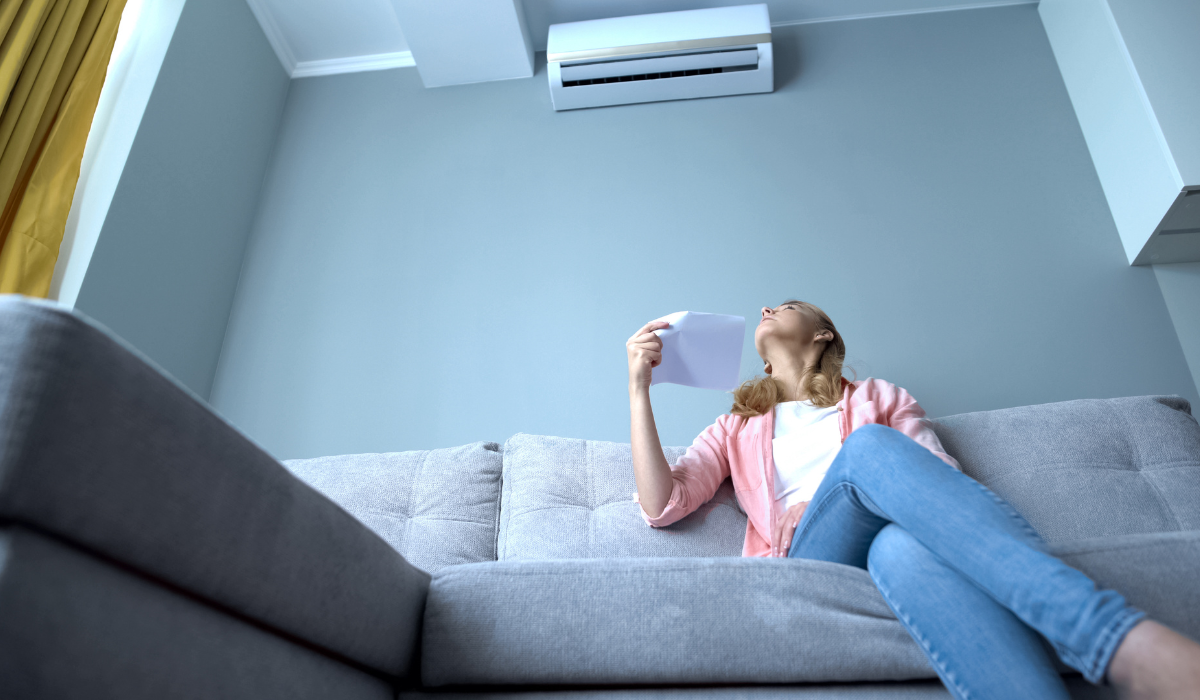
When humidity levels are too high, the home may feel sticky, uncomfortable, and warmer than the thermostat setting suggests.
Excess moisture can also affect indoor air quality, contribute to mold growth, and place extra strain on the HVAC system.
Understanding the causes of high indoor humidity can help homeowners identify potential problems and determine when a dehumidifier or other indoor air quality solution may be needed.
Signs of High Indoor Humidity
Many homeowners notice the effects of humidity before they realize there is a problem.
Common signs of high indoor humidity may include:
- Sticky or damp feeling air
- Condensation on windows
- Musty odors
- Mold or mildew growth
- Increased allergy symptoms
- Warped wood floors or furniture
- Peeling paint or wallpaper
- Damp areas around vents or walls
- Frequent headaches or discomfort indoors
If the home feels warmer than normal even when the air conditioner is running, humidity may be part of the problem.
Why Georgia Homes Often Have Humidity Problems
Georgia’s climate naturally creates higher humidity levels, especially during spring and summer.
Warm outdoor air can bring large amounts of moisture into the home through:
- Open doors and windows
- Gaps around doors and windows
- Crawl spaces and basements
- Poor attic ventilation
- Plumbing leaks
- Daily activities like cooking and showering
Homes with older insulation, poor airflow, or outdated HVAC systems may be more likely to experience indoor humidity issues.
How High Humidity Affects Comfort
Humidity can make the home feel much warmer than it actually is.
Even when the thermostat is set to a comfortable temperature, excess moisture in the air may make rooms feel stuffy and uncomfortable.
This often leads homeowners to lower the thermostat setting, which may increase cooling costs without fully solving the humidity problem.
Reducing humidity can help improve comfort and allow the home to feel cooler without overworking the air conditioner.
Health and Air Quality Concerns
High humidity can also affect indoor air quality and overall health.
Excess moisture may create an environment where mold, mildew, bacteria, and dust mites are more likely to grow.
This can make allergy symptoms, asthma, and other respiratory concerns worse.

Homeowners may notice:
- Sneezing
- Coughing
- Congestion
- Irritated sinuses
- Itchy eyes
- Trouble sleeping
- Increased allergy flare-ups
For households with children, older adults, or people with respiratory concerns, controlling humidity can be an important part of maintaining healthier indoor air.
HVAC-Related Causes of High Humidity
In some homes, humidity problems may be related to the HVAC system itself.
Common HVAC-related causes may include:
- Dirty air filters
- Oversized air conditioning systems
- Short cycling
- Dirty evaporator coils
- Leaky ductwork
- Poor airflow
- Infrequent maintenance
An oversized air conditioner may cool the home too quickly without running long enough to remove humidity from the air.
Short cycling can create a similar issue because the system does not stay on long enough to properly dehumidify the home.
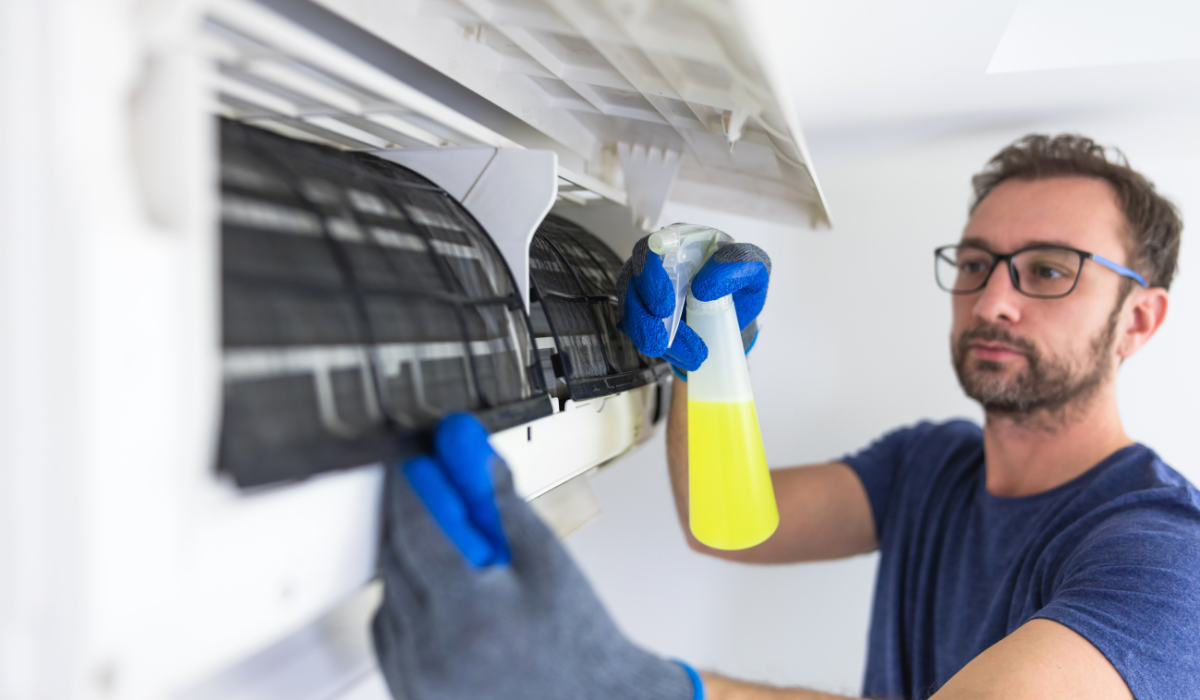
Routine HVAC maintenance may help improve airflow, cooling performance, and humidity control.
How a Whole-Home Dehumidifier Can Help
A whole-home dehumidifier can help remove excess moisture from the air and improve overall comfort.
Unlike portable units, whole-home dehumidifiers are connected to the HVAC system and work throughout the home.
Benefits of a whole-home dehumidifier may include:
- Lower indoor humidity levels
- Better comfort
- Reduced mold and mildew risk
- Fewer musty odors
- Improved air quality
- Reduced strain on the air conditioner
- Better protection for wood floors and furniture
For many Georgia homeowners, a dehumidifier can make the home feel cooler and more comfortable without lowering the thermostat as much.
Comparing Dehumidifiers, Humidifiers, and Air Purifiers
Different indoor air quality products solve different problems.
A dehumidifier helps remove excess moisture from the air when humidity levels are too high.
A humidifier adds moisture to the air when indoor conditions are too dry, which is more common during winter.
An air purifier helps remove airborne particles like dust, pollen, pet dander, and mold spores.
Some homes may benefit from more than one indoor air quality solution depending on the season and the specific issues inside the home.
When to Consider Professional Help
Homeowners may want to schedule professional service if they notice:
- Persistent humidity problems
- Condensation on windows
- Mold or mildew growth
- Musty odors
- Uneven comfort throughout the home
- Allergy symptoms that seem worse indoors
- High indoor humidity despite using the AC
A professional evaluation can help determine whether the issue is related to the HVAC system, ductwork, insulation, or indoor air quality equipment.
Indoor Humidity Solutions for Georgia Homeowners
Homeowners in Suwanee, Buford, Lawrenceville, Sugar Hill, Duluth, Dacula, Johns Creek, Braselton, and nearby communities often deal with high indoor humidity during much of the year.
Indoor air quality solutions like whole-home dehumidifiers, air purifiers, humidifiers, and duct services can help improve comfort and reduce moisture-related problems.
Addressing humidity issues early can help protect the home, improve air quality, and reduce strain on the HVAC system.
FAQs
What is considered high indoor humidity?
Indoor humidity levels above 50 to 60 percent are often considered too high. Excess humidity can make the home feel warmer, contribute to mold growth, and create uncomfortable indoor conditions.
Why does my house feel sticky even when the AC is on?
High humidity may make the home feel sticky because the air conditioner is not removing enough moisture from the air. This may happen if the system is oversized, short cycling, or not operating efficiently.
Can high humidity cause mold in the home?
Excess moisture can create the right conditions for mold and mildew growth, especially in bathrooms, basements, crawl spaces, and poorly ventilated rooms. Mold may also affect indoor air quality and worsen allergy symptoms.
Will a dehumidifier help lower cooling costs?
Lower humidity levels may help the home feel cooler without lowering the thermostat as much. This can reduce strain on the air conditioner and may help lower monthly energy costs.
Can HVAC problems make humidity worse?
Dirty filters, poor airflow, short cycling, leaky ducts, and oversized systems can all make humidity problems worse. Routine HVAC maintenance may help improve moisture control and indoor comfort.