


Drain clogs are one of the most common plumbing problems homeowners face.
While an occasional clog may not seem like a major concern, frequent drain issues can be a sign of a larger plumbing problem.
If sinks, tubs, showers, or toilets continue clogging repeatedly, it is important to understand what may be causing the issue.
In some cases, the problem is limited to one drain. In other situations, repeated clogs may point to a blockage deeper in the plumbing system.
Understanding the most common causes of frequent drain clogs can help homeowners know when to schedule professional drain cleaning service.
Kitchen Drain Clog Causes
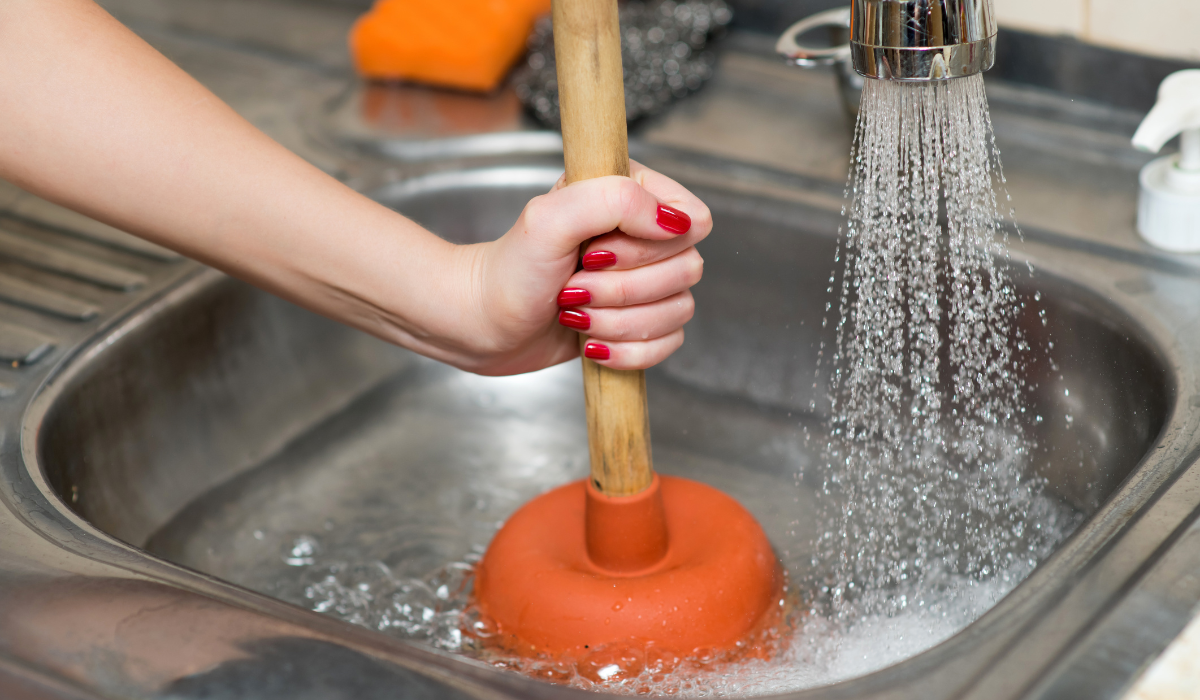
Kitchen drains often collect grease, food particles, soap residue, and other debris over time.
Common causes of kitchen drain clogs include:
- Grease and cooking oil
- Food scraps
- Coffee grounds
- Eggshells
- Pasta and rice
- Soap buildup
- Small objects that fall into the drain
Grease is one of the biggest causes of kitchen drain problems because it can harden inside the pipes and trap other debris.
Even if grease is rinsed down the drain with hot water, it may eventually cool and stick to the inside of the plumbing system.
Bathroom Drain Clog Causes
Bathroom drains are another common source of repeated clogs.
Common causes of bathroom drain blockages include:
- Hair buildup
- Soap scum
- Toothpaste residue
- Shaving cream
- Toiletry products
- Excess toilet paper
- Flushable wipes
- Cotton swabs and hygiene products
Hair is one of the most common causes of shower and sink clogs because it can collect inside the drain and trap soap and debris.
Toilets may also clog repeatedly if items are flushed that should not go into the plumbing system.
Common Signs of a Larger Drain Problem
In some cases, a clogged drain is not just a local issue. Frequent drain clogs may point to a larger plumbing problem deeper in the system.
Warning signs of a larger issue may include:
- Multiple drains clogging at the same time
- Slow drains throughout the home
- Gurgling sounds from drains or toilets
- Water backing up into sinks, tubs, or showers
- Bad odors coming from drains
- Frequent toilet clogs
- Water appearing in unexpected fixtures
If more than one drain is affected, the problem may involve the main sewer line.
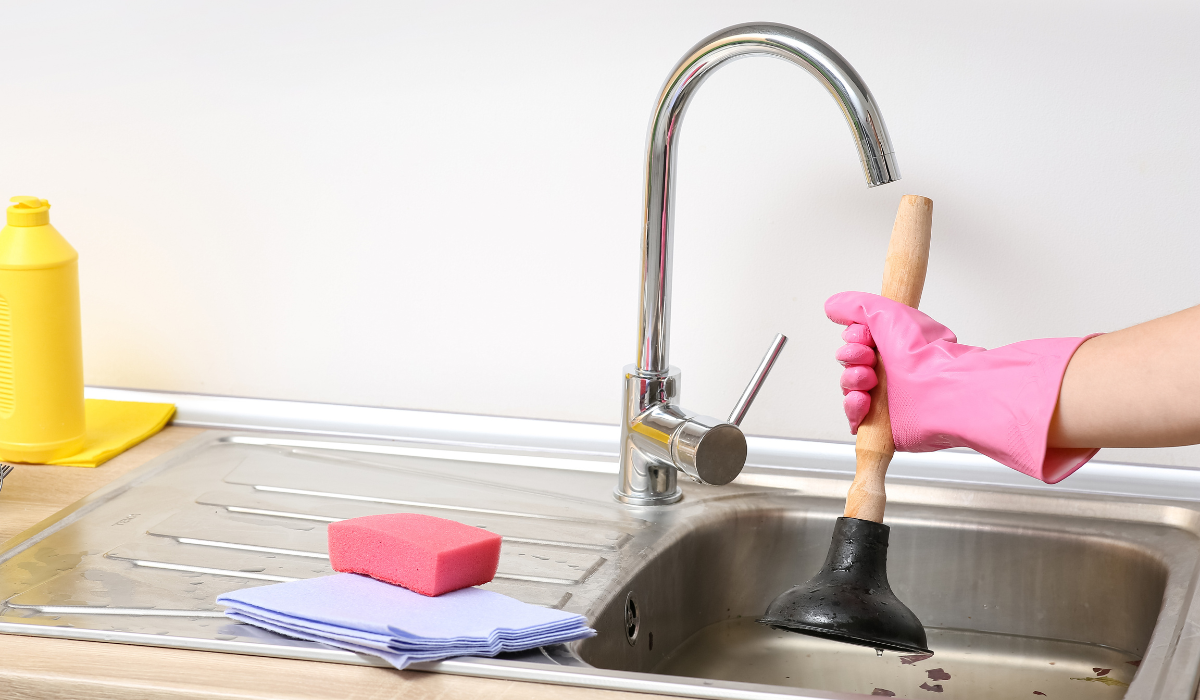
Sewer Line Warning Signs
A damaged or blocked sewer line can create recurring drain problems throughout the home.
Common sewer line warning signs include:
- Multiple plumbing fixtures backing up
- Sewage odors inside or outside the home
- Slow drains in several rooms
- Gurgling toilets
- Water backing up into tubs or showers
- Wet spots in the yard
- Unusually green patches of grass
Tree roots, pipe damage, grease buildup, and aging sewer lines can all contribute to sewer line problems.
If a sewer line issue is suspected, homeowners should schedule professional service as soon as possible.
Why DIY Drain Cleaners May Not Solve the Problem
Many homeowners use store-bought drain cleaners when they experience a clog.
While these products may sometimes provide temporary relief, they do not always remove the full blockage. Some chemical drain cleaners may also damage pipes over time.
If clogs keep coming back, professional drain cleaning is often the better option.
Professional plumbers can use tools like drain snakes, cameras, and hydro jetting equipment to identify and remove deeper blockages.
How to Prevent Frequent Drain Clogs
There are several steps homeowners can take to reduce the risk of recurring drain problems.
Helpful drain prevention tips include:
- Avoid pouring grease down kitchen drains
- Use drain screens in sinks and showers
- Keep food scraps out of the sink
- Do not flush wipes or hygiene products
- Run hot water through drains regularly
- Schedule professional drain cleaning when needed
- Address slow drains before they become larger problems
Preventive care can help keep drains flowing properly and reduce the risk of larger plumbing issues.
When to Call a Professional for Drain Cleaning
Homeowners should consider professional drain cleaning if:
- Clogs keep coming back
- Multiple drains are slow
- Water backs up into sinks or tubs
- Bad odors are coming from drains
- DIY methods are no longer working
- Toilets clog repeatedly
- Sewer line problems may be present
Professional service can help identify the cause of the problem and prevent larger plumbing issues later.
Drain Cleaning Services for Georgia Homeowners
Homeowners in Suwanee, Buford, Lawrenceville, Sugar Hill, Duluth, Dacula, Johns Creek, Braselton, and nearby areas often deal with recurring drain problems in kitchens, bathrooms, and sewer lines.
Professional drain cleaning can help remove buildup, improve drainage, and reduce the risk of future clogs.
Whether the problem is limited to one drain or involves a larger sewer line issue, prompt service can help protect your plumbing system.
FAQs
Why do my drains keep clogging?
Frequent clogs may be caused by grease, food scraps, hair, soap buildup, wipes, or a larger blockage deeper in the plumbing system. Repeated drain issues may also point to a sewer line problem.
Can grease really clog kitchen drains?
Grease is one of the most common causes of kitchen drain clogs. When hot grease is poured down the drain, it may seem harmless at first because it is in liquid form. However, as it cools, it can harden inside the pipes and begin collecting food particles, soap residue, and other debris. Over time, this buildup can narrow the pipe and lead to slow drainage, standing water, and recurring clogs.
What causes bathroom drains to clog?
Bathroom drains often clog because of hair, soap scum, toothpaste, shaving cream, wipes, and hygiene products. Hair is especially common in shower and sink drains because it can collect inside the pipe and trap other debris around it. Over time, the blockage can grow larger and make it harder for water to drain properly.
How do I know if I have a sewer line problem?
Sewer line problems often affect more than one plumbing fixture in the home. Common warning signs may include multiple slow drains, sewage odors, gurgling sounds from toilets, water backing up into tubs or showers, and wet spots in the yard. If several drains are having problems at the same time, the issue may be deeper in the plumbing system rather than in a single drain.
When should I call a plumber for a drain clog?
Professional service is usually recommended when clogs continue returning, multiple drains are affected, or water starts backing up into sinks, tubs, or showers. A plumber can also help when DIY drain cleaners, plungers, or drain snakes are no longer working. Addressing the problem early may help prevent pipe damage, sewer line issues, and larger plumbing repairs later.