


Water heaters are one of the most important systems in any home.
From showers and laundry to dishwashing and cleaning, homeowners rely on hot water every day.
When a water heater stops working properly, it can quickly disrupt daily routines and create frustration.
Some water heater issues can be repaired, while others may require full replacement.
Knowing the signs of failure, understanding the difference between tank and tankless systems, and learning when replacement makes more sense can help homeowners make better decisions.
Routine maintenance can also play a major role in helping water heaters last longer and perform more efficiently.
Signs Your Water Heater May Be Failing
Water heaters often show warning signs before they stop working completely. Recognizing these problems early may help homeowners avoid a complete loss of hot water.
Common signs of water heater trouble include:
- Water is not getting hot enough
- Hot water runs out quickly
- Water temperature changes unexpectedly
- Strange noises from the tank
- Rust-colored water
- Water leaks around the unit
- Reduced water pressure
- Higher energy bills
- Unusual odors from hot water
These signs may point to issues with heating elements, thermostats, sediment buildup, leaks, or aging equipment.
Common Water Heater Problems
There are several common problems that can affect both traditional tank water heaters and tankless systems.
Some of the most common water heater issues include:
- Faulty thermostats
- Heating element failure
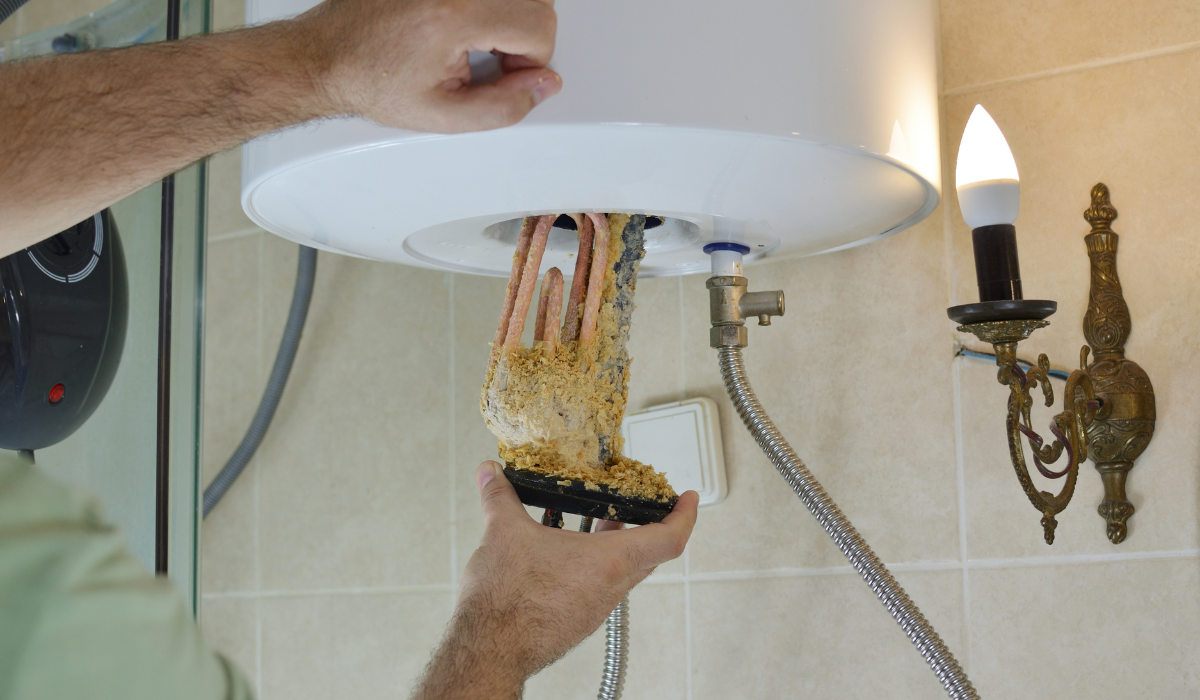
- Sediment buildup
- Pilot light issues
- Gas supply problems
- Broken dip tubes
- Leaking tanks
- Clogged lines or filters
- Electrical problems
Some of these issues can be repaired relatively easily, while others may indicate that replacement is the better option.
Tank Water Heater vs Tankless Water Heater
Homeowners often choose between a traditional tank water heater and a tankless system.
Traditional Tank Water Heaters
Tank water heaters store a certain amount of hot water and keep it heated throughout the day.
These systems are common in many homes and are usually less expensive to install.
However, tank water heaters may run out of hot water during periods of heavy use. They also take up more space and may lose efficiency as sediment builds up inside the tank.
Tankless Water Heaters
Tankless water heaters heat water only when it is needed. This can improve energy efficiency and provide a more consistent supply of hot water.
Tankless systems are often smaller and may last longer than traditional tank water heaters.
However, they may have a higher upfront installation cost and can require more specialized maintenance.
Choosing between the two often depends on budget, household size, hot water usage, and long-term goals.
When Water Heater Repair Makes Sense
Repair is often the best option when the water heater is newer and the problem is relatively minor.
Water heater repair may make sense if:
- The system is less than 8 years old
- The issue is isolated to one part
- The repair cost is reasonable
- The tank is not leaking
- The system has been maintained regularly
- This is the first major repair
Problems like thermostat failure, heating element replacement, pilot light issues, or minor valve repairs can often be fixed without replacing the entire system.
When Water Heater Replacement Makes Sense
There are times when replacement may provide better long-term value than continued repairs.
Replacement may make sense if:
- The water heater is more than 10 to 12 years old
- The tank is leaking
- Repairs are becoming more frequent
- The unit is no longer heating efficiently
- Rust is forming inside the tank
- Repair costs are high
Older systems are more likely to continue having problems even after repairs.
In many cases, replacing the unit can improve efficiency, provide more reliable hot water, and reduce future repair costs.
If your water heater is leaking heavily or causing water damage, emergency plumbing service in Buford may be needed to prevent the problem from becoming more serious
Water Heater Repair Costs
The cost of water heater repair depends on the type of issue and the parts involved.
Smaller repairs, such as replacing a thermostat or heating element, are usually less expensive. Larger repairs involving gas lines, major leaks, or tank damage may cost more.
In some situations, homeowners may spend a significant amount on repairs only to continue experiencing new problems later.
If repair costs continue to increase, replacement may become the more cost-effective choice.
How Long Water Heaters Usually Last
Most traditional tank water heaters last around 8 to 12 years with proper maintenance. Tankless systems may last 15 to 20 years or longer.
Several factors can affect the lifespan of a water heater, including:
- Water quality
- Maintenance history
- Usage levels
- Sediment buildup
- Installation quality
- Frequency of repairs
Systems that receive regular maintenance often last longer and perform more efficiently.
Water Heater Maintenance Tips
Routine maintenance can help reduce the risk of unexpected breakdowns and improve the overall life of the system.
Helpful water heater maintenance steps include:
- Flush the tank regularly to remove sediment
- Inspect for leaks or corrosion
- Test the pressure relief valve
- Check the thermostat setting
- Schedule professional inspections
- Replace worn parts as needed
- Keep the area around the unit clean
Tankless systems may also need descaling to remove mineral buildup and maintain performance.
When Water Heater Problems Become an Emergency
Some water heater issues should be treated as emergencies.
You should contact a professional right away if:
- The tank is leaking heavily
- You smell gas near the unit
- Water is causing damage to the home
- The breaker continues to trip
- The unit is making loud banging noises
- There are signs of severe rust or corrosion
These problems can quickly become more serious and may create safety concerns if ignored.
Water Heater Service for Georgia Homeowners
Homeowners in Suwanee, Buford, Lawrenceville, Sugar Hill, Duluth, Dacula, Braselton, Johns Creek, and nearby communities often experience water heater problems as systems age.
Whether you need repair, replacement, or maintenance, professional service can help identify the issue and restore reliable hot water.
Regular inspections and preventive care can also help homeowners avoid unexpected breakdowns and extend the life of the system.
FAQs
How do I know if my water heater should be repaired or replaced?
If the system is newer and the problem is minor, repair is often the best option. If the water heater is older, leaking, or needs frequent repairs, replacement may provide better long-term value.
What is the average lifespan of a water heater?
Most traditional tank water heaters last around 8 to 12 years. Tankless systems may last 15 to 20 years with proper maintenance and regular service. The lifespan of a water heater can also depend on water quality, how heavily the system is used, and whether it receives regular maintenance.
Are tankless water heaters better than tank systems?
Tankless water heaters can provide endless hot water and improved energy efficiency. However, they often cost more to install and may require specialized maintenance. Traditional tank systems may have a lower upfront cost, while tankless systems may provide more long-term savings for some homeowners.
How often should a water heater be maintained?
Most water heaters should be inspected at least once per year. Tank systems may need regular flushing, while tankless systems may need descaling to reduce mineral buildup. Routine maintenance can help improve efficiency, extend the life of the system, and reduce the chance of unexpected breakdowns.
When should I call for emergency water heater service?
You should call for emergency service if the water heater is leaking heavily, causing water damage, making loud noises, or if you smell gas near the unit. These problems can quickly become more serious and may create safety concerns if ignored. Fast service can help reduce damage and restore hot water more quickly.