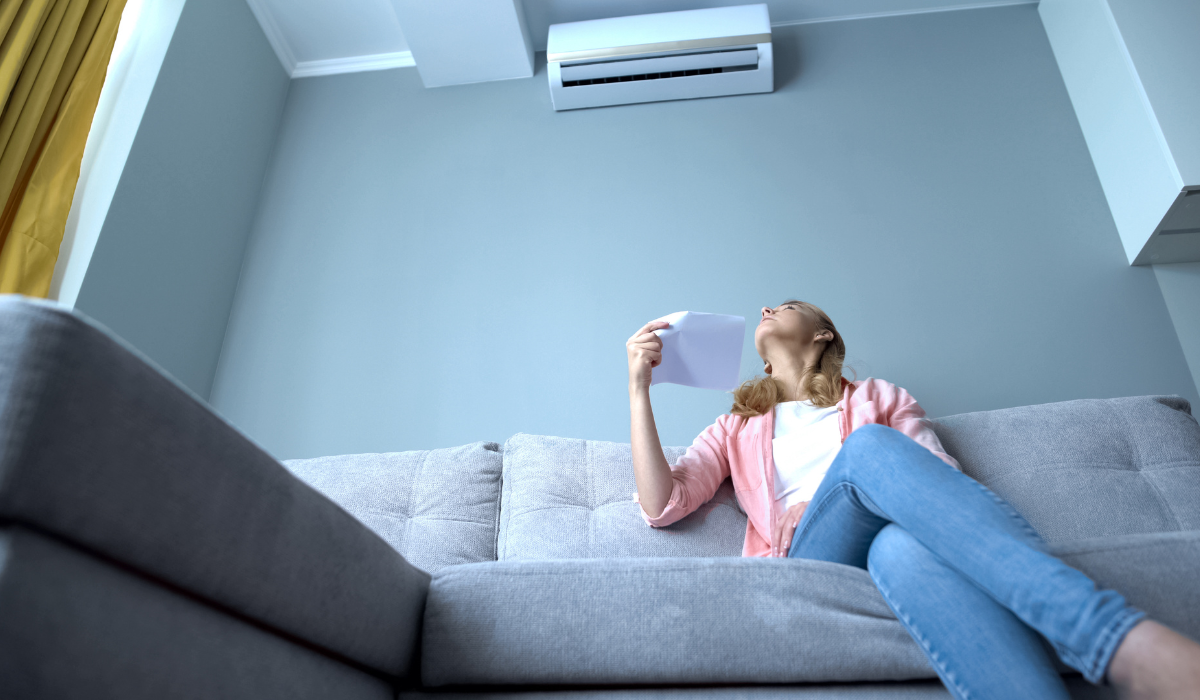



When your air conditioner is running but blowing warm air, it can quickly make your home uncomfortable.
Many homeowners first notice the problem during the hottest days of the year when the system is working harder than normal.
Warm air coming from your vents does not always mean the air conditioner has completely failed.
In some cases, the issue may be something simple, such as a thermostat setting or dirty air filter. In other situations, it may point to a more serious problem that requires professional repair.
Understanding the most common causes of warm air can help homeowners know when to troubleshoot the problem and when to call for service.
Common Reasons Your AC May Blow Warm Air
Thermostat Issues
One of the first things homeowners should check is the thermostat.
Sometimes the thermostat may accidentally be switched from cooling mode to fan mode.
When the fan setting is on, the system may continue moving air through the vents even if the air conditioner is not actively cooling.
You should also make sure:
- The thermostat is set to cool
- The temperature is set lower than the current room temperature
- The batteries are working if the thermostat uses them
- The thermostat display is functioning properly
A faulty thermostat may also prevent the system from cooling correctly.
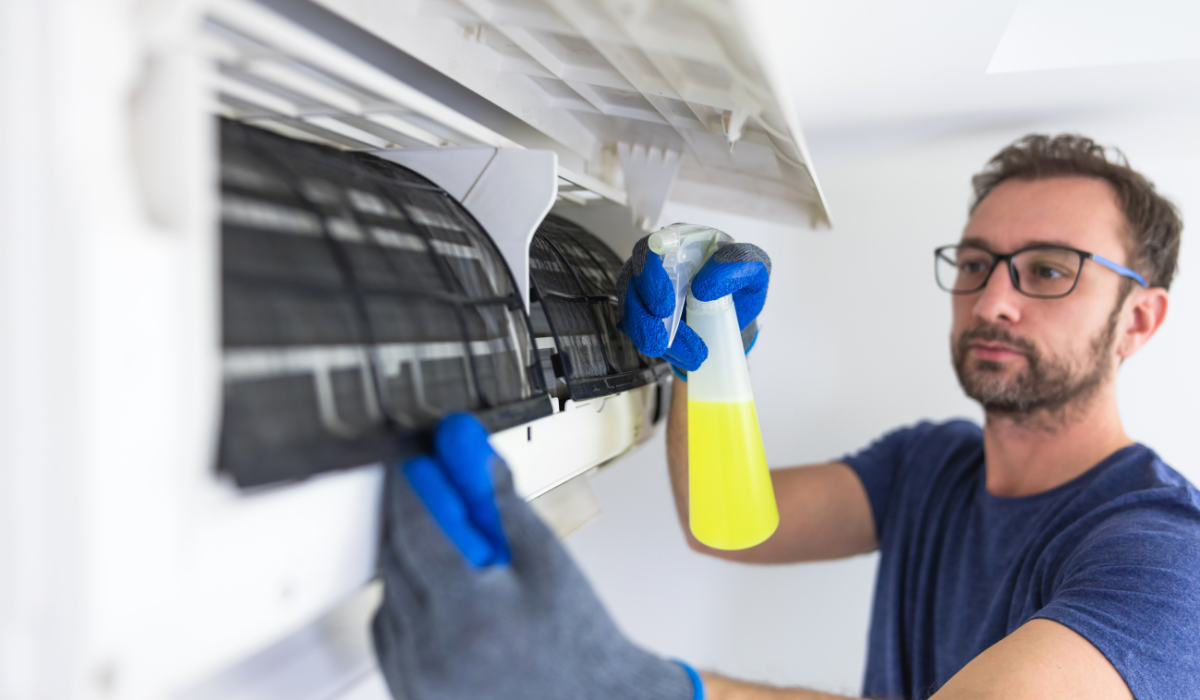
Dirty Air Filters
Dirty air filters are one of the most common reasons an AC system may blow warm air.
When the filter becomes clogged with dust and debris, airflow may become restricted.
Reduced airflow can make it harder for the system to move cool air throughout the home.
Dirty filters may also cause:
- Uneven temperatures
- Weak airflow from vents
- Frozen evaporator coils
- Higher energy bills
- Increased strain on the system
Replacing the filter regularly may help improve airflow and cooling performance.
Refrigerant Problems
Low refrigerant is another common reason an air conditioner may stop producing cold air.
Refrigerant is what allows the system to remove heat from inside the home. If refrigerant levels are low because of a leak, the system may struggle to cool properly.
Signs of a refrigerant problem may include:
- Warm air from vents
- Ice buildup on the indoor unit
- Hissing sounds near refrigerant lines
- Longer cooling cycles
- Higher utility bills
Refrigerant issues should always be handled by a professional because leaks need to be repaired before the system can be recharged.
Frozen Evaporator Coils
Frozen evaporator coils can also cause warm air problems.
When airflow is restricted or refrigerant levels are too low, the indoor coil may freeze. Even though the system is running, the frozen coil can prevent it from cooling effectively.
Common signs of frozen coils include:
- Ice around the indoor unit
- Weak airflow
- Water leaks around the system
- Warm air from vents
If you notice ice buildup, turn the system off and allow it to thaw before calling for service.
Outdoor Unit Problems
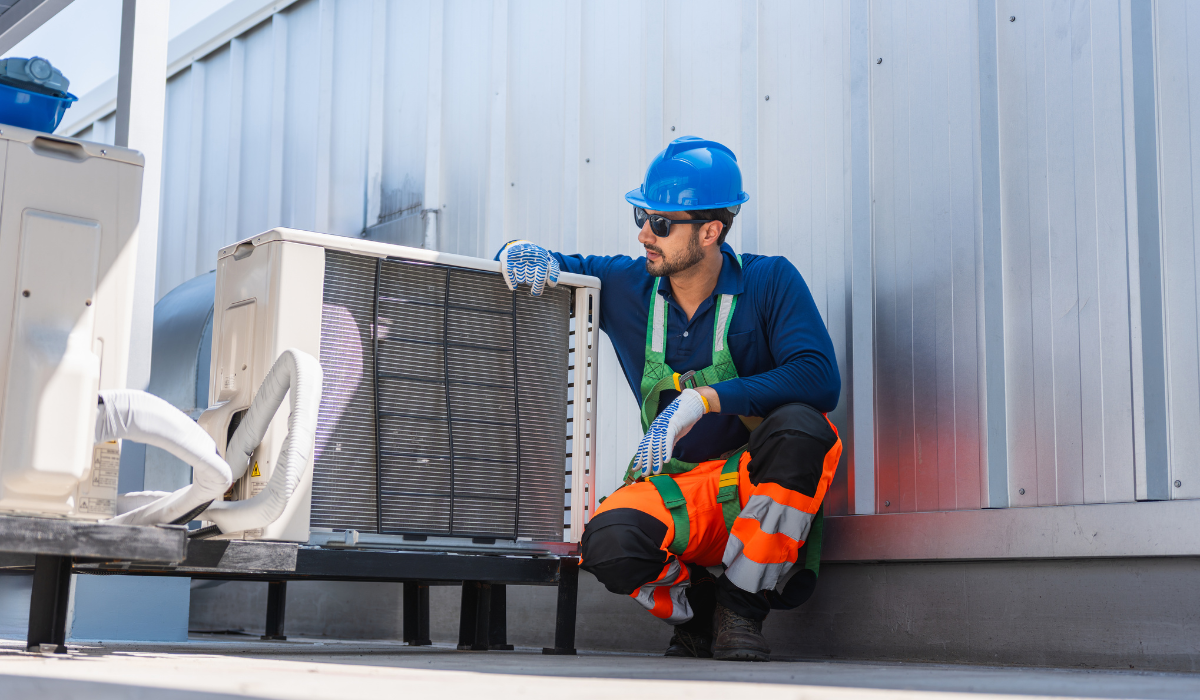
The outdoor condenser unit plays an important role in removing heat from the home.
If the outdoor unit is blocked by dirt, leaves, grass, or debris, it may not be able to release heat properly. This can cause the air conditioner to lose cooling performance.
Homeowners should make sure the outdoor unit has enough clearance around it and is kept clean.
However, electrical problems, fan issues, or compressor failure may also affect the outdoor unit and require professional ac repair.
Electrical Problems
Air conditioners rely on several electrical parts to operate correctly.
Problems with capacitors, wiring, breakers, or other electrical components can affect how the system runs.
For example, the indoor fan may continue blowing air even if the outdoor unit has stopped working. In this situation, the vents may blow warm air because the cooling process is no longer happening.
If breakers continue to trip or the system will not cool after resetting, it is best to schedule professional service.
When to Call a Professional
Some AC problems can be solved by replacing the filter or adjusting the thermostat. However, homeowners should call a professional if:
- Warm air continues after changing the thermostat settings
- The system has frozen coils
- Refrigerant may be leaking
- Breakers continue to trip
- Strange noises are coming from the unit
- The outdoor unit is not running
- Cooling performance continues to get worse
Prompt repairs may help prevent larger problems and reduce the risk of a complete system breakdown.
How Maintenance Helps Prevent Warm Air Problems
Routine maintenance can help reduce the risk of warm air issues before they become serious.
Regular service may help identify:
- Dirty filters
- Refrigerant leaks
- Worn electrical parts
- Drain line clogs
- Frozen coil risks
- Airflow restrictions
For many homeowners, annual ac maintenance is one of the best ways to improve cooling performance and reduce unexpected repairs.
FAQs
Why is my AC running but not cooling?
If your AC is running but not cooling, it may be caused by thermostat problems, dirty filters, refrigerant leaks, frozen coils, or electrical issues. A professional inspection can help determine the exact cause.
Can a dirty air filter make my AC blow warm air?
Yes, a dirty filter can restrict airflow and make it harder for the system to cool properly. When airflow is reduced, the system may struggle to move cool air throughout the home. Dirty filters can also increase strain on the equipment, reduce efficiency, and contribute to frozen evaporator coils.
What should I do if my AC has frozen coils?
If the evaporator coils are frozen, turn the system off and allow the ice to thaw. Frozen coils are often caused by airflow problems or low refrigerant. Once the ice has melted, it is a good idea to replace the air filter and schedule professional service to identify the cause of the problem.
Is low refrigerant a serious problem?
Yes, low refrigerant usually means there is a leak somewhere in the system. Refrigerant leaks can reduce cooling performance and may lead to more serious damage if ignored. A professional technician should inspect the system, repair the leak, and recharge the refrigerant if needed.
How can I prevent warm air problems in the future?
Routine maintenance, regular filter changes, and early repairs can help reduce the risk of warm air issues. Preventive service can also help identify refrigerant leaks, airflow restrictions, and worn parts before they become larger problems.