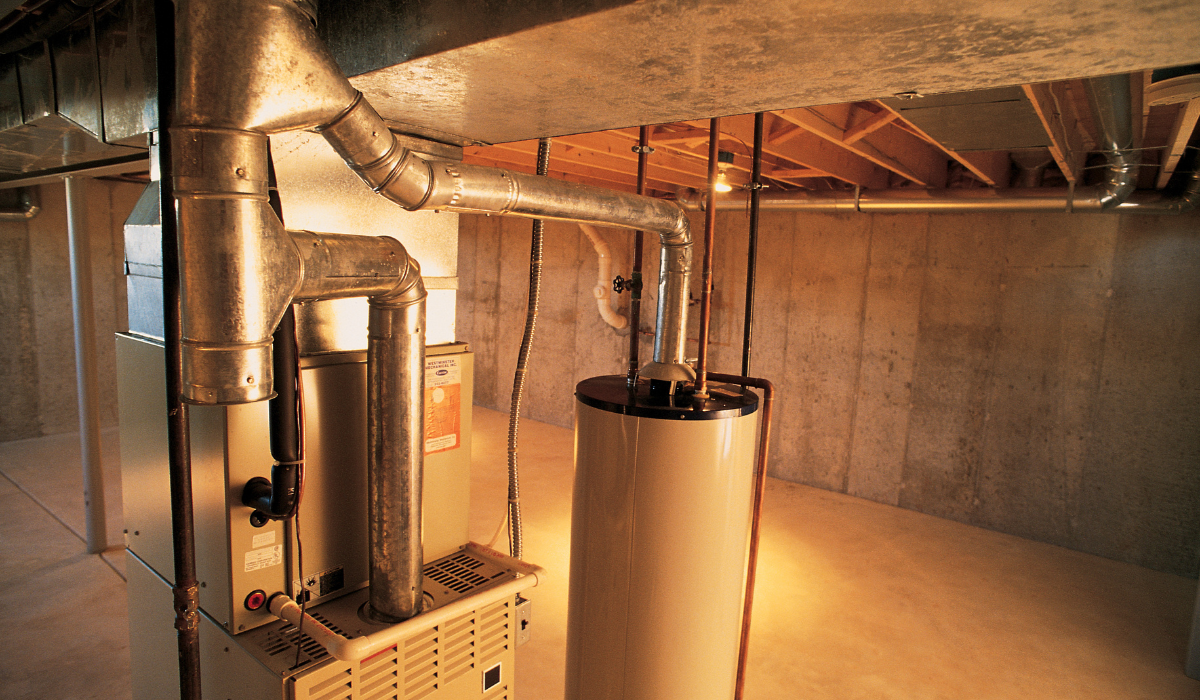



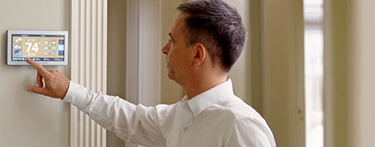
As temperatures begin to drop, homeowners depend on their heating systems to keep the home warm and comfortable.
A furnace that is not working properly may struggle to heat the home, use more energy, or stop working completely during the coldest part of the season.
Many furnace problems start with small warning signs. Strange noises, uneven heating, rising energy bills, or short cycling may seem minor at first, but they can often point to larger issues that need attention.
Scheduling professional heating repair early can help prevent more serious problems later and reduce the risk of losing heat during winter.
Homeowners who notice warning signs should not wait until the system stops working completely before scheduling service through the .
Strange Noises Coming From the Furnace
Most furnaces make some noise during normal operation, but unusual sounds may be a sign that something is wrong.
Common furnace noises that may indicate repair is needed include:
- Banging
- Rattling
- Squealing
- Grinding
- Popping
- Humming
- Whistling
Banging noises may point to delayed ignition or expanding ductwork.
Squealing can happen when belts or motor components begin to wear out. Rattling may be caused by loose parts or damaged panels.
If the furnace starts making new or louder noises than usual, it is often a good idea to schedule an inspection before the problem becomes worse.
Uneven Heating Throughout the Home
A furnace that heats some rooms well but leaves other areas cold may not be operating efficiently.
Uneven heating can happen because of:
- Dirty air filters
- Blocked vents
- Leaky ductwork
- Thermostat problems
- Blower issues
- Aging furnace components
If the furnace struggles to maintain consistent temperatures, it may need professional service to identify the cause.
Uneven heating often becomes more noticeable during very cold weather when the system is working harder to keep up with demand.
Rising Energy Bills
Heating costs often increase during winter, but a sudden rise in utility bills may be a sign that the furnace is losing efficiency.
As furnace components wear out, the system may need to run longer and use more energy to heat the home.
High energy bills may be caused by:
- Dirty filters
- Worn blower motors
- Failing components
- Poor airflow
- Leaky ducts
- Older furnace age
If the furnace is using more energy than normal without improving comfort, professional repair may help restore efficiency.
Short Cycling Problems
Short cycling happens when the furnace turns on and off too frequently.
Instead of completing a full heating cycle, the system may run for only a few minutes before shutting off.
Short cycling may be caused by:
- Dirty filters
- Thermostat issues
- Overheating
- Improper airflow
- Furnace size problems
- Failing components
Frequent cycling can place extra strain on the furnace and may increase wear on important parts.
Ignoring short cycling can lead to higher repair costs and may shorten the lifespan of the heating system.
Weak Airflow From Vents
Weak airflow is another common sign that a furnace may need repair.
If warm air is not moving strongly through the vents, the system may have trouble keeping the home comfortable.
Weak airflow can happen because of:
- Dirty filters
- Blower motor problems
- Duct leaks
- Blocked vents
- Fan issues
Homeowners may notice that rooms take longer to warm up or that some areas never feel comfortable.
Yellow Pilot Light or Burning Smells
For gas furnaces, the pilot light should usually appear blue.
A yellow pilot light may indicate combustion problems that should be inspected by a professional.
Homeowners should also pay attention to unusual smells coming from the furnace.
Possible warning signs include:
- Burning smells
- Gas odors
- Musty odors
- Electrical smells
While a mild burning smell may happen briefly when the furnace is turned on for the first time each season, strong or persistent odors should not be ignored.
When Furnace Replacement May Be Better Than Repair
In some cases, replacing the furnace may be more cost effective than continuing to repair it.
Replacement may be worth considering if:
- The furnace is more than 15 years old
- Repairs are becoming more frequent
- Heating costs continue to rise
- The system no longer heats the home effectively
- Major components have failed
Older furnaces often lose efficiency over time and may struggle to keep up during winter.
For homeowners with aging systems, it may be helpful to compare repair costs with the long-term value of installing a newer system through the Holtkamp HVAC & Plumbing heating installation services.
Why Preventive Maintenance Matters
Routine heating maintenance can help identify worn parts, airflow issues, and other furnace problems before winter begins.
Preventive service may help:
- Improve efficiency
- Reduce breakdown risks
- Extend furnace lifespan
- Improve indoor comfort
- Lower heating costs
Many homeowners schedule heating maintenance in the fall so the system is ready before temperatures drop.
Professional maintenance can also help reduce the risk of emergency repairs during winter. Homeowners can learn more about routine service through the .
Heating Services for Georgia Homeowners
Homeowners in Suwanee, Buford, Lawrenceville, Sugar Hill, Duluth, Dacula, Johns Creek, Braselton, Gainesville, and nearby areas often depend on reliable heating systems during winter.
Whether the problem involves strange noises, uneven heating, short cycling, or rising utility bills, addressing furnace issues early can help prevent larger problems later.
Professional heating repair can help restore comfort, improve efficiency, and keep the home warmer during colder weather.
FAQs
What are common signs that a furnace needs repair?
Common warning signs include strange noises, weak airflow, uneven heating, short cycling, rising energy bills, unusual smells, and difficulty keeping the home warm.
Why is my furnace making banging noises?
Banging noises may happen because of delayed ignition, expanding ductwork, loose components, or airflow problems. A professional inspection can help determine the exact cause.
Can a dirty filter affect furnace performance?
Dirty air filters can reduce airflow, make the furnace work harder, and contribute to uneven heating or short cycling. Replacing the filter regularly may help improve performance.
When should I replace my furnace instead of repairing it?
Replacement may be worth considering if the furnace is older, repairs are becoming more frequent, or the cost of repair is high compared to the value of a newer system.
How often should heating maintenance be scheduled?
Most homeowners should schedule heating maintenance once per year, usually in the fall before winter begins.