


When it comes to heating your home, understanding the heater installation process is crucial to ensuring that your system operates efficiently and reliably.
Whether you’re replacing an old heater or installing a new one, knowing what to expect during the installation process helps you prepare for a smooth and hassle-free experience.
This guide will take you through the essential steps of heater installation, from pre-installation preparation to post-installation care.
Pre-Installation: What to Expect Before Heater Installation
Before the installation of your new heater, it’s important to understand the necessary steps involved in the pre-installation process.
This phase ensures that everything is in place for a smooth and efficient installation.
Proper planning and preparation help avoid potential delays and ensure that your heater operates at peak efficiency once it’s up and running.
The pre-installation phase involves a thorough consultation with a professional technician who will assess your home’s heating needs and prepare the space for the new system.
By working with an expert, you can rest assured that the heater selected for your home will be the right fit for your needs, ensuring comfort and energy efficiency.
The following are key aspects of what to expect during the pre-installation process:
Initial Consultation and Home Assessment
Before your new heater is installed, a professional technician will visit your home to conduct a thorough assessment.
During this consultation, they will evaluate your home’s size, layout, insulation, and heating needs.
This allows the technician to recommend the most suitable heating system based on your home’s specific requirements, whether it’s a furnace, heat pump, or an energy-efficient electric heater.
Preparing Your Home for Installation
Proper preparation before the installation is essential to ensure a smooth process.
Homeowners should clear the area where the heater will be installed to give the technicians easy access.
This includes moving furniture or items that could obstruct the heater or installation path. Additionally, ensure that the gas and electrical connections are accessible and safe.
Selecting the Right Heater for Your Home
Choosing the right heater for your home is crucial for energy efficiency and comfort.
A properly sized heater will operate more efficiently, saving you money in the long run.
During the assessment, the technician will consider factors such as the square footage of your home, the climate in your area, and your heating installation preferences to recommend the ideal system.
During Installation: Step-by-Step Heater Installation Process
Once the installation team arrives at your home, you can expect a highly organized and professional approach to your heater installation.
The team will begin by reviewing the installation plan to ensure all the details are in place before they begin the work.
They will assess the area where the heater will be positioned to ensure it’s the best location for maximum efficiency and performance.
The installation team will be well-prepared, with all the necessary tools and equipment to get the job done right the first time.
The actual installation process involves a series of key steps to ensure the system operates optimally.
From unboxing the heater to final system testing, each step is performed with precision and care. Here’s what to expect during the installation process:
Arrival of the Installation Team
When the installation team arrives, you can expect them to be punctual, professional, and prepared to begin the work right away.
They will review the details of the installation plan and assess the final placement of the unit to ensure the system is positioned correctly for maximum efficiency.
The Heater Installation Process
The actual installation involves several crucial steps:
Unboxing and Positioning
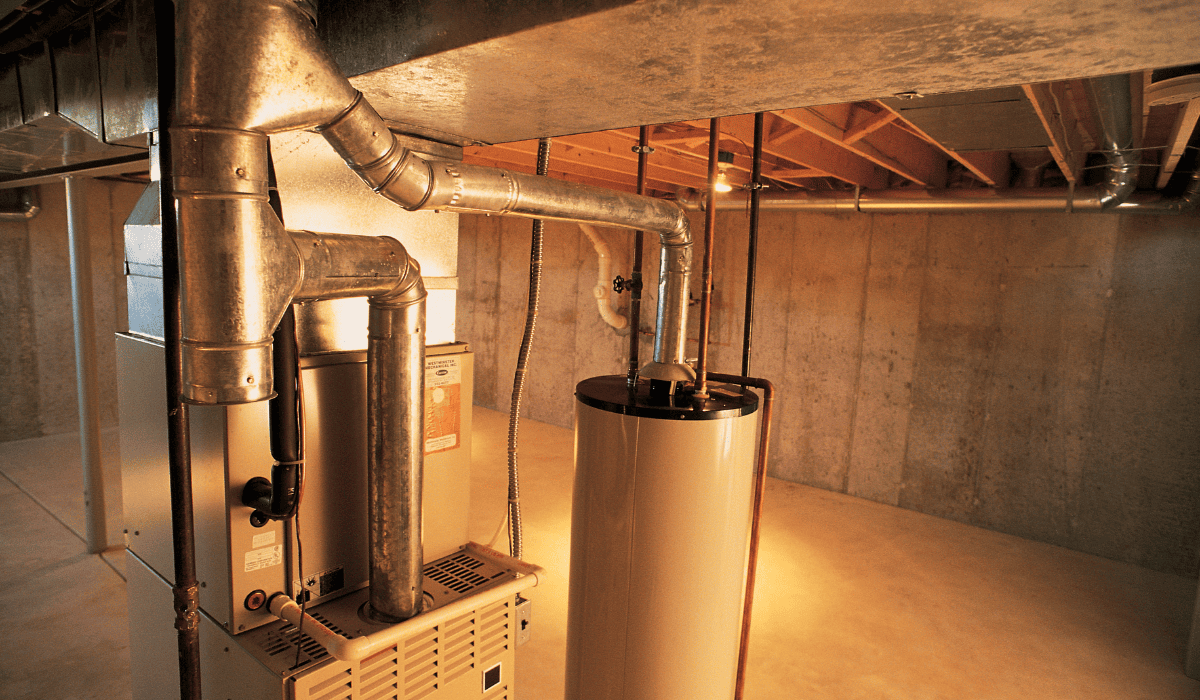
The team will unpack the heater, carefully move it into position, and begin setting up the necessary components.
Ductwork and Ventilation
Installing ducts and ensuring proper ventilation are critical for distributing warm air throughout your home. The technician will check existing ducts or install new ones as needed.
Gas and Electrical Connections
If the heater requires a gas line or electrical hookup, the technician will make sure these connections are safely installed and fully functional.
Testing the System
Once the heater is installed, it’s tested to ensure everything is working as expected, including thermostat settings, airflow, and temperature consistency.
Final Inspections and Calibration
Once the installation is complete, the technician will conduct a series of tests to verify the system’s efficiency and functionality.
This includes calibrating the thermostat, ensuring there are no leaks in the system, and checking for proper airflow.
You’ll be informed of the system’s warranty and maintenance schedule at this point.
Post-Installation: What to Expect After Heater Installation
After your heater is successfully installed, the next step is to ensure that it functions optimally for years to come.
Post-installation is a crucial phase that includes testing the system, understanding how to maintain it, and optimizing its performance for energy efficiency.
Expect your technician to walk you through every necessary detail to ensure you’re comfortable with your new heater and understand how to operate it effectively.
This phase also offers an opportunity to ask questions about how to properly care for your new system and make the most of its energy-efficient features.
By following expert guidance on maintenance and energy-saving practices, you can enjoy long-term comfort and cost savings. Here’s what to expect after your heater is installed:
Heater System Testing and Start-Up
After installation, the technician will start the heater and perform initial tests to ensure everything is running correctly.
They will ensure the system reaches the desired temperature and operates smoothly.
Expect the technician to walk you through the thermostat settings and provide advice on how to get the most out of your new heater.
Heater Maintenance and Care
Taking care of your heater after installation is essential to its longevity and performance.
Regular maintenance such as changing filters, cleaning ducts, and scheduling yearly tune-ups will keep your system running efficiently.
Your technician will provide you with guidelines on what to check and maintain between professional service visits.
Understanding Energy Efficiency and Costs
A new heater can be an energy-efficient upgrade, saving you money in the long term.
Your technician will explain the energy ratings of your new unit and provide tips on how to optimize performance, which could help you lower your energy bills over time.
Warranty and Service Plans
Many heaters come with warranties that cover parts and labor for several years. Be sure to ask about your warranty coverage and service options.
A service plan can help extend the life of your heater and ensure that it remains in top condition for many years to come.
Common Heater Installation Issues and How to Avoid Them
Incorrect Sizing of the Heater
Choosing the right size is critical for optimal performance.
An undersized system will struggle to heat your home, while an oversized unit may waste energy. Always rely on a professional to calculate the correct size for your space.
Poor Ventilation and Ductwork
If the ducts are poorly installed or obstructed, the air won’t flow properly, which can lead to uneven heating.
It’s important that the ventilation system is well-maintained and designed for your home’s layout.
Electrical and Gas Connection Problems
Improper connections can lead to gas leaks or electrical issues.
Always hire a licensed professional to handle these complex tasks to avoid any potential hazards.
Post-Installation System Malfunctions
In the unlikely event that your system malfunctions after installation, ensure you have clear instructions on how to contact the installation company for support and warranty service.
Conclusion
The heater installation process can seem overwhelming, but with the right preparation and professional help, it can be smooth and stress-free.
Whether you’re upgrading to a more energy-efficient system or installing a new heater, the key to success is hiring experienced technicians who can handle the job with expertise.
At Holtkamp HVAC & Plumbing, we pride ourselves on offering top-notch heater installation services that prioritize your comfort, energy efficiency, and long-term savings.
Professional Heater Installation for a Warm and Comfortable Home
Ensure your home stays warm and comfortable this winter with a professionally installed heater.
Contact us today to schedule your consultation and let our experts guide you through the installation process. Experience reliable service and unmatched expertise from start to finish!
Frequently Asked Questions
How long does the heater installation process take?
The installation process typically takes between 4 to 8 hours, depending on the complexity of the system. The technician will give you an estimated timeline during the initial consultation.
Can I install my heater myself, or should I hire a professional?
While DIY installation might seem like an option, it’s highly recommended to hire a professional. Heater installation involves complex gas and electrical connections, which require expertise to ensure safety and proper functioning.
What do I need to do to prepare for heater installation?
Before installation, clear the area around where the heater will be placed. Ensure that any furniture or obstructions are removed. Also, check that the gas and electrical connections are accessible and in good condition.
Is it necessary to maintain my heater after installation?
Yes, regular maintenance is essential for keeping your heater running efficiently. Schedule annual tune-ups, change filters regularly, and ensure the ducts are clean to prolong the life of your system.
What is the difference between a furnace and a heat pump?
A furnace uses gas or electricity to heat air and distribute it throughout your home, while a heat pump transfers heat from the outside air into your home. Heat pumps are more energy-efficient in mild climates, while furnaces are better for colder areas.
How do I know which heater is right for my home?
A professional technician will assess your home’s size, insulation, and heating needs to recommend the best system. Consider factors such as energy efficiency and your long-term heating needs when making a decision.
What should I expect after the heater is installed?
After installation, expect a test of the system to ensure everything is working correctly. The technician will walk you through thermostat settings and maintenance guidelines to help you get the most out of your new heater.
Will my energy bills increase with a new heater installation?
While installing a new heater may cause a slight increase in your energy bills initially, a modern, energy-efficient system can save you money in the long run by reducing energy consumption.