


Water emergencies at home can happen at any time, often without warning.
Whether it’s a burst pipe, a leaking water heater, or an overflowing appliance, knowing how to quickly and safely shut off your water supply can prevent catastrophic damage to your property.
For homeowners in Georgia, especially those with older plumbing systems, understanding the proper emergency procedures is essential for protecting both your home and your investment.
In this article, we’ll guide you through the steps to shut off your water during an emergency, offer tips for maintaining older plumbing systems, and explain when it might be time to consider Georgia plumbing repiping, especially for old houses.
Why You Should Know How to Shut Off Your Water
Water damage is one of the most common and costly household emergencies.
According to the Insurance Information Institute, the average water damage claim costs thousands of dollars, and the majority of these emergencies could have been mitigated if homeowners acted quickly.
By knowing how to shut off your water, you can:
- Prevent structural damage: Water can seep into walls, floors, and ceilings, weakening your home’s structural integrity.
- Protect personal belongings: Furniture, electronics, and sentimental items can be ruined by uncontrolled water flow.
- Avoid mold growth: Mold can start forming within 24-48 hours after a leak, creating health risks and expensive remediation costs.
- Save money: Quick action can prevent the need for major repairs or full plumbing replacement.
Step 1: Locate Your Main Water Shut-Off Valve
The first step in any water emergency is identifying the main water shut-off valve.
This valve controls the flow of water into your entire home.
Depending on the age and design of your house, the location may vary.
Common Locations:
- Basements or crawl spaces: In many older homes in Georgia, the main water valve is located near the water meter or where the main water line enters the house.
- Garage walls or utility rooms: Some homes, particularly newer constructions, have the valve on the interior wall adjacent to the street.
- Outside property line: Certain houses may have an exterior shut-off valve near the water meter, often protected by a small box in the ground.
Tip: If you have an older home plumbing Georgia, it’s crucial to familiarize yourself with your valve’s location.
Many older homes have outdated valves that may be stiff or corroded, making them harder to turn in an emergency.
Step 2: Turn Off the Main Water Supply
Once you’ve located your main water shut-off valve, you need to close it to stop water flow. Here’s how:
- Identify the type of valve: Most residential homes have either a gate valve or a ball valve.
- Gate valves have a round wheel handle and require multiple turns to close completely.
- Ball valves have a lever handle and can be shut off with a single 90-degree turn.
- Turn the valve clockwise (for gate valves) or perpendicular to the pipe (for ball valves): This action stops water from entering your home.
- Test the water flow: Open a faucet or two to ensure water has stopped flowing. This confirms that the valve is fully closed.
Pro Tip: In older homes, the valve may be rusted or seized. If turning it is difficult, do not force it excessively.
This is a common reason why Georgia plumbing repiping and valve upgrades are recommended for homeowners in older houses.
Step 3: Shut Off Individual Fixtures (If Needed)
If the emergency is localized—such as a leaking sink, toilet, or water heater—you might only need to shut off the water to that particular fixture.
Most fixtures have a dedicated shut-off valve located nearby:
- Under sinks: Usually a small valve behind the cabinet.
- Toilets: A small valve at the base near the floor.
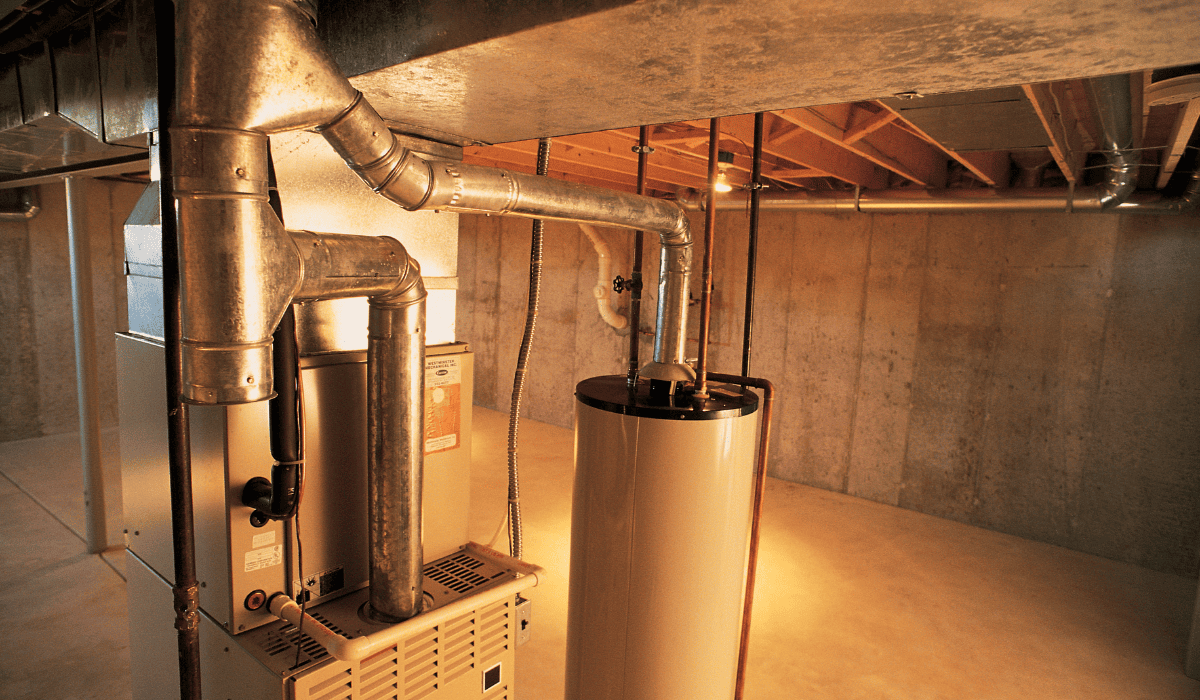
- Water heaters: Shut-off valves are typically located on the inlet pipe feeding the tank.
Turning off individual fixtures can be helpful if your main shut-off is difficult to access or if only one appliance is malfunctioning.
Step 4: Turn Off Power or Gas if Necessary
Water emergencies involving electrical appliances or gas-powered water heaters require an extra safety step:
- Electric appliances: Turn off the breaker at the electrical panel to prevent shocks.
- Gas water heaters: Shut off the gas supply to avoid potential hazards.
Safety should always be your top priority.
Water and electricity are a dangerous combination, so never attempt repairs while appliances are energized.
Step 5: Call a Professional Plumber
Once the water is off and the immediate danger is contained, it’s time to contact a professional plumber.
Trying to fix major leaks on your own can lead to further damage, especially in older homes with worn-out pipes.
Holtkamp HVAC & Plumbing offers trusted emergency plumbing services in Georgia.
Our experienced team can assess the situation, provide immediate repair, and recommend long-term solutions such as repiping for old houses if necessary.
Preventive Measures to Avoid Water Emergencies
While emergencies can happen unexpectedly, taking preventive measures can reduce the likelihood of serious issues:
- Routine inspections: Schedule regular inspections with a professional plumber, particularly if your home has older plumbing Georgia.
- Upgrade valves: Replacing old, seized, or corroded shut-off valves can make emergency water shut-offs easier and more reliable.
- Install water leak detectors: Smart leak detection systems can alert you to potential leaks before they escalate.
- Maintain water heaters: Periodically flush your water heater to remove sediment buildup that can cause leaks or popping noises.
- Repiping when needed: If your home frequently experiences plumbing problems, consulting a professional about repiping for old houses may be the safest long-term solution.
Emergency Tips for Homes Without Easily Accessible Main Valves
Some older homes may have inaccessible or outdated main shut-off valves. If this applies to your home:
- Locate your water meter: Many meters have a curb valve that can be turned off with a specialized tool.
- Upgrade your shut-off system: Consider installing a modern ball valve or smart shut-off system for faster access during emergencies.
- Consult a professional: Georgia plumbing repiping professionals can also advise on retrofitting older homes with easier-to-use emergency shut-offs.
When to Consider Professional Repiping
For homeowners who frequently deal with leaks, water discoloration, or poor water pressure, professional repiping is often the most effective long-term solution.
Repiping for old houses in Georgia not only addresses current plumbing problems but also prevents future emergencies. Benefits include:
- Reduced risk of leaks and bursts from corroded or damaged pipes.
- Improved water quality by removing old metal pipes that can introduce rust or minerals.
- Better water pressure for showers, faucets, and appliances.
- Peace of mind knowing your home is protected against major plumbing emergencies.
Holtkamp HVAC & Plumbing specializes in comprehensive Georgia plumbing repiping services for older homes, ensuring your water system is reliable, safe, and built to last.
Conclusion
Water emergencies can be stressful, but knowing how to shut off your water quickly is a critical step in preventing damage and protecting your home.
For homeowners in Georgia, particularly those with older plumbing, it’s important to:
- Familiarize yourself with your main water shut-off valve.
- Understand how to turn off individual fixtures safely.
- Contact a professional plumber for repairs or emergencies.
- Consider repiping for old houses to prevent recurring problems.
By taking these precautions, you can minimize the risk of water damage and maintain a safe, functional home.
For trusted professional plumbing services in Georgia, including older home plumbing Georgia solutions and full-scale Georgia plumbing repiping, Holtkamp HVAC & Plumbing is here to help.
With over 25 years of experience, our skilled team ensures that your plumbing system is handled with expertise, integrity, and care.
Don’t wait for a minor issue to escalate—contact Holtkamp today for expert plumbing repair near me and experience the difference of professional service done right.
FAQs
Where is the main water shut-off valve in my home?
The main water shut-off valve is typically located where the water line enters your home. In older homes in Georgia, this is often in the basement, crawl space, or utility area near the water meter. Some houses may have exterior shut-off valves at the property line. It’s important to familiarize yourself with its location in advance, especially if your home has older home plumbing Georgia systems that may be harder to operate.
How do I turn off a gate valve or ball valve?
- Gate valve: Turn the wheel clockwise until it stops. Multiple turns may be required.
- Ball valve: Turn the lever 90 degrees perpendicular to the pipe.
For older plumbing Georgia systems, valves can become stiff or corroded, so it’s important to exercise caution. If the valve is difficult to turn, contact a professional plumber to avoid damage.
Can I shut off water to just one appliance?
Yes. Most sinks, toilets, and water heaters have individual shut-off valves nearby. Turning off a single fixture can stop localized leaks without affecting your entire home. However, if multiple leaks occur, it’s safer to use the main water shut-off valve.
What should I do if water is near electrical appliances?
Safety is critical. Turn off the electrical breaker powering affected areas to prevent electric shocks. For gas-powered water heaters, turn off the gas supply. Always prioritize safety before attempting repairs.
How do I know if my older home needs repiping?
Signs include frequent leaks, discolored water, low water pressure, noisy pipes, or visible corrosion. Homes with older home plumbing Georgia systems often experience these issues. Consulting a professional for Georgia plumbing repiping ensures long-term reliability and prevents emergency water damage.