


Understanding how HVAC systems work helps homeowners improve comfort, manage energy costs, and make informed decisions about maintenance and repairs.
Many people rely on their heating and cooling system daily without fully understanding how it works or when professional repairs are truly needed.
Knowing the basics of HVAC operation, common problems, and warning signs allows you to prevent costly breakdowns and extend the life of your equipment.
This guide breaks down HVAC meaning, how systems function, the role of heating and cooling components, maintenance best practices, and how to recognize when repairs or replacement are necessary.
What Does HVAC Mean?
HVAC stands for Heating, Ventilation, and Air Conditioning.
These systems work together to regulate indoor temperature, manage airflow, and maintain comfortable humidity levels inside homes and commercial buildings.
Understanding HVAC meaning goes beyond knowing the acronym.
Each part plays a specific role in keeping indoor environments comfortable, safe, and energy efficient throughout the year.
Heating provides warmth during colder months, cooling removes excess heat and humidity during warmer seasons, and ventilation ensures fresh air circulation while removing pollutants.
When these elements work properly, indoor comfort remains consistent regardless of outdoor conditions.
How HVAC Systems Work Together
An HVAC system is designed to operate as a unified network rather than separate pieces of equipment. Each component depends on the others to function efficiently.
Heating Systems Explained
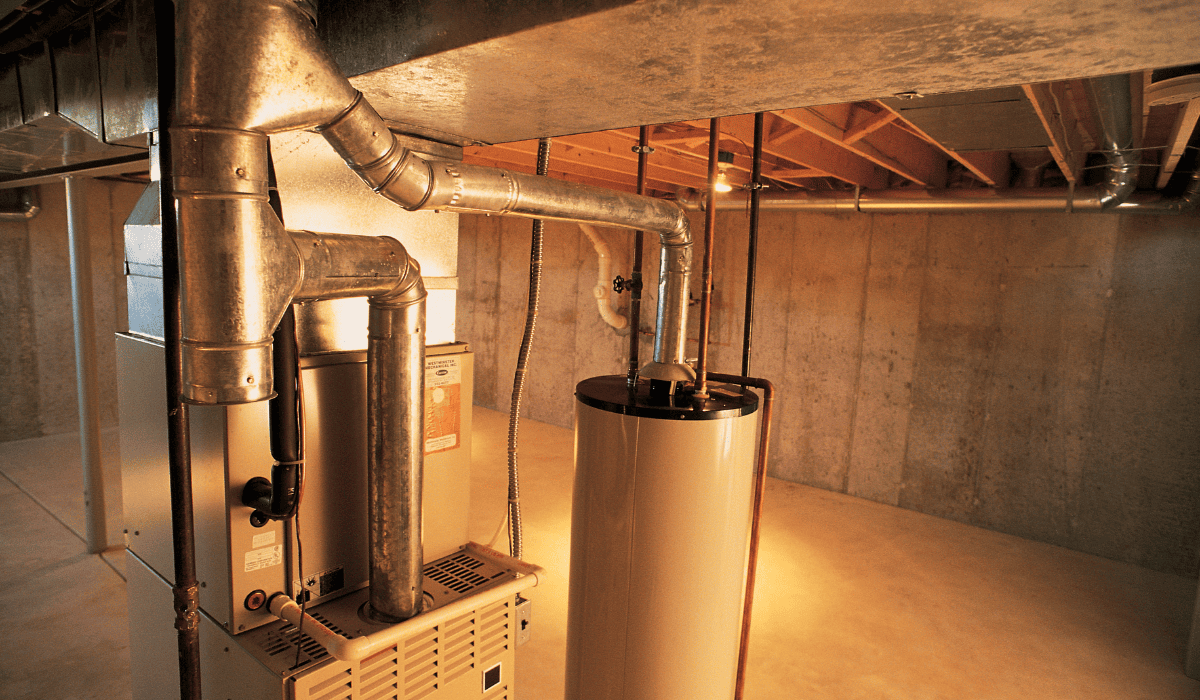
Heating systems generate and distribute warmth throughout a building. Common heating options include furnaces, boilers, and heat pumps.
Furnaces use fuel or electricity to produce heat, which is then circulated through ductwork.
Boilers heat water or steam and distribute warmth through radiators or floor systems.
Heat pumps provide both heating and cooling by transferring heat rather than generating it, making them one of the most energy-efficient HVAC options for modern homes.
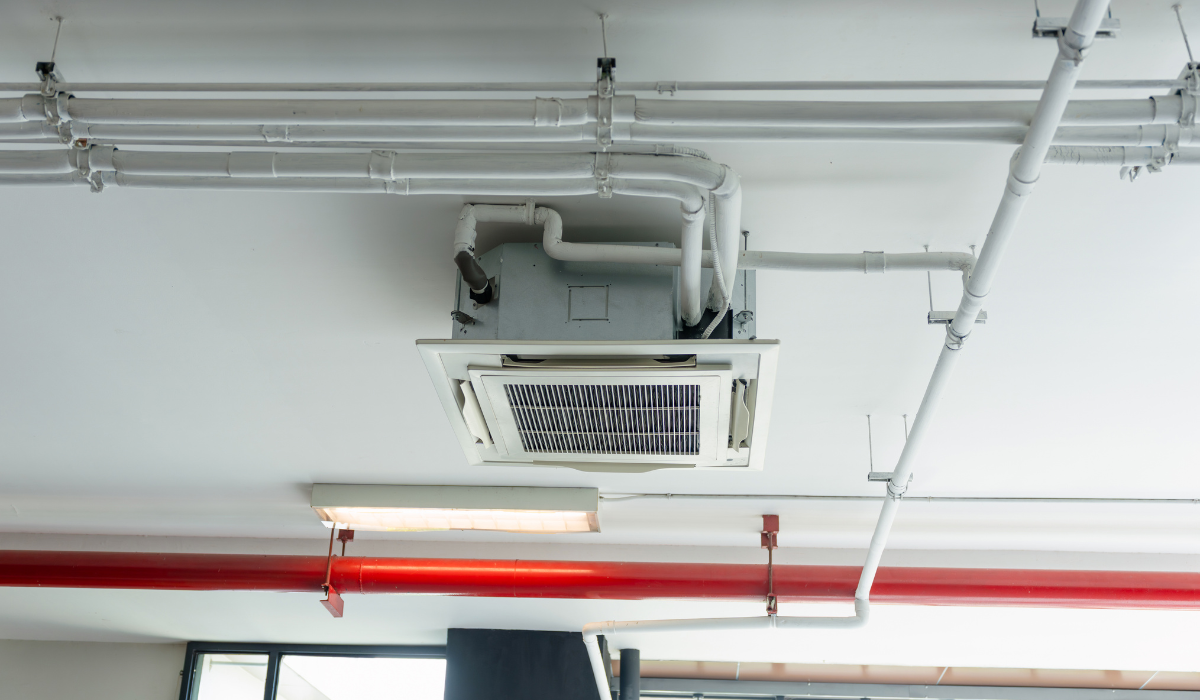
They move heat instead of producing it; heat pumps can significantly reduce energy consumption when properly installed and maintained.
The efficiency of heating and cooling systems depends on proper sizing, installation quality, and regular maintenance.
Cooling Systems and Temperature Control
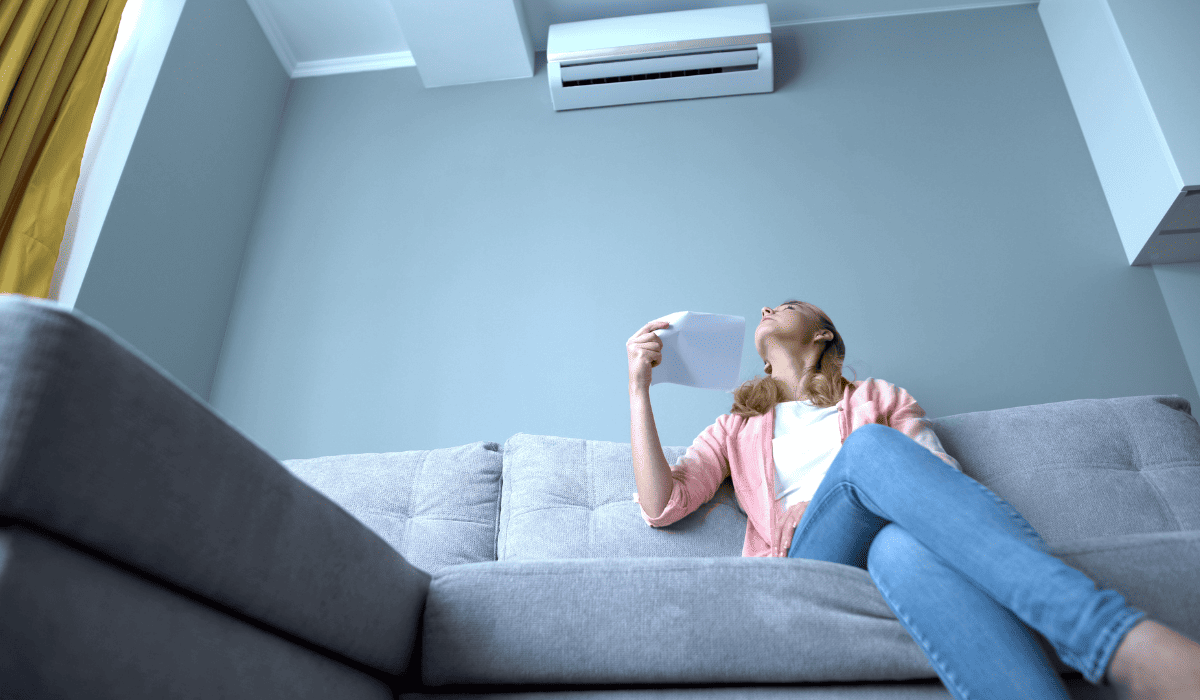
Cooling systems remove heat from indoor spaces using refrigerant and airflow.
Air conditioners and heat pumps absorb heat from inside air and release it outdoors.
This process also reduces humidity, which plays a major role in comfort.
When cooling performance declines, indoor temperatures may fluctuate, and energy usage can increase significantly.
Ventilation and Air Quality
Ventilation is often overlooked but is critical to HVAC performance. It controls airflow, removes stale air, and brings in fresh outdoor air.
Proper ventilation supports healthy indoor air quality and prevents moisture buildup that can lead to mold or odors.
Filters, ducts, and vents must remain clean and unobstructed to allow efficient airflow throughout the system.
Key HVAC Components You Should Know
Understanding HVAC components helps homeowners recognize early signs of trouble and communicate more effectively with service professionals.
Thermostats and Controls
Thermostats regulate system operation by signaling when heating or cooling is needed.
Modern programmable and smart thermostats improve energy efficiency by adjusting temperatures based on schedules and occupancy patterns.
Ductwork and Air Distribution
Ducts carry heated or cooled air throughout a building.
Leaks, poor insulation, or blockages can reduce airflow and force the system to work harder, increasing energy costs.
Compressors, Coils, and Blowers
The compressor pressurizes refrigerant for cooling, coils transfer heat, and blowers circulate air.
Any malfunction in these components can disrupt system balance and reduce overall performance.
Systems for Heating and Cooling Throughout the Seasons
HVAC systems operate differently depending on seasonal demand.
Heating components work hardest during winter, while cooling systems are under greater strain in summer.
Transitional seasons still require ventilation and airflow management.
Seasonal changes make regular inspections important. Systems that are not prepared for peak demand often fail when they are needed most.
Typical HVAC Issues That Homeowners Face
Even well-installed systems can develop issues over time. Recognizing HVAC problems early can prevent emergency repairs and expensive replacements.
Warning Signs You May Need HVAC Repair
Some signs you need HVAC repair include inconsistent temperatures, reduced airflow, unusual noises, unpleasant odors, or unexplained increases in utility bills.
Many of these warning signs often appear before an emergency, which is why reviewing key HVAC installation and maintenance checks can help prevent sudden breakdowns.
Short cycling, where the system turns on and off frequently, can also indicate underlying issues. Ignoring these symptoms can cause minor problems to escalate into major system failures.
Frequent HVAC Issues
Common HVAC problems include clogged air filters, refrigerant leaks, faulty thermostats, worn belts, and electrical issues.
Dirt buildup and neglected maintenance often contribute to premature wear and reduced efficiency.
Routine care helps catch these issues before they affect system reliability.
HVAC Maintenance and Why It Matters
HVAC maintenance is one of the most effective ways to protect your investment.
Regular service improves efficiency, reduces breakdowns, and supports consistent comfort.
Benefits of Preventive Maintenance
Maintenance allows technicians to inspect, clean, and adjust components before problems worsen.
Systems that receive routine care typically last longer and perform more reliably than neglected systems.
Seasonal HVAC Maintenance Tips
Homeowners should schedule professional inspections before peak heating and cooling seasons.
Changing filters regularly, clearing debris around outdoor units, and monitoring thermostat settings also support better performance.
Professional maintenance addresses areas that homeowners cannot safely access or diagnose on their own.
Repair or Replace: Making the Right Decision
Knowing when to repair versus replace an HVAC system can be challenging. Several factors help guide this decision.
Age and Efficiency Considerations
Most systems last between 10 and 15 years. Older units tend to lose efficiency and require more frequent repairs. Newer systems often deliver better energy savings and comfort control.
Cost of Repairs Over Time
If repair costs continue to rise or major components fail repeatedly, replacement may be the more cost-effective option.
Investing in energy-efficient HVAC equipment can lower long-term operating costs.
Performance and Comfort Issues
Systems that struggle to maintain consistent temperatures or humidity levels may no longer meet household needs. Replacement can restore comfort and reliability.
Energy Efficiency and Modern HVAC Technology
Energy-efficient HVAC systems help reduce utility costs while supporting environmental responsibility.
Efficiency ratings measure how effectively systems convert energy into heating or cooling. High-efficiency systems often qualify for rebates or incentives, depending on location.
Smart thermostats, zoning systems, and advanced controls allow homeowners to customize comfort while reducing energy waste.
These technologies also provide insights into system performance and usage patterns.
Understanding HVAC Coverage and Protection
Many homeowners are unsure what type of coverage applies to HVAC repairs.
Home insurance may cover damage caused by unexpected events, while warranties or home protection plans often address wear and mechanical failure. Understanding the difference helps homeowners plan for repair costs and avoid surprises.
Choosing the right protection depends on system age, usage, and budget.
Conclusion
Understanding how HVAC systems operate empowers homeowners to maintain comfort, control energy costs, and avoid unnecessary repairs.
By learning HVAC systems, recognizing early warning signs, and investing in regular maintenance, you can extend system lifespan and improve efficiency.
Proactive care reduces stress, prevents breakdowns, and ensures your heating and cooling systems perform reliably throughout the year.
You need to know that expert maintenance and timely repairs can protect your comfort, improve efficiency, and prevent costly emergencies.
Professional installation and service are essential for HVAC performance. Licensed technicians have the training to diagnose issues accurately and ensure safe operation.
When working with a provider, you can count on their experience, certifications, transparent pricing, and maintenance plans that support long-term system health.
If your system shows signs of trouble or has not been serviced recently, schedule a professional HVAC inspection today.
Frequently Asked Questions
What does HVAC stand for?
HVAC stands for Heating, Ventilation, and Air Conditioning. It refers to systems that control indoor temperature, airflow, and humidity. These systems work together to keep homes comfortable year-round. Proper HVAC operation also supports indoor air quality.
How does an HVAC system work?
An HVAC system heats or cools air and distributes it through ducts or vents. Heating components warm the space, while cooling components remove heat and moisture. Ventilation manages airflow and removes stale indoor air.
How often should HVAC systems be serviced?
Most HVAC systems should be professionally serviced at least once a year. Ideally, heating systems are checked before winter and cooling systems before summer. Regular maintenance helps prevent breakdowns and improves efficiency.
What are common signs that HVAC repair is needed?
Uneven temperatures, weak airflow, unusual noises, or frequent system cycling can signal problems. Rising energy bills without increased usage are another warning sign. Addressing issues early helps avoid costly repairs.
How long do HVAC systems usually last?
The average HVAC system lasts between 10 and 15 years with proper maintenance. Lifespan depends on usage, climate conditions, and service history. Systems that receive regular care tend to last longer and perform better.
Is HVAC maintenance really necessary?
Yes, regular HVAC maintenance keeps the system running efficiently and safely. It helps identify small issues before they become major failures. Maintenance also supports consistent comfort and lower energy costs.
When should I replace instead of repair my HVAC system?
Replacement may be a better option if the system is old, inefficient, or requires frequent repairs. If repair costs continue to rise, a new system can offer better reliability and energy savings.
Can HVAC systems affect indoor air quality?
HVAC systems play a major role in indoor air quality by filtering air and managing humidity. Dirty filters or poor ventilation can allow dust, allergens, and moisture to build up. Proper maintenance helps keep indoor air cleaner.
How can I improve HVAC energy efficiency?
Changing air filters regularly, sealing duct leaks, and using programmable thermostats can improve efficiency. Professional tune-ups also help systems run smoothly and reduce unnecessary energy use.