


As winter approaches, ensuring optimal winter heating system performance is essential to keeping your home warm and energy-efficient.
With fluctuating temperatures and the need for consistent comfort, it’s important to not only have a well-maintained heating system but also optimize its efficiency to lower your energy bills.
This blog will guide you through helpful tips to enhance the performance of your heating system during winter, provide actionable steps for energy efficiency, and help you identify and resolve common heating issues.
What Affects Winter Heating System Performance?
Several factors impact how well your heating system performs in winter.
Heating system maintenance in winter, insulation, the system’s age, and overall home design can influence its efficiency.
For instance, a properly insulated home will retain more heat, allowing your heater to work less hard to maintain the desired temperature.
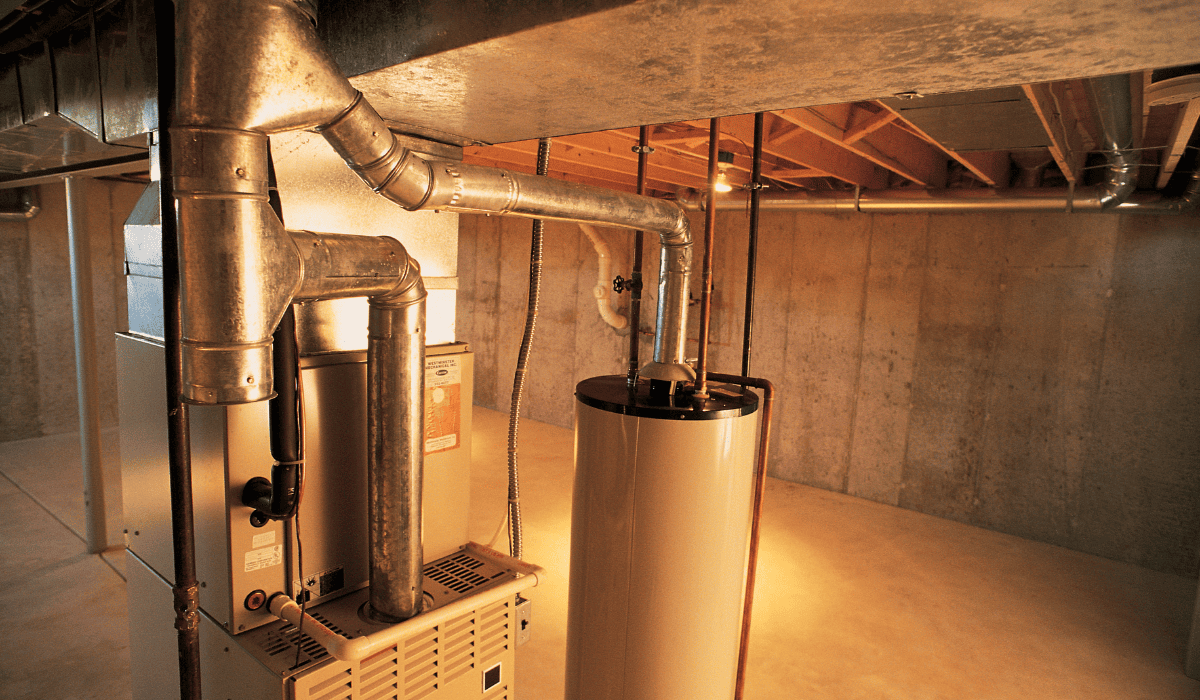
Additionally, the type of heating system you have furnace, heat pump, etc. and the way your home is laid out can either improve or hinder heating distribution.
Signs Your Heating System Might Be Underperforming
There are a few key indicators that your heating system isn’t performing at its best:
- Inconsistent temperatures across rooms or cold spots.
- Unusually high heating bills despite normal use.
- Strange noises, odors, or airflow issues.
- Frequent cycling on and off without reaching the desired temperature.
Identifying these early signs can help you address potential problems before they turn into costly repairs.
Regular winter heating system repairs or professional assessments can keep your system running efficiently.
Energy Efficiency for Winter Heating
Proper Insulation for Maximum Efficiency
Effective insulation plays a crucial role in optimizing your winter heating system performance.
Insulating your home’s walls, attic, and floors prevents heat from escaping, making sure your heating system doesn’t have to overwork.
Proper insulation helps maintain the temperature inside, ensuring that your heater only runs when necessary.
Additionally, sealing gaps around windows, doors, and ducts significantly boosts efficiency, minimizing heat loss. These actions will aid in winter heating cost reduction.
Optimizing Thermostat Settings for Energy Savings
Managing thermostat settings is an essential part of maintaining heating system efficiency during winter.
A programmable thermostat helps reduce energy usage by allowing you to set the temperature lower when you’re away or asleep, reducing the system’s workload.
The optimal indoor temperature for both comfort and energy savings is 68°F when you’re awake and at home, lowering it during off-hours.
Smart thermostats take this further, offering remote temperature adjustments and the ability to schedule settings that align with your daily routine, ensuring your system runs efficiently without unnecessary energy consumption.
These actions contribute to winter heating performance optimization.
Using Zoned Heating to Save Energy
Zoning your heating system ensures energy efficiency by allowing you to control the temperature in specific areas of your home.
For larger homes or spaces that aren’t consistently in use, this approach minimizes energy waste by heating only the rooms where you need it.
With zoned heating, you ensure maximum comfort in the spaces you use most while reducing unnecessary heating costs in unoccupied areas. This is a key part of how to save on heating costs.
Heating System Maintenance for the Winter
The Importance of Regular Heating System Maintenance
Annual maintenance is essential for heating system maintenance in winter.
A professional technician can clean the system, replace filters, and check for potential issues like worn-out components or leaks.
This not only helps improve efficiency but also reduces the risk of system breakdowns.
How to Maintain Your Heating System During Winter
Changing Filters Regularly
Dirty air filters can reduce airflow and make your heating system work harder. Replace filters every 1-3 months during the winter season.
Inspecting Ductwork for Leaks
Leaky ducts can lead to heat loss and decreased efficiency. Make sure your ducts are properly sealed and insulated.
Clear the Area Around the Heater
Ensure there are no obstructions blocking airflow around your heater. Clean any dust and debris from vents or registers to improve efficiency.
Preventive Heating System Maintenance
Routine checks can catch minor issues before they escalate. For example, checking the system’s pilot light or thermostat calibration can ensure the heater operates as intended.
Schedule a professional inspection to ensure your system is ready for the winter season. This proactive approach is essential for preventative heating system maintenance.
Winter Heating System Troubleshooting
Identifying Common Heating System Problems
If your heating system isn’t working as it should, here are some common issues:
Blowing Cold Air
If your heater blows cold air, it could be due to a clogged filter, malfunctioning thermostat, or an issue with the ignition.
Short Cycling
If your heater is constantly turning off and on, it may be due to a dirty filter, a malfunctioning thermostat, or an overworked system.
Uneven Heating
Inconsistent temperatures across rooms often point to ductwork issues, an imbalanced system, or a need for regular maintenance.
When to Call for Professional Heating System Repair
When your heating system isn’t performing as expected, it’s important to understand when to take matters into your own hands and when to seek professional help.
Troubleshooting minor issues like changing air filters or checking thermostat settings can often resolve small problems, but some heating system issues require a more thorough inspection and repair from a licensed technician.
If you’ve already tried basic troubleshooting methods and your system is still malfunctioning, it may be time to call in a professional technician. Professional repairs should be considered when:
- You notice unusual noises or smells coming from the unit, such as banging, rattling, or the smell of gas.
- Your heater is blowing cold air or not providing adequate heat.
- The system is short cycling, turning on and off frequently without reaching the desired temperature.
- There is a significant increase in your heating bills without any change in usage.
Complex Issues That Require Professional Attention
Certain repairs go beyond simple troubleshooting and require the expertise of a qualified technician.
Heating system repairs involving gas lines, electrical work, or complex internal components should always be handled by licensed experts.
For instance, if your system is experiencing issues with gas ignition, gas leaks, or electrical connections, attempting a DIY fix can be dangerous and lead to more extensive damage or safety hazards.
In these cases, it’s essential to hire a professional to:
- Inspect the gas line and ignition system to ensure there are no leaks or faulty connections.
- Test the electrical components, such as the circuit board, wiring, and thermostat connections.
- Repair the internal components of the heating system, including blower motors, fans, or the heat exchanger.
When Professional Help is Necessary for Safety
Some heating systems involve gas-powered or electrical systems, which can present significant risks if not handled properly.
Gas leaks or electrical malfunctions can be hazardous to your health and safety.
If you suspect that there’s a problem with either of these systems, it’s vital to call a professional as soon as possible.
Signs that your heating system may need professional repair due to safety concerns include:
- A noticeable gas smell in or around the heater.
- Tripped circuit breakers or blown fuses that keep recurring.
- Burning smells or overheating systems.
- Carbon monoxide detectors going off near the heating system.
What to Expect from a Professional Heating System Inspection
A professional technician will thoroughly assess your system to pinpoint the root cause of the issue.
The technician will conduct various tests, including checking the unit’s components, reviewing the airflow, measuring temperatures, and inspecting gas and electrical connections.
Once they identify the problem, they’ll discuss the best course of action, including potential repairs or parts replacements.
By calling in an expert, you’re ensuring that the repair is handled quickly, safely, and correctly.
Hiring a professional for heating system repairs can save you time, effort, and money by addressing problems before they lead to costly breakdowns or system replacements.
Additionally, a trained technician can often enhance the efficiency of your system through fine-tuning, ensuring that it operates at its best for the rest of the winter season.
If you’re experiencing heating system issues that seem beyond your control or troubleshooting skills, don’t hesitate to call an expert at Holtkamp HVAC & Plumbing.
Regular maintenance and timely repairs help prevent costly damage and keep your home warm, safe, and energy-efficient.
How to Lower Your Heating Bills in Winter
By improving your home’s energy efficiency, you can lower your heating costs.
Sealing drafts, using insulated curtains, and ensuring your system is well-maintained can reduce the workload of your heater and ultimately lower your energy bills.
Using Space Heaters and Fireplaces
In rooms where you spend most of your time, consider using space heaters or a fireplace to supplement your central heating system.
This can help you save on heating costs by reducing the need to heat unused areas.
Switching to Energy-Efficient Heating Options
Consider upgrading your heating system to an energy-efficient model, such as a high-efficiency furnace or heat pump.
These systems consume less energy, helping you save on heating costs in the long run.
Conclusion
In summary, winter heating system performance can be significantly improved with a combination of proper maintenance, energy-efficient practices, and timely troubleshooting.
Ensuring your heating system is regularly inspected and maintained not only extends its lifespan but also helps avoid unexpected breakdowns during the coldest months.
By optimizing thermostat settings, enhancing insulation, and implementing strategies like zoning, you can make your heating system work more efficiently, ultimately reducing your energy consumption and costs.
It’s also important to be proactive about identifying issues early.
Whether it’s unusual noises, inconsistent heating, or rising energy bills, addressing these signs quickly can prevent small problems from turning into costly repairs.
Regularly cleaning filters, inspecting ducts, and scheduling annual professional check-ups are key to ensuring that your system is ready for the winter season.
With a well-maintained heating system and a focus on energy-saving practices, you’ll not only keep your home warm and comfortable throughout the winter, but you’ll also enjoy lower energy bills and a more sustainable approach to heating.
Make sure to invest in regular care for your heating system to achieve reliable performance, improved efficiency, and long-term savings.
Optimize Your Winter Heating System for Comfort and Savings
By investing in regular system checks, optimizing thermostat settings, and ensuring your home is properly insulated, you can enjoy consistent warmth and lower energy bills throughout the winter months.
At Holtkamp HVAC & Plumbing, we concentrate on enhancing heating system performance with expert advice, regular maintenance, and efficient repairs.
For more information, talk to us today. Our licensed professionals are ready to assist with immediate repairs, routine check-ups, or advice on optimizing your system.
We’ll provide a thorough inspection and offer tailored recommendations to keep your heating system running safely and efficiently.
Don’t let minor issues escalate, reach out now for our repair services. Let us ensure your home remains warm and comfortable all season long!
Frequently Asked Questions
How can I improve the energy efficiency of my heating system in winter?
Improving energy efficiency starts with ensuring your home is well-insulated and minimizing drafts around windows and doors. Regular maintenance, such as replacing air filters and scheduling annual check-ups, also helps maintain your system’s efficiency. Additionally, using a programmable thermostat and zoning your heating can reduce energy consumption.
What is the ideal temperature to set my thermostat during winter?
A recommended thermostat setting for optimal comfort and energy savings is 68°F during the day when you’re at home and awake. Lower the temperature by a few degrees while you’re asleep or away to reduce energy usage without sacrificing comfort.
How often should I maintain my heating system during winter?
It’s essential to schedule annual maintenance before the start of winter. This helps ensure that your heating system is running efficiently and can prevent costly breakdowns. Regular inspections, filter changes, and cleaning will keep your system in top shape throughout the season.
Why is my heating system not blowing warm air?
If your heating system isn’t blowing warm air, it could be due to a clogged air filter, a malfunctioning thermostat, or an issue with the ignition system. Check the filter and thermostat settings first, and if the problem persists, call a professional to inspect the system.
What are the signs my heating system needs repairs?
Signs that your heating system needs repairs include inconsistent heating throughout your home, strange noises, higher-than-usual energy bills, and short cycling (frequent turning on and off). If you notice these issues, it’s a good idea to schedule a professional inspection.
Can I use space heaters to reduce my heating costs?
Using space heaters can be a cost-effective way to heat only the rooms you use most. However, they should be used carefully and not as a replacement for your primary heating system. Ensure they are used safely, and only in well-ventilated rooms to avoid potential hazards.
How can I avoid a sudden heating system breakdown during winter?
To avoid a sudden breakdown, ensure your system is well-maintained. This includes replacing air filters, checking for leaks in the ducts, and scheduling annual professional maintenance. Regularly testing the system before winter can help you catch any potential issues early.