


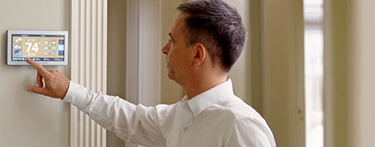
If your heat pump is not heating your home properly, the problem may be as simple as an incorrect thermostat setting or a dirty air filter.
Other issues, such as refrigerant leaks or failed electrical components, may require professional repair.
Before troubleshooting, keep in mind that a heat pump does not produce the same intense heat as a furnace.
Air from the vents may feel moderately warm rather than hot, even when the system is working correctly.
The better way to determine whether your heat pump is operating properly is to check whether the indoor temperature gradually rises and reaches the thermostat setting.
The most common problems include thermostat issues, restricted airflow, a blocked or frozen outdoor unit, low refrigerant, a faulty reversing valve, and electrical or mechanical failures.
6 Reasons Your Heat Pump Is Not Heating Properly
Several parts of the system must work together to move heat into your home.
The following six problems are among the most common reasons heating performance declines.
1. The Thermostat Is Set Incorrectly or Not Working
Start with the thermostat. Someone may have changed the mode, temperature, or fan setting without realizing it.
Confirm that the thermostat is set to “Heat” and that the selected temperature is higher than the current room temperature.
Set the fan to “Auto.” When the fan is left “On,” it continues circulating air even when the heat pump is between heating cycles. That unheated air may feel cold.
If the screen is blank, replace the batteries if the model uses them. A blank display could also mean the thermostat has lost power.
Location can affect temperature readings as well. A thermostat near direct sunlight, a drafty doorway, or a heat-producing appliance may not sense the room accurately. It could stop the heating cycle too early or fail to start it when expected.
Allow the system a few minutes to respond after changing the settings. If the thermostat remains blank, displays an error, or does not control the heat pump, a technician should inspect the thermostat and its wiring.
2. A Dirty Filter Is Restricting Airflow
A clogged filter limits how much air can pass through the indoor equipment. The heat pump may still run, but less heated air reaches the rooms.
Other airflow restrictions can create similar symptoms. Closed supply vents, blocked return grilles, dirty indoor coils, or a blower problem may leave some or all of the home uncomfortable.
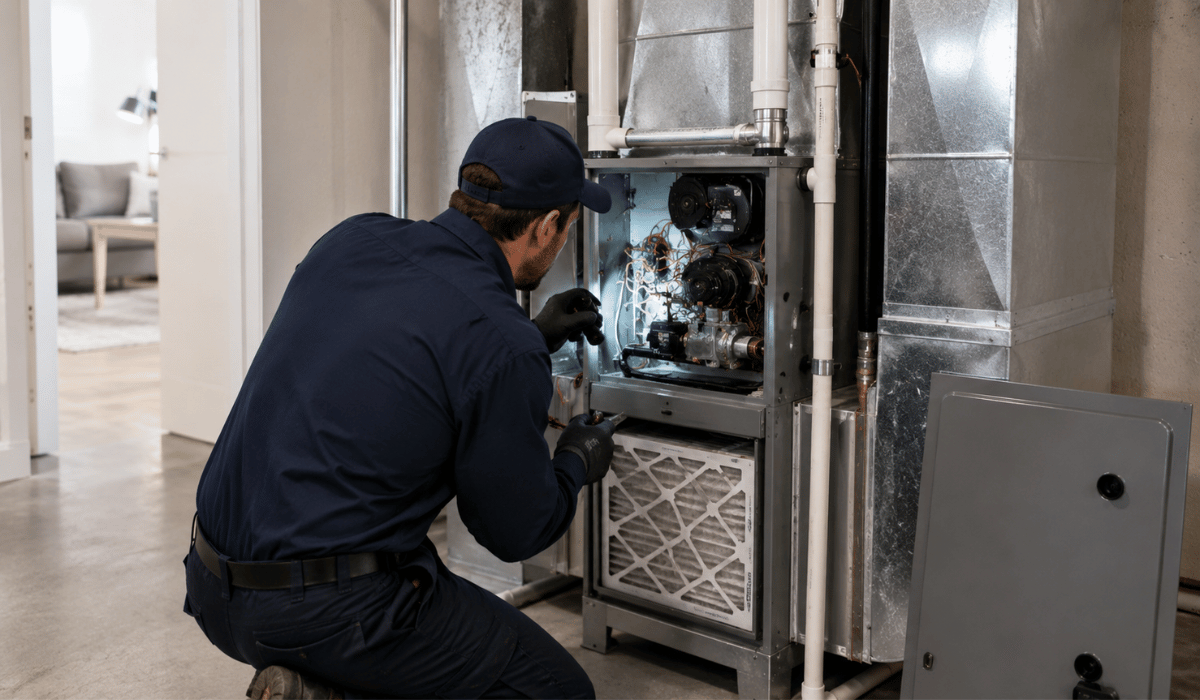
Remove the filter and inspect its condition. Replace a disposable filter if it is visibly dirty. Clean a reusable filter according to the equipment instructions, then allow it to dry completely before reinstalling it.
Walk through the home and make sure the supply vents are open. Move furniture, rugs, and curtains away from return grilles. Closing vents in unused rooms may seem like a way to save energy, but it can interfere with the airflow the system was designed to handle.
If airflow remains weak after these checks, the problem may involve the blower, indoor coil, or ductwork. Contact a technician who provides professional HVAC services.
3. The Outdoor Unit Is Blocked or Covered in Ice
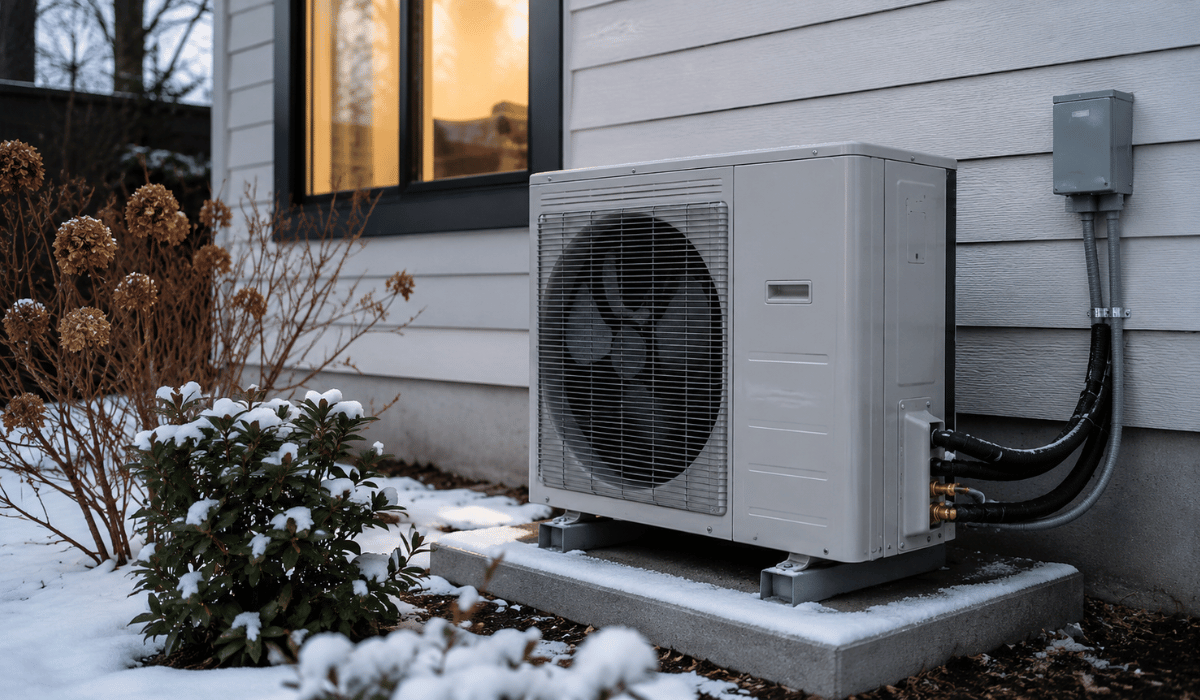
The outdoor unit needs open airflow to collect heat from the outside air. Leaves, snow, overgrown plants, and other debris can interfere with that process.
Turn the system off before removing loose debris from around the cabinet. Do not reach through the grille or open an equipment panel. Leave enough open space around the unit for air to move freely.
A small amount of frost on the coil can be normal during cold weather. The heat pump should periodically enter defrost mode and melt it. Steam rising from the unit during defrost may also be normal.
A thick layer of ice that remains in place is different. It may indicate a faulty defrost sensor, control problem, fan malfunction, restricted airflow, or refrigerant issue. Do not chip away the ice with a tool or pour boiling water over the equipment because either action could damage the coil.
If the ice does not clear or returns quickly, turn the system off and arrange an inspection.
4. The System Is Low on Refrigerant
Refrigerant absorbs and releases heat as it circulates between the indoor and outdoor equipment.
When the system does not have the correct refrigerant charge, it may struggle to warm the home.
Refrigerants are not consumed like fuel. If the level is low, the system may have a leak, an incorrect initial charge, or a problem related to earlier service.
Possible signs include weak heating, longer operating cycles, ice on the coil or refrigerant lines, and hissing or bubbling sounds. These symptoms do not prove that a leak is present because airflow and defrost problems can look similar.
Adding refrigerant without finding the cause is not a complete repair. A trained HVAC technician needs to inspect the system, locate the problem, repair it when possible, and charge the equipment according to its requirements.
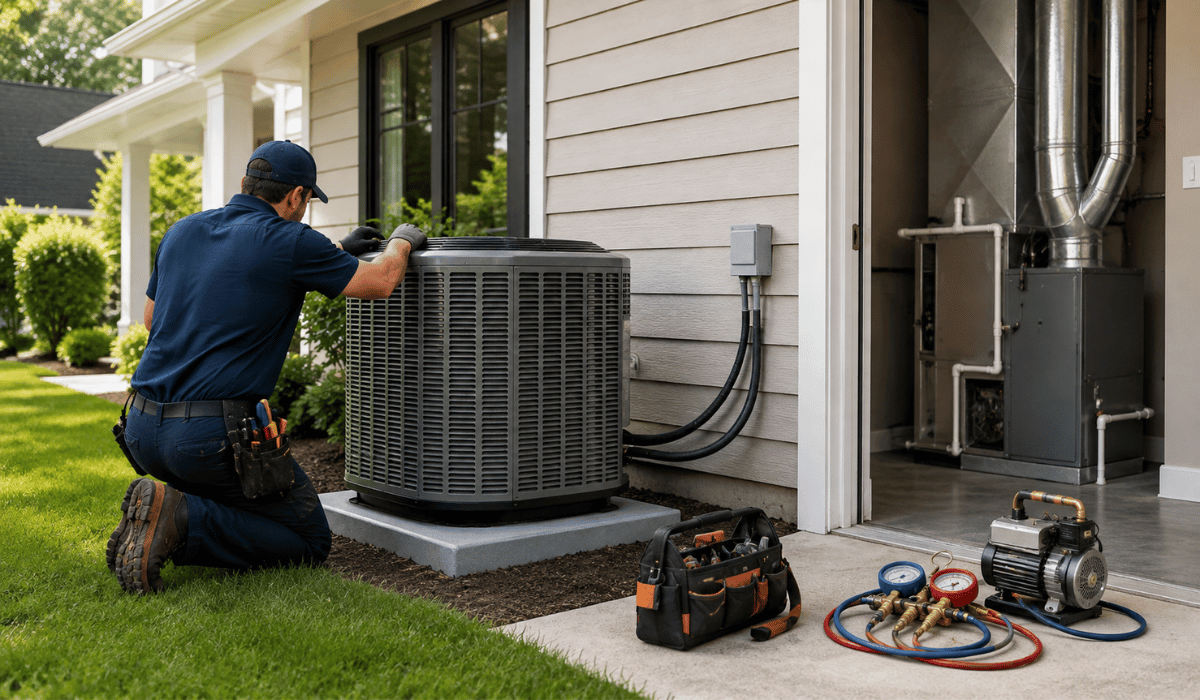
Do not handle refrigerant lines or attempt to recharge the heat pump yourself. Refrigerant work requires appropriate tools, training, and safety procedures.
5. The Reversing Valve Is Stuck or Damaged
A reversing valve allows the heat pump to switch between cooling and heating. It changes the direction of refrigerant flow depending on the thermostat setting.
A valve problem may be suspected when the system cooled normally during summer but cannot produce heat after being switched to heating mode. The equipment may continue running while supplying cold air.
A faulty thermostat or control signal can sometimes create a similar problem, so the valve should not be replaced based on symptoms alone.
The technician may need to check the thermostat signal, valve coil, refrigerant pressures, and system operation.
The reversing valve is located within the refrigerant circuit. Diagnosing or replacing it is not a homeowner repair. Contact an HVAC professional if changing the thermostat to “Heat” does not change the system’s operation.
6. An Electrical or Mechanical Part Has Failed
A heat pump relies on several electrical and mechanical components. A failed capacitor, contactor, fan motor, control board, compressor, or auxiliary heating component can interrupt heating.
First, check whether the thermostat has power. You may also inspect the electrical panel for a tripped breaker. Heat-pump systems can have separate breakers for the indoor and outdoor units, so review the panel labels carefully.
A breaker can be reset once if there are no signs of damage. If it trips again, leave it off and contact a technician. Repeatedly resetting it could allow an electrical problem to worsen.
Listen for unusual sounds. Grinding may point to a motor or bearing problem, while persistent buzzing can indicate an electrical issue. Banging, screeching, or rattling that suddenly becomes loud also deserves attention.
Turn the heat pump off if you notice smoke, sparks, a burning odor, or repeated breaker trips. Do not open electrical panels or touch internal wiring.
When Should You Call for Heat Pump Repair?
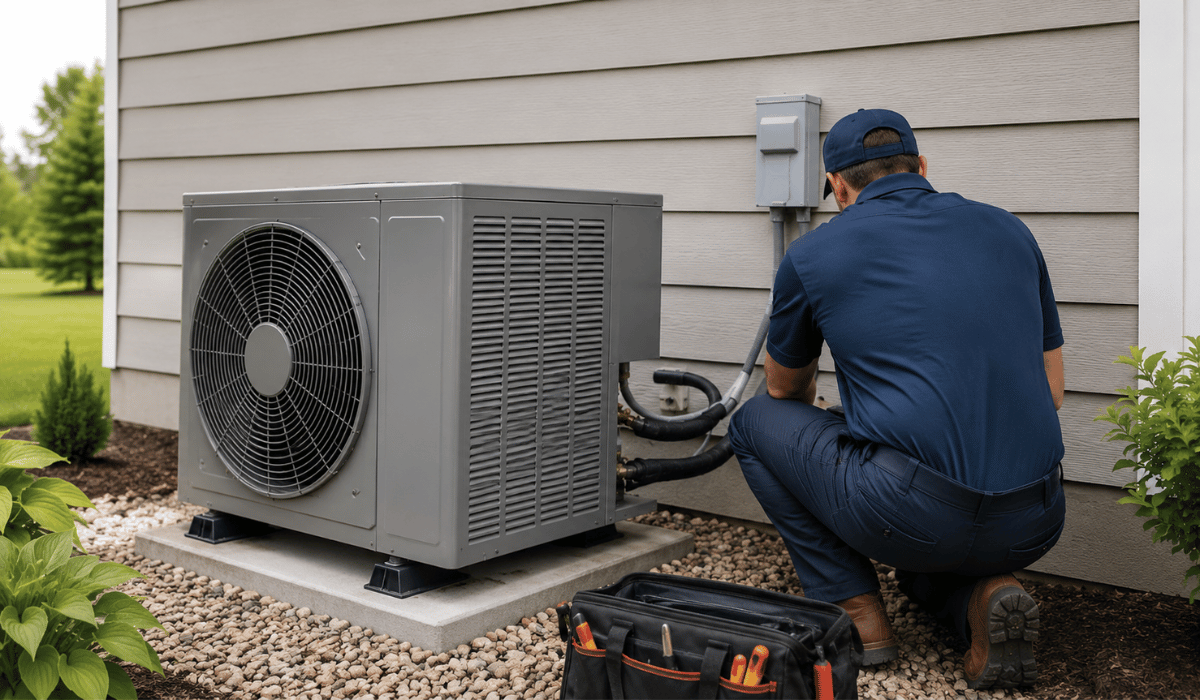
Arrange professional service when the home continues getting colder after you check the thermostat, filter, vents, and outdoor unit.
You should also call if the breaker repeatedly trips, the outdoor coil remains heavily iced, or either the indoor blower or outdoor fan does not operate.
Heating that works only in emergency mode may indicate a problem with the heat-pump portion of the system.
Refrigerant leaks, reversing-valve faults, defrost-control failures, and electrical problems require specialized testing. Trying to diagnose these issues without the proper equipment can damage the system or create a safety risk.
If your household is losing heat during severe weather, make safe temporary heating arrangements while waiting for service. Never use an oven, outdoor heater, grill, or other unvented combustion equipment to warm the home.
Can Maintenance Reduce Heating Problems?
Routine maintenance cannot prevent every breakdown, but it can uncover wear, loose connections, airflow restrictions, and other developing problems.
During a heat-pump inspection, a technician may check the thermostat, electrical components, refrigerant performance, coils, blower, outdoor fan, defrost controls, condensate drain, and auxiliary heat. The system can then be tested in the appropriate operating mode.
Homeowners can help by inspecting the filter regularly and keeping the outdoor unit clear of leaves and vegetation.
Filter replacement timing depends on the filter type, system use, pets, dust, and other household conditions, so follow the manufacturer’s guidance rather than relying on one schedule for every home.
Restore Heat Before the Problem Gets Worse
Some heating problems begin with a thermostat setting or dirty filter. If those basic checks do not help, continuing to run a malfunctioning heat pump may place more strain on the equipment.
Have the system inspected if it cannot maintain the selected temperature, stays frozen, or produces unusual sounds or odors. A technician can identify the cause and explain whether heat pumps need an adjustment, cleaning, or repair.
Frequently Asked Questions
Why Is My Heat Pump Running but Not Warming the House?
The system may have incorrect thermostat settings, restricted airflow, outdoor-unit blockage, low refrigerant, a reversing-valve problem, or a failed component. Begin by checking the thermostat, filter, vents, and outdoor unit.
Is It Normal for a Heat Pump to Blow Lukewarm Air?
Yes, heat pumps usually deliver air that feels less hot than furnace air. If the indoor temperature rises and reaches the thermostat setting, the system may be working normally.
Why Does My Heat Pump Blow Cold Air During Defrost?
During defrost mode, the system temporarily redirects heat to the outdoor coil to melt frost. Cooler indoor air may be noticeable for a short period. Persistent cold air or heavy ice requires inspection.
Can a Dirty Filter Stop a Heat Pump From Heating?
A severely clogged filter can restrict airflow and reduce heating performance. Replace or clean the filter, open the vents, and check whether airflow improves. Call a technician if it remains weak.
Should I Use Emergency Heat When the Heat Pump Stops Working?
Emergency heat can provide temporary warmth when the heat-pump portion of the system is unavailable. It may use considerably more electricity, so arrange service instead of relying on it as a long-term solution.
When Should I Turn Off My Heat Pump?
Turn it off if you notice smoke, sparks, burning odors, loud mechanical noises, repeated breaker trips, or severe ice buildup. Have the system inspected before restarting it.