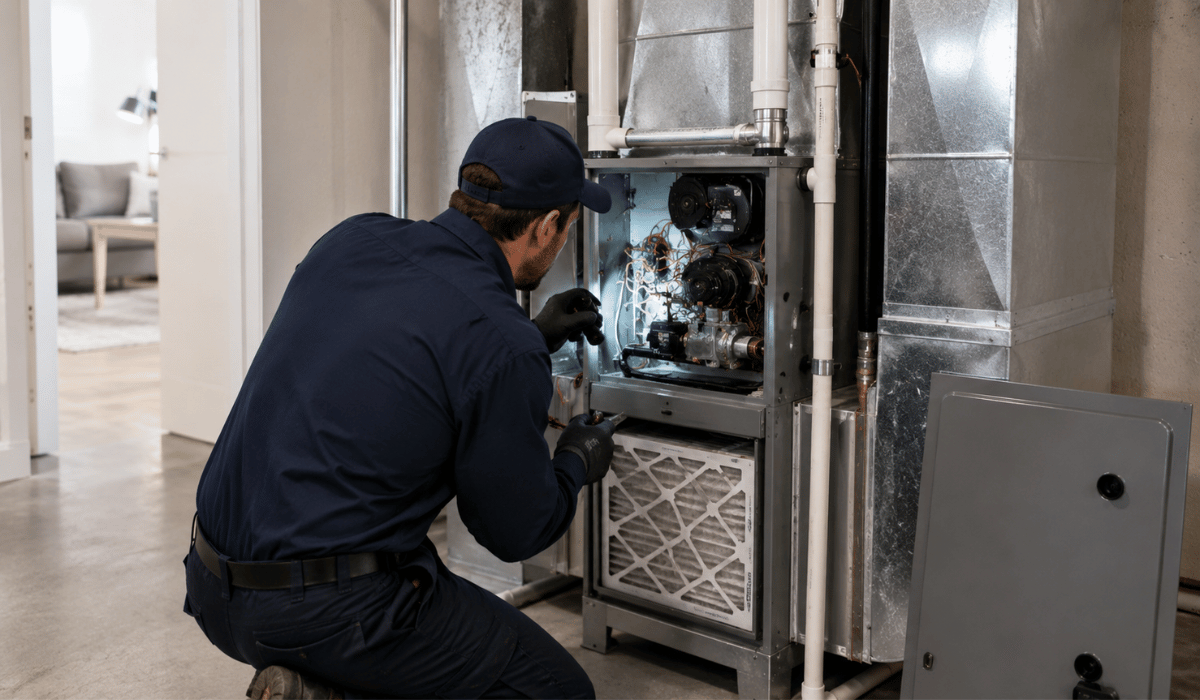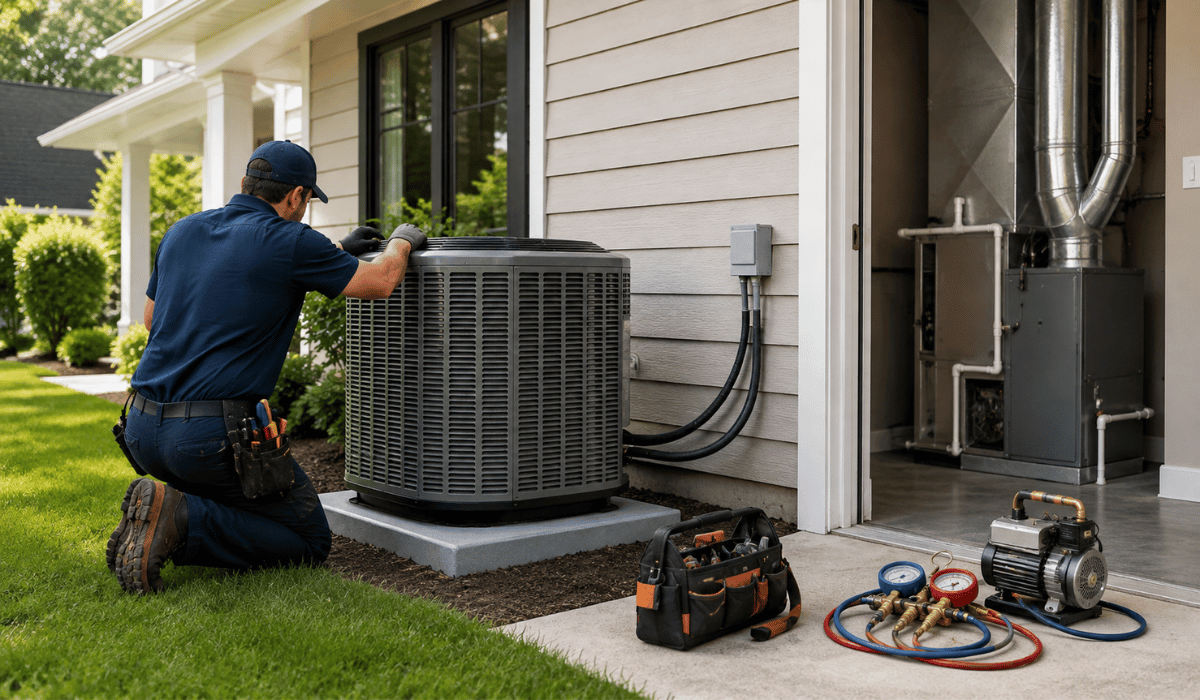



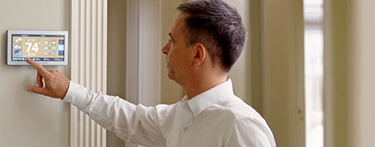
During an inspection, a furnace repair technician evaluates your heating system to determine whether it is operating safely and properly.
If a problem is found, the technician identifies its cause and recommends an appropriate solution before it leads to more extensive damage.
A professional inspection may improve furnace performance, support consistent winter comfort, and help extend the system’s service life.
How a Technician Approaches a Furnace Problem
A technician examines more than the component that appears to be causing trouble.
During the visit, they observe how the furnace starts, produces heat, moves air, and shuts down.
The evaluation may also cover the thermostat, electrical parts, safety controls, gas connections, and venting.
The inspection will depend on the furnace type and the symptoms you reported. A system that does not start requires a different diagnostic approach from one that runs but heats the home unevenly.
The furnace’s age, service history, and stored error codes can also help identify the cause.
Before leaving, the technician should explain what is wrong, what requires immediate attention, and what can be monitored.
The Inspection Starts With How Your Furnace Is Performing
Before opening the furnace cabinet, the technician may ask what you have noticed. Useful details include when the problem began, whether it happens every time the furnace runs, and whether any unusual sounds or smells are present.
The technician may then operate the system from the thermostat and watch a complete heating cycle. This shows whether the furnace receives the heating request, starts in the correct order, produces heat, and moves warm air through the home.
Is Air Moving Properly Through the System?
Restricted airflow can create several heating problems. The furnace may run longer than usual, certain rooms may stay cold, or the equipment may shut down because it becomes too hot.
The technician usually starts by examining the air filter. If it is heavily clogged, it may need to be cleaned or replaced. Filter condition is only one part of the airflow check, however.
The technician may also inspect the return grille, accessible duct connections, blower assembly, and supply vents. Closed registers, damaged ducts, dirt on the blower wheel, or an incorrectly sized filter may reduce airflow.
If the problem affects only one room, the furnace itself may be working correctly. A disconnected duct branch, poor duct balancing, or inadequate insulation could be responsible.
When airflow is weak throughout the home, the technician may focus more closely on the filter, blower, indoor components, and main duct system.
Is the Thermostat Reading the Temperature Correctly?
A thermostat can create symptoms that resemble a furnace problem. If it reads the room incorrectly or fails to send the proper signal, the furnace may start late, stop early, or not run at all.
The technician checks the heating mode, temperature setting, fan setting, and thermostat response. Battery condition and wiring may also be inspected when relevant.
Thermostat placement matters. A unit installed near direct sunlight, an exterior door, a draft, or a heat-producing appliance may not reflect the temperature in the rest of the home. The technician may compare the displayed reading with a separate temperature measurement.
For a programmable or smart thermostat, the technician can also review schedules and settings. An unexpected setback period or incorrect program may explain why the home becomes cold at a particular time each day.
Is the Heat Exchanger in Safe Condition?
The heat exchanger transfers heat from the combustion process to the air circulated through the house. It also helps keep combustion gases separate from the home’s airflow.
During the inspection, the technician looks at accessible portions of the heat exchanger for corrosion, overheating, unusual discoloration, cracks, or other damage. Because some areas can be difficult to see, additional diagnostic methods may be needed when a problem is suspected.
A damaged heat exchanger can create a safety concern if combustion gases enter the circulated air. However, furnace symptoms such as unusual odors or frequent shutdowns do not prove that the heat exchanger is cracked. The technician should confirm the condition before recommending major work.
If there is evidence of a serious safety problem, the furnace may need to remain off until it is repaired or replaced.
Are the Burners Igniting and Burning Properly?
In a gas furnace, the burners should ignite in the correct sequence and produce a stable flame. Dirt, corrosion, delayed ignition, or a faulty ignition component may prevent this from happening.
The technician watches how the furnace starts and examines the burners, igniter, flame sensor, and related components. The gas valve and fuel pressure may also be checked if the symptoms point to a combustion problem.
A dirty flame sensor can cause the burners to ignite and then shut off shortly afterward. The sensor must confirm that a flame is present. If it cannot do that, the furnace closes the gas valve as a safety measure.
Burner and gas-system work should not be treated as a do-it-yourself task. Cleaning the wrong component or changing an adjustment without testing equipment can affect combustion and safe operation.
Is the Blower Moving Enough Warm Air?
The blower sends heated air into the duct system. If the motor, wheel, capacitor, belt, or control is not working properly, the furnace may produce heat without distributing it effectively.
The technician listens for grinding, squealing, scraping, or rattling. These sounds may point to worn bearings, a loose component, motor trouble, or debris inside the blower assembly.
Dirt on the blower wheel can reduce the amount of air it moves. The technician may also check electrical readings and confirm that the blower starts at the correct time and operates at an appropriate speed.
Some older blower motors have components that require lubrication. Many modern motors use sealed bearings and should not be oiled. The technician should follow the requirements of the specific equipment rather than applying the same maintenance procedure to every furnace.
Safety Checks That Should Never Be Skipped
A furnace burns fuel or uses high-voltage electrical components to heat a home. For that reason, a repair visit should include more than comfort-related checks. The technician also needs to confirm that the furnace can operate and shut down safely.
Will the Furnace Shut Down If It Overheats?
A furnace contains safety controls designed to stop operation when unsafe conditions develop. One of these is the high-limit switch, which can shut off the burners if the furnace becomes too hot.
The technician may test the limit circuit and examine stored fault codes. If the furnace has been shutting down repeatedly, the goal is to find out why.
A failed limit switch is one possibility, but overheating often has another cause. A clogged filter, dirty blower wheel, closed vents, damaged ductwork, or weak blower motor may prevent enough air from moving across the furnace.
Replacing a safety switch without correcting the airflow problem may allow the same trouble to return. An experienced technician looks beyond the fault code to identify what caused the control to respond.
Are the Gas Line and Fuel Connections Secure?
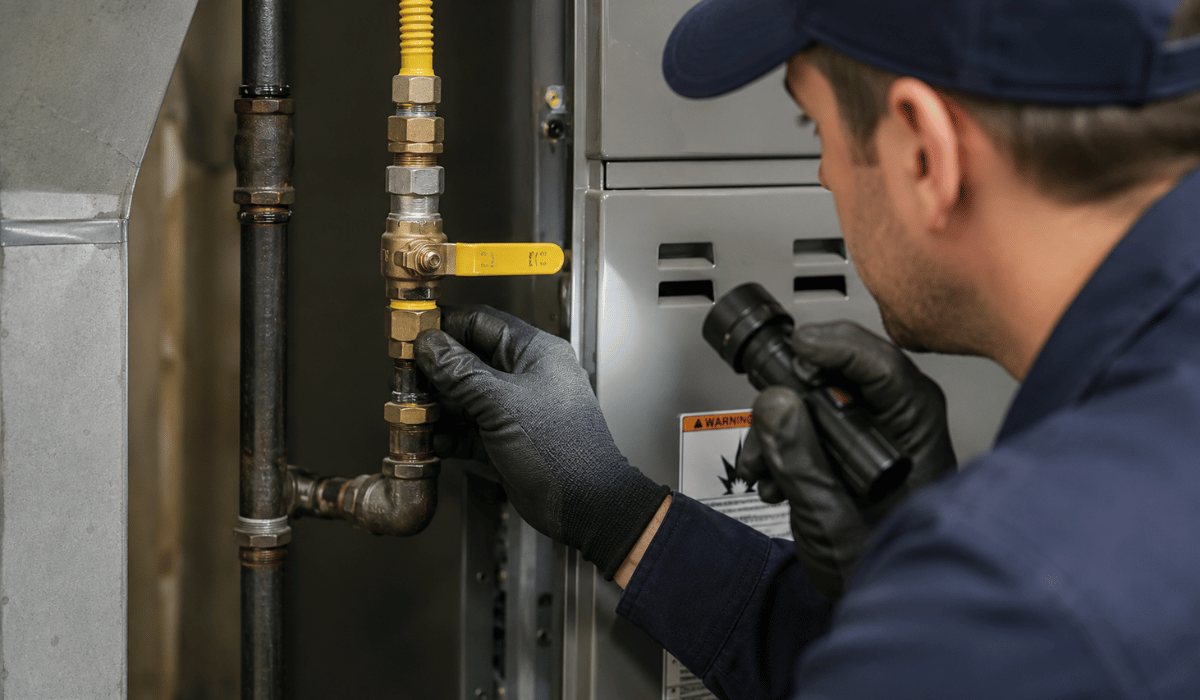
For gas and propane furnaces, accessible fuel lines, fittings, and valves should be checked for damage or possible leakage. The technician may also measure gas pressure when it is relevant to the diagnosis.
Gas pressure affects ignition and burner operation. Improper pressure may contribute to delayed ignition, incomplete combustion, or poor heating performance.
If you smell gas before the technician arrives, do not wait for a routine appointment. Leave the area and avoid using lights, switches, phones, or anything else that could create a spark. Contact the gas provider or emergency services from a safe location.
A suspected gas leak should never be diagnosed by tightening fittings or searching with an open flame.
Can Combustion Gases Leave the Home Safely?
A fuel-burning furnace produces combustion gases that must exit the home through the venting system. The technician examines accessible flue pipes, connections, and termination points for blockage, corrosion, damage, or improper slope.
A loose vent connection can allow exhaust to enter the living area. A blockage may interfere with combustion or trigger a pressure switch that prevents the furnace from running.
High-efficiency furnaces often use plastic intake and exhaust pipes. They also produce condensate that must drain properly. The technician may check these pipes and drains for obstruction, leakage, or freezing.
If venting or combustion problems are suspected, further testing may be required. The technician should explain the concern and whether the furnace can be operated safely.
Conclusion
A furnace inspection looks beyond the most obvious symptom to determine how the complete system is operating.
The technician reviews heating performance, airflow, combustion, electrical components, venting, and safety controls to identify the actual cause of the problem.
Because similar symptoms can come from different issues, a careful diagnosis helps prevent unnecessary repairs or incomplete solutions.
Once the inspection is complete, you should understand the furnace’s current condition, whether it is safe to operate, and which problems require attention.
This information allows you to make a more informed decision about maintenance, repair, or replacement.
Keep Your Furnace Ready for Winter
If your furnace is showing signs of trouble, do not ignore them. Hire a furnace repair technician from Holtkamp HVAC & Plumbing to inspect your system and identify developing issues.
Regular maintenance can support reliable performance and reduce the risk of larger repairs and unexpected expenses.
Frequently Asked Questions
What Makes an Annual Furnace Check Thorough?
A thorough furnace check may include inspecting the filter, thermostat, heat exchanger, burners, blower, wiring, safety controls, airflow, venting, and combustion. Service details vary, so ask what the appointment includes. Maintenance cannot prevent every breakdown, but it may uncover developing problems early.
How Technicians Identify Developing Problems
Technicians use symptoms, fault codes, service history, and system measurements to find the cause of a problem. Short cycling, unusual sounds, or repeated part failures may point to a larger issue that needs attention.
What to Ask Before the Technician Leaves
The technician should explain the problem, whether the furnace is safe to use, and which repairs are urgent. Ask about costs, parts, warranties, and the reasons behind any replacement recommendation.
How Long Does a Furnace Inspection Take?
A furnace inspection usually takes about one to two hours. Equipment age, condition, location, cleaning needs, and diagnostic testing can affect the appointment length.