



An air conditioning service for a new system usually includes evaluating the home, selecting correctly sized equipment, removing the old unit, completing the required connections, and testing the finished installation.
There is more to the job than replacing the outdoor unit. A central air conditioner also relies on indoor equipment, refrigerant lines, electrical components, drainage, a thermostat, and ductwork. Each part needs to work with the others.
The exact process depends on the property. Replacing an existing air conditioner may require fewer changes than adding central cooling to a home for the first time.
This guide explains what homeowners can reasonably expect before, during, and after installation.
What to Expect During Air Conditioner Installation
From Home Assessment to Final Testing
A complete air conditioning installation service generally covers the project from the first home assessment through the final system test.
The installer should confirm what is included in writing because duct repairs, electrical upgrades, or building modifications may be separate.
Understanding the Home’s Cooling Requirements
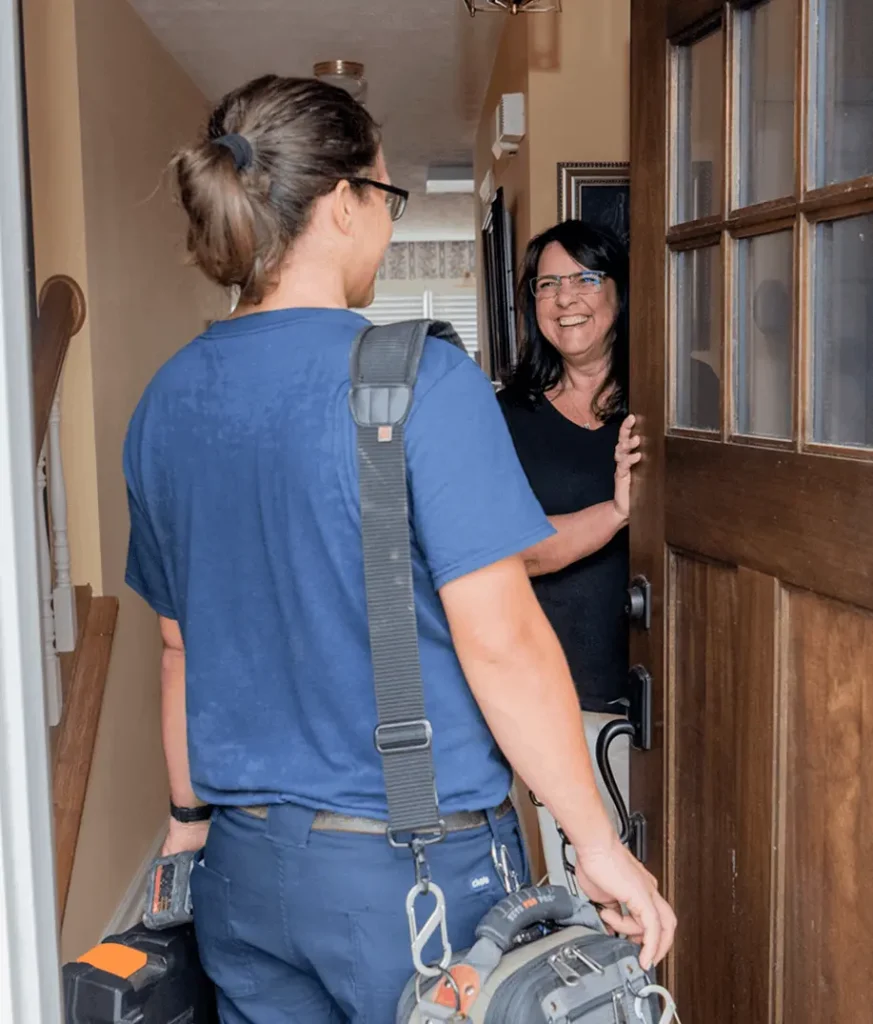
The process should begin with a conversation about the home. A technician may ask whether certain rooms stay warm, the air feels humid, airflow is weak, or the existing system runs for long periods.
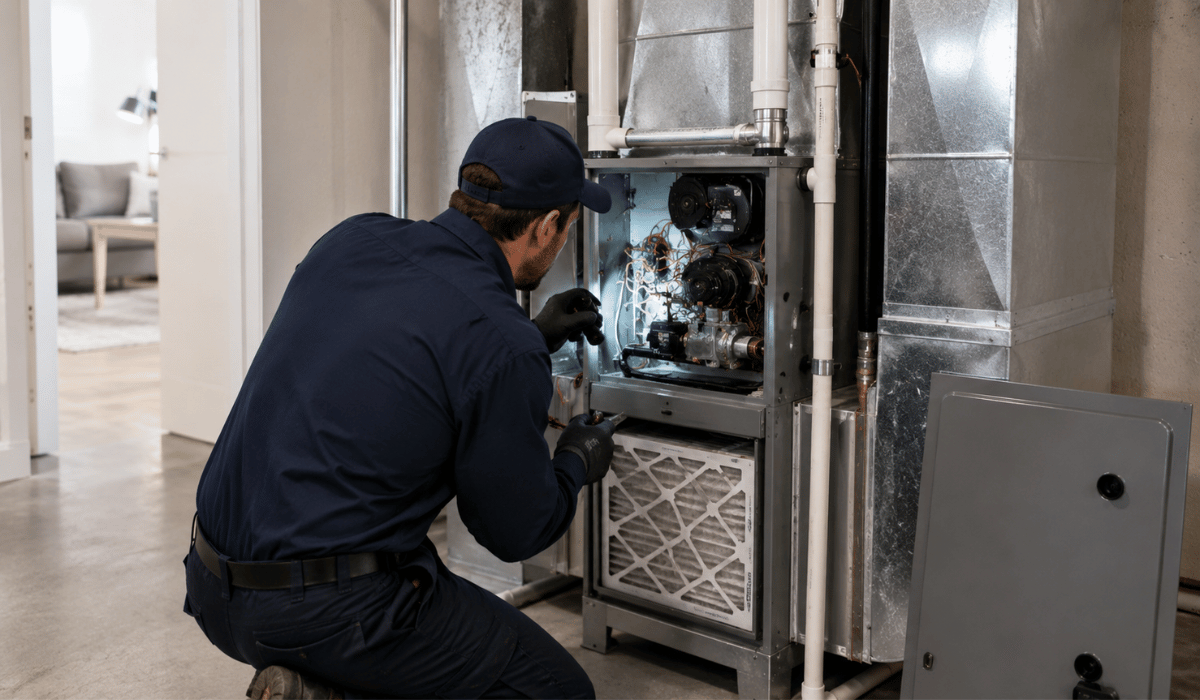
The technician should then inspect the current equipment and the areas where the new components will be installed.
The condition of accessible ductwork, insulation, windows, electrical service, and available space may also be reviewed.
This assessment gives the installer a clearer picture of the home than square footage alone can provide.
It may also reveal that an existing comfort problem is partly caused by damaged ducts, poor insulation, or inadequate return airflow.
Calculating the Correct System Capacity
The next step is determining how much cooling the home needs. A cooling-load calculation considers the building’s size and construction, along with insulation, windows, air leakage, ceiling height, sun exposure, and local climate.
Choosing the correct capacity matters. An undersized air conditioner may run continuously on hot days without cooling the home properly.
An oversized unit may lower the temperature quickly but shut off before it removes enough indoor moisture.
The goal is to select equipment that can maintain comfortable conditions without unnecessary cycling. A contractor should be able to explain how the recommended capacity was determined.
Matching the Equipment to the Property
Once the cooling requirements are known, the contractor can recommend suitable equipment.
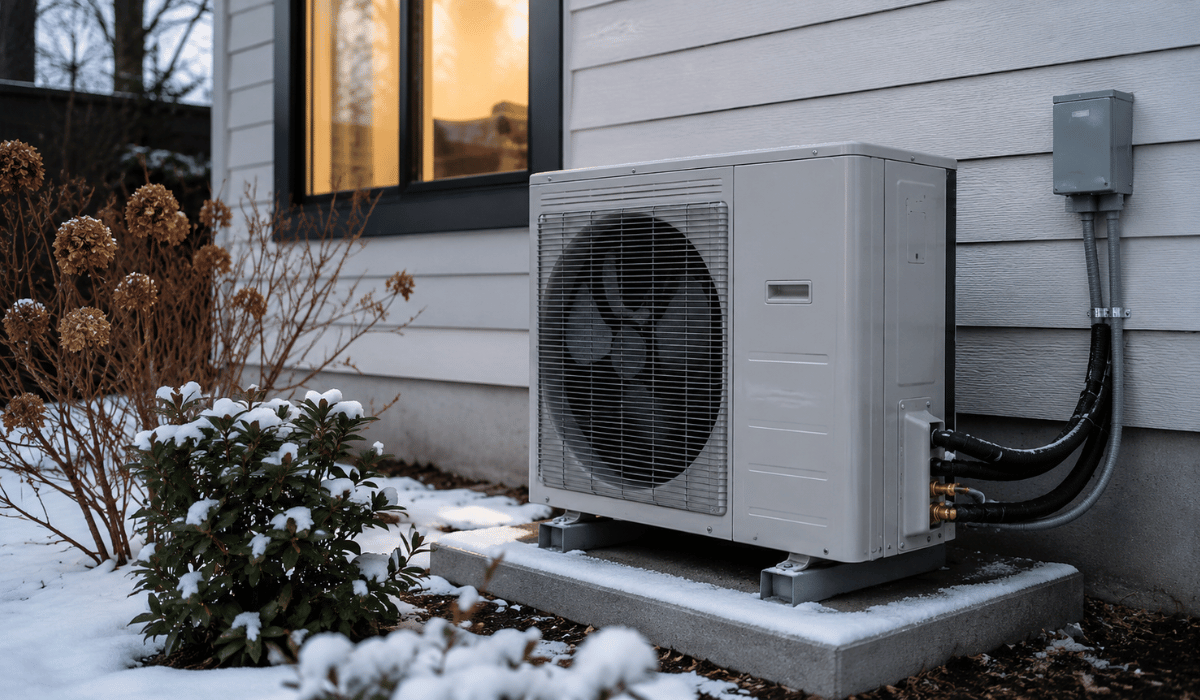
The options may include a central air conditioner, heat pump, or ductless mini-split system.
The decision should account for the home’s layout, existing heating system, available installation space, efficiency goals, noise preferences, and budget. The indoor and outdoor components must also be compatible with each other.
Homeowners should receive the proposed model numbers and basic efficiency information before approving the installation.
This makes it easier to confirm that the equipment listed in the estimate is the equipment delivered on installation day.
Checking Existing Ducts and Airflow
A new air conditioner cannot perform properly if the duct system cannot move and distribute enough air.
Before connecting new equipment, the contractor should inspect accessible supply and return ducts for leaks, damage, loose joints, restrictions, and sizing problems.
A room that has always been difficult to cool may have an airflow problem rather than an equipment problem. In that case, installing a larger air conditioner would not necessarily correct the underlying issue.
Minor duct connections or sealing may be included with installation. Extensive repairs, new return ducts, or complete duct replacement usually require a separate estimate. The contractor should explain what needs attention before work starts.
Confirming the Work and Installation Costs
A written proposal should identify the equipment, labor, materials, and services included in the price. It should also cover warranty terms, payment arrangements, permit responsibilities, and the expected schedule.
Look for details about thermostat installation, old-equipment removal, refrigerant lines, drain work, electrical connections, and system testing. If something is not clearly listed, ask about it.
Comparing the scope of different estimates is more helpful than looking at price alone. A lower estimate may leave out work that another contractor has included from the beginning.
Safely Removing the Old Cooling System
When an existing air conditioner is being replaced, the crew must disconnect and remove it safely.
Refrigerants remaining in the old system need to be recovered using the proper equipment.
The outdoor condenser and the indoor coil or air handler may both be removed. The installer should also determine whether the existing refrigerant lines, equipment pad, thermostat, and electrical components can be reused.
Floors, walls, doors, and landscaping should be protected while equipment is moved. Confirm in advance whether removal and disposal are included so that the old unit is not left behind unexpectedly.
Positioning the Indoor and Outdoor Equipment
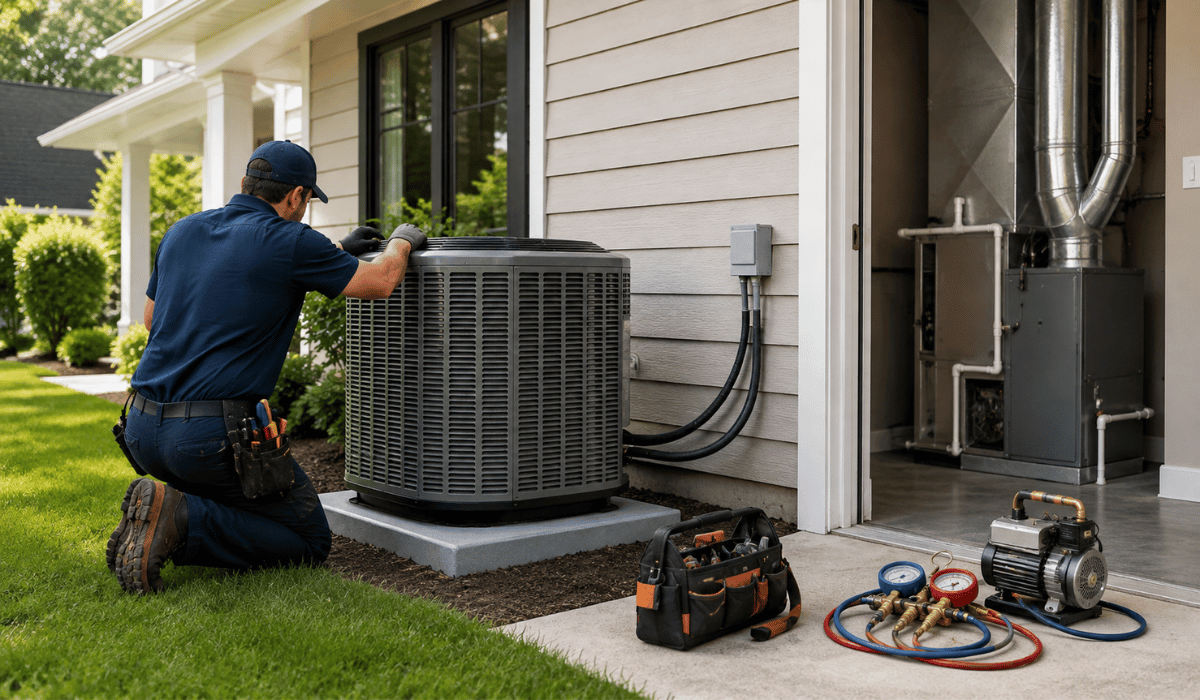
The outdoor condenser needs a stable, level base with enough clearance for airflow and future repairs.
It should not be crowded by fences, shrubs, dryer vents, or other objects that can restrict air movement.
The indoor coil or air handler must also be positioned correctly. In many central systems, the coil is installed above or beside a furnace. Other systems use a separate air handler.
The installer should leave enough room to reach filters, drain lines, access panels, and electrical parts. Equipment that is squeezed into an unsuitable space may be difficult to maintain later.
Preparing and Connecting Refrigerant Lines
Refrigerant lines move heat between the indoor and outdoor equipment.
An installer may replace the existing lines or inspect them to determine whether their condition and size are suitable for the new system.
The connections must be properly prepared, sealed, and checked for leaks. The larger line also needs suitable insulation to limit heat gain and condensation.
After the installation has been prepared, the technician adjusts the refrigerant charge according to the equipment specifications and site conditions. An incorrect charge can affect cooling performance and place additional strain on the compressor.
Completing Electrical and Thermostat Connections
The new air conditioner must be connected to an electrical supply that matches its requirements.
The contractor should inspect the wiring, circuit protection, disconnect, and grounding before starting the system.
Some installations require a new circuit or electrical-panel upgrade. If a separate electrician is needed, that requirement and its cost should be discussed before installation day whenever possible.
The installer will also connect and configure the thermostat. If the project includes a programmable or smart model, the homeowner should be shown how to change the temperature, create schedules, and use the main settings.
Creating a Safe Path for Condensate Drainage
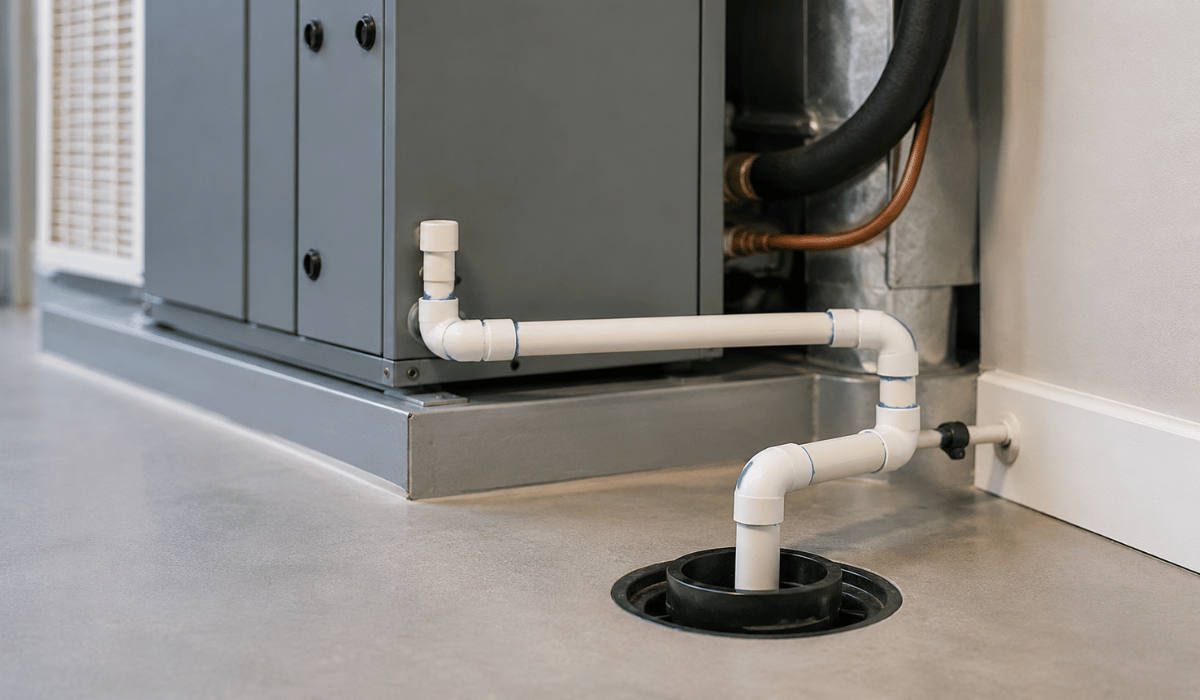
An air conditioner removes moisture from indoor air as it cools. That moisture collects at the evaporator coil and must drain away from the equipment.
The installer should connect the condensate line with the correct slope and confirm that water flows through it.
Depending on the equipment’s location, the installation may also require a drain pan, condensate pump, or overflow safety switch.
This part of the job can be easy to overlook, but poor drainage may lead to water around the indoor unit, damaged building materials, or unwanted system shutdowns.
Testing the New System Under Real Conditions
Installation is not finished when the air conditioner first turns on. The technician should run the equipment through a complete cooling cycle and confirm that it operates correctly.
Testing may include airflow, temperature change, refrigerant performance, electrical readings, drainage, thermostat response, and safety-control operation.
The technician should also listen for unusual sounds and check for vibration or air escaping around connections.
If the readings are outside the expected range, adjustments should be made before the crew leaves. This final testing helps confirm that the equipment has been installed according to its requirements.
Explaining Controls, Filters, and Warranty Details
Before completing the job, the installer should walk the homeowner through the new system. This includes showing where the filter is located, how it is replaced, and how to use the thermostat.
The installer should also provide equipment manuals, model and serial numbers, warranty information, and maintenance guidance.
Ask whether the contractor registers the equipment warranty or whether you need to do it yourself.
Keep these documents with the final invoice. They may be needed if you schedule future service or submit a warranty claim.
Work That May Require a Separate Estimate
A standard AC replacement does not always cover every improvement a home may need.
Additional charges may apply for:
- Major duct repair or replacement
- New supply or return ducts
- Electrical-panel upgrades
- Structural changes
- Hazardous-material removal
- Extensive drain modifications
- Zoning controls
- Indoor air quality equipment
- Drywall or painting repairs
- A new platform or equipment base
These services are not necessary in every home. The written estimate should separate required work from optional upgrades so that you understand the full project cost.
Get a Clear Installation Plan Before You Begin
A proper installation brings together equipment sizing, airflow, electrical work, refrigerant connections, drainage, and performance testing.
Leaving out one of these areas may affect comfort or system operation.
Arrange an in-home evaluation before selecting equipment. A technician can inspect the property, discuss your cooling needs, and prepare an installation plan that clearly explains the work.
Frequently Asked Questions
Can Existing Ductwork Be Used With a New AC System?
Existing ducts can often be reused if they are properly sized, sealed, and in good condition. Damaged or inadequate ducts may need repairs or modifications before the new air conditioner is connected.
Is Removal of the Old Air Conditioner Included?
Many contractors include removal and disposal in their installation price, but it is not automatic. Check that this service appears in the written estimate.
Will I Receive a New Thermostat With the System?
Some installation packages include a compatible thermostat. Programmable and smart models may be included or offered as upgrades. Confirm the exact model before approving the estimate.
How Does a Contractor Select the Right AC Capacity?
The contractor should calculate the home’s cooling demand using factors such as size, insulation, windows, air leakage, ceiling height, and sun exposure. Square footage alone does not provide a complete answer.
Why Should Ductwork Be Checked Before Installation?
Leaks, restrictions, and incorrectly sized ducts can reduce airflow and create uneven temperatures. Inspecting the ducts helps prevent an existing distribution problem from limiting the new system.