


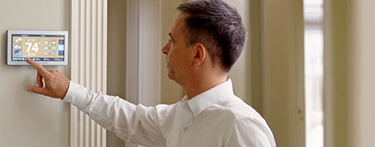
When a heater runs but produces little or no warmth, a heater repair expert in GA can determine whether the problem comes from the thermostat, airflow, ignition system, electrical controls, ductwork, or heat pump.
The blower may continue moving air through the vents even when the equipment is not generating or distributing heat correctly. A brief flow of cool air during startup or shutdown can be normal.
However, if the air stays cool, the indoor temperature continues to fall, or the system cannot reach the thermostat setting, the heater should be inspected.
This guide explains the common causes, warning signs, safe homeowner checks, and situations that require urgent attention.
Why Is Your Heater Running but Not Producing Heat?
Heating systems operate differently. Gas furnaces ignite burners, electric furnaces use heating elements, and heat pumps transfer heat from the outdoor air.
Although the source of the problem varies by system, the following issues commonly prevent a home from warming properly.
Incorrect Thermostat Settings or Malfunctions
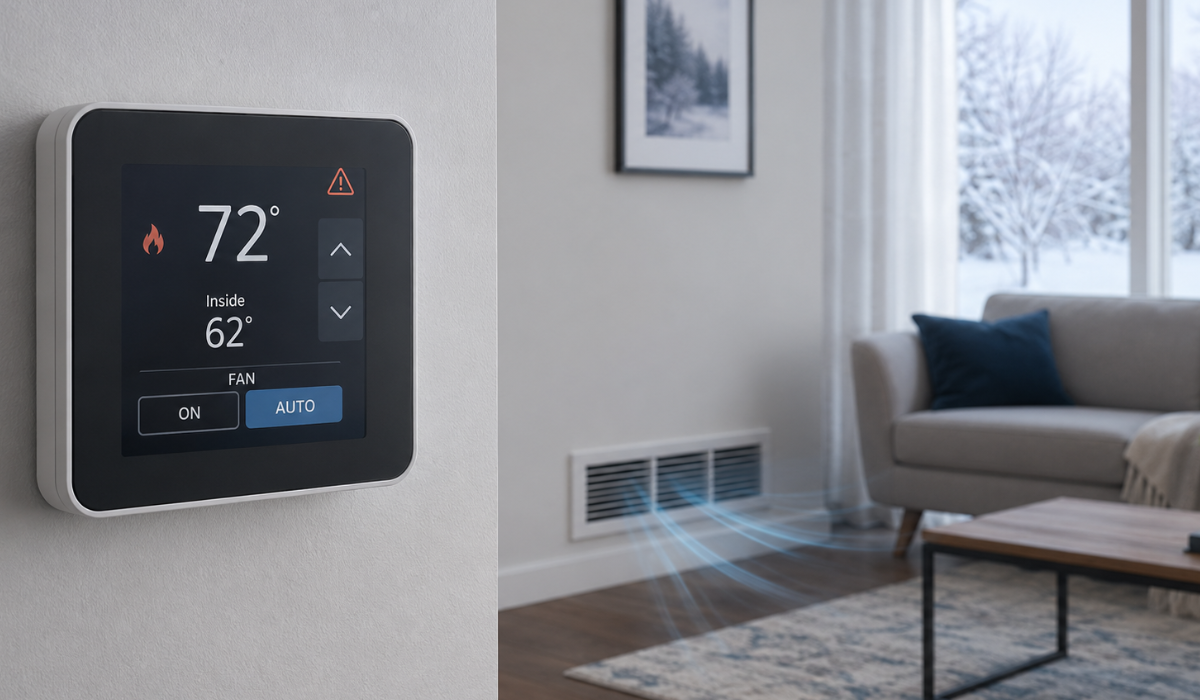
The thermostat should be set to “heat, and the selected temperature should be higher than the current room temperature.
When the fan is set to “on,” the blower runs between heating cycles and may circulate room-temperature air that feels cool.
Setting the fan to “auto” allows it to operate mainly when the system is actively heating.
A blank, inaccurate, or unresponsive thermostat may have depleted batteries, damaged wiring, a calibration issue, or an internal fault.
If basic settings and battery checks do not restore normal operation, a technician can test whether the thermostat is sending the correct signal to the equipment.
Restricted Airflow and Furnace Overheating
A clogged air filter reduces the amount of air moving through the system.
In a furnace, inadequate airflow can cause internal temperatures to rise until a safety control shuts off the burners.
The blower may then continue running to cool the equipment, sending cool air through the vents.
Blocked return grilles, closed supply registers, a dirty indoor coil, duct restrictions, or a failing blower can create similar problems.
Replace a dirty filter according to the manufacturer’s guidance and make sure accessible vents are open.
If the furnace continues shutting down or airflow remains weak, professional diagnosis is necessary.
Ignition and Burner Problems
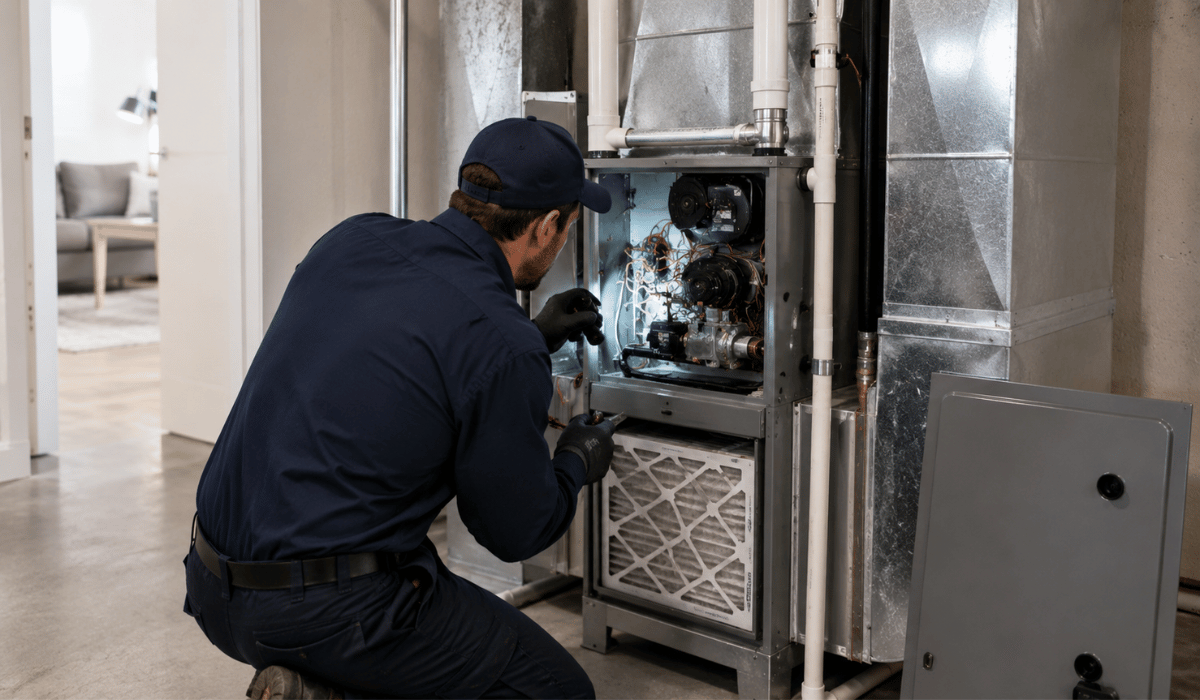
A gas furnace cannot provide heat unless the ignition system starts the burners and the flame remains stable.
A failed igniter, dirty flame sensor, fuel-supply interruption, burner contamination, control fault, or safety shutdown may prevent a complete heating cycle.
These components should not be cleaned, adjusted, or dismantled by a homeowner.
Proper diagnosis may require electrical testing, combustion measurements, and verification that exhaust gases are venting safely.
Electrical or Control Failure
Every modern heating system depends on electrical components.
A furnace uses power for its control board, igniter, blower, thermostat, and safety devices, while electric furnaces and heat pumps rely on additional electrical circuits to produce or transfer heat.
A tripped breaker, blown fuse, loose connection, failed relay, defective heating element, damaged capacitor, or control-board fault can interrupt operation.
A breaker may be reset once when there are no signs of burning, moisture, or equipment damage.
If it trips again, leave it off and arrange heating system repair rather than repeatedly resetting it.
Heat Pump Performance Problems
Heat pump supply air often feels less hot than air from a gas furnace, but the system should still move the home toward the selected temperature.
If it does not, the cause may involve low refrigerant, an outdoor-unit fault, a reversing-valve problem, incorrect controls, restricted airflow, or unavailable auxiliary heat.
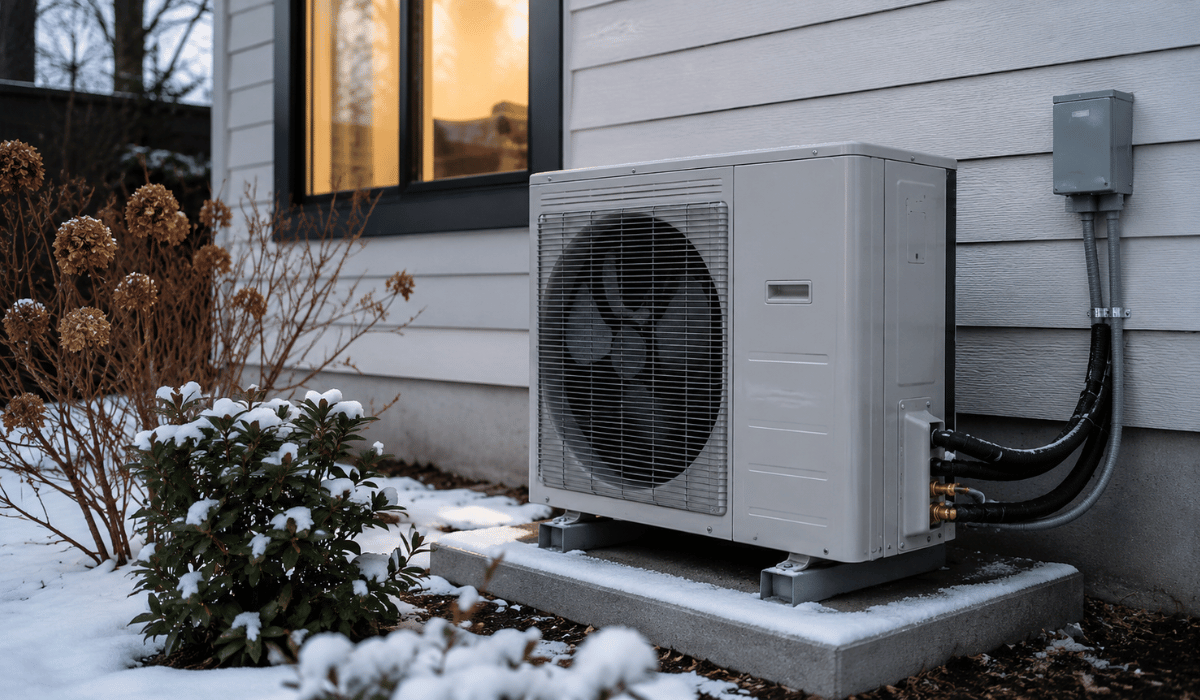
A light coating of frost can develop on the outdoor coil during normal winter operation. The unit should periodically enter a defrost cycle to remove it.
Heavy ice that remains in place or repeatedly returns may indicate a defrost, airflow, refrigerant, or drainage problem.
Damaged or Leaking Ductwork
The heater may produce warmth without delivering enough of it to the rooms.
Disconnected, crushed, leaking, or poorly insulated ducts can allow heated air to escape into an attic, crawl space, basement, or wall cavity.
Duct problems can cause weak airflow, uneven temperatures, extended cycles, and higher energy use.
An inspection can help establish whether the problem begins inside the heating equipment or within the air-distribution system.
Interrupted Fuel Supply
Gas lines, propane, and oil-fired systems require an adequate fuel supply.
A utility interruption, empty storage tank, closed valve, or delivery problem may prevent the furnace from igniting.
Homeowners should limit their checks to steps permitted by the equipment manufacturer and utility provider.
Fuel lines, valves, burners, and other combustion components require qualified service.
Signs You May Need Professional Heater Repair
A total loss of heat is an obvious reason to request service, but heaters often show other changes before they stop working completely.
The following symptoms can help indicate when an inspection is appropriate.
Cool or Lukewarm Air Continues
Air may feel cool for a short time at the beginning or end of a heating cycle.
If it never becomes warm or the room temperature keeps dropping, the system may not be generating heat or may be losing it before it reaches the vents.
Checking the thermostat and filter can rule out two simple causes. Continued cool airflow requires a technician to evaluate the heating sequence, airflow, and safety controls.
Rooms Heat Unevenly
Blocked vents, duct leakage, insulation gaps, zoning faults, or blower problems can leave some rooms colder than others.
A space that has always been difficult to heat may reflect the home’s layout or insulation, while a new temperature imbalance more often suggests a recent change in the system or ductwork.
The Heater Runs Too Long
Longer cycles can occur during unusually cold weather.
Continuous operation without reaching the thermostat setting, however, indicates that the system is not keeping up with the home’s heating demand.
Heat loss, airflow restrictions, duct leakage, thermostat errors, declining equipment performance, or improper sizing may contribute.
Because each possibility requires a different response, runtime alone is not enough to identify the repair.
The System Short Cycles
Short cycling occurs when the heater starts and stops before completing a normal heating cycle.
Possible causes include overheating, restricted airflow, flame-sensor trouble, thermostat placement, control faults, or equipment sizing.
Repeated cycling can reduce comfort and place additional strain on motors, controls, and ignition components. It should be evaluated if simple thermostat and filter checks do not correct it.
New or Worsening Noises Appear
Heating equipment normally makes some sound as it starts, stops, and moves air.
New banging, scraping, squealing, grinding, rattling, or persistent humming can point to a loose component, blower damage, motor trouble, electrical issue, or ignition concern.
Occasional expansion sounds may come from the ductwork. Loud, persistent, or worsening noises from the equipment itself deserve prompt attention.
Energy Use Rises Without a Clear Reason
Weather, energy rates, thermostat settings, occupancy, and household routines all influence utility bills.
Still, a noticeable increase accompanied by longer cycles, weak output, or uneven temperatures may indicate reduced system performance.
A technician can assess the heater and airflow instead of assuming that the equipment is solely responsible for the change.
Burning, Electrical, or Gas-Like Odors Develop
A light dusty smell may occur when a heater first runs after a long period of inactivity. Persistent burning, smoky, electrical, or gas-like odors are not normal and should not be ignored.
Carbon monoxide has no color or odor. A sulfur or rotten-egg smell may indicate the odorant added to natural gas.
If you suspect a gas leak, leave the property without operating switches or creating a flame, then contact the gas utility or emergency services from a safe location.
Restore Reliable Heat in Your Home
A heater that runs without warming your home may have a thermostat, airflow, ignition, electrical, heat pump, or ductwork problem.
If simple thermostat and filter checks do not resolve the issue, professional diagnosis can identify the cause and prevent further equipment strain.
For dependable service, schedule an inspection with a heater repair expert in GA.
Holtkamp HVAC & Plumbing can evaluate your heating system and recommend an appropriate repair to restore safe, consistent comfort.
Frequently Asked Questions
Why does the blower run when the heater is not producing heat?
The blower can operate even when burners, heating elements, or other heat-producing components fail. It may also circulate cool air when the thermostat fan is set to “on” instead of “auto.”
How long should it take for warm air to come from the vents?
Many systems need a few minutes to complete their startup sequence and deliver warm air. If the airflow remains cool or the temperature continues to fall, the heater may need inspection.
Can a thermostat cause the heater to run without heating?
Yes, Incorrect settings, depleted batteries, damaged wiring, poor calibration, or an internal thermostat fault can prevent a proper heating cycle. Confirm that it is set to “heat” and above room temperature.
Why does my furnace stop heating while the fan keeps running?
Restricted airflow can cause the furnace to overheat and trigger a safety shutdown. The burners turn off, but the fan may continue running to cool the equipment.
Is cool air from a heat pump always a sign of a problem?
Heat pumps usually deliver air that feels less hot than furnace air. However, service may be needed if the home cannot reach the thermostat setting or heavy ice remains on the outdoor unit.
Can leaking ductwork make it seem like the heater is not working?
Yes, damaged, disconnected, or poorly insulated ducts can lose heated air before it reaches the rooms. This may cause weak airflow, uneven temperatures, long cycles, and increased energy use.
When is a heater running without heat an emergency?
Seek immediate assistance for gas odors, smoke, sparks, burning smells, repeated breaker trips, or a carbon monoxide alarm. Flood-exposed equipment should also remain off until professionally inspected.
Should I repair or replace a heater that no longer produces heat?
The decision depends on the heater’s age, condition, repair cost, failure history, and availability of replacement parts. A technician should diagnose the specific problem before recommending repair or replacement.