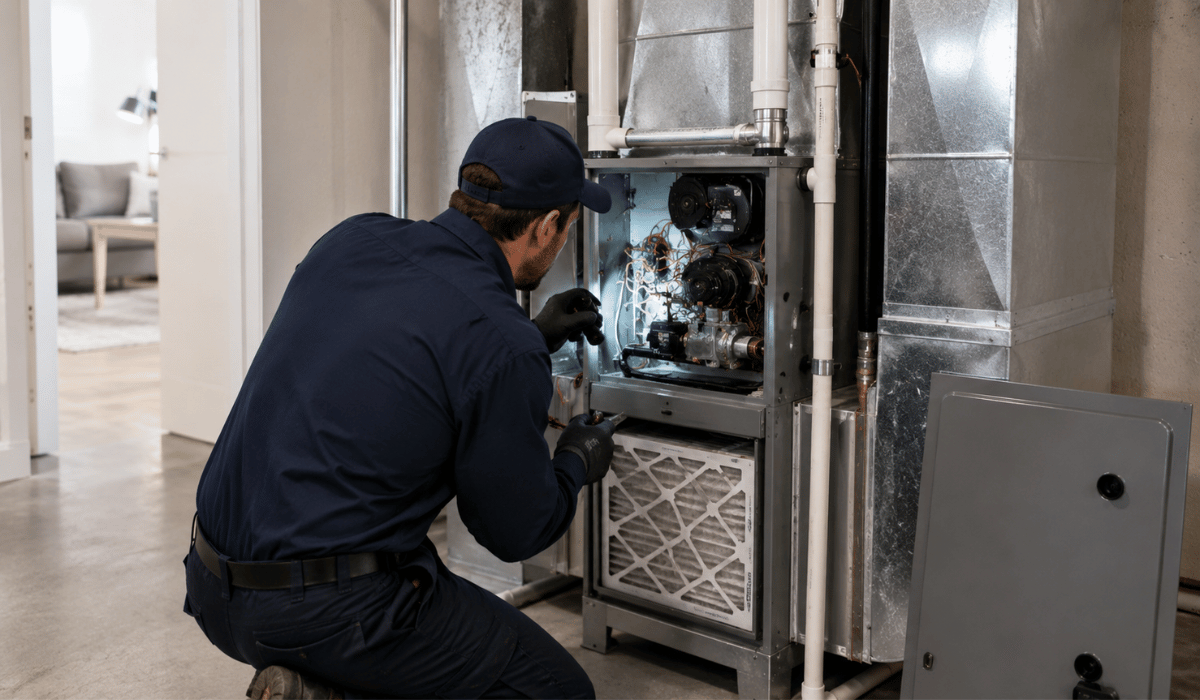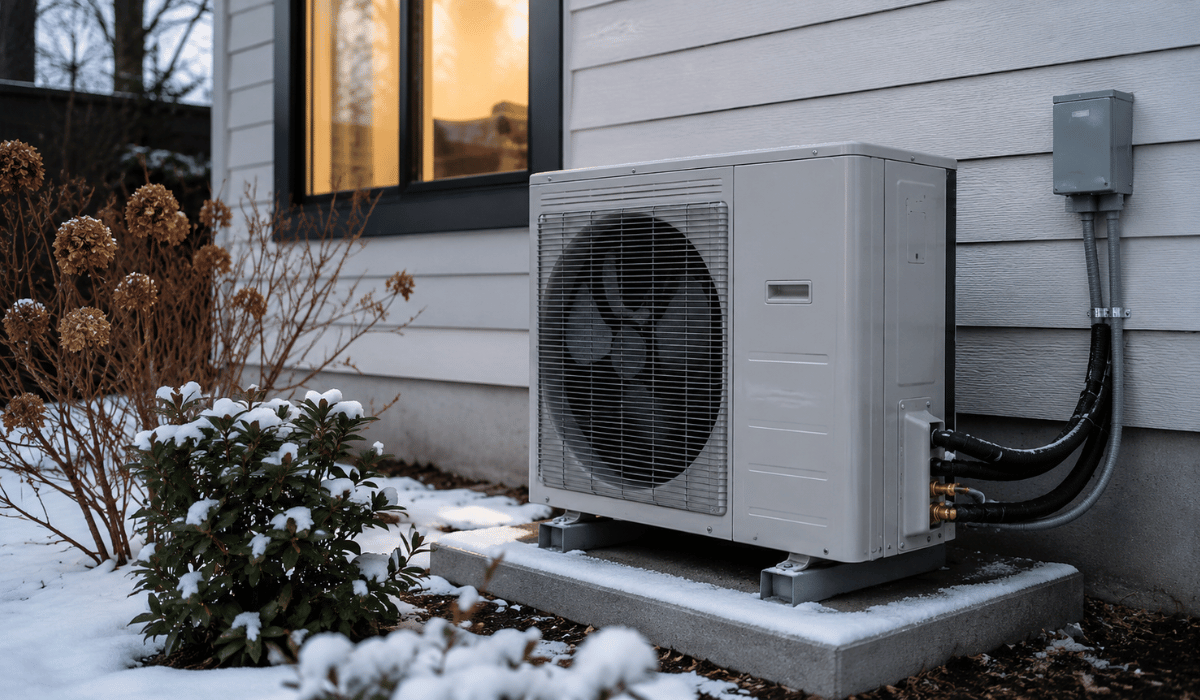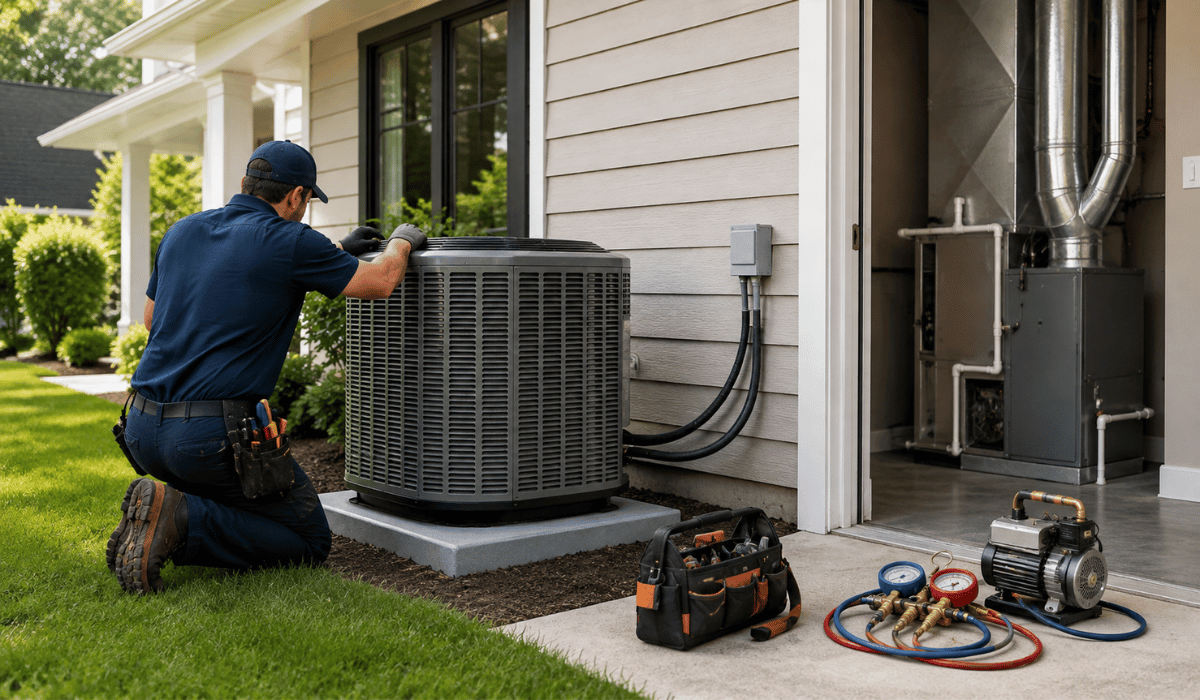



Heating repair in Suwanee may be necessary when your system stops warming the house evenly, begins making unusual noises, or runs more often than usual.
Most heating systems show warning signs before they stop working completely, but those changes can be easy to overlook when the equipment still produces some heat.
Addressing a problem early can restore comfort, prevent additional component damage, and reduce the likelihood of an unexpected breakdown.
It may also help correct performance issues that cause the system to consume more energy than necessary.
Although homeowners can handle simple tasks such as checking the thermostat and replacing a dirty filter, mechanical, electrical, combustion, and refrigerant problems require professional attention.
Here are seven signs that it may be time to have your heating system inspected.
1. Your Heater Is Not Producing Enough Warm Air
Cool or lukewarm air, cold rooms, or an inability to reach the thermostat setting may indicate a heating problem.
A furnace may have an ignition, burner, flame-sensor, or airflow issue. A heat pump may be affected by low refrigerant, a faulty reversing valve, outdoor-unit damage, or excessive frost.
Duct leaks and thermostat problems can affect either system.
Start with these checks:
- Confirm that the thermostat is set to “heat.”
- Set the temperature above the current room temperature.
- Replace a dirty air filter.
- Open all supply vents and return grilles.
- Check for lost power or a tripped breaker.
Do not repeatedly reset a breaker that continues to trip. If the home still does not warm properly, schedule heater repair. Avoid closing multiple vents because doing so can restrict airflow and increase duct pressure.
2. You Hear Unusual Noises From the Heating System
Normal heating sounds include moving air, a quiet thermostat click, and minor duct expansion. New, persistent, or loud noises may indicate a problem.
Different sounds can suggest different issues:
- Banging or booming: Delayed ignition, expanding ductwork, or loose parts
- Squealing: A worn belt, blower-motor issue, or failing bearing
- Grinding: Motor or bearing damage
- Rattling: A loose panel, unsecured part, or venting problem
- Repeated clicking: An ignition, thermostat, relay, or electrical issue
- Whistling: A clogged filter, restricted return grille, or duct leak
- Metal-on-metal scraping: A damaged blower wheel or motor assembly
Because the sound alone cannot confirm the cause, have the system inspected.
Turn it off if the noise is severe or occurs with smoke or a burning odor. Continuing to run damaged equipment may lead to a more expensive repair.
3. The Heater Turns On and Off Too Frequently
Short cycling occurs when a heater starts, runs briefly, shuts down, and restarts without completing a normal cycle.
It can cause temperature fluctuations and place extra strain on system components.
Possible causes include:
- A clogged air filter
- Blocked supply or return vents
- Poor thermostat placement
- Loose thermostat wiring
- An overheating furnace
- A dirty or failing flame sensor
- A blower or limit-switch problem
- Oversized heating equipment
Frequent operation during very cold weather can be normal, but cycles lasting only a few minutes may indicate a problem. Check the filter and remove anything blocking the vents or return grilles.
If short cycling continues, schedule an inspection. A technician can identify thermostat, airflow, overheating, or safety-control problems and restore consistent operation.
4. Your Heating Bills Increase Without an Obvious Reason
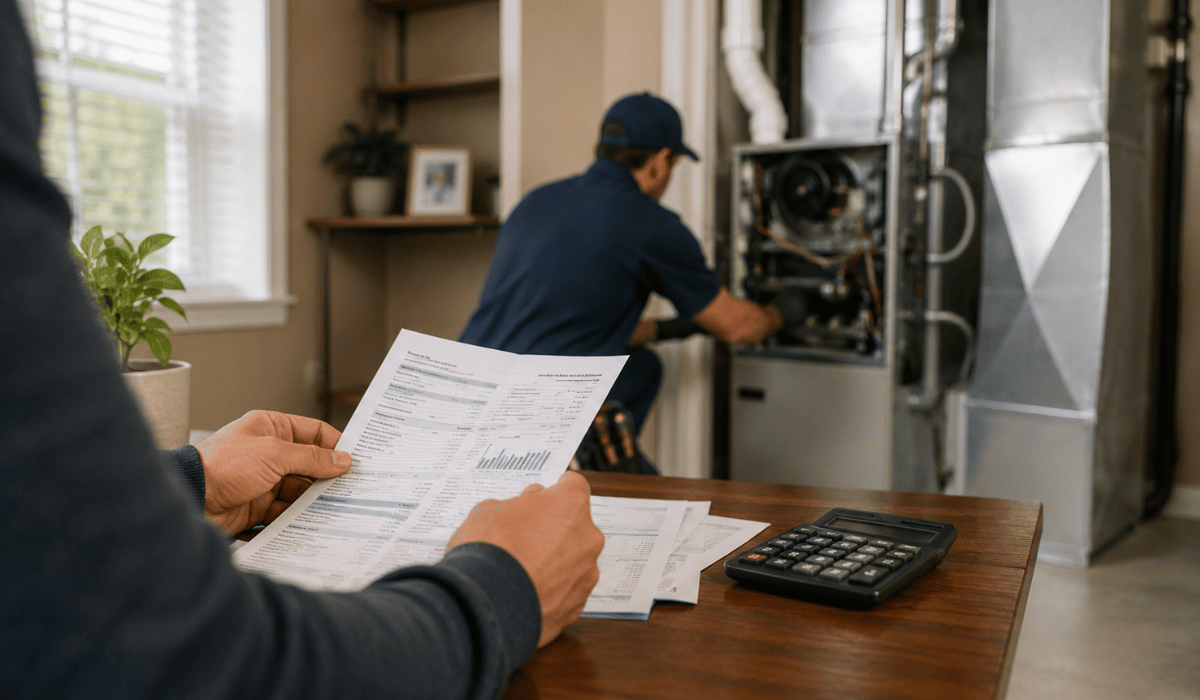
Heating costs vary with weather, thermostat settings, utility rates, and household activity. However, an unexplained increase may indicate declining system efficiency.
Compare your bill with the same period last year while considering:
- Whether the weather was colder
- Whether utility rates increased
- Changes to thermostat settings
- Additional people in the home
- Longer operating hours
- New appliances or electrical equipment
If these factors do not explain the increase, the heater may be running longer than necessary.
Dirty filters, worn parts, thermostat problems, duct leaks, poor airflow, neglected maintenance, and aging equipment can increase its workload.
A technician can evaluate airflow, temperature output, electrical operation, combustion, and overall condition to determine whether you need maintenance, repair, duct sealing, or replacement.
5. You Notice Strange Odors or an Irregular Furnace Flame
A dusty smell during the first few heating cycles may be normal, but it should fade quickly. Persistent electrical or burning-plastic odors may indicate overheated wiring, motor damage, or another electrical problem. Turn off the system and request service.
A rotten-egg or sulfur-like odor may indicate a natural gas leak. If you smell or hear leaking gas:
- Leave the home immediately.
- Do not operate lights, appliances, switches, or electronics.
- Do not use matches, candles, or other flames.
- Call 911 or the gas utility from outside.
- Do not return until emergency personnel say it is safe.
The U.S. Consumer Product Safety Commission recommends leaving immediately and contacting local gas authorities from outside.
A gas furnace should generally have a steady blue flame. A persistent yellow, flickering, or irregular flame may indicate improper combustion and requires professional inspection.
Carbon monoxide is colorless and odorless. Symptoms of exposure may include headache, nausea, dizziness, fatigue, shortness of breath, and confusion. If an alarm sounds or exposure is suspected, leave the home and seek emergency assistance.
6. Airflow From the Vents Is Weak or Uneven
Weak airflow is different from inadequate heat. The air coming from the vent may feel warm, but too little of it reaches the room to maintain a comfortable temperature.
Signs of an airflow problem include:
- Very little air coming from one or more vents
- Large temperature differences between rooms
- Upstairs and downstairs areas heating unevenly
- The heater running continuously
- Dust collecting unusually quickly around vents
- Whistling noises from grilles or ductwork
A dirty filter is one of the simplest possible causes. Other possibilities include a blocked return grille, closed supply vent, dirty indoor coil, damaged fan belt, failing blower motor, or disconnected or crushed ductwork.
Begin by replacing a dirty filter, opening the vents, and moving furniture or curtains away from supply and return openings.
Avoid reaching inside the equipment or attempting to repair the blower, wiring, or control components yourself.
If airflow remains weak throughout the home, a technician can test the blower and inspect the duct system for restrictions or leakage.
If the problem affects one room, the cause may be a damaged duct branch, improper balancing, insufficient insulation, or an issue with the room itself rather than the heating unit alone.
7. You See Water or Moisture Around the Equipment
Water around a furnace, air handler, or heat pump should not be considered normal.
Even a small recurring puddle can damage the equipment and surrounding materials if the source is not corrected.
Possible causes include:
- A clogged condensate drain
- A cracked or rusted drain pan
- A loose drain connection
- A problem with a high-efficiency furnace’s condensate system
- A leaking whole-home humidifier
- A frozen heat-pump coil that has begun to thaw
- A plumbing leak near the HVAC equipment
Standing water can damage flooring, walls, insulation, and nearby belongings. Moisture may also contribute to microbial growth.
If water reaches wiring or electrical components, turn the system off only if you can do so safely and avoid touching wet equipment.
Move belongings away from the affected area and take photos of the leak if possible. However, do not assume that clearing visible water has solved the problem.
A clogged drain, frozen coil, or damaged pan will likely cause the moisture to return.
Professional heating system repair can identify whether the water is coming from the HVAC equipment, an attached accessory, or a nearby plumbing component.
When Should You Call for Emergency Heating Repair?
Some heating problems can wait for a regular service appointment, while others involve an immediate safety risk.
Seek urgent assistance if you notice:
- A suspected natural gas leak
- A carbon monoxide alarm
- Smoke or sparks from the equipment
- A strong electrical burning odor
- A breaker that repeatedly trips
- Loud grinding or metal-on-metal sounds
- Water contacting electrical components
- Visible damage to the furnace vent or flue
- A complete loss of heat during dangerously cold conditions
Do not keep restarting a malfunctioning system. Repeatedly resetting a breaker, relighting a furnace with an unknown ignition problem, or bypassing a safety control can create additional hazards.
If the concern involves gas, carbon monoxide, smoke, or fire, leave the property and contact the appropriate emergency authority before calling an HVAC company.
Heating technicians can repair equipment, but emergency responders and the gas utility should address immediate threats first.
How Professional Heating Repair Can Prevent Larger Problems
Professional diagnosis goes beyond replacing the component that appears damaged.
The technician should determine why the failure occurred and whether it affected other parts of the system.
Depending on the equipment, an inspection may include:
- Testing the thermostat
- Examining electrical connections
- Checking the filter and blower
- Measuring airflow and temperature output
- Inspecting burners and ignition components
- Evaluating furnace combustion and venting
- Checking safety controls
- Inspecting the condensate drain
- Testing heat-pump refrigerant performance
- Looking for damaged or leaking ductwork
Early attention may prevent a minor airflow, drainage, or electrical problem from placing additional strain on the system.
It also gives homeowners time to review their options before a complete loss of heat forces an urgent decision.
Do Not Wait to Address Heating Problems
If your heating system experiences problems such as insufficient heat, rising utility bills, unusual sounds, frequent cycling, suspicious odors, weak airflow, or water around the equipment, it may require professional attention.
Minor performance issues can become more expensive or potentially unsafe when ignored.
Holtkamp HVAC & Plumbing provides professional heating repair in Suwanee, GA, for furnaces and heat pumps.
Being one of the best experts, we can identify the problem, review the appropriate repair options, and restore dependable comfort to your home.
Frequently Asked Questions
Why is my heater running but not warming the house?
Restricted airflow, thermostat trouble, leaking ductwork, ignition problems, or a failing component may prevent the system from heating properly. Check the thermostat, filter, and vents first. If the problem continues, schedule an inspection.
Is it safe to run a noisy furnace?
Loud banging, grinding, scraping, or persistent clicking should not be ignored. Turn the furnace off if the noise is severe or accompanied by smoke, a burning odor, or poor heating performance.
How quickly should I schedule heating repair?
Schedule service promptly when system performance changes. Seek immediate help if you smell gas, a carbon monoxide alarm sounds, the system produces smoke or sparks, or water reaches electrical parts.
Why does my furnace keep turning on and off?
Frequent cycling may result from a dirty filter, restricted airflow, an overheating furnace, thermostat trouble, or a faulty safety control. Replace a clogged filter, but request professional service if the cycling continues.
Can a dirty air filter cause my heater to stop working?
Yes. A severely clogged filter can restrict airflow, reduce heating performance, and cause a furnace to overheat and shut down. Check filters regularly and replace them according to the equipment manufacturer’s instructions.