


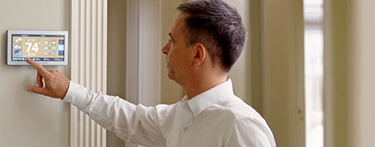
HVAC air purifier installation can help reduce dust, pollen, pet dander, smoke particles, odors, and other indoor air concerns.
However, the system must be compatible with the home’s existing HVAC equipment.
Planning early allows homeowners to compare purification options, evaluate airflow and duct conditions, and complete installation before peak allergy, cooling, or heating seasons.
This helps ensure the purifier improves indoor air quality without affecting HVAC performance.
What Is an HVAC Air Purifier?
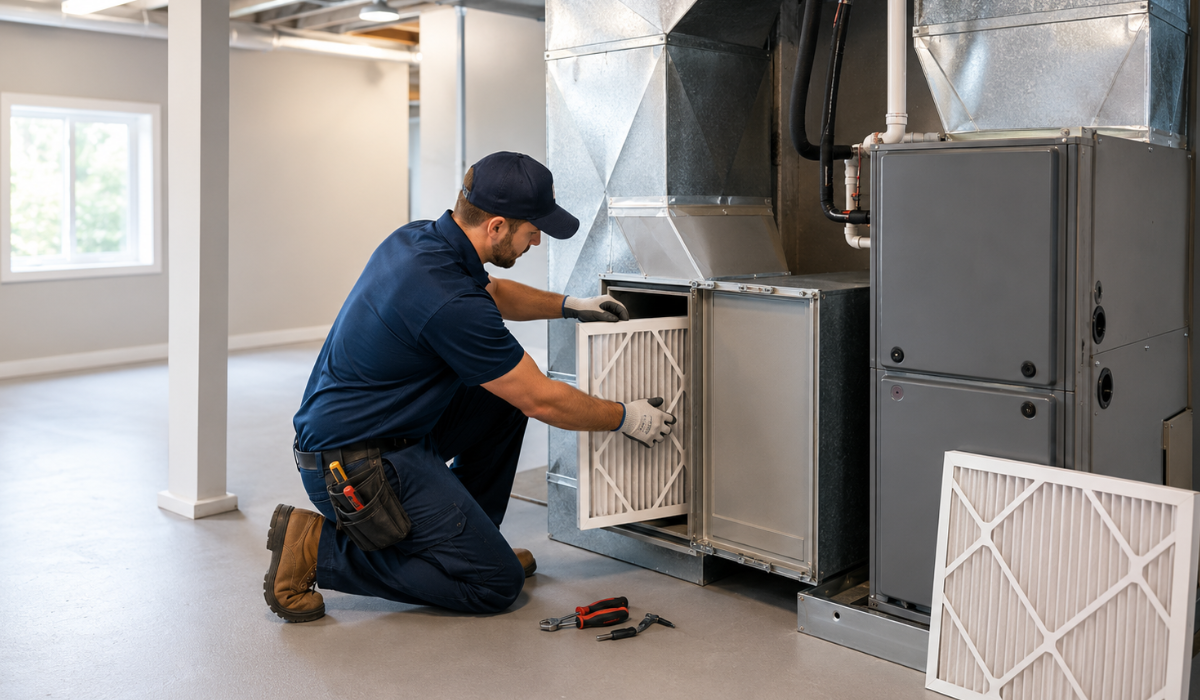
An HVAC air purifier works with a central heating and cooling system to treat air as it moves through the ductwork. Unlike a portable unit, it can help improve air quality across multiple rooms.
Different systems target different concerns. Media filters capture particles such as dust and pollen, carbon filters help reduce odors, and UV systems address biological growth in specific areas.
Choosing the right option depends on the problem you want to manage.
Why an Early Installation Decision Matters
It Provides Time to Identify the Real Problem
Dust, pollen, odors, smoke, pet dander, and humidity concerns may have different causes.
Installing an air purifier without identifying the source may not solve the problem.
A technician can inspect the filters, ducts, airflow, coil, and humidity levels to determine whether the home needs whole-home purification, a portable unit, duct repairs, or another solution.
Early evaluation helps homeowners choose the right system instead of relying on a quick fix.
HVAC Compatibility Can Be Checked
Not every HVAC system can handle a high-efficiency filter.
A filter that is too restrictive may reduce airflow, increase system strain, and contribute to uneven cooling or frozen coils.
A technician can check the blower, ductwork, filter size, and airflow before recommending an upgrade.
Planning early allows time to select a purifier that improves air quality without affecting HVAC performance.
Installation Can Be Completed Before Peak Seasons
Indoor air concerns may become more noticeable during pollen season, wildfire smoke events, extreme heat, cold weather, or periods when windows remain closed.
Waiting until these conditions arrive may leave homeowners searching for an immediate solution while the HVAC system is already operating heavily.
Service schedules may also be busier during periods of extreme weather.
Early installation gives homeowners time to test the purifier, observe system airflow, understand the controls, and learn the maintenance schedule before the equipment is needed most.
It also allows the initial filter or purification component to be inspected after installation.
Any airflow or control concerns can be corrected before the next demanding season.
Homeowners Can Compare Technologies Carefully
Air-cleaning systems work in different ways. Media filters capture particles, carbon filters help reduce odors and gases, and UV systems target biological growth on HVAC surfaces.
Performance depends on the pollutant, airflow, installation, and maintenance.
Homeowners should also avoid products that intentionally produce ozone and choose equipment based on safety, compatibility, and proven performance.
Signs You May Need an HVAC Air Purifier
Dust Returns Soon After Cleaning
Dust that quickly collects on furniture, vents, and other surfaces may indicate that particles are circulating through the home.
Possible causes include leaky return ducts, outdoor air infiltration, pets, household activity, construction debris, or a poorly fitted HVAC filter.
An air purifier may help reduce airborne particles, but the source and duct conditions should also be checked.
Seasonal Allergens Affect Indoor Comfort
Pollen and pet dander can enter through doors, windows, clothing, and pets, then circulate through the home.
High-efficiency filtration can help reduce airborne allergens, but regular cleaning, filter replacement, and moisture control may still be needed.
Air purifiers provide an added layer of filtration beyond a standard HVAC filter.
Odors Remain in Several Rooms
Cooking, pets, smoke, household products, and moisture may cause odors that move through the HVAC system.
Particle filters alone may not effectively address gases or odors. Depending on the source, carbon-based media or another form of air treatment may be more suitable.
Musty odors should also be investigated for moisture, drainage, or microbial growth. An air purifier should not be used to hide an active moisture problem.
The Existing HVAC Filter Is Not Enough
A basic HVAC filter primarily protects equipment from dust and debris while offering limited indoor air-quality benefits.
Its effectiveness depends on the filter rating, fit, replacement schedule, and how often the system runs.
For additional filtration, homeowners may consider a whole-home purifier, upgraded media filter, longer fan operation, or portable air cleaner.
A New HVAC System Is Being Installed
HVAC replacement is a good time to consider air purification because the contractor can review system compatibility, space, electrical needs, controls, and maintenance access.
Planning during installation may be easier than upgrading later, but the purifier should address a specific indoor air concern.
What Happens During Professional Installation?
The Home and HVAC System Are Evaluated
Professional installation should begin with an assessment of the home and its current heating and cooling system.
The technician may ask about pets, allergy-related discomfort, smoke exposure, recurring odors, dust levels, humidity, filter replacement frequency, and which areas of the home are most affected.
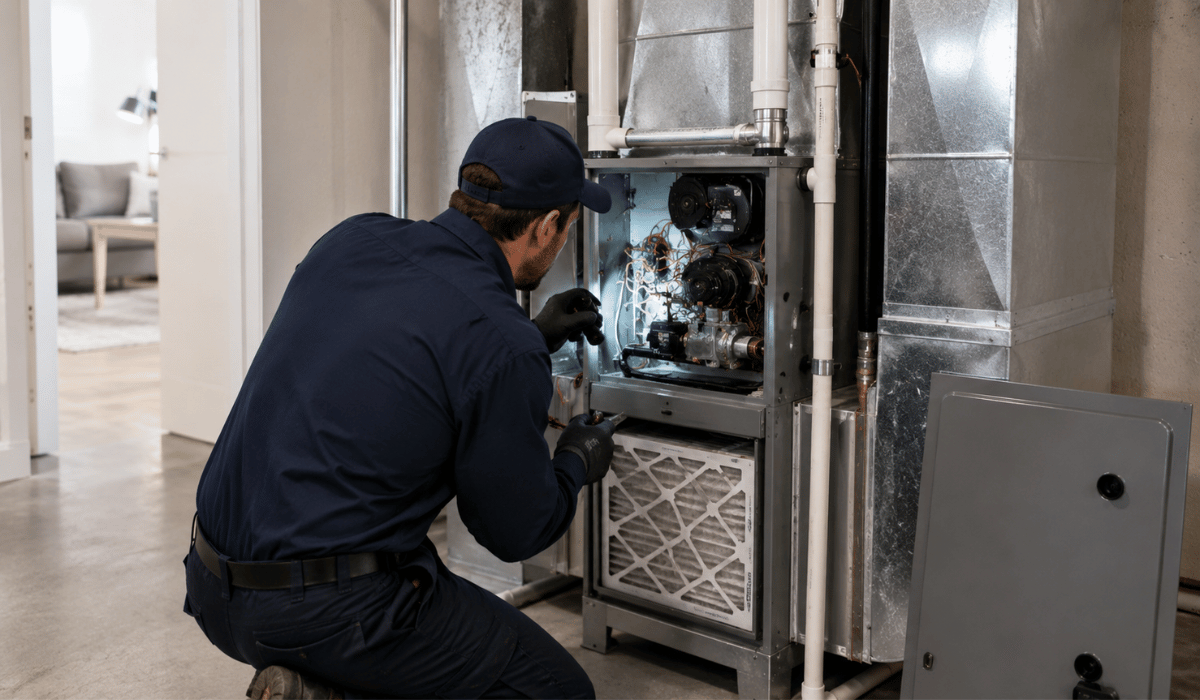
The air handler, filter rack, return ducts, supply ducts, indoor coil, and available installation space may also be inspected.
This helps determine whether the problem is related to filtration, airflow, moisture, ventilation, duct leakage, or another condition.
The Purifier Is Properly Selected
Whole-home air cleaners must match the HVAC system’s airflow, ductwork, and blower capacity.
More restrictive filters are not always better because they can reduce airflow. Like portable purifiers, the system’s cleaning capacity should match the space and airflow being treated.
The Equipment Is Positioned Correctly
Media filtration systems are commonly installed in the return-air path so particles can be captured before the air reaches important HVAC components.
UV equipment may be positioned near the indoor coil or in the ductwork, depending on the product and its intended purpose.
Installation may also require electrical connections, control wiring, sealed access panels, and sufficient space for future maintenance.
Openings around the purifier or filter cabinet should be sealed so air cannot bypass the equipment.
System Performance Is Tested
After installation, the technician should test airflow, blower operation, electrical connections, controls, and system response.
Static-pressure testing may be used to determine whether the newly installed filter or purifier is restricting airflow.
The technician should also confirm that the equipment can be safely accessed for cleaning, filter changes, or lamp replacement.
Homeowners should receive instructions explaining how the system works, how often maintenance is required, and what warning lights or control settings mean.
Plan for Maintenance Before Installation
HVAC air purifiers need regular maintenance. Filters, UV lamps, carbon media, and electronic components may require replacement, cleaning, or inspection based on usage and household conditions.
Homeowners should also review maintenance costs, part availability, warranty terms, and service access before installation.
What an Air Purifier Cannot Do
An HVAC air purifier cannot repair duct leaks, remove an active moisture source, correct combustion problems, or replace proper ventilation.
It also cannot guarantee that occupants will not experience allergies, asthma symptoms, infections, or other health concerns.
Air-cleaning equipment should not be presented as a cure or complete health solution.
Effective indoor air management may also require source removal, ventilation, humidity control, routine cleaning, HVAC maintenance, and properly fitted filters.
The EPA describes filtration as a supplement to pollution-source control and clean-air ventilation, not a replacement for those measures.
Make the Decision Before Air Problems Become Urgent
The most practical time to consider HVAC air purifier installation is before a serious indoor air concern leads to a rushed purchase.
Early planning gives homeowners time to identify the source of the problem, check HVAC compatibility, compare technologies, understand maintenance requirements, and select equipment that matches the home.
Holtkamp HVAC & Plumbing provides professional air purifier installation and indoor air-quality services for homeowners in Suwanee, GA, and nearby communities.
A professional assessment can determine whether whole-home purification, upgraded filtration, a portable purifier, duct improvements, or another solution is the appropriate next step.
Frequently Asked Questions
Is an HVAC air purifier worth installing?
An HVAC air purifier may be worthwhile when dust, pollen, pet dander, odors, smoke particles, or other airborne concerns affect several rooms. Its value depends on choosing equipment that addresses the specific concern and is compatible with the HVAC system.
Does an air purifier replace the regular HVAC filter?
No, A standard HVAC filter helps protect the heating and cooling equipment, while an air purifier or upgraded filtration system may provide additional control of smaller particles or odors. Both components must be maintained according to the equipment requirements.
When should I install a whole-home air purifier?
Consider installation before pollen or smoke seasons, during HVAC replacement, or when recurring indoor air concerns are not being adequately managed by standard filtration. Early planning allows time for equipment evaluation and airflow testing.
Can every HVAC system use a MERV 13 filter?
Not every system can support the same filter. The blower, filter cabinet, ductwork, and available filter area must accommodate the added resistance. A technician should verify the highest filter rating the system can use without creating airflow problems.
How often does an HVAC air purifier need maintenance?
Maintenance depends on the technology, household conditions, equipment usage, and manufacturer instructions. Media filters require replacement, UV lamps need scheduled service, and electronic equipment may require cleaning or inspection.
Will an HVAC air purifier remove all indoor pollutants?
No, different air purifiers target different particles, odors, gases, or biological concerns. A complete indoor air-quality plan may also involve source control, ventilation, humidity management, duct repairs, and regular HVAC maintenance.