



Proper AC installation helps new cooling equipment operate according to the needs of the home.
The process involves more than replacing an outdoor unit. Equipment capacity, component compatibility, ductwork, electrical requirements, refrigerant lines, controls, and startup testing must all be considered.
When these elements work together, the air conditioning system can maintain indoor comfort without avoidable energy waste.
Understanding what happens during installation can help homeowners compare equipment, evaluate estimates, and ask contractors more informed questions.
How Does AC Installation Affect Energy Efficiency?
AC installation affects energy efficiency by influencing how effectively the system absorbs indoor heat, moves conditioned air through the home, manages humidity, and releases heat outdoors.
An air conditioner’s advertised efficiency is measured under standardized testing conditions.
Actual performance depends on how the equipment operates after being connected to the home’s ductwork, electrical supply, thermostat, refrigerant lines, and airflow system.
Installation problems may contribute to:
- Frequent starting and stopping
- Longer-than-expected cooling cycles
- Weak or uneven airflow
- Inconsistent room temperatures
- Poor humidity management
- Difficulty reaching the thermostat setting
- Higher electricity consumption
A high-efficiency air conditioner cannot fully overcome leaking ducts, restricted airflow, incompatible components, incorrect sizing, or an improper refrigerant charge.
Equipment selection and installation quality must therefore be evaluated together.
Proper AC Sizing Helps Prevent Wasted Energy

An appropriately sized AC system can improve efficiency and comfort. BTU capacity should be based on the home’s actual cooling load rather than only square footage or the size of the old unit. Factors such as insulation, windows, additions, and air sealing can affect cooling needs.
Why an Oversized Air Conditioner Can Be Inefficient
An oversized AC may cool the home quickly but shut off before completing a full cycle, causing short cycling.
This can increase energy use, reduce humidity control, create temperature fluctuations, and put extra stress on system components.
Why an Undersized System May Run Too Long
An undersized AC repair may struggle to meet cooling demands during hot weather and run for extended periods without cooling the home evenly.
However, longer cycles during extreme heat are not necessarily a problem if the system can maintain reasonable comfort under expected design conditions.
What a Cooling Load Calculation Evaluates
A professional load calculation estimates how much cooling a particular home requires. Depending on the method used, the calculation may consider:
- The home’s size and layout
- Insulation levels
- Window type and orientation
- Air leakage
- Ceiling height
- Local climate
- Sun exposure
- Number of occupants
- Heat-producing appliances
These factors provide a more complete assessment than square footage alone and help the contractor recommend suitable equipment capacity.
Matched Components Help the AC System Perform as Designed
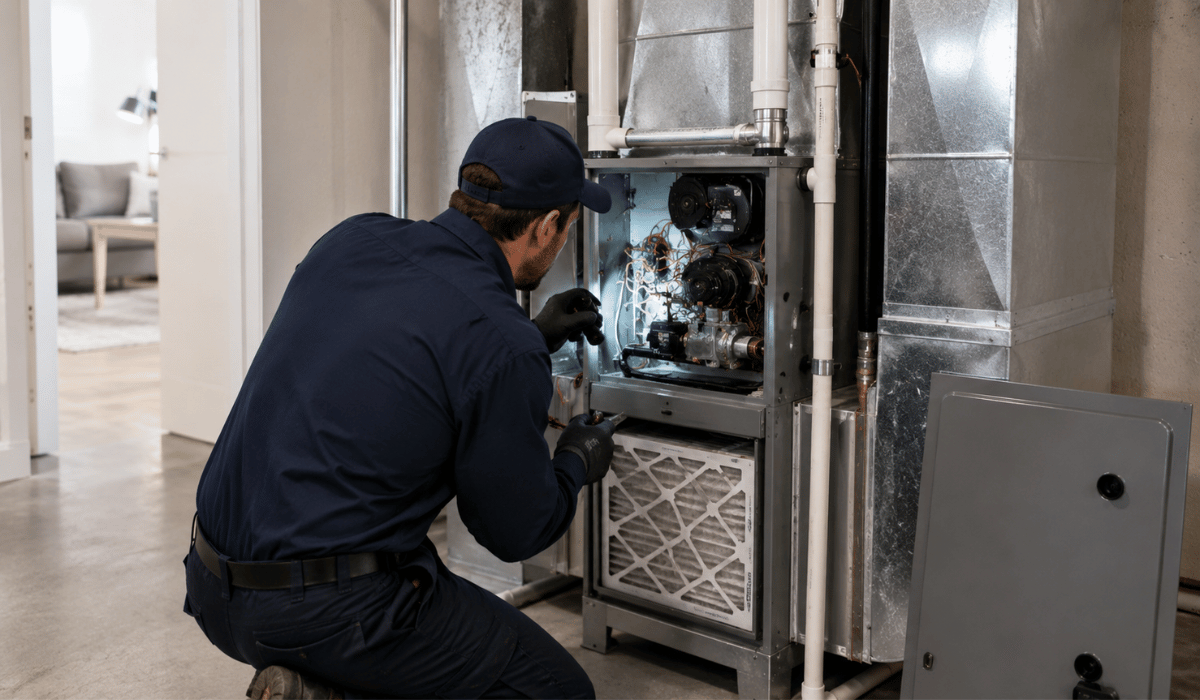
An AC system includes the outdoor condenser, indoor coil, blower, furnace or air handler, and thermostat.
These components must be compatible to maintain proper capacity, airflow, humidity control, and efficiency.
Before installation, contractors should verify the system match and electrical requirements, including wiring, voltage, breaker, disconnect, and circuit capacity.
Any necessary upgrades should be included in the estimate.
Choosing Energy-Efficient Air Conditioning Equipment
Efficiency ratings help homeowners compare equipment, but the highest rating is not necessarily the right choice for every property.
Climate, system usage, installation cost, ductwork, home efficiency, and comfort priorities should also influence the decision.
Understanding SEER2 Ratings
SEER2 stands for Seasonal Energy Efficiency Ratio 2. It compares the seasonal cooling output of air conditioners and heat pumps with the electricity used under standardized test conditions.
A higher SEER2 rating generally indicates more efficient cooling. However, it does not guarantee a particular reduction in utility bills. Actual energy use can vary based on:
- Weather conditions
- Local electricity rates
- Thermostat settings
- Household occupancy
- Insulation and air leakage
- Equipment maintenance
- Installation quality
Potential savings should be evaluated by comparing the new system with the age, condition, and efficiency of the existing equipment.
Comparing Different Operating Stages
A single-stage air conditioner generally operates at full capacity whenever it is on.
A two-stage unit can operate at a lower or higher level based on cooling demand. Variable-capacity equipment can make smaller output adjustments.
Depending on the home and system design, staged or variable equipment may provide steadier temperatures, longer cooling cycles, quieter operation, and improved humidity management.
The appropriate option depends on how the home is used, local weather, the homeowner’s comfort priorities, and the available budget.
Ductwork Can Strengthen or Weaken AC Efficiency
Ductwork carries conditioned air to different rooms and returns indoor air to the HVAC system.
New equipment connected to damaged, leaking, restricted, or poorly designed ducts may not perform as intended.
The existing duct system should be inspected before installation, particularly when the new equipment has different capacity or airflow requirements.
Duct Leakage and Energy Loss
Cooled air can escape through loose connections, damaged sections, unsealed joints, disconnected runs, or gaps around plenums.
Losses can be especially significant when ducts travel through an attic, crawlspace, garage, or another unconditioned area.
Return-side leaks may pull hot, humid, or dusty air into the system. This can increase the cooling demand and affect comfort or indoor air quality.
Duct Size and Airflow Compatibility
Ducts must be able to accommodate the airflow required by the new system. Undersized or restricted ductwork can contribute to:
- Excessive system pressure
- Weak airflow
- Noisy operation
- Uneven temperatures
- Increased blower demand
- Reduced cooling performance
Return-air capacity is equally important. If an insufficient amount of air returns to the equipment, the entire distribution system may be affected.
When Ductwork May Need Modification
Complete duct replacement is not required for every air conditioner installation. Existing ducts may remain suitable when they are correctly sized, properly sealed, adequately insulated, and in good condition.
Depending on the inspection, improvements may include sealing joints, repairing damaged sections, adding return-air capacity, changing specific duct runs, or insulating ducts in unconditioned spaces.
Airflow and Refrigerant Setup Affect Cooling Performance
Proper airflow and refrigerant levels are essential for effective cooling.
Restricted airflow from blocked registers, poor ductwork, incorrect blower settings, or unsuitable filters can cause weak cooling and frozen coils.
Technicians should check airflow, filters, and duct performance during startup.
The refrigerant system should also be properly installed, including correct line sizing, leak testing, insulation, moisture removal, and charging. Too much or too little refrigerant can reduce efficiency and strain the compressor.
Equipment Placement and Thermostat Location Matter
The indoor unit, outdoor condenser, and thermostat should be placed where they can perform their intended functions and remain accessible for service.
Outdoor Condenser Placement
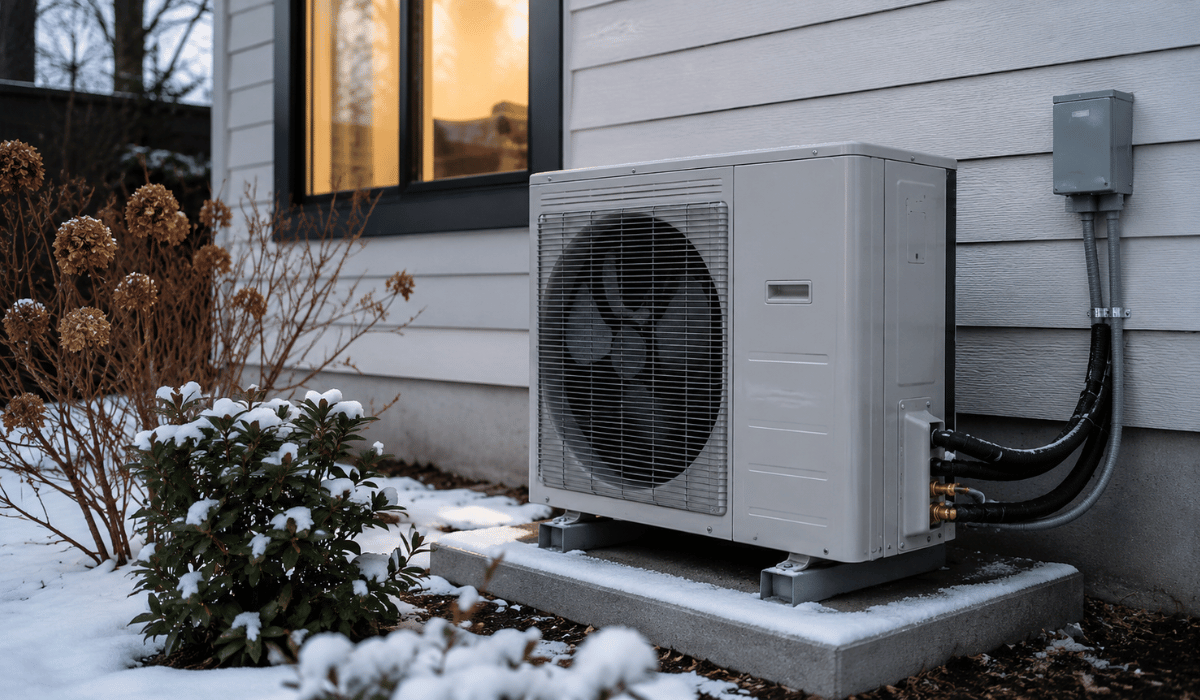
The outdoor unit needs sufficient clearance to draw in air and release heat. The installation should provide:
- A stable and level base
- Manufacturer-required clearance
- Unrestricted airflow
- Access for maintenance and repair
- Protection from excessive debris accumulation
Landscaping or structures should not enclose the unit so tightly that airflow is restricted.
Indoor Equipment Access
Indoor equipment should remain accessible for filter replacement, coil service, drain inspection, and routine maintenance. The installation must also provide suitable condensate drainage to carry moisture away from the equipment.
Poor access can make AC maintenance more difficult and allow developing problems to remain unnoticed.
Thermostat Placement and Compatibility
A compatible thermostat can support temperature scheduling, remote monitoring, and humidity controls.
It should be placed away from direct sunlight, drafts, doors, vents, kitchens, and heat-producing appliances to ensure accurate readings.
Smart thermostats can improve system operation but cannot fix sizing, airflow, duct, or refrigerant issues.
Startup Testing Confirms System Performance
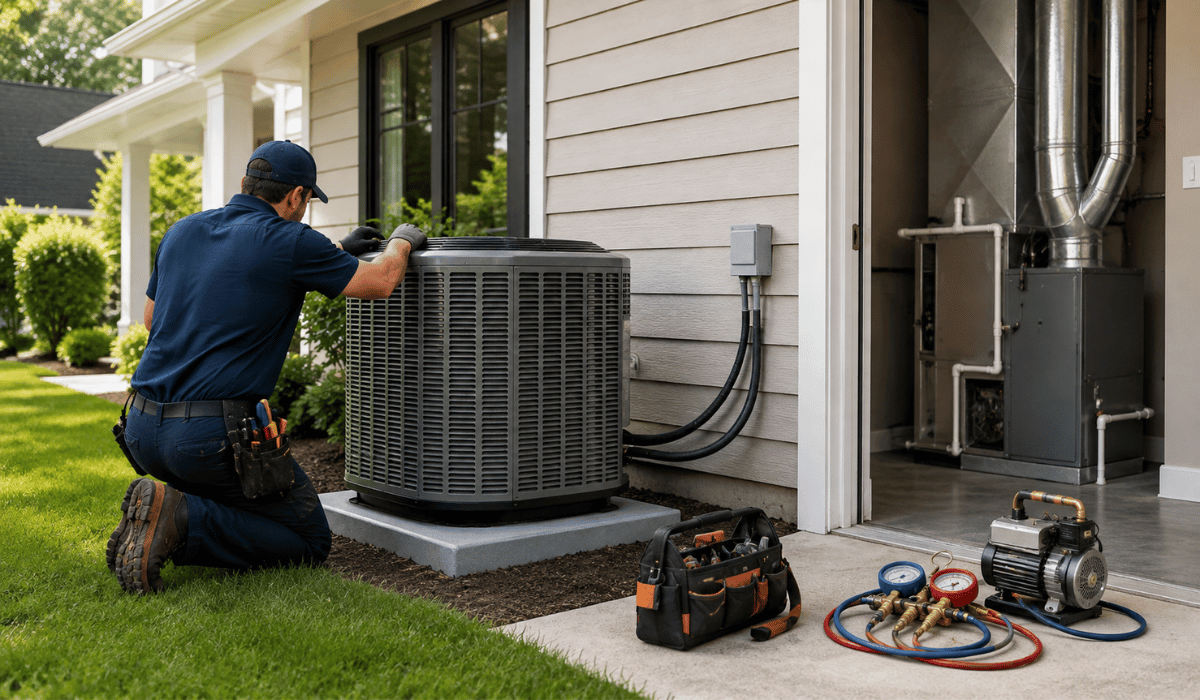
Commissioning is the testing and adjustment completed after AC installation. Turning the system on and feeling cool air at a register does not confirm that it is operating correctly or efficiently.
Depending on the equipment, the technician may record:
- Refrigerant charge or operating pressures
- Supply and return air temperatures
- Total system airflow
- Blower configuration
- Electrical voltage and current
- Thermostat response
- Condensate drainage
- System pressure measurements
- Unusual noises or vibrations
Measurements that fall outside the equipment specifications may indicate that adjustments are needed.
Homeowners should receive or request relevant installation records, including:
- Indoor and outdoor model numbers
- Serial numbers
- Efficiency documentation
- Warranty information
- Filter size and type
- Maintenance instructions
- Thermostat guidance
- Startup or commissioning results
These records can be useful for warranty registration, future maintenance, repairs, and potential energy-efficiency incentive applications.
Permits, Inspections, and Incentives Should Be Discussed Early
Permit and inspection requirements vary by location and project scope.
Homeowners should confirm who will handle permits, inspection fees, and scheduling before installation.
Some AC systems may qualify for rebates or tax incentives, but eligibility depends on equipment ratings, installation dates, and current program rules. Verify requirements before choosing equipment.
Plan Your AC Installation With Holtkamp HVAC & Plumbing
If your current cooling system is aging, inefficient, or unable to maintain consistent comfort, Holtkamp HVAC & Plumbing can evaluate your home and explain suitable replacement options.
The assessment can consider the home’s cooling load, existing ductwork, component compatibility, electrical requirements, equipment efficiency, and comfort priorities. Careful planning and professional installation help provide a stronger foundation for dependable, energy-conscious air conditioning.
Schedule an AC installation consultation with Holtkamp HVAC & Plumbing to explore cooling options for your home in Suwanee, GA, or a nearby service area.
Frequently Asked Questions
How can AC installation improve energy efficiency?
Proper installation helps the system operate as designed by addressing equipment size, component compatibility, airflow, ductwork, refrigerant charge, and controls. These factors can reduce avoidable runtime and cooling loss.
Does a higher SEER2 rating guarantee lower energy bills?
No, SEER2 allows homeowners to compare rated cooling efficiency, but actual bills also depend on weather, energy prices, thermostat settings, home conditions, system use, and installation quality.
How is the correct AC size determined?
A contractor should perform a cooling load calculation that considers the home’s layout, insulation, windows, air leakage, sun exposure, occupancy, and local climate. Square footage alone is not a complete sizing method.
Should ductwork be replaced during installation?
Not necessarily. Existing ductwork may be reused if it is appropriately sized, sealed, insulated, and in good condition. Inspection may reveal that only specific repairs or modifications are needed.
Why must indoor and outdoor AC components be matched?
Efficiency and capacity ratings generally apply to tested combinations of indoor and outdoor equipment. Unmatched components may affect airflow, cooling output, humidity control, and overall performance.