


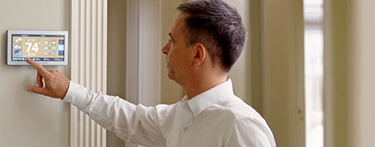
Summer heat puts extra strain on your HVAC system, causing it to run longer and work harder. Worn parts, restricted airflow, electrical problems, and poor maintenance can quickly lead to unexpected breakdowns.
A sudden HVAC failure can make your home uncomfortable and may result in costly emergency repairs. Fortunately, many problems show warning signs before the system shuts down.
-
Avoiding a Total System Shutdown: What Homeowners Should Know
Here are five common summer HVAC repair problems homeowners should watch for and ways to help prevent a complete breakdown.
Refrigerant Leaks and Low Refrigerant Levels
Refrigerant helps your HVAC system remove heat from your home.
When a leak causes refrigerant levels to drop, the system may run longer without cooling properly.
Common signs include warm air from the vents, ice on the coils or refrigerant lines, and unusually long cooling cycles.
Simply adding refrigerant is only a temporary fix if the leak is not repaired.
Ignoring the problem can increase energy use and place extra strain on the compressor, leading to more expensive repairs.
How to Avoid a Shutdown
Pay attention to changes in your HVAC system’s cooling performance. If your home is taking longer to cool or the system is blowing warm air, schedule a professional inspection.
A technician can identify potential leaks, check refrigerant levels, and determine whether repairs are needed before the problem causes a more serious failure.
Clogged Air Filters and Restricted Airflow
A dirty or clogged air filter can restrict airflow and make your HVAC system work harder to cool your home during summer.
This added strain can increase energy use, stress components, and lead to uneven cooling.
If airflow remains restricted, it may also contribute to coil problems or unexpected system shutdowns.
Regularly checking and replacing the air filter can help maintain proper airflow and reduce unnecessary strain on your HVAC system.
How to Avoid a Shutdown
Check your HVAC filter regularly and replace it according to the manufacturer’s recommendations or your home’s specific needs.
Homes with pets, allergies, renovations, or high levels of dust may require more frequent filter changes.
You should also avoid blocking supply and return vents with furniture, rugs, curtains, or other objects.
Proper airflow helps your HVAC system operate more efficiently and reduces unnecessary strain during periods of heavy summer use.
Electrical Problems and Failing Components
HVAC systems rely on electrical components such as capacitors, contactors, wiring, and relays, which can wear out over time, especially during heavy summer use.
A failing capacitor may cause starting problems, clicking or humming sounds, or prevent the outdoor unit from running.
Recurring electrical issues can also cause the system to shut down unexpectedly.
Ignoring these warning signs may lead to more serious damage, so professional inspection and timely repairs are recommended.
How to Avoid a Shutdown
If your HVAC system is struggling to start, frequently tripping a breaker, making unusual electrical noises, or shutting off unexpectedly, contact a qualified HVAC professional.
Electrical components should be inspected and repaired by trained technicians. Attempting DIY electrical repairs can create serious safety risks and may result in additional system damage.
Professional maintenance can also help identify worn electrical components before they fail completely, allowing repairs to be addressed before the hottest days of summer.
Frozen Evaporator Coils
An air conditioner can develop frozen evaporator coils even during hot summer weather.
This is often caused by restricted airflow from a dirty filter, blocked ducts, blower problems, or low refrigerant levels.
Signs may include ice around the indoor unit or refrigerant lines and weak or warm airflow.
Continuing to run the system while the coil is frozen can increase strain and potentially cause water damage when the ice melts. Professional inspection can identify and fix the underlying problem.
How to Avoid a Shutdown
If you notice ice on your HVAC system, turn the system off and allow it to thaw. Avoid repeatedly restarting the air conditioner without determining why the coil froze.
A professional technician can inspect the system for airflow restrictions, refrigerant problems, blower issues, or other underlying causes. Fixing the root problem is essential to preventing the issue from returning.
Regular filter replacement and professional HVAC maintenance can also help identify potential airflow and refrigerant issues before they become major problems.
Dirty Condenser Coils and Overheating
Dirty condenser coils can make it difficult for your outdoor HVAC unit to release heat efficiently.
Dirt, leaves, grass clippings, and other debris can restrict airflow, forcing the system to work harder and increasing the risk of overheating and shutdowns.
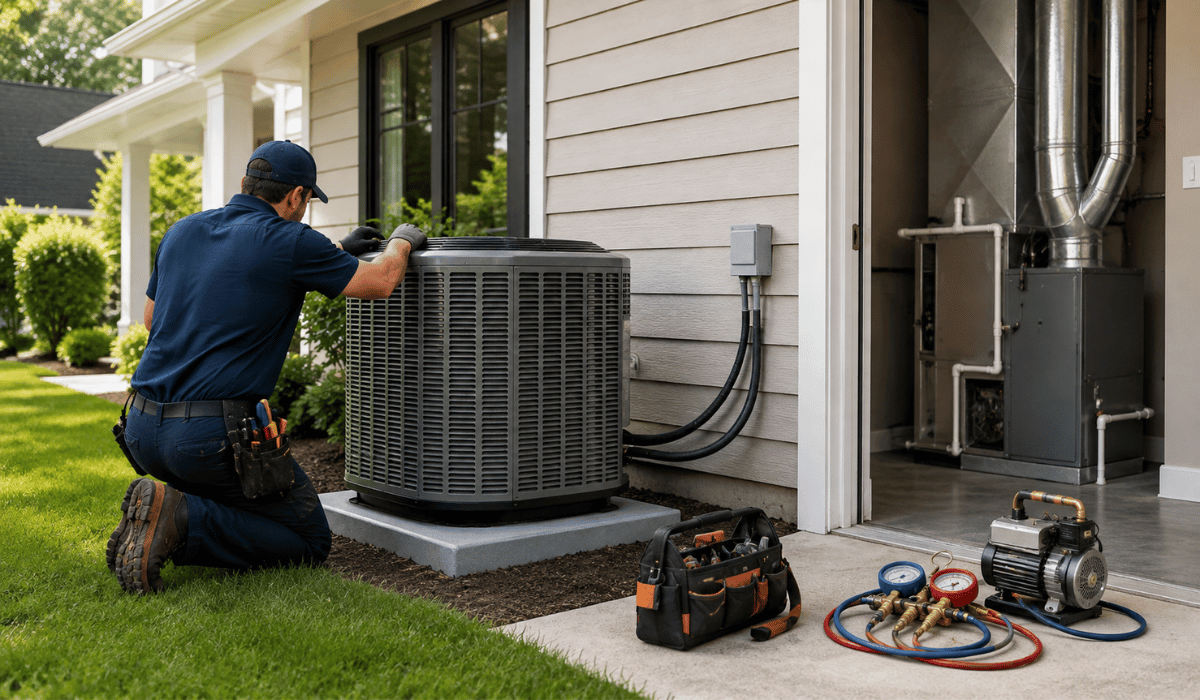
Keeping the area around the outdoor unit clear of plants, debris, and other obstructions can help maintain proper airflow and reduce unnecessary strain on the system.
How to Avoid a Shutdown
Keep the area around your outdoor HVAC unit clear of debris and allow sufficient space for airflow.
During routine maintenance, a professional can inspect and clean the condenser coils as needed.
It is important to avoid using excessive water pressure or attempting complicated cleaning procedures that could damage delicate components.
Professional HVAC maintenance can ensure the outdoor unit is cleaned and inspected properly.
Other Warning Signs You Should Not Ignore
While the five problems above are common during summer, your HVAC system may provide several other warning signs before a complete shutdown.
Contact an HVAC professional if you notice:
- Unusual banging, grinding, buzzing, or squealing noises
- Weak airflow from the vents
- Frequent short cycling
- Unexplained increases in energy bills
- Uneven temperatures throughout your home
- Water pooling around the indoor unit
- Frequent system resets or breaker trips
- A thermostat that does not respond properly
- Burning or unusual odors
These symptoms do not always mean your system is about to fail completely. However, addressing them early can help prevent minor issues from developing into major repairs.
How Regular HVAC Maintenance Can Help Prevent Summer Breakdowns
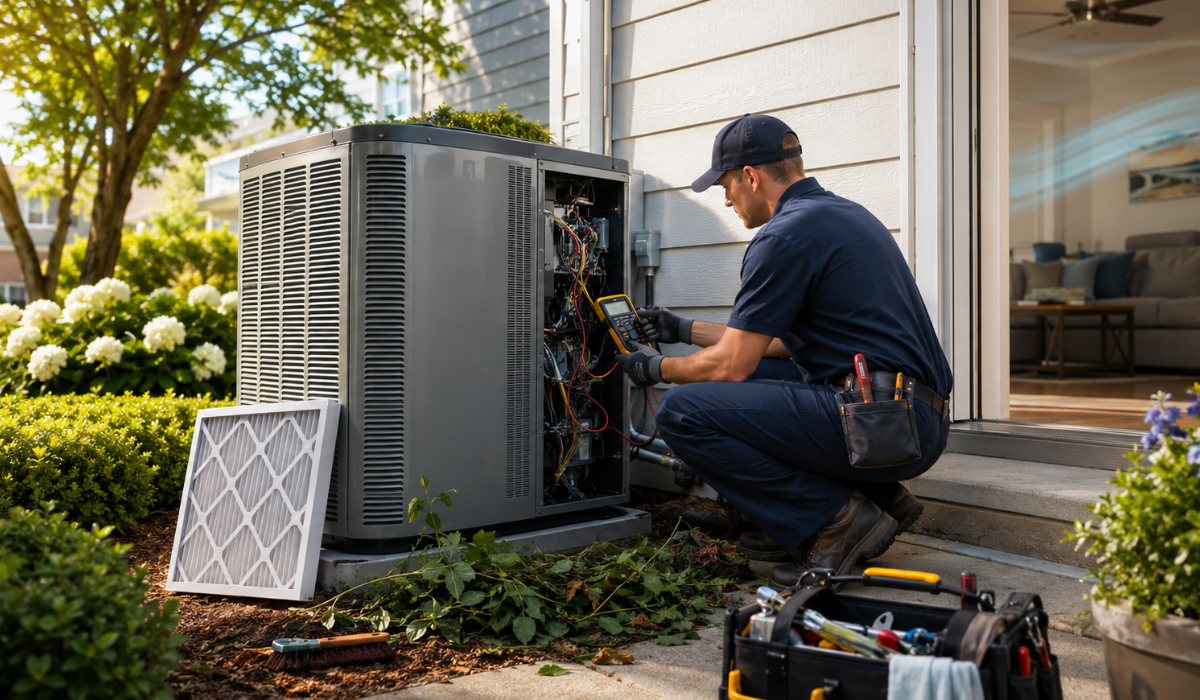
Regular HVAC maintenance can reduce the risk of unexpected summer breakdowns.
A professional tune-up can include checking refrigerant levels, electrical connections, airflow, system components, and cleaning areas that affect performance.
Homeowners can also help by replacing dirty filters, keeping outdoor units clear, and watching for changes in system performance.
While maintenance cannot prevent every failure, it can help identify worn components early and improve the system’s reliability.
What to Do If Your HVAC System Stops Working During Summer
If your air conditioner stops working on a hot day, check that the thermostat is set correctly, the circuit breaker has not tripped, the air filter is clean, and vents are unobstructed.
If the problem continues, contact a qualified HVAC professional.
Avoid repeatedly restarting the system if you notice unusual noises, burning smells, or electrical issues, as this could worsen the damage.
If your home becomes dangerously hot, move to a cooler location while waiting for professional service.
Conclusion
Summer HVAC breakdowns are often preventable when warning signs are addressed early.
By keeping filters clean, maintaining proper airflow, scheduling regular professional inspections, and repairing problems promptly, you can reduce the risk of a total system shutdown and keep your home comfortable throughout the summer.
Keep Your HVAC System Running Through the Summer
Ignoring HVAC warning signs can turn minor issues such as refrigerant leaks, restricted airflow, electrical problems, or frozen coils into costly system breakdowns.
Regular maintenance and timely repairs can help keep your HVAC system running reliably and reduce the risk of unexpected summer emergencies.
Frequently Asked Questions
Why does my HVAC system stop working on the hottest days?
Your HVAC system typically works hardest during periods of extreme heat. If components are worn, airflow is restricted, or the system has not received proper maintenance, the increased workload can expose existing problems and lead to a shutdown.
How often should I change my HVAC air filter?
The ideal replacement schedule depends on the type of filter, your home’s air quality, whether you have pets, and how frequently the system operates. Check the manufacturer’s recommendations and inspect the filter regularly. A visibly dirty or clogged filter should generally be replaced.
Can low refrigerant cause my air conditioner to stop working?
Yes, low refrigerant can reduce cooling performance and place additional strain on the system. If the refrigerant level is low, a professional should identify and repair the underlying leak rather than simply adding refrigerant.
Why is my air conditioner blowing warm air?
Warm air may result from several issues, including low refrigerant, restricted airflow, a frozen evaporator coil, electrical problems, or thermostat issues. A professional inspection can help identify the exact cause.
What should I do if my HVAC system is frozen?
Turn off the air conditioner and allow the ice to thaw. Check whether the air filter is clogged, but avoid attempting complicated repairs yourself. If the problem continues, contact an HVAC professional to identify the underlying cause.
Can a dirty HVAC filter cause a system shutdown?
Yes. A severely clogged filter can restrict airflow and increase strain on the HVAC system. In some cases, this may contribute to overheating or other operating problems that result in a shutdown.
How can I prevent my HVAC system from breaking down in summer?
Schedule professional maintenance before the cooling season, replace filters regularly, keep the outdoor unit clear of debris, maintain proper airflow, and address unusual noises or cooling problems promptly. Early repairs can reduce the risk of a more serious breakdown.
Should I repair or replace my old HVAC system?
The right choice depends on the system’s age, repair history, efficiency, condition, and the cost of the required repair. A professional HVAC technician can evaluate the system and help you compare the benefits of continued repairs with replacement.
Why does my HVAC system keep turning on and off?
Frequent cycling can be caused by thermostat problems, restricted airflow, incorrect system sizing, refrigerant issues, or other mechanical problems. If your HVAC system is repeatedly turning on and off, a professional inspection can help determine the cause.