


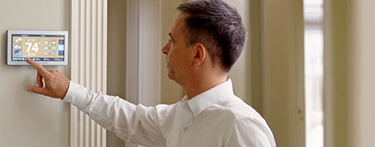
Searching for a commercial HVAC company near me in GA becomes especially important when heavy rain or high humidity begins affecting indoor comfort, equipment performance, or business operations.
Commercial HVAC systems are designed to manage changing weather, but prolonged moisture, flooding, storm debris, and high indoor humidity can create conditions that require professional attention.
Rain alone does not usually damage properly installed outdoor HVAC equipment. However, the flooding, electrical disturbances, debris, drainage problems, and increased moisture that accompany severe weather may affect the system.
In this article, we will explain how rain and humidity influence commercial HVAC systems, which warning signs require attention, and how preventive maintenance can help protect your facility.
Can Rain Damage a Commercial HVAC System?
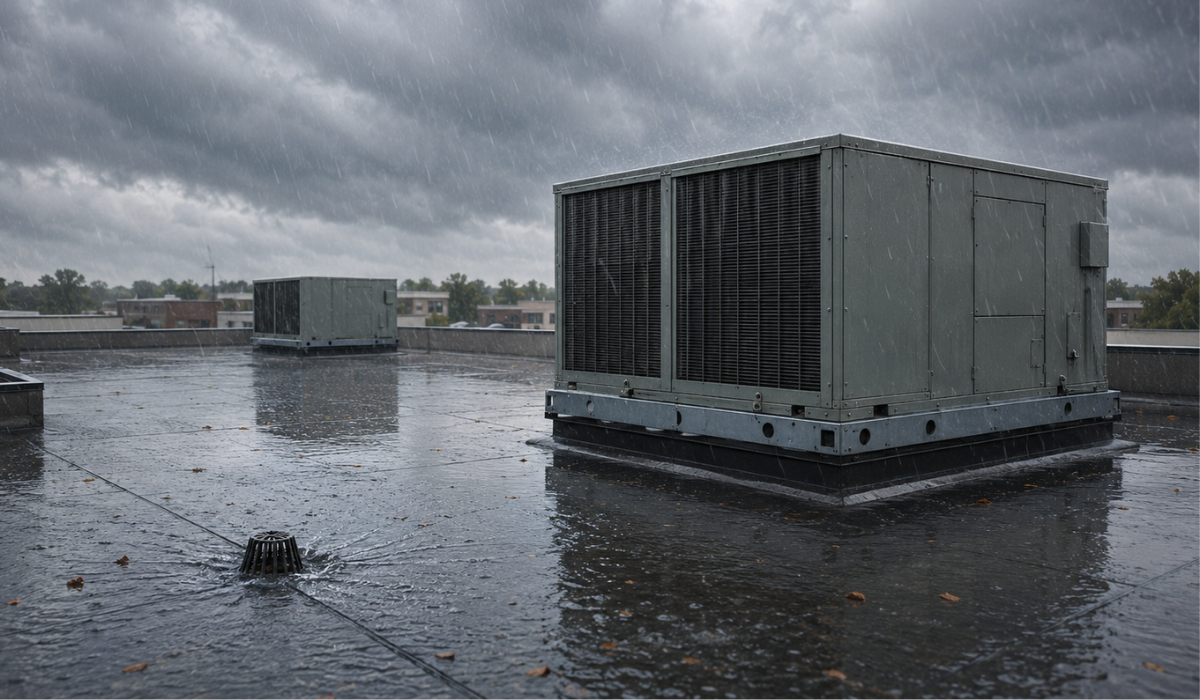
Normal rainfall generally does not harm a properly installed commercial HVAC system.
Outdoor units are manufactured to operate in changing weather and have protective cabinets and weather-resistant components.
Problems are more likely to develop when rain becomes unusually heavy or is accompanied by high winds, flooding, roof leaks, or electrical events.
The equipment’s location, drainage conditions, installation quality, and maintenance history also influence its ability to withstand severe weather.
A rooftop unit, for example, may be exposed to wind-driven debris or water entering through damaged roofing.
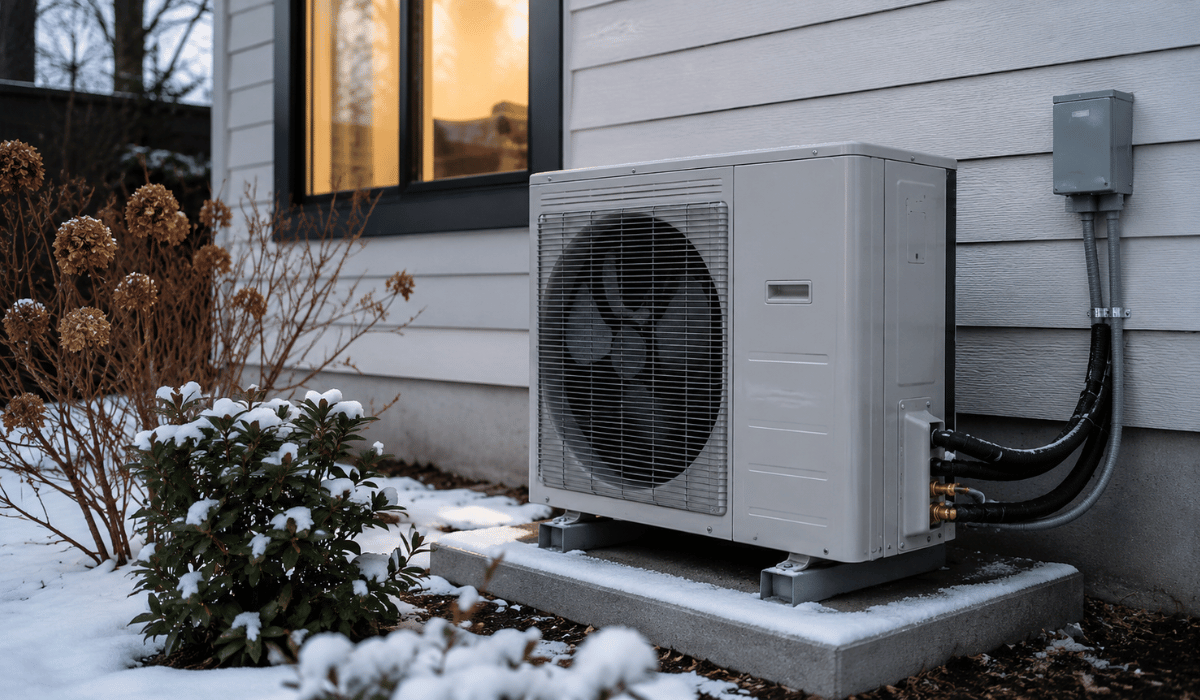
Ground-level condensers may face standing water if the surrounding area does not drain correctly.
The rain itself is therefore not always the primary concern; the conditions it creates often present the greater risk.
How Heavy Rain Can Affect Commercial HVAC Equipment
Commercial properties often contain multiple indoor and outdoor HVAC components.
Rain-related problems can develop around rooftop units, condensers, air handlers, ductwork, electrical connections, and drainage systems.
Flooding Around Ground-Level Equipment
Standing water can reach motors, wiring, controls, and other components that are not intended to operate while submerged.
Even after the water recedes, contaminants, corrosion, or hidden electrical damage may remain.
The system should not be restarted if floodwater has entered the equipment.
A commercial HVAC technician should inspect the affected unit and determine whether it can operate safely.
Flooded components may require cleaning, testing, repair, or replacement depending on the depth and duration of exposure.
Property managers should also investigate why water collected around the unit.
Poor grading, blocked drainage, undersized stormwater systems, or a shifted equipment pad may allow the same problem to return during the next storm.
Storm Debris and Restricted Airflow
High winds can carry leaves, branches, trash, roofing materials, and other debris toward outdoor HVAC units.
This material may bend condenser fins, obstruct airflow, damage fan components, or collect inside the equipment cabinet.
A commercial air-conditioning system depends on adequate airflow to release heat.
When debris blocks the condenser coil or surrounding area, the unit may run longer and struggle to maintain the desired indoor temperature.
After a major storm, facility staff can visually inspect the area without opening equipment panels.
Loose debris around the unit can be removed when it is safe to do so, but internal obstructions or visible equipment damage should be handled through commercial HVAC repair.
Shifting or Unstable Equipment Bases
Heavy rainfall can soften or erode soil around ground-mounted HVAC equipment.
If the supporting pad shifts, the unit may become uneven. That movement can place stress on refrigerant lines, electrical connections, drainage components, and the equipment cabinet.
The unit should not simply be pushed back into position. A technician may need to inspect its connections, while the surrounding drainage or foundation problem may require correction by an appropriate contractor.
Roof Leaks Near HVAC Components
Damaged flashing, seals, or roof drains can allow water to enter around rooftop HVAC units and ductwork.
Moisture may damage insulation, ceilings, electrical components, and occupied areas while contributing to odors or microbial growth.
Both the roofing and HVAC systems may require inspection to locate and correct the source.
Electrical Damage and Power Disturbances
Storm-related outages, voltage changes, and power surges can damage HVAC controls, motors, compressors, thermostats, and automation equipment.
If the system does not restart normally, avoid repeatedly resetting the breaker and have a qualified technician inspect the equipment and electrical supply
How Humidity Affects Commercial HVAC Performance
Humidity is the amount of moisture in the air. When indoor humidity is high, a commercial HVAC system must remove both heat and moisture, which may increase runtime and energy use.
Moisture loads vary by building type, occupancy, ventilation, cooking, cleaning activities, outdoor-air leaks, and how often doors open. These factors should be evaluated when addressing commercial humidity concerns.
Condensation on Ducts and Building Surfaces
Warm, humid air can condense when it contacts a surface that is below the air’s dew point. This may appear as moisture on supply registers, ductwork, pipes, windows, walls, or ceilings.
Condensation can be associated with damaged duct insulation, air leaks, excessive indoor humidity, low supply-air temperatures, or inadequate airflow. Persistent moisture may damage ceiling materials, insulation, finishes, and nearby building components.
Wiping away the water does not address its cause. A commercial HVAC inspection may be needed to evaluate airflow, insulation, duct leakage, temperature differences, and indoor moisture levels.
Mold and Musty Odors
High humidity and damp materials can contribute to microbial growth and musty odors.
Moisture may come from the HVAC system, roof leaks, plumbing issues, poor ventilation, or exterior water intrusion.
Lasting improvement requires identifying and controlling the moisture source before cleaning affected areas.
Reduced Comfort and Indoor Air Quality Concerns
High humidity can make occupied areas feel sticky or uncomfortable and may contribute to odors and condensation.
It can also affect materials, merchandise, electronics, and processes that require controlled indoor conditions.
Humidity that is too low can also create comfort or operational concerns, although persistent high moisture is usually the more relevant issue during rainy weather.
Commercial humidity control should be based on the building’s use rather than one universal setting for every property.
Why a Commercial HVAC System May Struggle With Humidity
A commercial system may fail to manage humidity even when it continues producing cool air. One possible cause is oversized equipment.
A unit with excessive cooling capacity may lower the temperature quickly and shut off before operating long enough to remove sufficient moisture.
Restricted airflow, dirty coils, blocked condensate drains, control problems, duct leakage, and incorrect ventilation settings may also affect moisture removal.
In other cases, the building’s use may have changed since the system was installed. Increased occupancy, new equipment, additional outdoor-air requirements, or modified interior spaces can change the cooling and humidity load.
A commercial HVAC contractor can evaluate the complete system instead of assuming that a dehumidifier is always the first solution.
The assessment may include equipment capacity, runtime, airflow, controls, coil performance, drainage, ventilation, duct conditions, and the building envelope.
Warning Signs After Heavy Rain or Humid Weather
A commercial HVAC system may need attention when indoor humidity remains high despite normal cooling, water appears around HVAC equipment, or condensation repeatedly forms on vents and ducts.
Musty odors, wet ceiling tiles, weak airflow, unusual sounds, extended runtime, and inconsistent temperatures also deserve investigation.
Other warning signs include damaged outdoor cabinets, debris inside the unit, a shifted condenser pad, tripped breakers, unresponsive controls, and equipment that does not restart properly after an outage.
Immediate professional attention is appropriate when equipment has been submerged, water is near electrical components, burning odors are present, or the system repeatedly trips its breaker.
Facility staff should not open energized panels or restart flood-exposed equipment.
Conclusion
Commercial HVAC equipment is designed for changing weather, but flooding, debris, electrical disturbances, and excessive moisture can still affect performance.
Evaluating both the equipment and the surrounding building conditions is essential when problems appear after severe weather.
Timely inspections and planned maintenance from the Best HVAC Company can help businesses address vulnerable areas and prepare their systems for future seasonal demands.
Protect Your Commercial HVAC System With Holtkamp HVAC & Plumbing
Rain, storms, and high humidity can expose drainage, airflow, electrical, and moisture-control problems within a commercial property.
https://www.holtkamphvac.com/blog/signs-you-need-emergency-plumbing-services-shown-by-slow-drains-and-foul-smells-in-a-home/
Holtkamp HVAC & Plumbing provides commercial HVAC services for businesses in Suwanee, GA, and surrounding communities.
Schedule a commercial HVAC inspection if your building has persistent humidity, storm-related equipment concerns, uneven cooling, or unexplained moisture.
A professional evaluation can help identify the source of the problem and determine an appropriate response.
Frequently Asked Questions
Is it safe to run a commercial air conditioner while it is raining?
Commercial air conditioners can generally operate during normal rain. However, turn the system off and arrange an inspection if the equipment is flooded, damaged, making unusual noises, or showing electrical problems.
Can high humidity make a commercial HVAC system use more energy?
High humidity may cause the system to run longer as it removes heat and moisture. Energy use can also be affected by outdoor-air entry, equipment condition, building insulation, occupancy, and control settings.
Why is there condensation around commercial air vents?
Condensation occurs when humid air contacts a cold vent or nearby surface. High indoor humidity, damaged duct insulation, air leakage, restricted airflow, or low supply-air temperatures may contribute to the problem.
Should commercial outdoor HVAC equipment be covered before heavy rain?
Operating equipment should remain uncovered because a cover can restrict airflow and trap heat or moisture. If flooding is a concern, improving drainage or elevating vulnerable equipment offers a safer long-term solution.
What should a business do if an HVAC unit has been flooded?
Keep the equipment turned off until a qualified professional inspects it. Floodwater can damage electrical parts, motors, controls, and insulation, so affected components may require cleaning, testing, repair, or replacement.
Why does my building feel humid even though the AC is cooling?
The system may be reducing temperature without removing enough moisture. Oversized equipment, short cycles, restricted airflow, coil problems, incorrect controls, or excessive outdoor-air entry may be responsible.
How often should a commercial HVAC system be inspected?
Inspection frequency depends on the equipment, operating hours, building use, environmental conditions, and manufacturer guidance. Systems that run continuously or serve moisture-sensitive facilities may require more frequent service.