


Commercial HVAC systems play a major role in keeping businesses comfortable, productive, and safe.
Whether you manage an office building, retail store, warehouse, restaurant, medical facility, or other commercial property, your heating and cooling system needs regular maintenance to perform properly.
Without routine service, commercial HVAC systems may become less efficient, more expensive to operate, and more likely to break down.
Regular maintenance can help reduce unexpected repairs, extend equipment life, and improve comfort for employees and customers.
Commercial HVAC systems are often larger and more complex than residential systems, which means they need more detailed inspections and regular servicing.
Small problems like dirty filters, worn belts, refrigerant leaks, or electrical issues can quickly affect the performance of the entire system if they are not addressed.
Understanding what is included in commercial HVAC maintenance can help business owners know what to expect and why regular service is so important.
Routine maintenance can also help businesses avoid costly downtime and keep heating and cooling systems running more reliably throughout the year.
Why Commercial HVAC Maintenance Matters
Commercial HVAC systems often work much harder than residential systems.
Many businesses rely on heating and cooling systems for long operating hours, large spaces, and heavy foot traffic.
When maintenance is ignored, even a small issue can become a larger and more expensive problem.
Dirty filters, worn parts, refrigerant issues, and electrical problems can reduce system performance and increase utility costs.
Routine maintenance helps identify these problems early before they lead to major repairs or business disruptions.
It can also improve energy efficiency, help maintain more consistent indoor temperatures, and reduce the risk of unexpected breakdowns during busy business hours.
For many commercial properties, HVAC performance directly affects employee comfort, customer experience, and daily operations. Regular maintenance helps keep systems running reliably throughout the year.
Common Inspection Items During Commercial HVAC Maintenance
Commercial HVAC maintenance visits usually include a full inspection of the system to identify signs of wear, safety concerns, and efficiency problems.
Some of the most common inspection items include:
- Checking thermostat settings and controls
- Inspecting electrical connections
- Testing system performance
- Measuring airflow
- Inspecting belts, motors, and moving parts
- Checking refrigerant levels
- Looking for leaks or drainage issues
- Cleaning coils and filters
- Inspecting ductwork
- Testing safety controls and shut-off systems
These inspections help ensure that the system is operating properly and that small issues are addressed before they become larger problems.
Rooftop Unit Maintenance
Many commercial buildings rely on rooftop HVAC units for heating and cooling.
These systems are exposed to outdoor conditions year-round, they often require additional maintenance.
Rooftop unit maintenance may include:
- Cleaning condenser and evaporator coils
- Inspecting fans and motors
- Checking belts and pulleys
- Inspecting rooftop curbs and seals
- Clearing debris around the unit
- Inspecting drain pans and condensate lines
- Checking refrigerant levels
- Inspecting electrical components
Wind, rain, dirt, leaves, and debris can all affect rooftop equipment over time. Regular inspections can help keep these systems working efficiently and reduce the risk of unexpected failures.
Air Filter Replacement and Cleaning
Air filters are one of the most important parts of any HVAC maintenance plan.
Dirty filters can restrict airflow, reduce indoor comfort, and force the system to work harder. This can increase energy costs and place extra strain on the equipment.
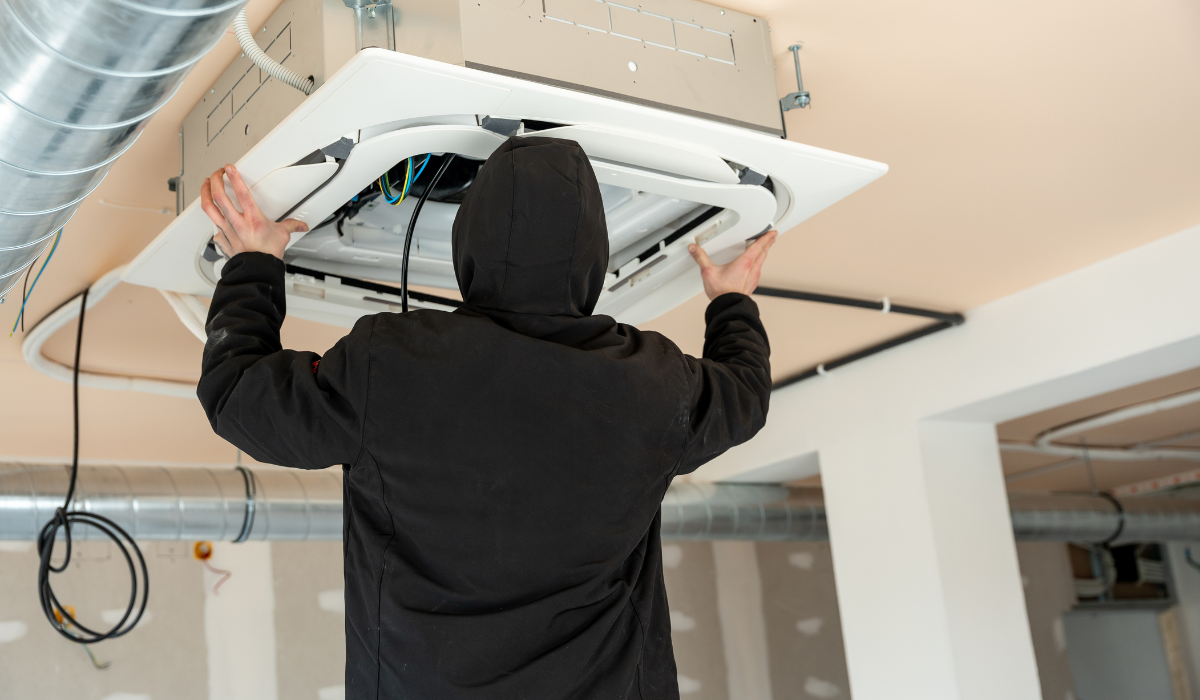
Commercial properties often need more frequent filter changes than residential systems because of higher system usage, larger spaces, and increased dust or foot traffic.
Regular filter replacement can improve airflow, indoor air quality, and overall system performance.
Coil Cleaning and Refrigerant Checks
Commercial HVAC systems rely on clean coils and proper refrigerant levels to cool effectively.
Dirty evaporator or condenser coils can reduce efficiency and make it harder for the system to maintain comfortable temperatures. Low refrigerant levels can also affect cooling performance and may indicate a leak.
During maintenance, technicians may clean the coils, inspect refrigerant lines, and test for leaks or pressure issues.
These steps can help improve cooling efficiency and reduce wear on the system.
Electrical Component Inspection
Electrical problems are a common cause of HVAC failures in commercial buildings.
Loose connections, damaged wiring, worn contactors, and failing capacitors can all create performance issues or safety risks.
During maintenance visits, technicians inspect electrical parts, tighten connections, test voltage, and look for signs of overheating or wear.
Identifying electrical issues early can help prevent unexpected shutdowns and more expensive repairs.
Benefits of Preventive Commercial HVAC Maintenance
Preventive maintenance offers several benefits for businesses and commercial property owners.
Some of the biggest advantages include:
- Lower utility costs
- Reduced risk of breakdowns
- Longer equipment lifespan
- Better indoor comfort
- Improved airflow and air quality
- Fewer emergency repairs
- More predictable maintenance costs
- Better system performance
Routine maintenance can also help business owners avoid disruptions that may affect employees, customers, or tenants.
A well-maintained HVAC system is more likely to operate efficiently, maintain consistent temperatures, and provide a more comfortable environment throughout the building.
For businesses that rely on heating and cooling every day, preventive maintenance can provide long-term savings and help reduce the stress of unexpected equipment problems.
Regular heating maintenance and cooling system service can also help keep commercial equipment running more efficiently throughout the year.
How Often Commercial HVAC Systems Should Be Serviced
Most commercial HVAC systems should be serviced at least twice per year. Many businesses schedule maintenance in the spring before cooling season and again in the fall before heating season.
However, some commercial properties may need more frequent service depending on:
- Building size
- Type of business
- System age
- Operating hours
- Indoor air quality needs
- Number of occupants
- Environmental conditions
Restaurants, warehouses, medical facilities, and businesses with high equipment use may need more frequent maintenance to keep systems running efficiently.
Business Risks of Delaying HVAC Maintenance
Putting off HVAC maintenance can lead to larger problems later.
What may begin as a minor issue can quickly turn into a more expensive repair or unexpected system failure.
Without regular service, systems may become less efficient, more expensive to operate, and more likely to fail unexpectedly. Deferred maintenance can also increase the risk of:
- Higher energy bills
- Equipment breakdowns
- Poor indoor air quality
- Uneven temperatures
- Shortened equipment lifespan
- Lost productivity
- Customer discomfort
- Emergency repair costs
For many businesses, even a short HVAC outage can affect operations, employee comfort, and customer experience.
In some industries, temperature control is especially important for protecting equipment, inventory, or sensitive work environments.
Regular maintenance can help business owners avoid unexpected disruptions and keep heating and cooling systems running more reliably throughout the year.
Signs Your Commercial HVAC System May Need Service
In addition to scheduled maintenance, there are warning signs that may indicate your commercial HVAC system needs professional attention.
Identifying these issues early can help reduce downtime, avoid larger repairs, and keep your building comfortable for employees and customers.
Common signs include:
- Uneven temperatures throughout the building
- Weak airflow
- Rising energy bills
- Strange noises
- Unusual odors
- Water leaks
- Short cycling
- Poor humidity control
- Inconsistent heating or cooling
If you notice any of these issues, it may be time to schedule maintenance or repairs before the problem becomes more serious.
Delaying service can lead to lower system efficiency, higher operating costs, and an increased risk of unexpected breakdowns.
Commercial HVAC Maintenance for Businesses in Suwanee and Nearby Areas
Businesses in Suwanee, Buford, Lawrenceville, Duluth, Sugar Hill, Braselton, and surrounding areas often depend on commercial HVAC systems year-round.
Routine maintenance can help protect your equipment, reduce operating costs, and keep your building comfortable during every season.
Whether you have rooftop units, split systems, or larger commercial HVAC equipment, regular service can help keep your business running smoothly.
FAQs
What is included in commercial HVAC maintenance?
Commercial HVAC maintenance usually includes inspecting electrical components, testing system performance, replacing filters, cleaning coils, checking refrigerant levels, inspecting rooftop equipment, and looking for leaks or worn parts. The goal is to keep the system running efficiently and reduce the risk of breakdowns.
How often should a commercial HVAC system be serviced?
Most commercial HVAC systems should be serviced twice per year, usually before cooling season and before heating season. Some businesses with larger systems or heavy equipment use may need more frequent maintenance.
Why is rooftop unit maintenance important?
Rooftop HVAC units are exposed to outdoor weather, dirt, and debris year-round. Without routine maintenance, these systems may become less efficient and more likely to fail. Regular service can help improve performance and extend equipment life.
Can regular HVAC maintenance lower energy costs?
Yes. Routine maintenance can improve airflow, keep coils clean, reduce strain on the system, and help the equipment run more efficiently. This can lower monthly utility bills over time.
What happens if commercial HVAC maintenance is delayed?
Delaying maintenance can lead to higher energy bills, poor system performance, equipment breakdowns, uncomfortable building conditions, and more expensive repairs. In some cases, deferred maintenance may even shorten the life of the system.